
Architects: Want to have your project featured? Showcase your work by uploading projects to Architizer and sign up for our inspirational newsletters.
Have you ever seen Coldplay’s interactive music video? It’s titled Ink, and it is an animated tale that allows the viewer to select their own pathway within the video story. Every decision sends the narrative in a new direction. I thought this could be the perfect contextual tool to copy in order to construct scenarios that explore life after architecture school. Specifically, how architecture careers feel like branching narratives and alternative timelines that are too often disregarded or forgotten.
Two paths, one protagonist. The first stays close to the traditional architectural path, the other wanders somewhere entirely new…
Chapter 01: Career Beginnings

ADND SILO by Atelier Design N Domain, Mumbai, India
Another late evening in the office. I am zooming aimlessly in and out in AutoCAD to try and catch even the tiniest of errors in the staircase detail drawing I have been working on for the past two months.
Tomorrow is my six-month anniversary in my very first architecture job. Finally, a junior architect, ready to change the world, or at least my city. So far, however, the most exciting moment of my career was when I finally learned the difference between “revision” and “issue” on the title block. Truthfully, six months in and my architecture life has been mostly stairs, coffee, more stairs and the emotional rollercoaster of sending a PDF to the printer without checking the scale.
But tonight, as I stare at risers and treads with the intensity of a detective solving a crime, my mind wanders back to the email I received this morning from a job board I don’t remember subscribing to.
The subject line: “You might be a great fit for this role.”
The job position: Environmental Designer (Contract), Narrative Worldbuilding Team, Indie Game Studio
“Contract.” – The word sits there like a warning label. I scroll: 3–6 months, project-based, remote, freelance possible, ‘We are a small, experimental team….’
Translation: Total instability disguised as a dream job.
The role description, however, is maddeningly alluring:
- Create immersive narrative worlds
- Design spatial story sequences
- Collaborate with writers, concept artists, and sound designers
The list goes on…
I look around the office, almost empty now. The culture has been great, the structure is solid, predictable, and the salary is very good considering the job market. The work may be a bit blunt and exhausting, but there is a long chain of senior architects, all dressed in black turtlenecks, who prove that you can survive this profession and (around your mid-40s) actually make some impactful design decisions.
The job listing, on the other hand, feels like a shot in the dark; I will either “make it” or I will end up unemployed in 3-6 months. And yet it still feels tempting.
My hand hovers over the keyboard, ready to reply.
Chapter 02a: The Architect
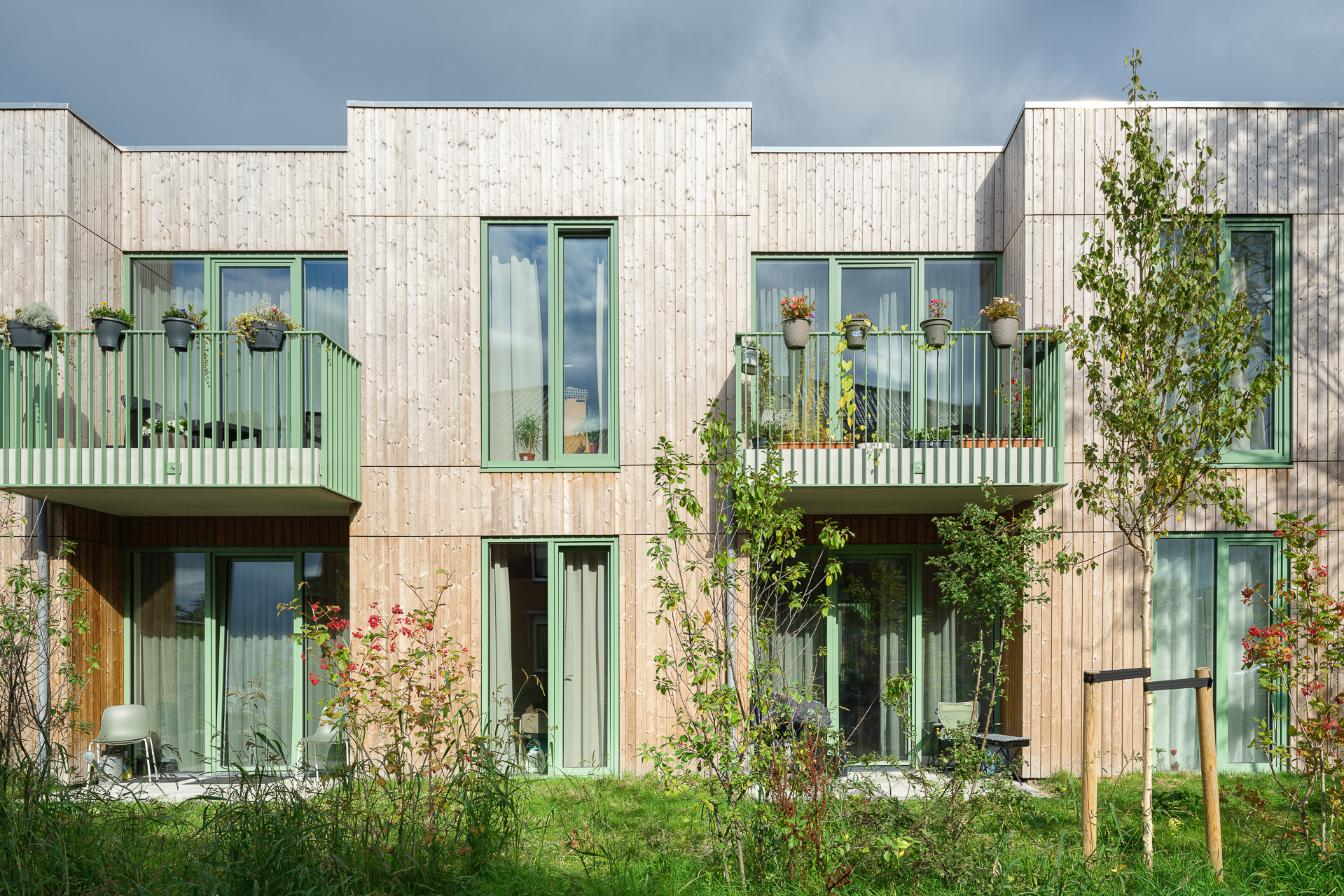
Moos Euterpe by concrete, Maasland, Netherlands | Popular Choice Winner, Affordable Housing, 13th Architizer A+Awards
Another late evening in the office. I am frantically reading and rereading my presentation for tomorrow’s event. Funnily enough, it coincides with my ten-year anniversary of being at the firm.
It is a great way to celebrate. Being the lead architect on one of the year’s most acclaimed social housing projects – and presenting it to the largest audience in the city – is no small accomplishment. Who would have thought that after countless years of grinding and producing door schedules and architectural details, I would get to design a building that I am truly proud of?
And yet, the pride comes with a strange, familiar companion: imposter syndrome wearing a well-tailored black turtleneck.
It seems almost impossible to describe this project honestly. Some parts are either too dry or too sentimental, and others are either too technical or too academic – especially after thinking back to the early briefing meetings, when the client wanted “an affordable but iconic (I hate this word) building”; or when the façade design almost got value-engineered into oblivion. But eventually the building happened, and that should be enough to feel proud.
Honestly, in architecture, success feels strangely exhausting. And what if tomorrow, when I stand in front of hundreds of people, someone asks: “So, what’s next?”, as if a decade of work is just the warm-up.
I stare at the screen once more, and suddenly my phone buzzes. A message from an old colleague, who left the profession years ago: “Saw the promo for your talk! Congrats. Also, call me when you’re free. I want to ask you something about an architectural course I am setting up for the university.”
Chapter 02b: The Wonderer
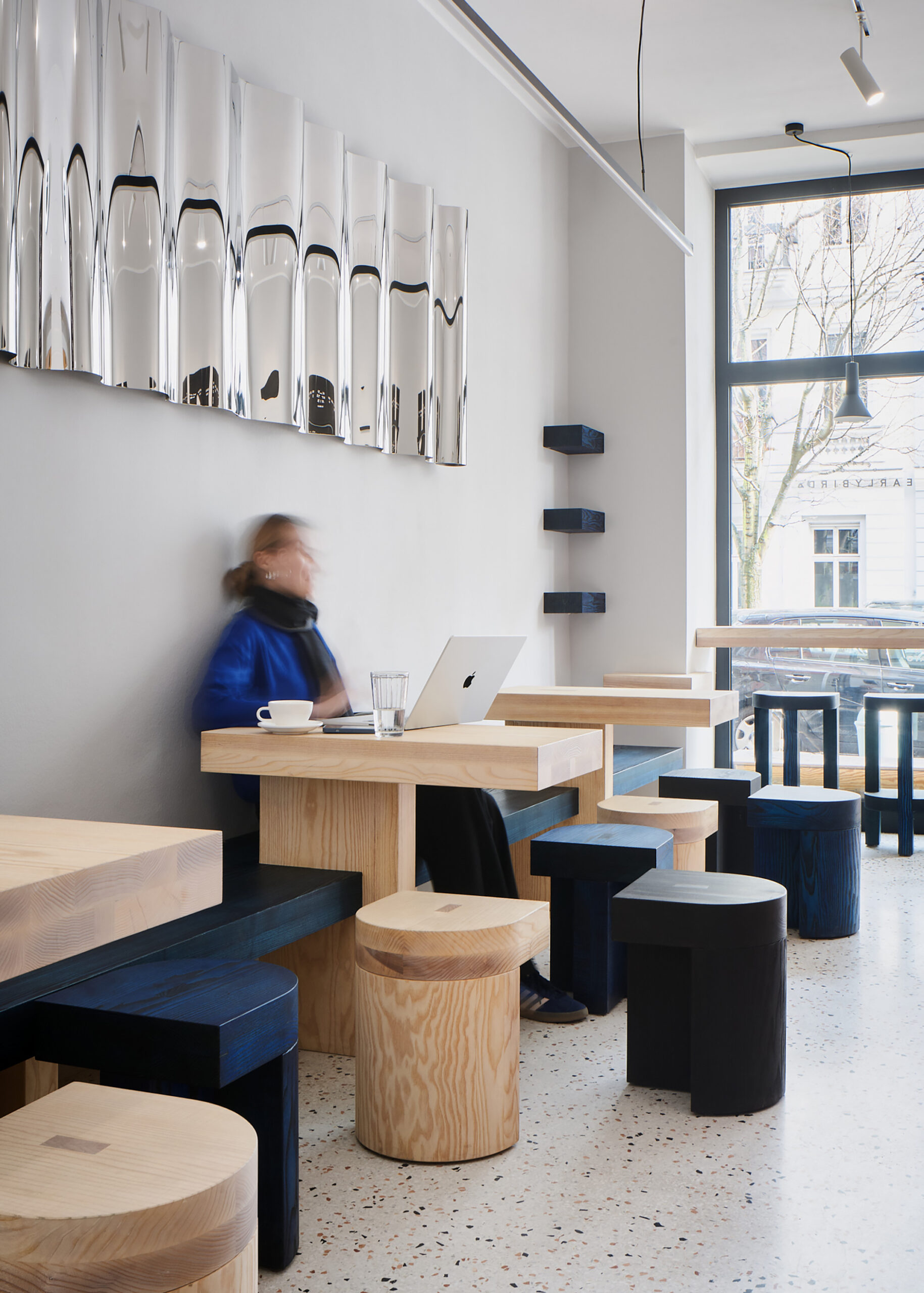
Early Bird by About Space, Berlin, Germany | Jury Winner, Restaurants (S<1000 sq ft), 13th A+Awards
Another late evening in my favorite coffee shop. The barista kindly smiles at me, while he cleans the espresso machine – a sign that I should finally go home.
My screen is open to a sprawling, colorful map, an early draft of a game environment that simulates the mythical island of Atlantis. Three concentric circles, alternating between land and water, have become the setting for this new videogame – “a mysterious but navigable island”, the brief’s exact words.
Who would have thought that after my first project, where I was drawing details of the stalagmites and stalactites for a virtual cave, I would still be a fully operational freelancer who constructs whole fictional worlds? Somehow, against all probability, I’m still here.
Tomorrow, I’m showing the newest world map to the studio’s writers and sound team, and although I am quite nervous, I can’t wait to hear their brilliant feedback. I love having conversations about how the forest “needs more emotional pacing” or how Poseidon’s temple should be “filled with unpredictable traps”, instead of discussing “how we can build the façade with cheaper materials” or how “the square meters need to be reduced to match the planning requirements.”
I go back to the model, ready to adjust the topography once more, when suddenly, my phone buzzes. A message from a close friend: “Hey, how are you doing? I know you don’t ‘do buildings anymore,’ but I want to design a pop-up shop for my comic book brand. Can I call you tomorrow?”
Chapter 03: Interlude
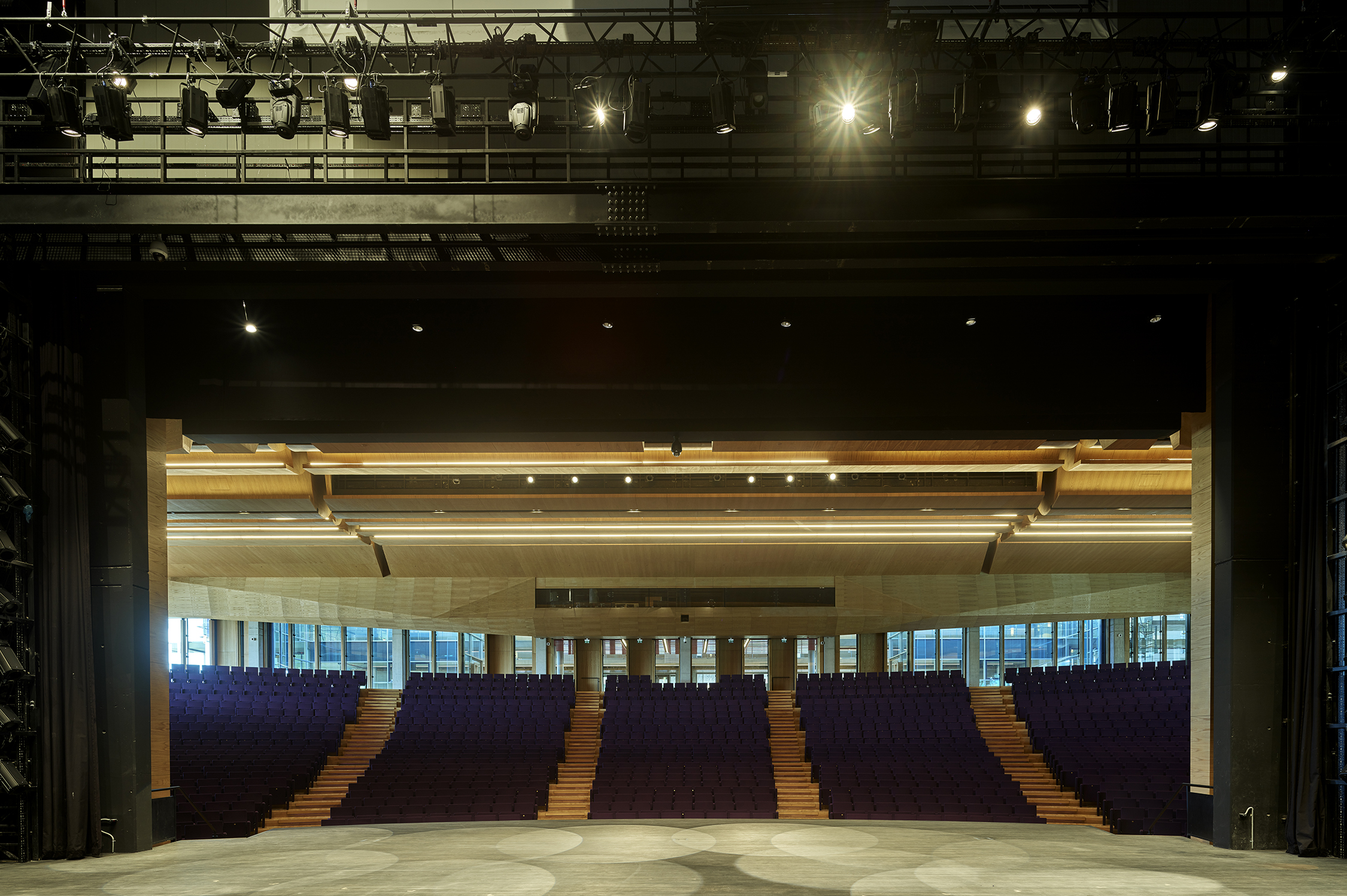
TED Ankara College Campus Performing Arts Centre by Uygur Architects, Ankara, Turkey
The Architect
The applause is still ringing faintly in my ears as the auditorium empties out. The presentation went better than I hoped, the questions were spot on, and it felt as if the city truly appreciated the end result.
On the walk home, I detour past the housing project. It’s surreal to see that what you once envisioned only in your mind is now a reality. Someone is watering their plants, a couple of kids play on the balcony, and a young girl stares out of the window peacefully.
This. This is the biggest recognition I could ever ask for.
The Wanderer
The review ended in the most chaotic manner possible. A room full of enthusiastic professionals running on coffee and adrenaline was arguing about myth arcs, temple designs and sound effects.
On my way out, my cheeks hurt from smiling. What I have spent months designing is finally entering the production stage. My Atlantis island will become real, already being inhabited through the imagination of my crazy coworkers, and suddenly, I’m struck by the same quiet certainty as an architect walking past their building. I have designed something thrilling that people will occupy.
Concluding Reflections
This interactive-like story is published after two articles I recently wrote: The Red Flags of the Architectural Profession and The Green Flags of the Architectural Profession. What surprised me, both in research and in conversations afterward, was how often architects imagined these conditions as opposites, as if one set defined a failing career and the other a successful one. But this article attempts – in a playful way – to remind architects that the discipline is a framework, not a track. Frankly, the field is so wide that staying, pivoting, or circling back are all legitimate ways of practicing it.
Architects: Want to have your project featured? Showcase your work by uploading projects to Architizer and sign up for our inspirational newsletters.
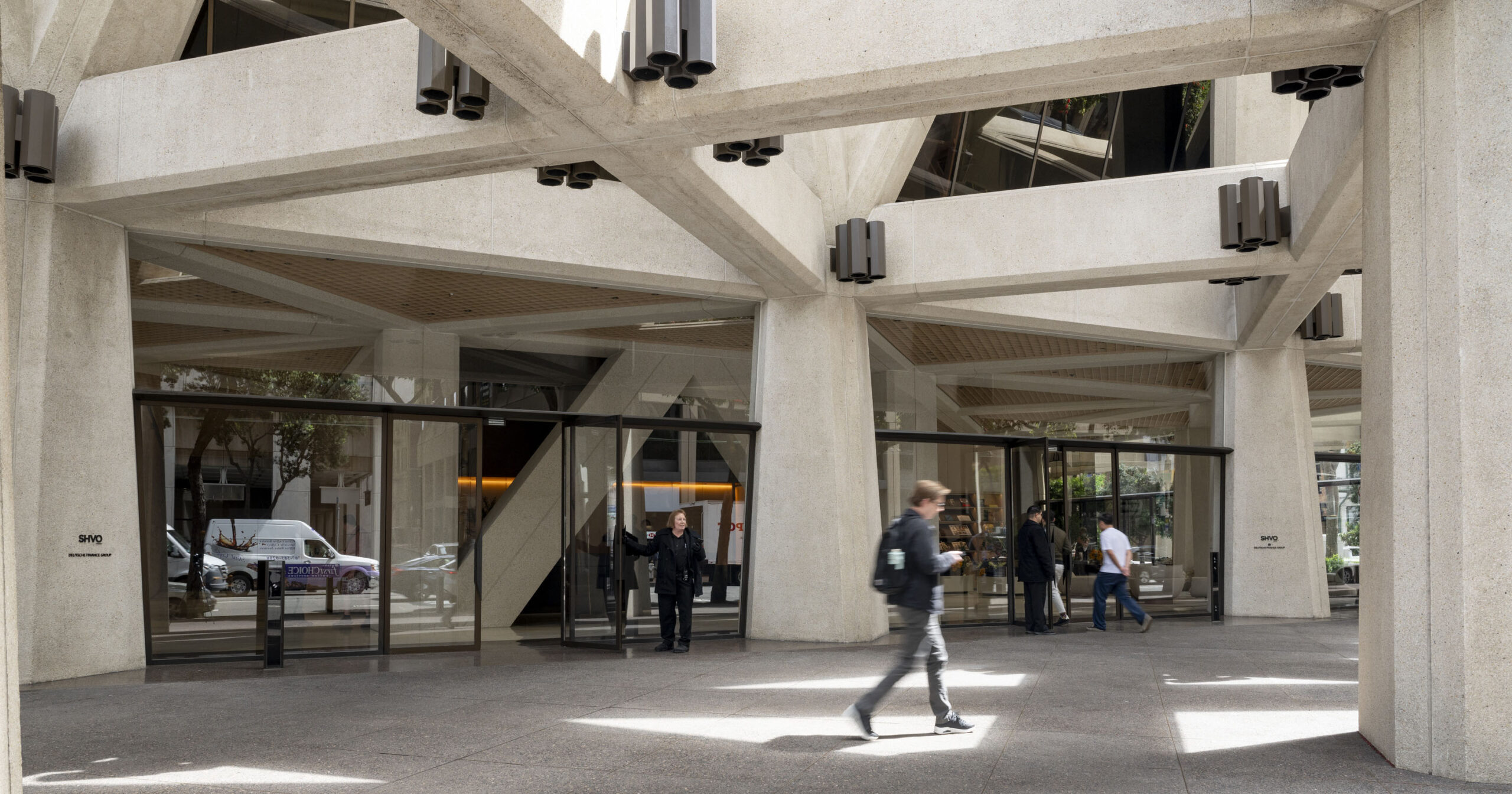
Top image: Transamerica Pyramid Center by Foster + Partners, San Francisco, California | Popular Choice Winner, Commercial Adaptive Reuse Project, 13th Architizer A+Awards