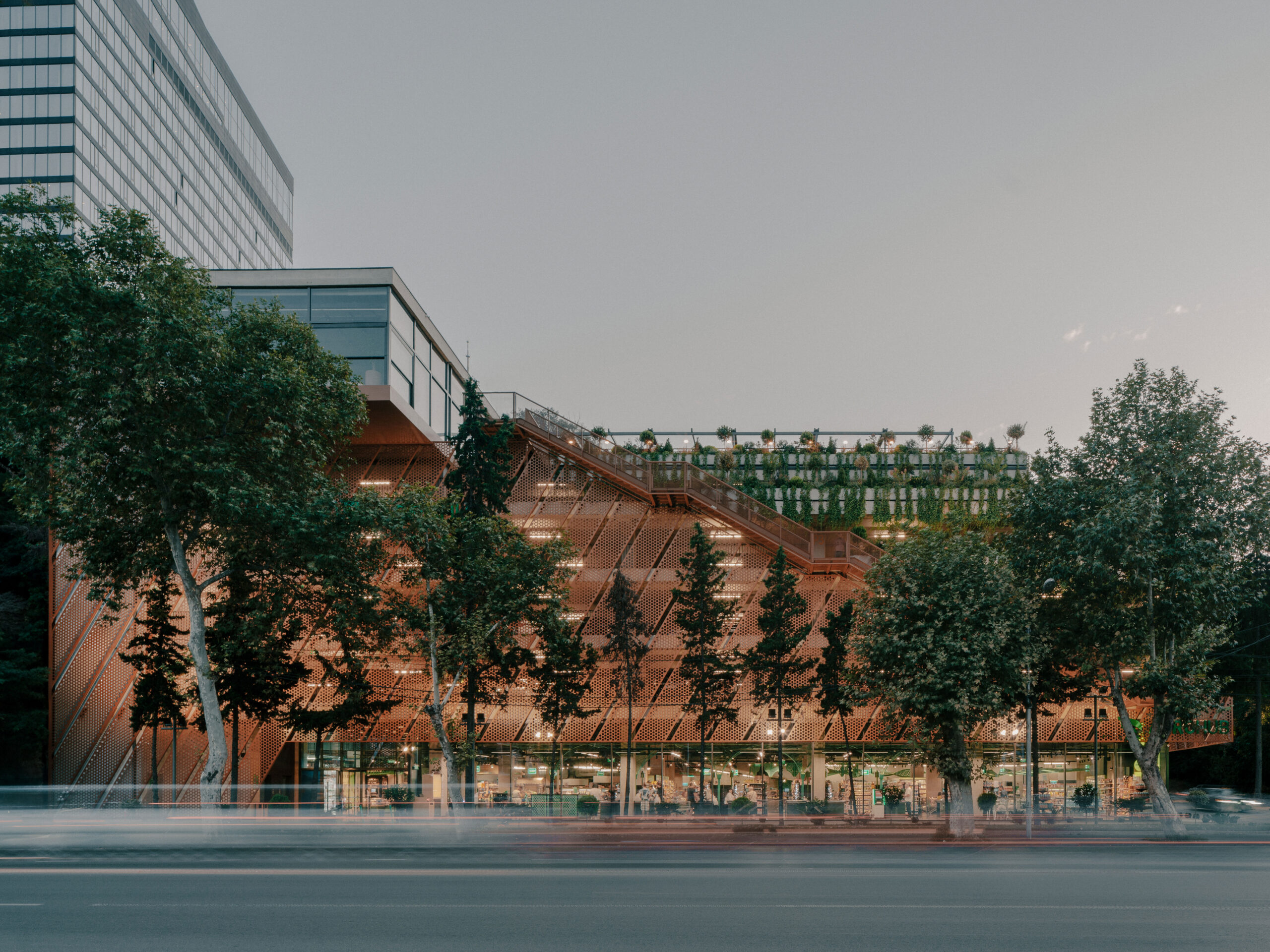
Should Architects Stop Designing for the “User” and Start Designing for Time?
As programs shift faster than buildings age, some architects are rethinking user-centered design in favor of more open architectural frameworks.
 Eirini Makarouni
As programs shift faster than buildings age, some architects are rethinking user-centered design in favor of more open architectural frameworks.
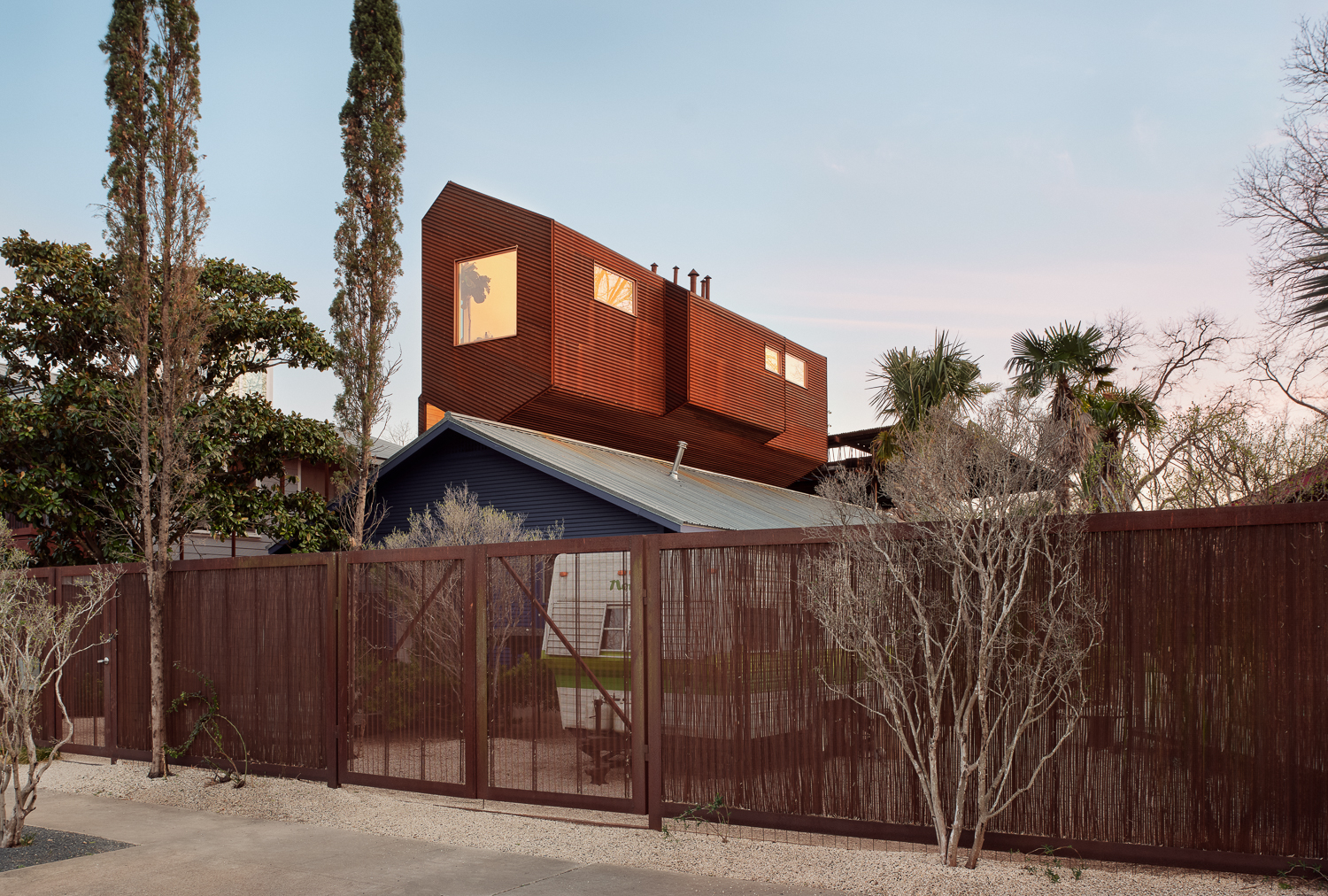
Architectural concept statements are full of clichés. Ironically, AI exposes weak ideas, rewarding p rojects grounded in clear briefs.
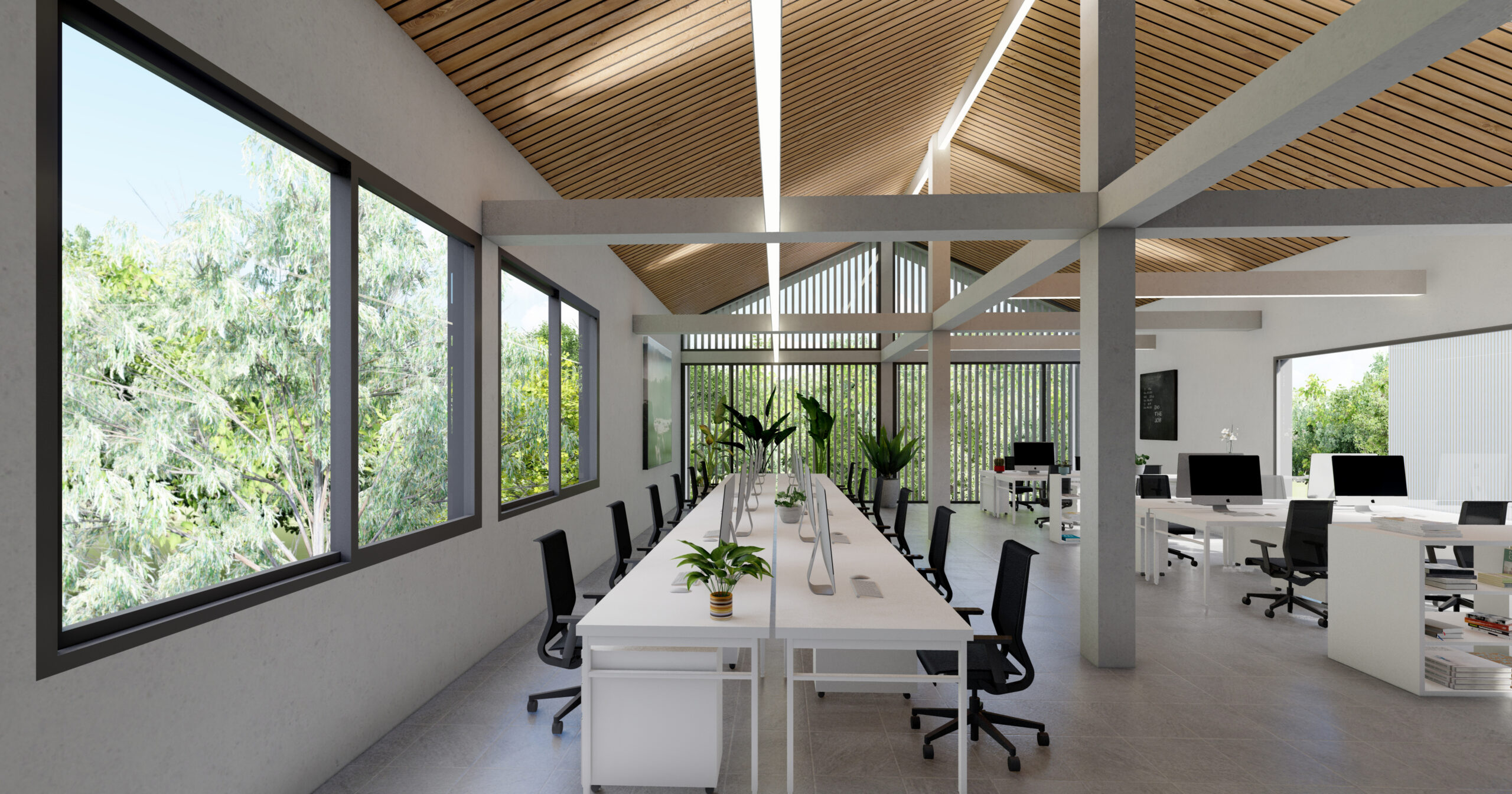
Join us for a day in the life of an architect, operating somewhere between caffeine management, prob lem translation and negotiating reality.

If Disney’s most iconic characters commissioned homes today, these seven contemporary projects would top their lists.

Hydraulic legs, ski-mounted modules and elevated frames respond to snow accumulation and glacial fra cture.
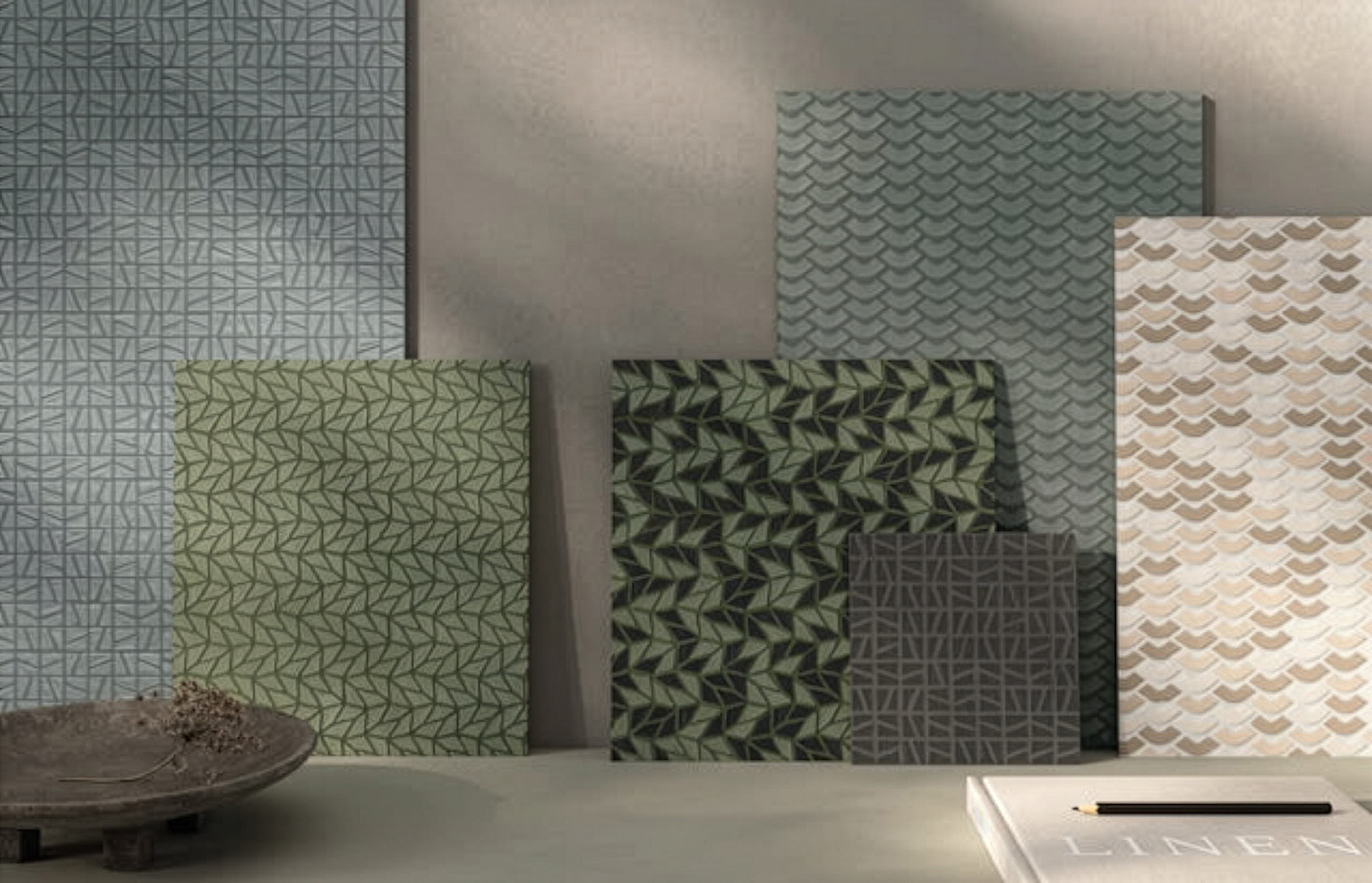
Architecture is getting heavier again. Is permanence reasserting itself against an era obsessed with adaptability?

Dissect the qualities that elevate a conceptual model from a visual representation into an object ar chitects can argue with.
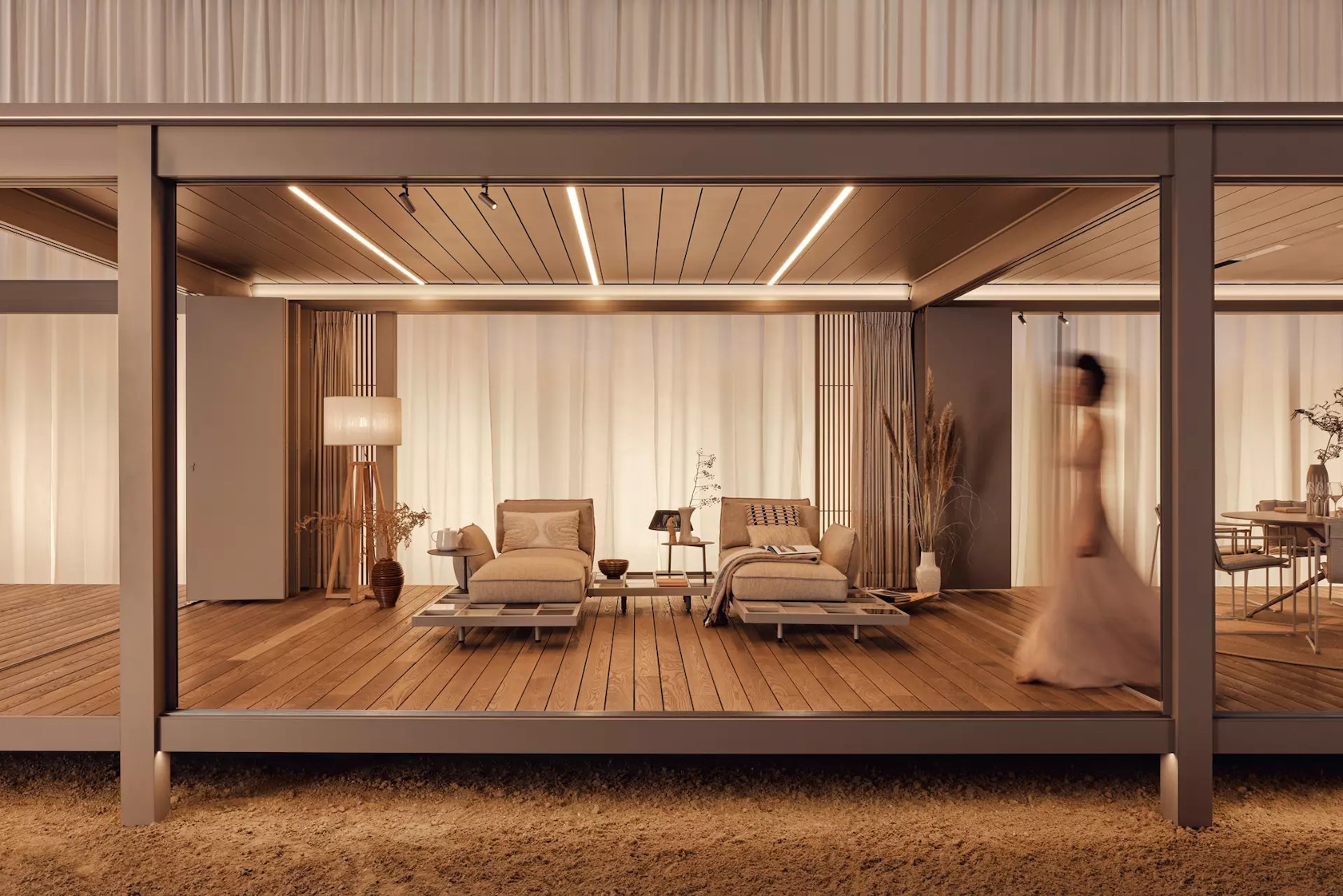
Furniture designers are gradually integrating “social scripts” into their products, covertly structu ring human behavior within a space.
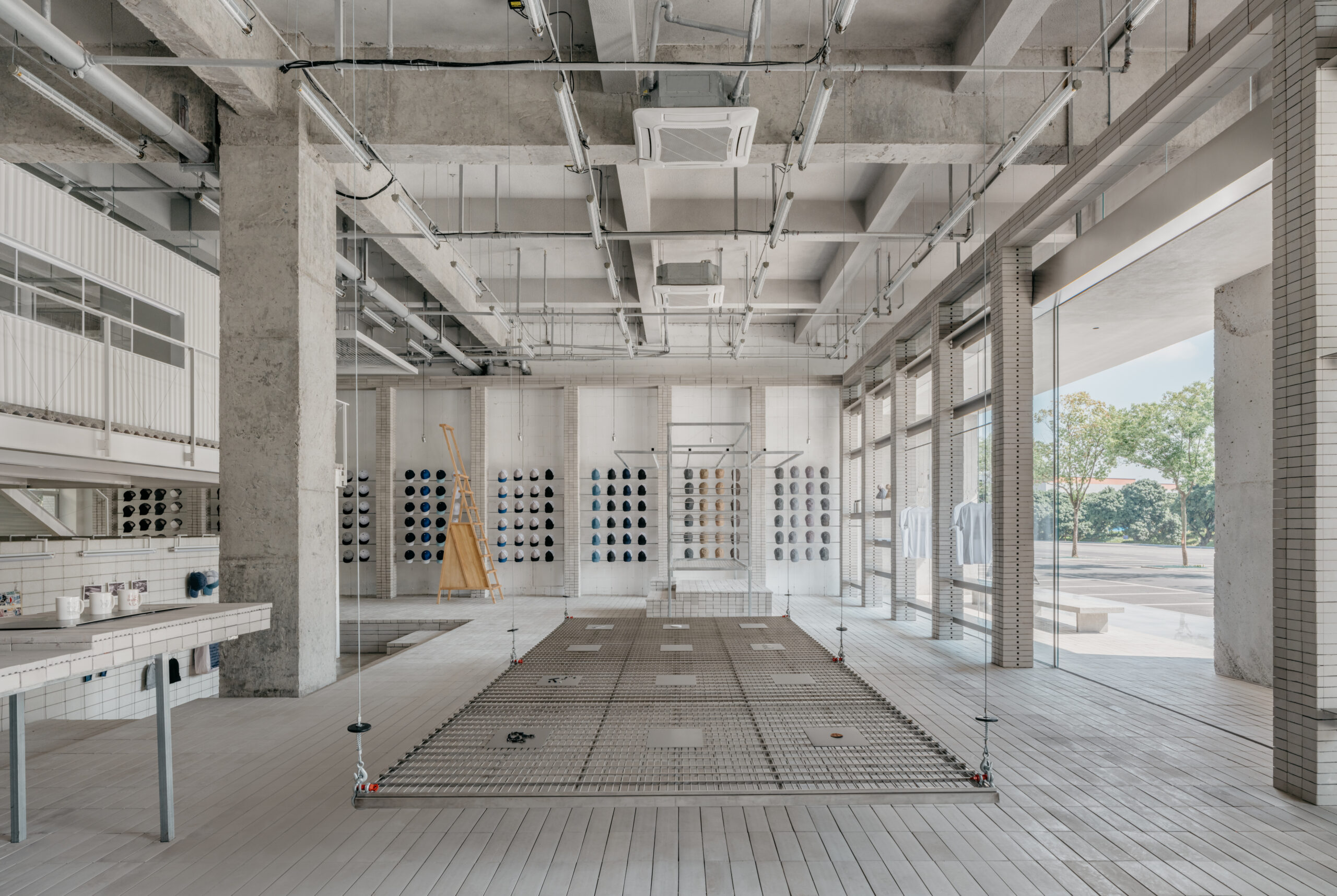
While the architectural community is fixed on AI being a threat to creativity, the real revolution m ay lie elsewhere entirely: bureaucracy.