
Architects: Want to have your project featured? Showcase your work by uploading projects to Architizer and sign up for our inspirational newsletters.
With 2016 back in the cultural conversation, it feels like a good moment to look at what architecture was doing then.
It was a peak era for starchitecture, shaped by parametric design tools and new fabrication methods that made bold forms easier to realize. At the same time, architecture was starting to look for something else. Many projects turned toward landscape, atmosphere and emotion, searching for meaning beyond spectacle. Optimism and experimentation still drove the conversation, and these A+Awards winners captured that energy.
A decade later, they reveal both what architects cared about at the time and what aged well.
When architecture became topography:
Messner Mountain Museum Corones
By Zaha Hadid Architects, South Tyrol, Italy
Popular Choice Winner, Museum, 2016 A+Awards
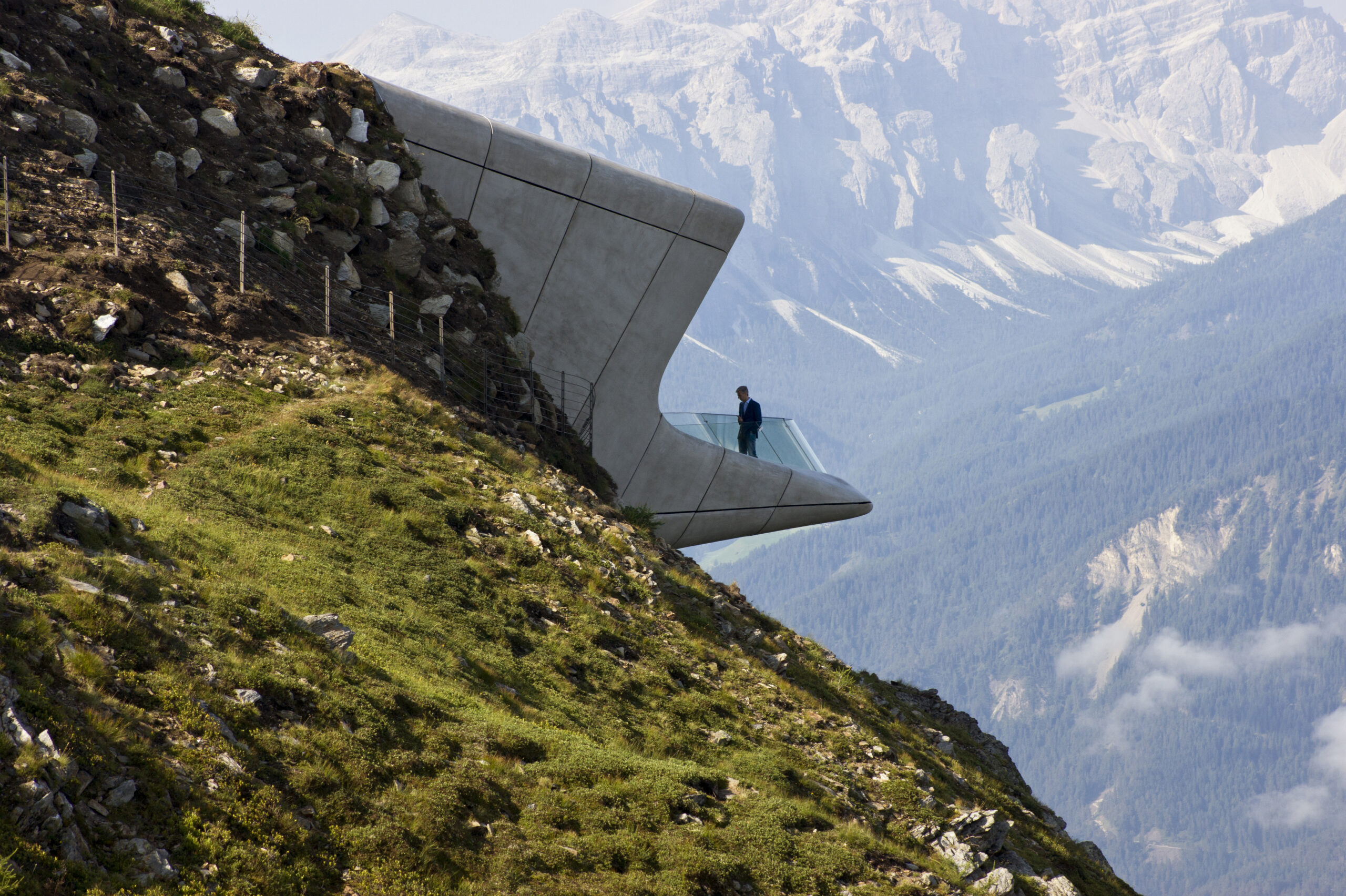
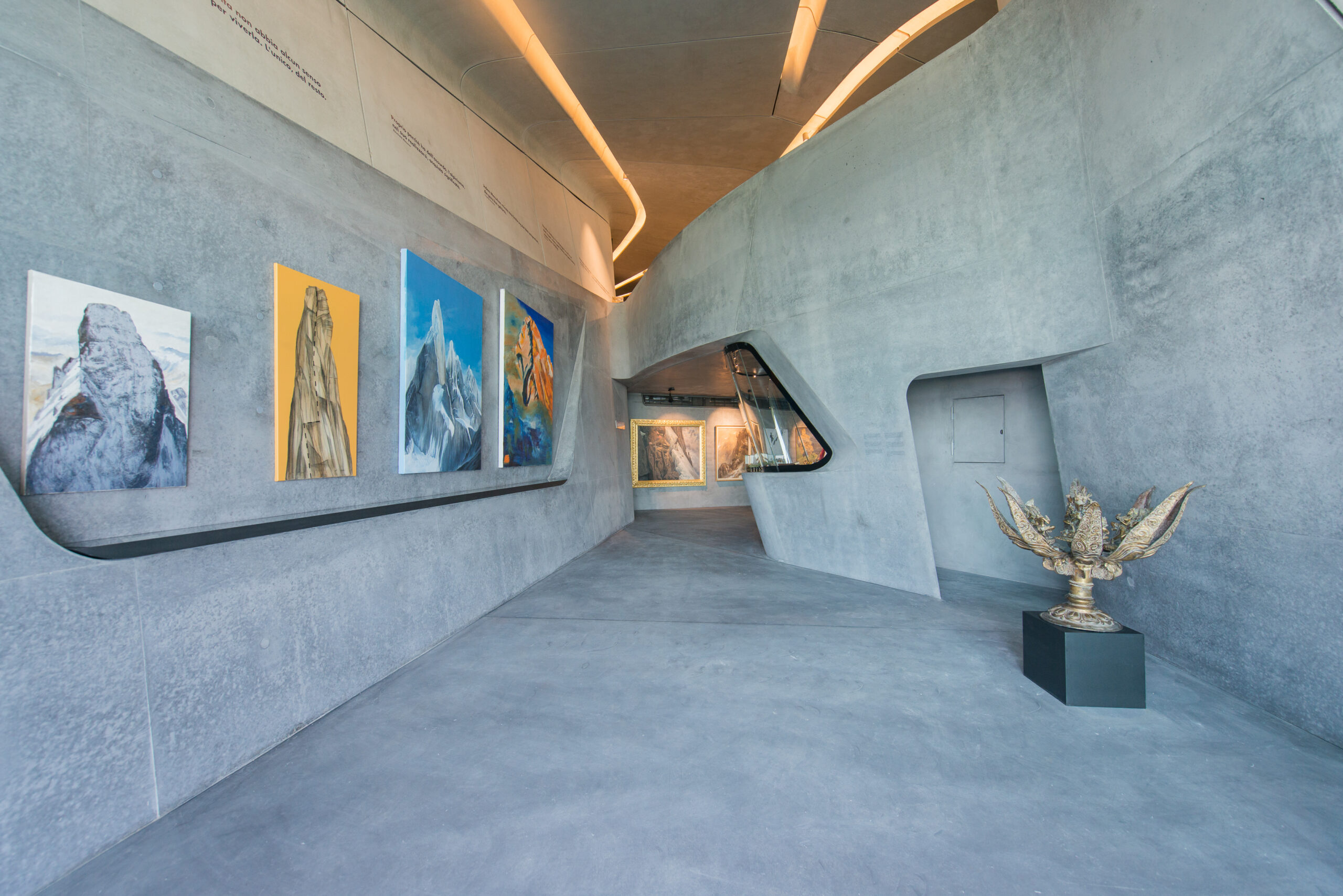 Set high on Mount Kronplatz, MMM Corones reflects a 2010s fascination with architecture as terrain. Rather than sitting on the mountain, the museum is cut into it, its fluid concrete volumes following the logic of geology and movement. Circulation unfolds along a descending ramp that pulls visitors through compressed galleries toward framed views of the Dolomites, turning the act of walking into part of the exhibition.
A sharp glass canopy pierces the rock like a shard of ice, marking entry without domesticating the site. Dedicated to mountaineering culture, the building treats landscape as both subject and structure. Its sculptural confidence and immersive spatial narrative capture a decade when architecture sought intensity through form, topography and physical experience.
When architecture chose restraint:
Grace Farms
By SANAA, New Canaan, Connecticut
Jury Winner, Architecture +Engineering, 2016 A+Awards
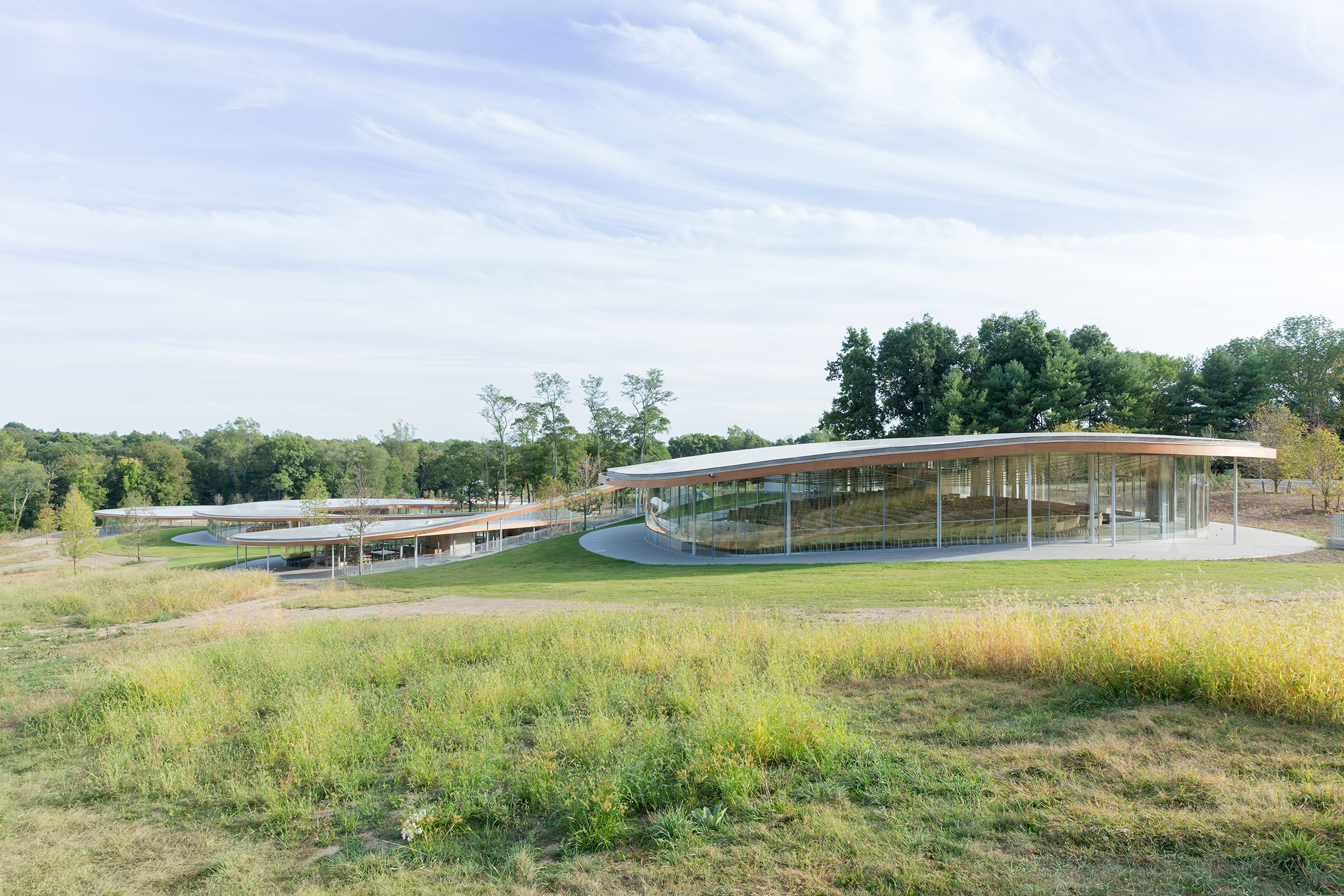
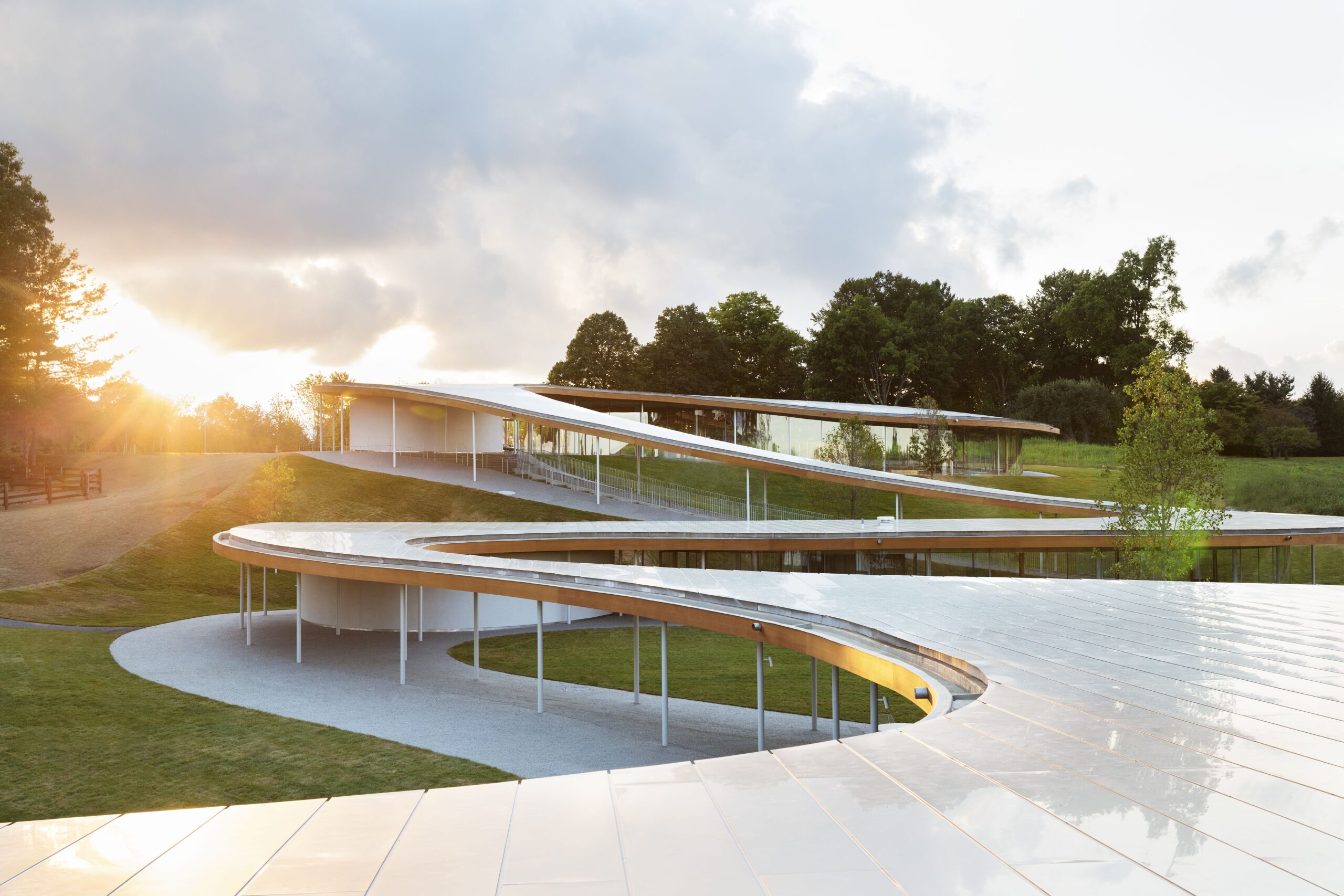 Restraint becomes the defining gesture at Grace Farms. Rather than asserting itself as a singular object, the River unfolds as a low, continuous presence across open farmland, guiding movement through a sequence of glass-walled spaces joined by a gently sloping roof. Programs for reading, gathering, reflection and recreation are held within a light steel and timber structure that favors openness and visibility over enclosure.
The building keeps attention on people and shared activity, allowing landscape and daily use to take precedence. Architecture here acts as a quiet framework, shaping encounters without demanding focus. Its clarity and understatement mark a moment when pulling back felt like a deliberate, confident choice.
When form meant feeling:
Harbin Opera House
By MAD Architects, Harbin, China
Popular Choice Winner, Architecture +Wood, 2016 A+Awards
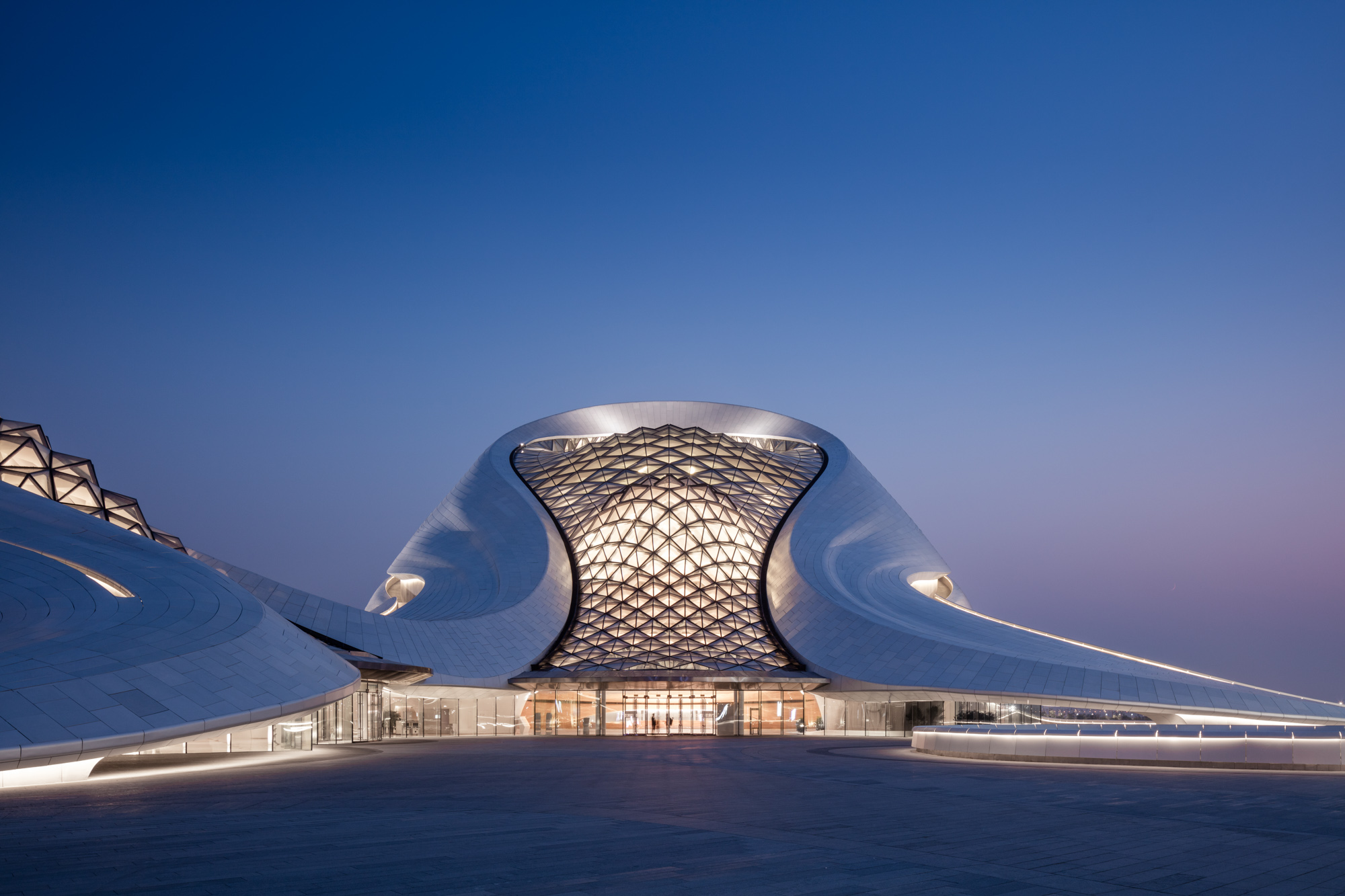
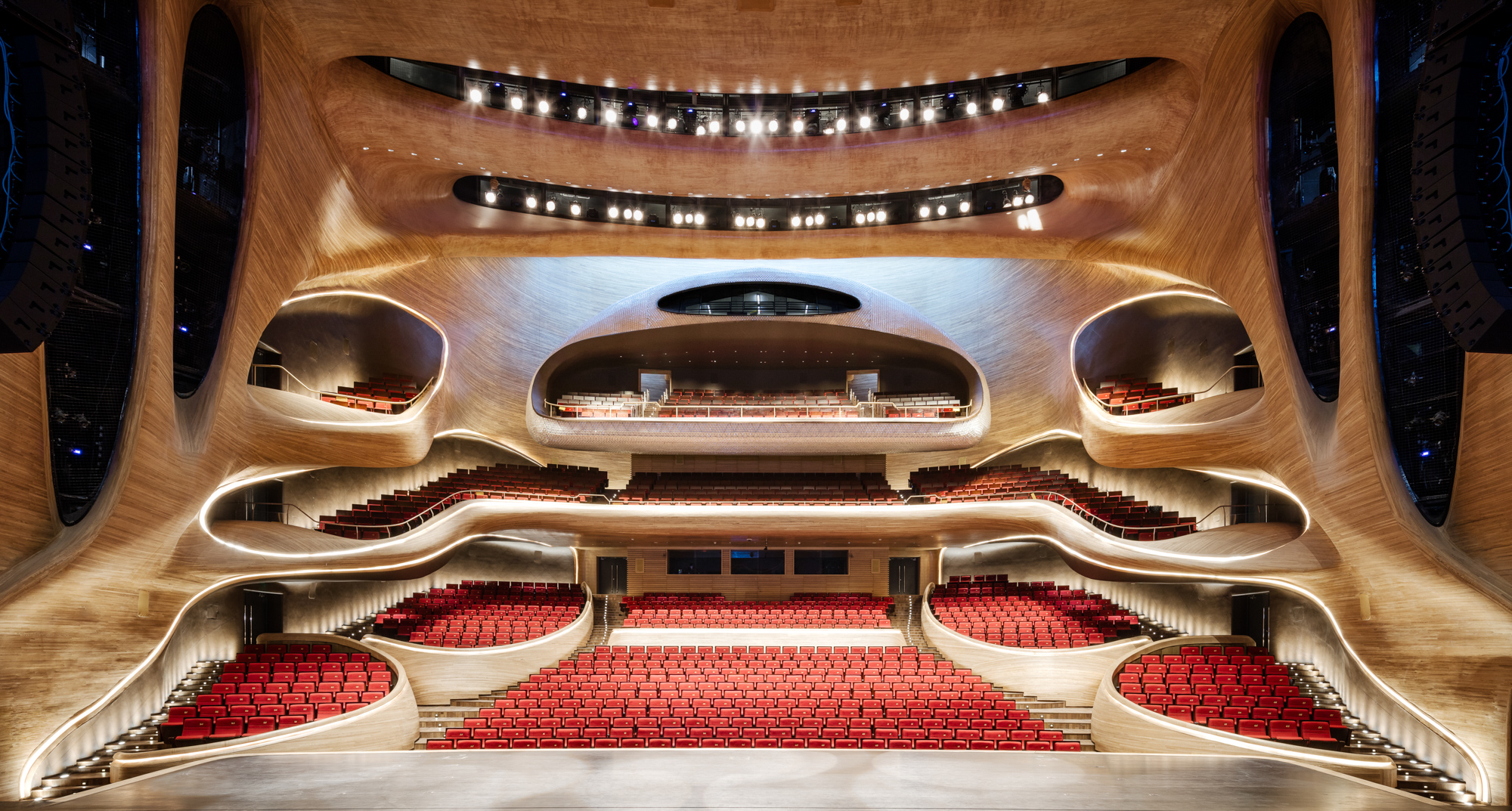 Long regarded as a defining work in MAD Architects’ early global rise, the Harbin Opera House captures a moment when the studio’s nature-driven ambitions were at their most expansive. Shaped by metaphors of wind, water and ice, its sweeping white aluminum form reads as a frozen landform emerging from Harbin’s wetlands.
The sculptural exterior contains two performance halls, with circulation treated as a slow procession that turns arrival into part of the event. Inside, large glass surfaces and a faceted roof pull daylight deep into public spaces, while the main auditorium is wrapped in warm Manchurian ash, shaped to support acoustics and atmosphere. The project reflects a 2010s confidence in expressive form, civic symbolism and architecture’s ability to stage emotion at an urban scale.
When technology meant optimism:
The Lowline Lab
By Raad Studio, New York City, New York
Popular Choice Winner, Architecture +Technology, 2016 A+Awards
Jury Winner, Architecture +Technology, 2016 A+Awards
Jury Winner, Architecture +Self Initiated Projects, 2016 A+Awards
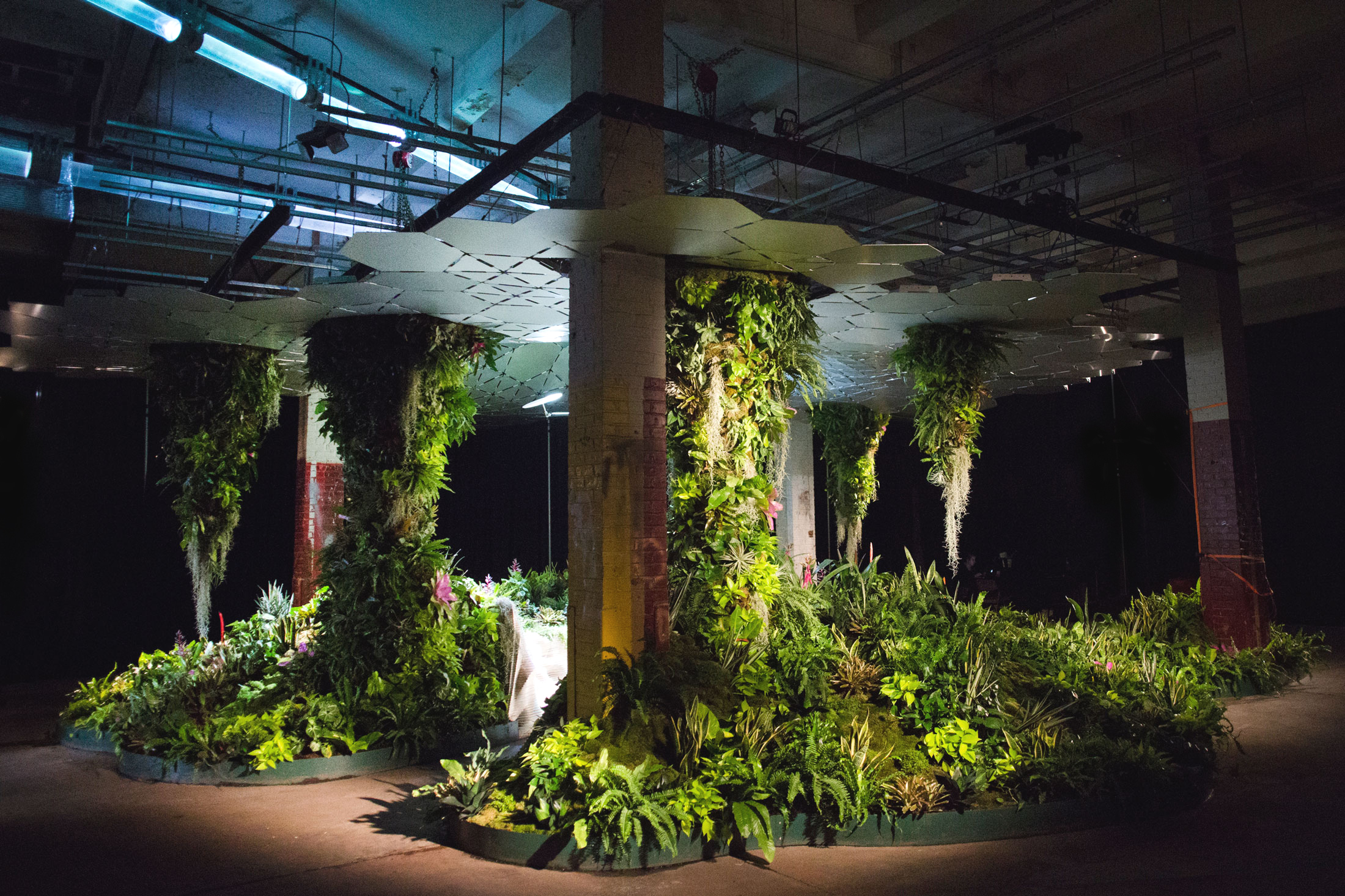
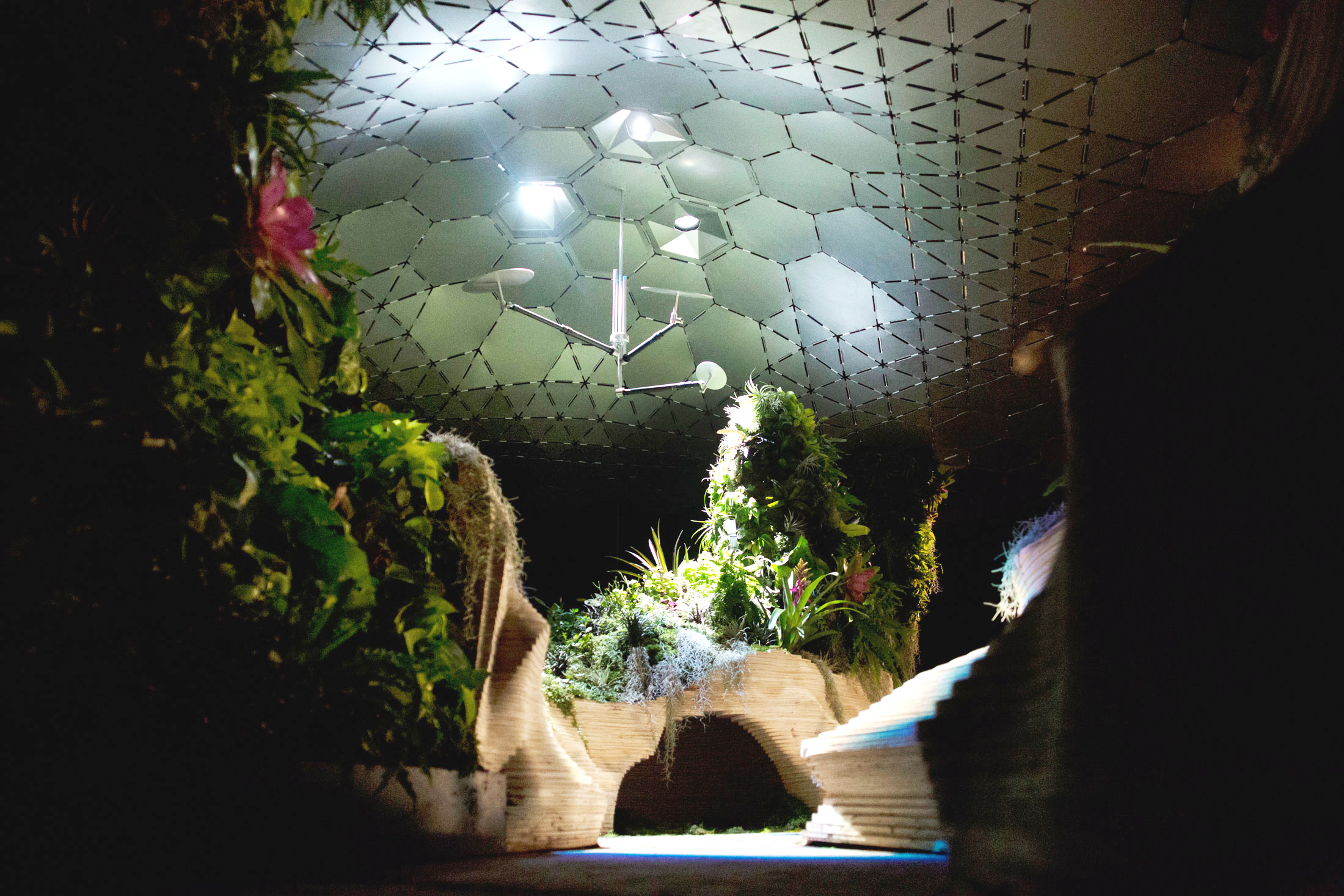 Conceived as a test site for a new kind of public space, the Lowline Lab reflects a 2010s faith in technology as an urban problem-solver. Installed within an abandoned underground market, the project uses custom optical systems to capture daylight at street level and channel it below through mirrored tubes and a suspended solar canopy. The sum of these efforts is a softly lit interior landscape where plant life grows without artificial light, framed by raw industrial surfaces and experimental hardware.
Part exhibition, part laboratory, the space imagined a future where neglected infrastructure could be reclaimed through technical ingenuity. Its speculative tone, environmental ambition and belief in design-led transformation mark it as distinctly of its moment, when cities still looked to bold experiments to signal progress.
When ordinary buildings started turning expressive:
City View Garage
By LEONG LEONG, Miami, Florida
Jury Vote and Popular Choice Winner, Architecture +Metal, 2016 A+Awards
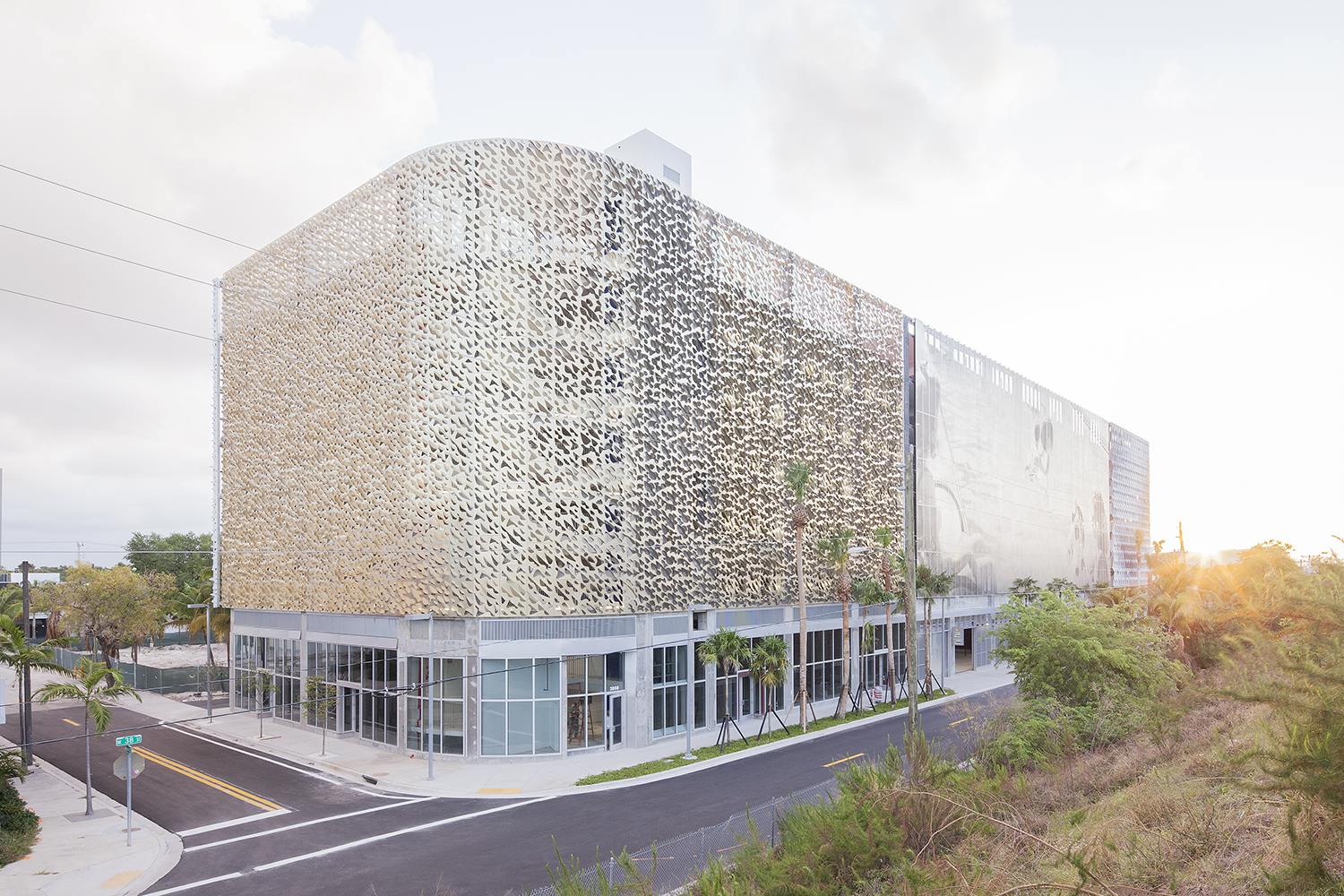
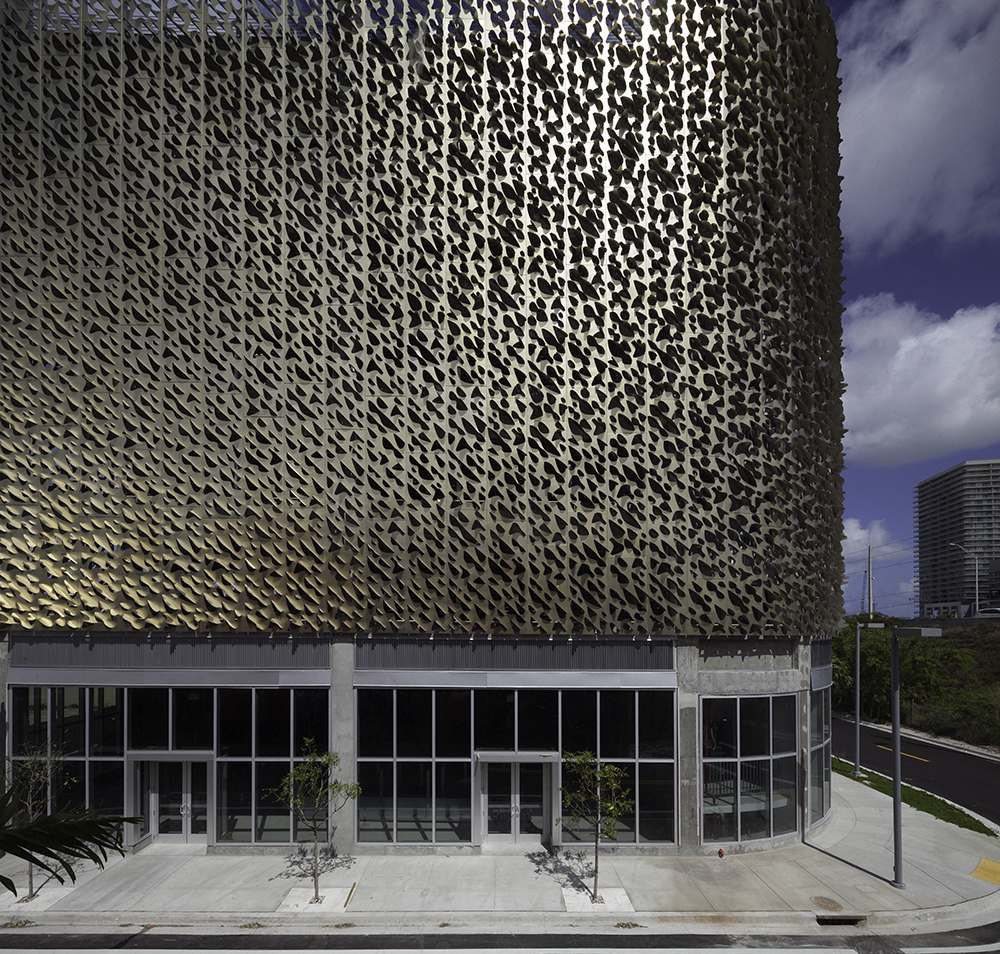 Positioned beside the I-195 freeway at the edge of Miami’s Design District, City View Garage treats a parking structure as a visual event rather than background support. Its façade is wrapped in gold-toned, titanium-coated stainless steel, shaped into folded, wave-like fins that catch light and shift with movement along the highway. What reads as surface expression is driven by function: openings required for daylight and ventilation are exaggerated into a shimmering screen that softens the building’s mass.
From inside, the patterned apertures frame fragmented views of the city. The project reflects a 2010s impulse to elevate everyday infrastructure through bold material presence, turning utilitarian programs into landmarks with graphic clarity and instant recognizability.
When architecture told a city’s story:
Great Amber Concert Hall
By Volker Giencke & Company, Latvia
Popular Choice Winner, Hall/Theater, 2016 A+Awards
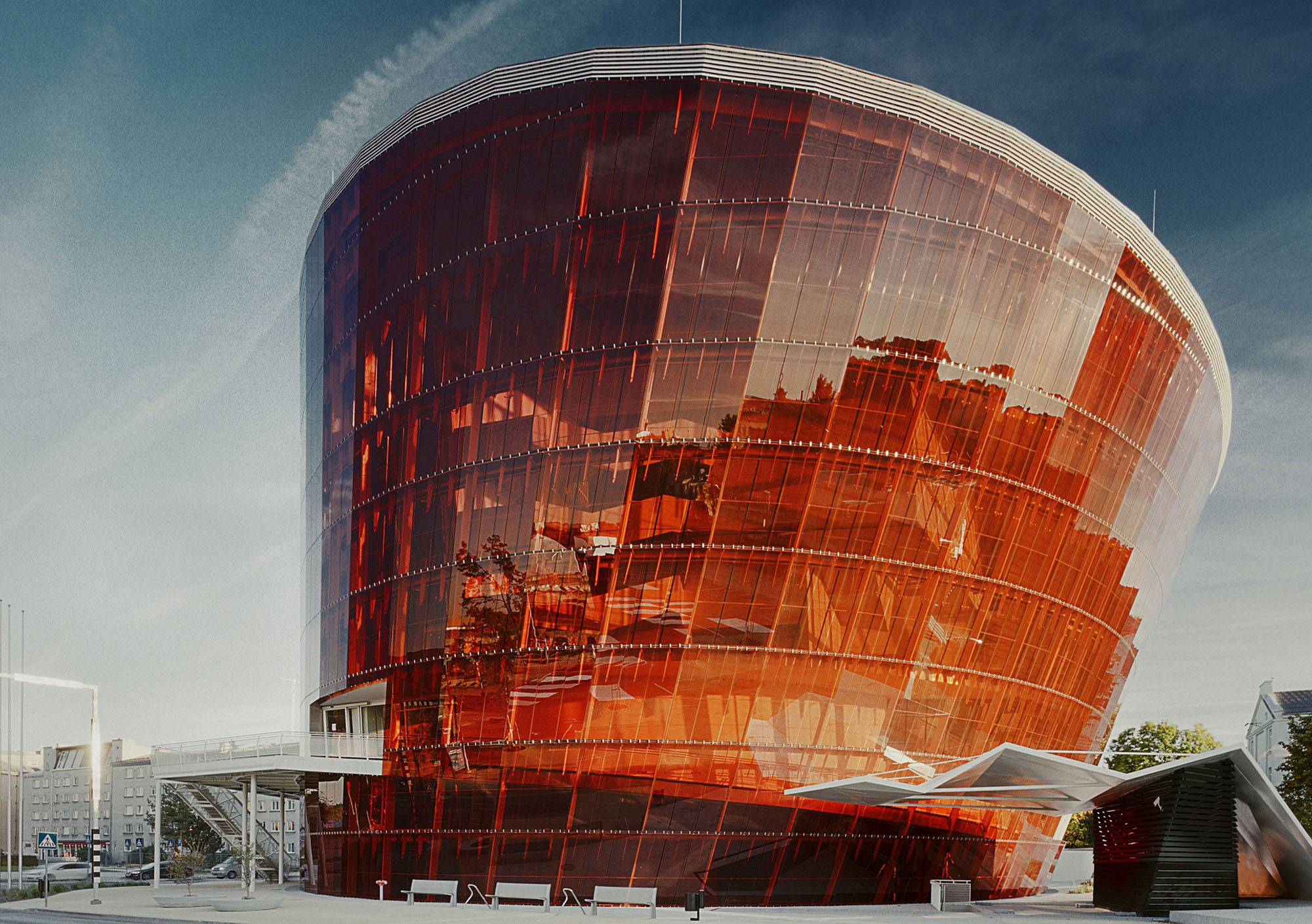
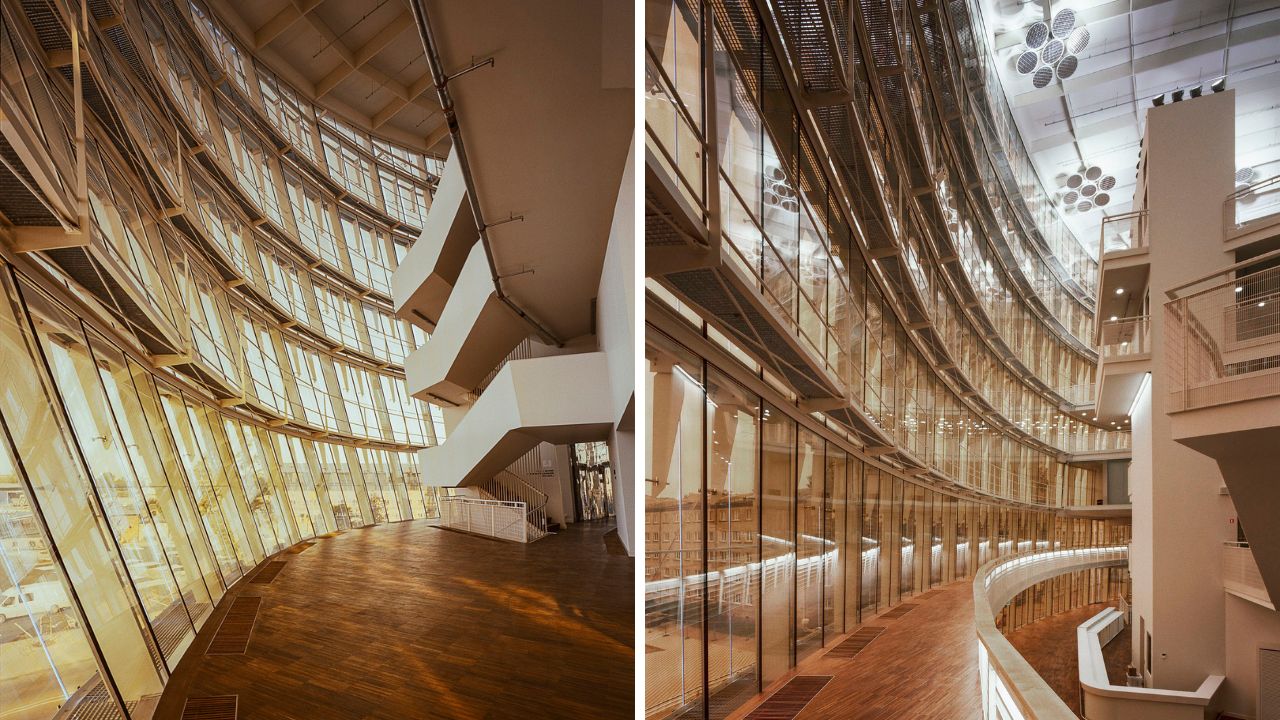 Great Amber is a product of a period when cultural buildings leaned unapologetically into symbolism to define a city’s image. Rising as a tilted, amber-colored cone, the concert hall takes its form from local legend, with the structure appearing to brace itself against the coastal wind. A translucent double-skin façade encloses the concrete interior, creating a buffered interior climate while allowing light to filter deep into the building.
Inside, the main hall follows a terraced vineyard geometry, pairing spatial drama with acoustic precision, while mirrored light tubes pull daylight down into the performance space. The project captures a 2010s belief in architecture as a narrative object, where material, form and metaphor worked together to project cultural ambition at an urban scale.
When architecture turned introspective:
Sayama Forest Chapel
By Hiroshi Nakamura & NAP, Tokorozawa, Japan
Popular Choice Winner, Religious Buildings & Memorials, 2016 A+Awards
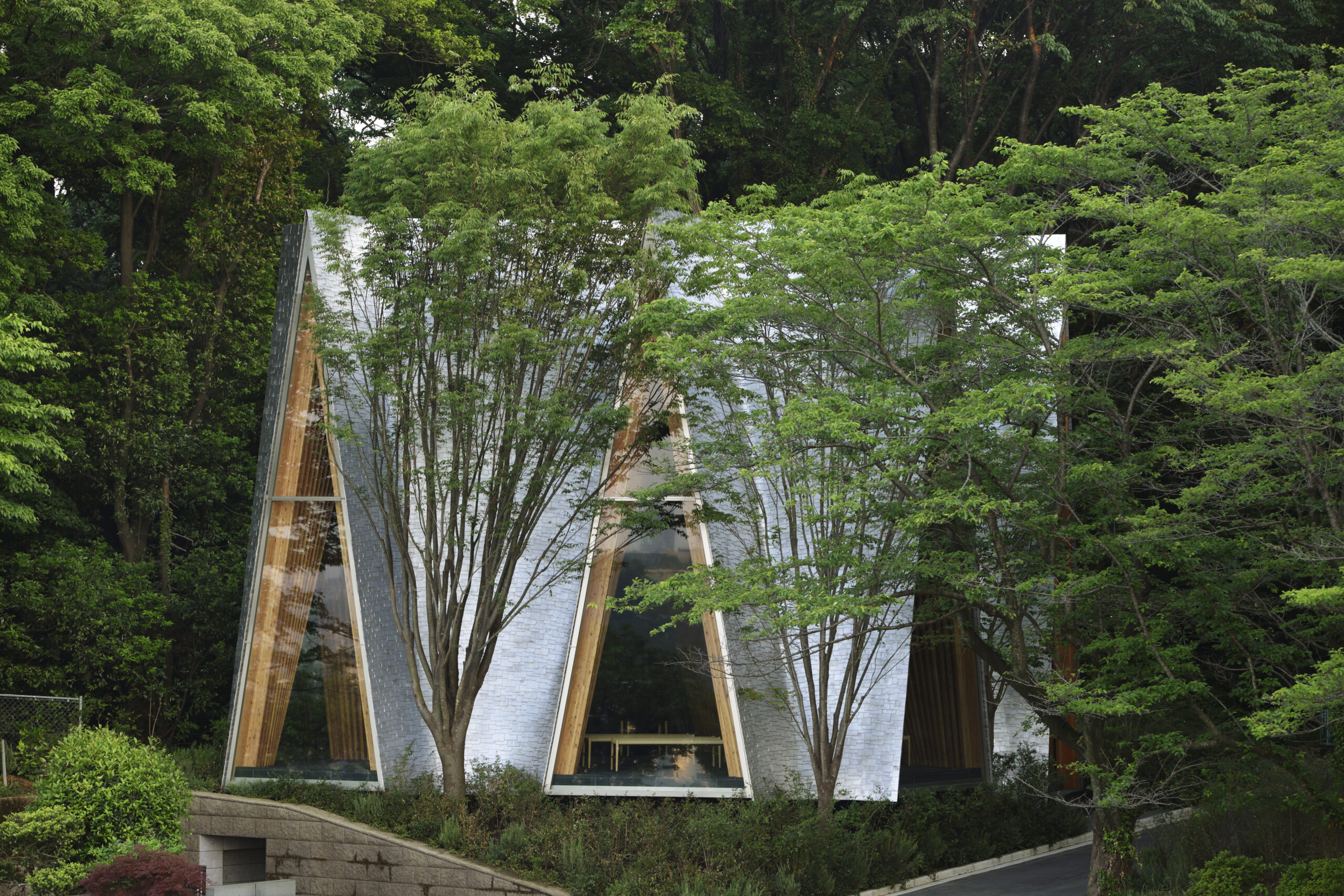
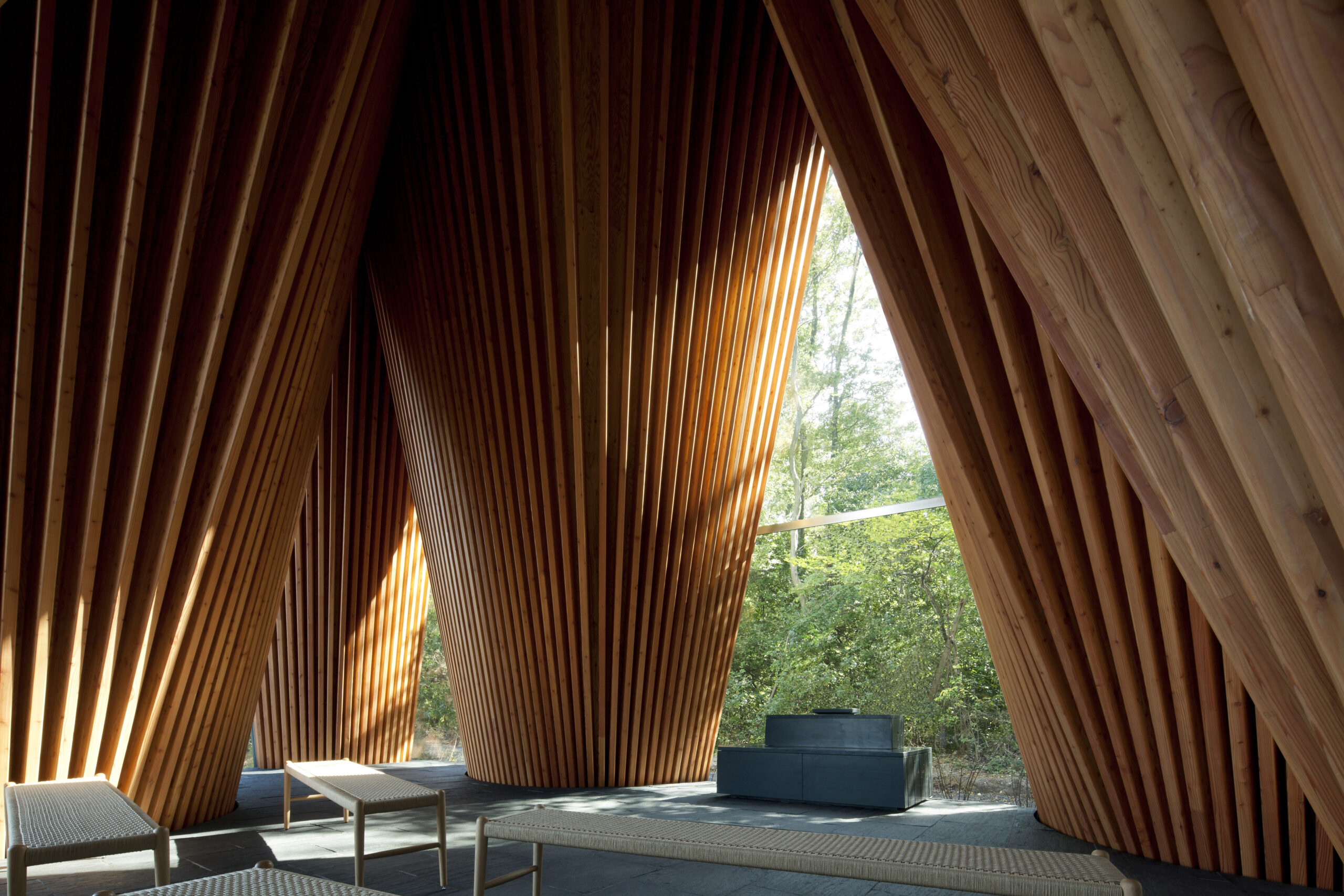 Sayama Forest Chapel is a prime example of introspective, emotionally attentive architecture. Set at the edge of a dense forest, the chapel takes the act of prayer as its formal starting point, shaping space around the posture of bowed hands and bodies. Two leaning structural planes form a gassho-like figure, angled inward to respect the surrounding trees and focus attention toward the woods ahead. Cast-aluminum roof tiles ripple with subtle texture, while a gently sloped slate floor draws visitors forward almost imperceptibly.
Rather than asserting presence, the building withdraws, allowing architecture to act as a quiet companion to grief and reflection. Its emphasis on bodily gesture, material sensitivity and shared spirituality captures a 2010s belief in architecture’s capacity to care through form.
When architecture made room for cultural exchange:
Thread Artist Residency
By Toshiko Mori Architect, Sinthian, Senegal
Jury Winner, Architecture +Humanitarianism, 2016 A+Awards
Jury Winner, Architecture +Community, 2016 A+Awards
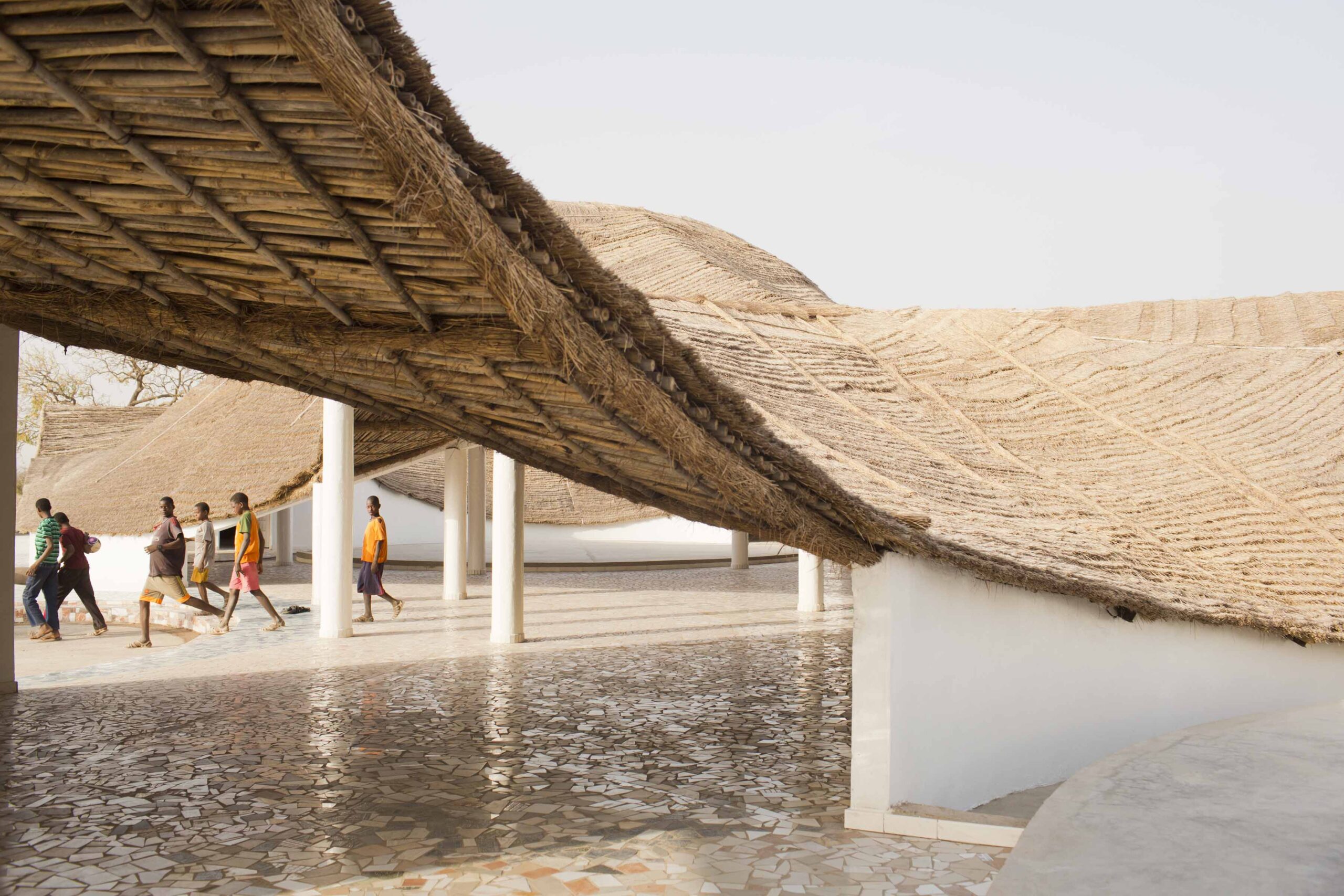
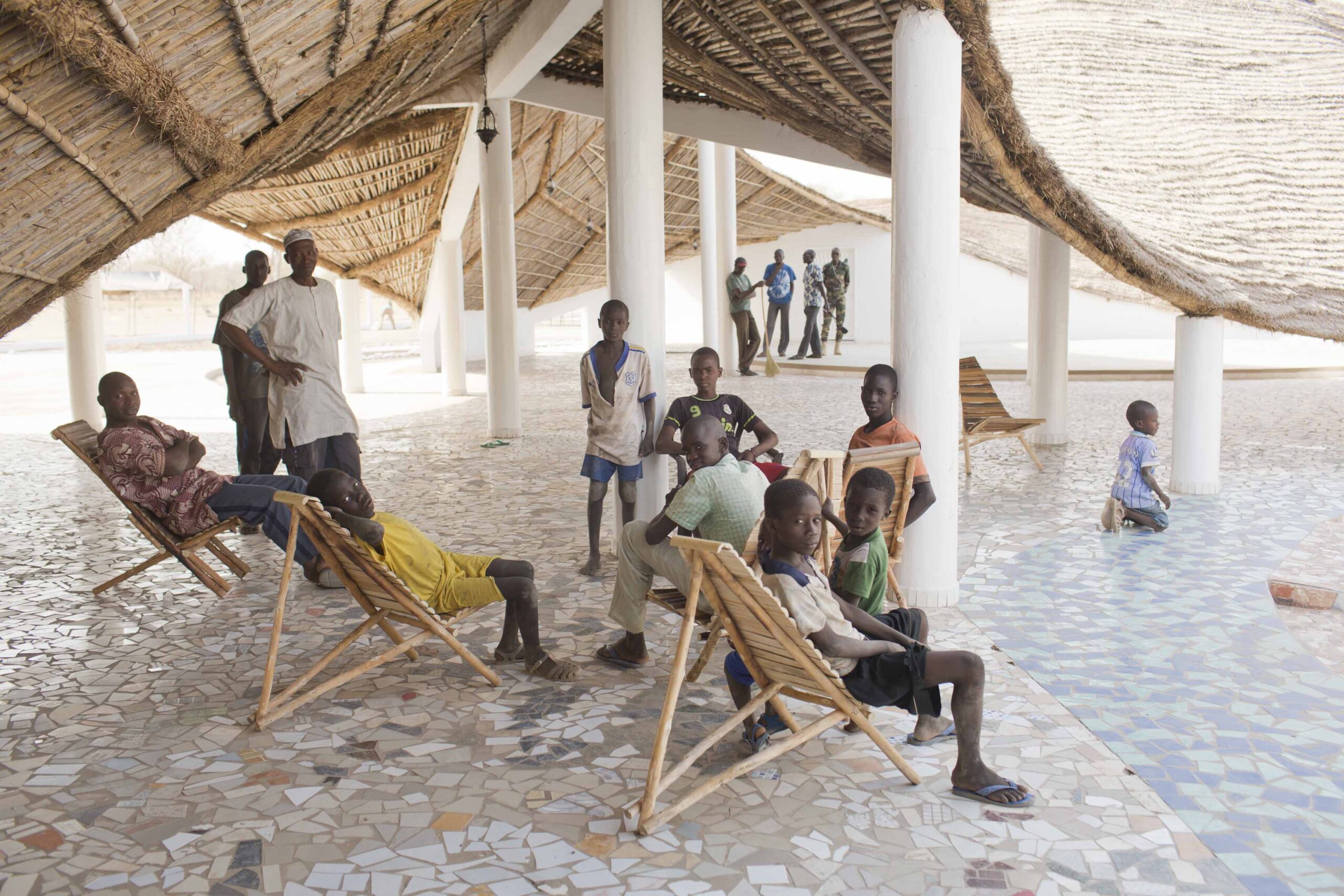 Thread was conceived as a place where architecture could support cultural exchange without overpowering it. Designed by Toshiko Mori Architect, the project provides living, working and gathering spaces for artists invited to engage directly with the surrounding community. The building’s form responds to climate and daily use, relying on simple materials and open, shaded spaces that encourage interaction and shared activity.
As opposed to operating as a closed institution, Thread functions as a social framework, hosting workshops, performances and informal encounters between visiting artists and local residents. Its role extends beyond accommodation, acting as a physical platform for learning, making and dialogue. The project signals a moment when architecture increasingly positioned itself as an enabler of participation, collaboration and cultural continuity rather than an object of attention.
When cantilevers reached into the landscape:
Manshausen Island Resort
By Snorre Stinessen Architecture, Steigen, Nordland, Norway
Jury Vote and Popular Choice Winner, Architecture +Cantilever, 2016 A+Awards
Popular Choice Winner, Architecture +Glass, 2016 A+Awards
Popular Choice Winner, Hotels & Resorts, 2016 A+Awards
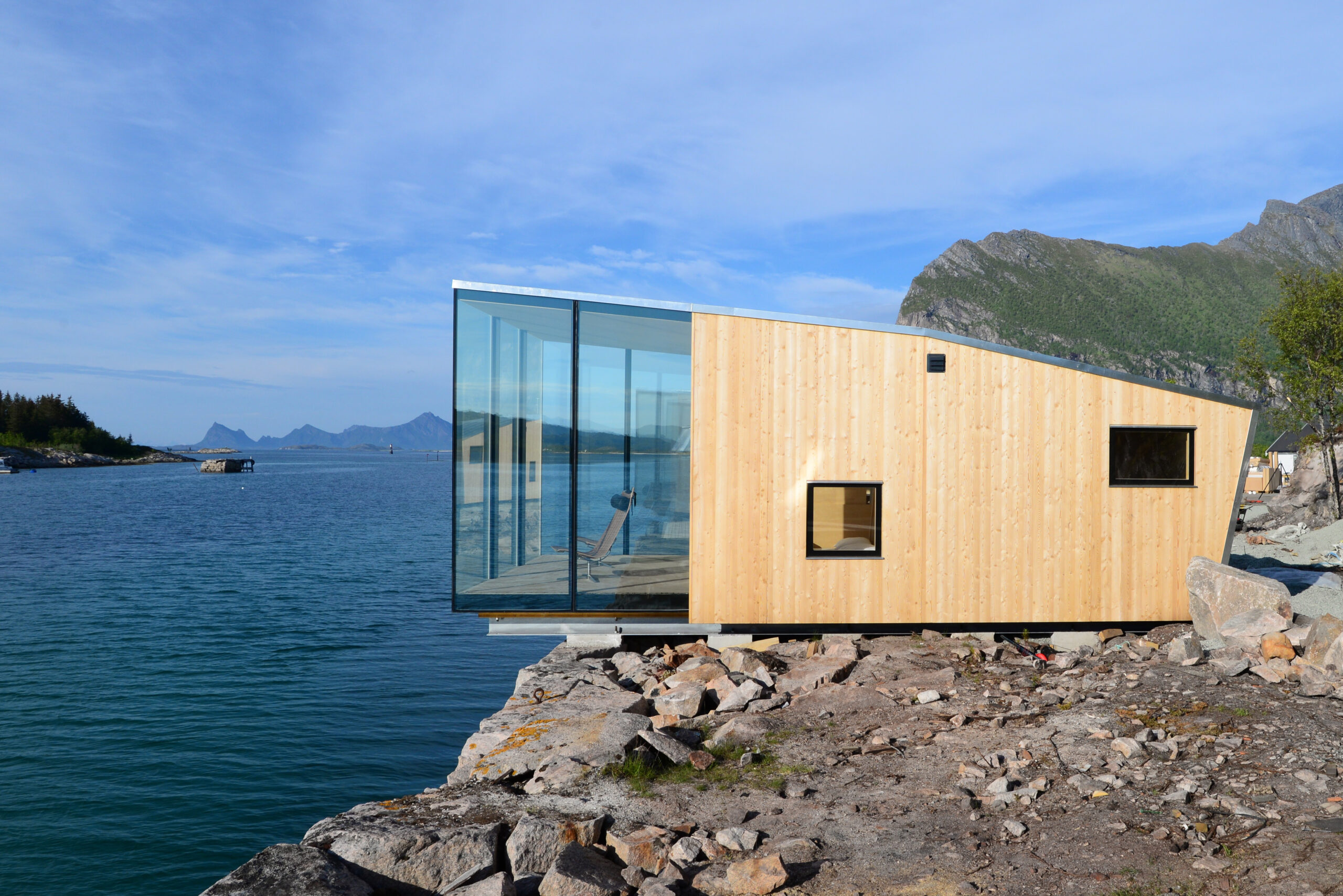
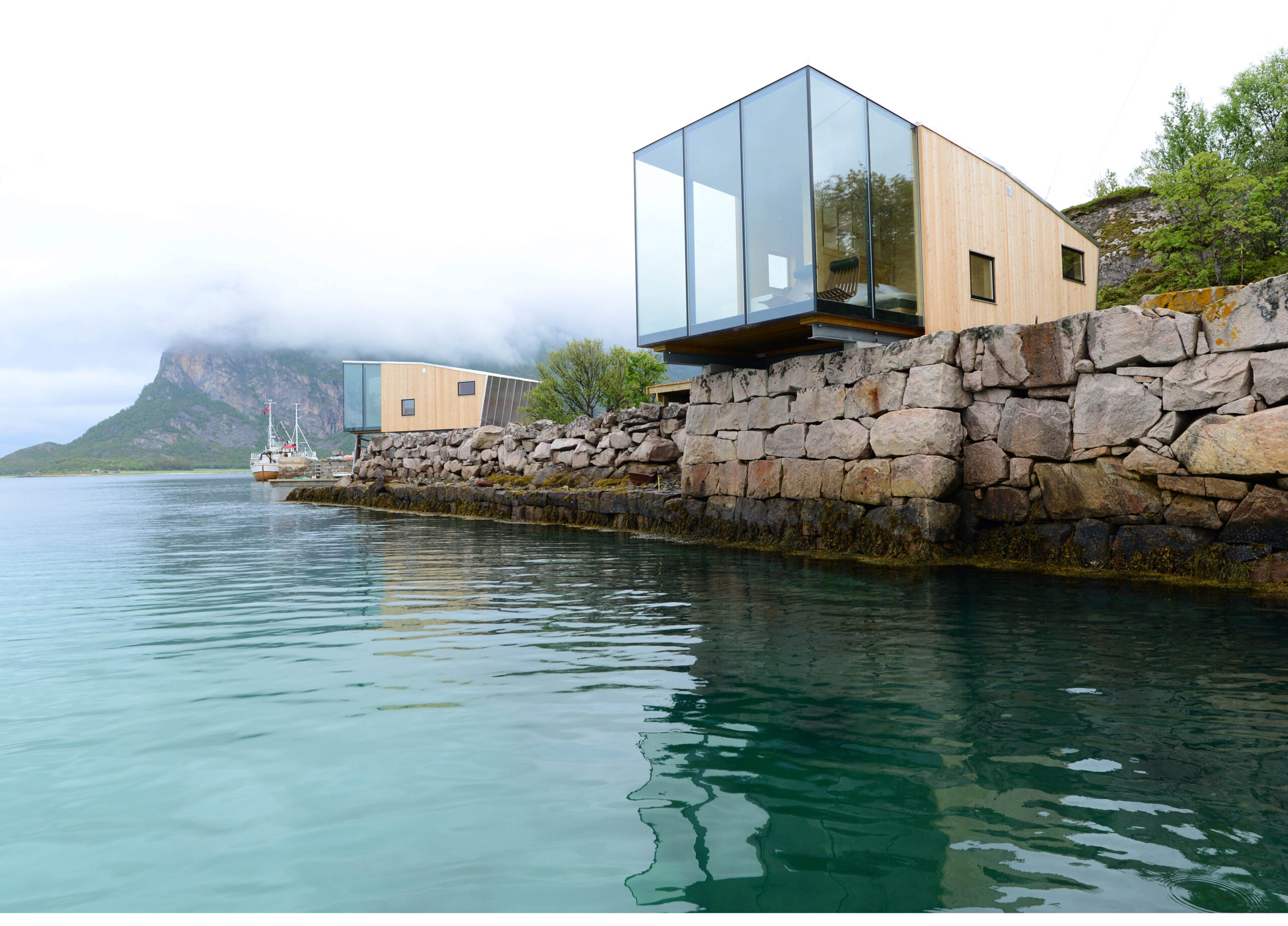 At Manshausen Island Resort, architecture narrows its role to shelter and framing, allowing landscape to dominate the experience. The cabins sit lightly on historic stone quays or rocky shelves, their compact timber volumes opened almost entirely to the sea through expansive panes of glass. These large glazed surfaces are not about transparency as spectacle, but about proximity, placing guests face to face with shifting weather, low Arctic light and the constant movement of water.
Constructed from layered massive wood clad in larch, the cabins age quietly against the elements while interiors remain spare and protective. The project captures a moment when retreat architecture leaned into exposure, trusting glass to mediate between comfort and raw nature rather than separating the two.
When reflection became experience:
Mirrors
By bandesign, Gifu Prefecture, Japan
Jury Winner, Restaurants, 2016 A+Awards
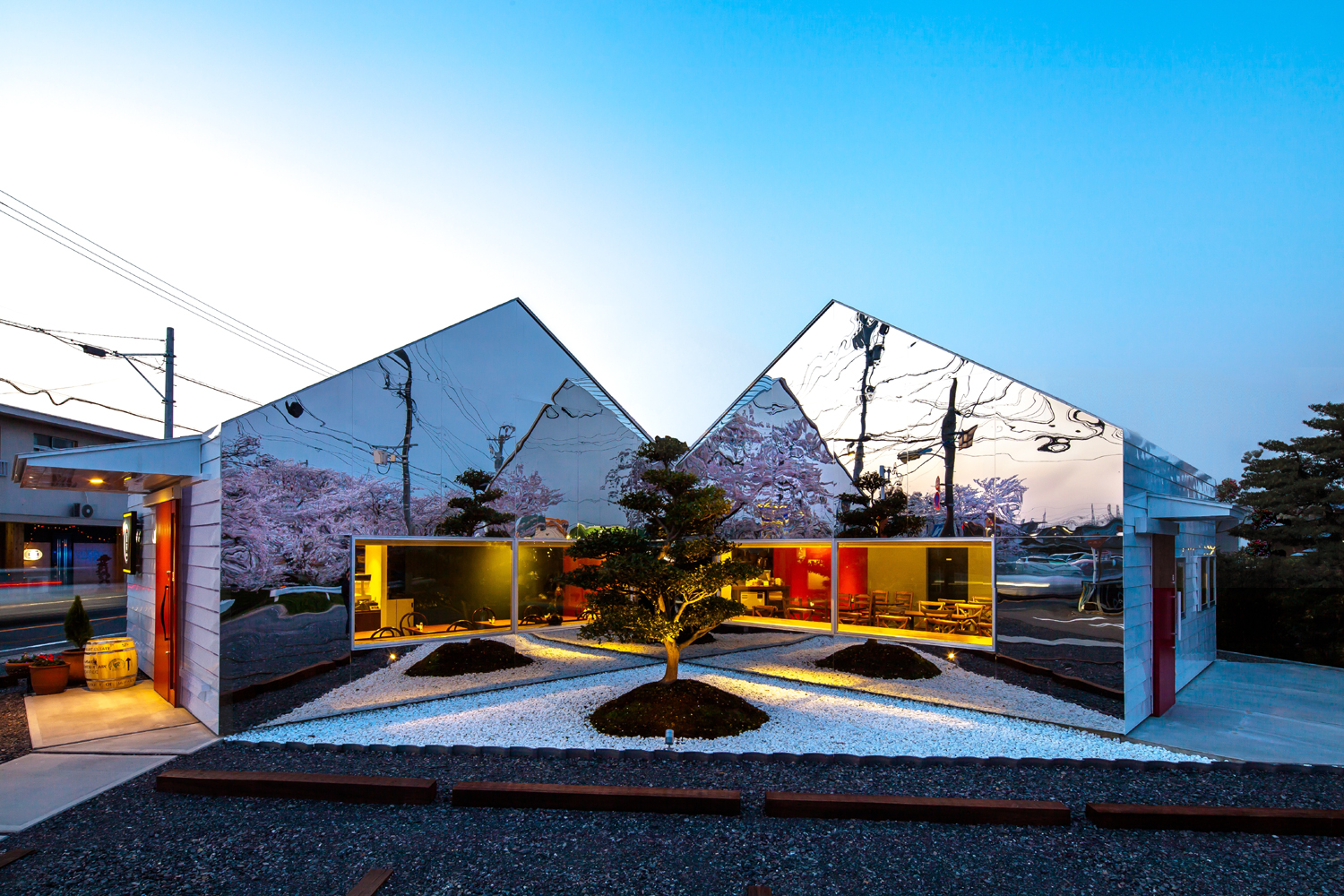
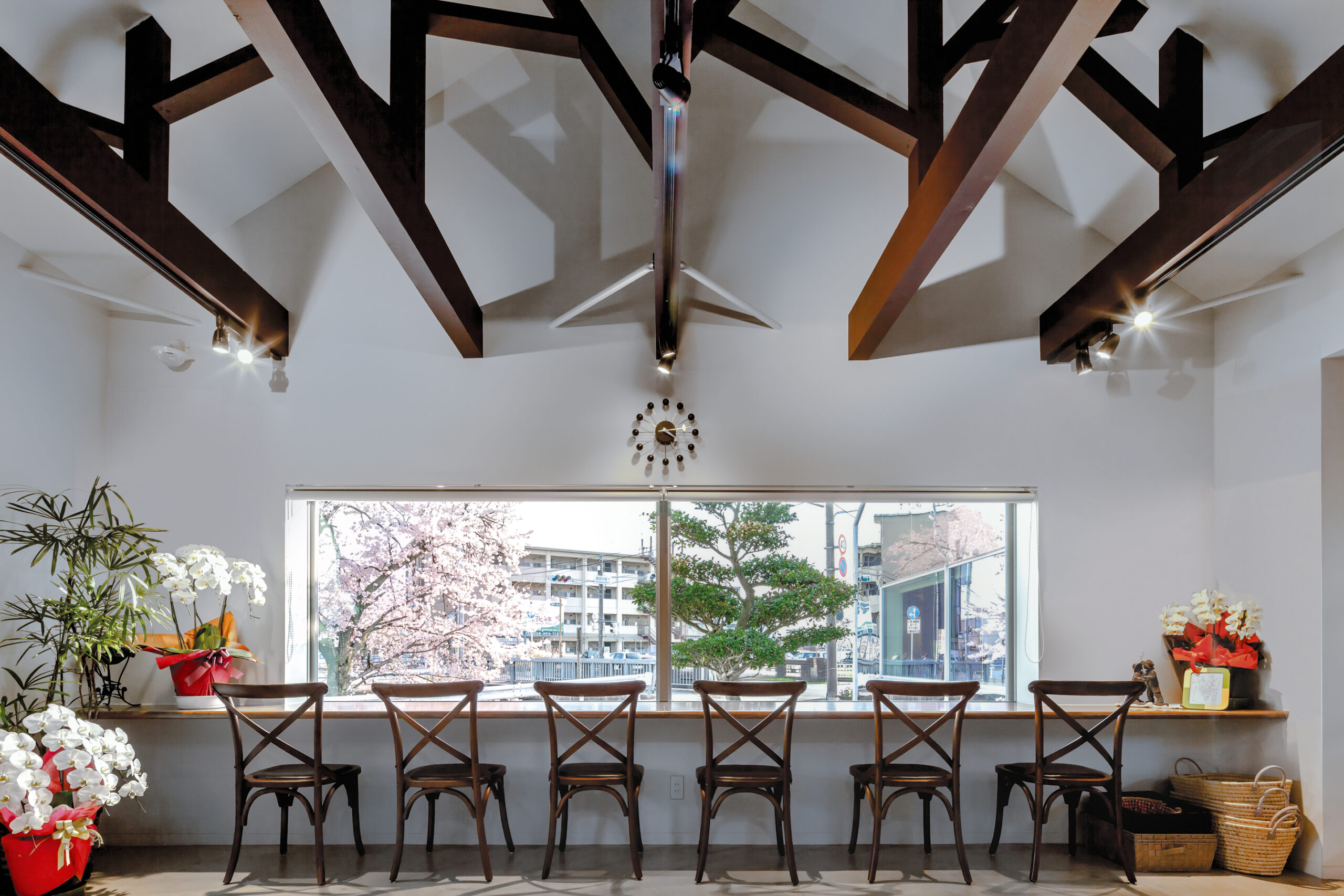 Set along an avenue of cherry trees, Mirrors turns reflection into a spatial device rather than a visual trick. Two angled mirror walls multiply the surrounding blossoms, folding the street into a dense, shifting canopy that changes with light and season. What begins as a café becomes an immersive threshold, where real trees and reflected ones collapse into a single field of color and movement.
Materials stay deliberately restrained — white steel surfaces, gravel underfoot, carefully placed color accents — so that seasonal change remains the focus. Blossoming camellias give way to cherry pinks, marking time through perception rather than signage. The project captures a moment when small-scale architecture leaned on perception, atmosphere and sensory play to transform everyday settings into fleeting, shared experiences.
When circulation shaped the building:
TERMEH Office – Retail Building
By Ahmad Bathaei and Farshad MehdiZadeh Design | FMZD, Hamadan, Iran
Jury Winner, Office – Low Rise (1 – 4 Floors), 2016 A+Awards
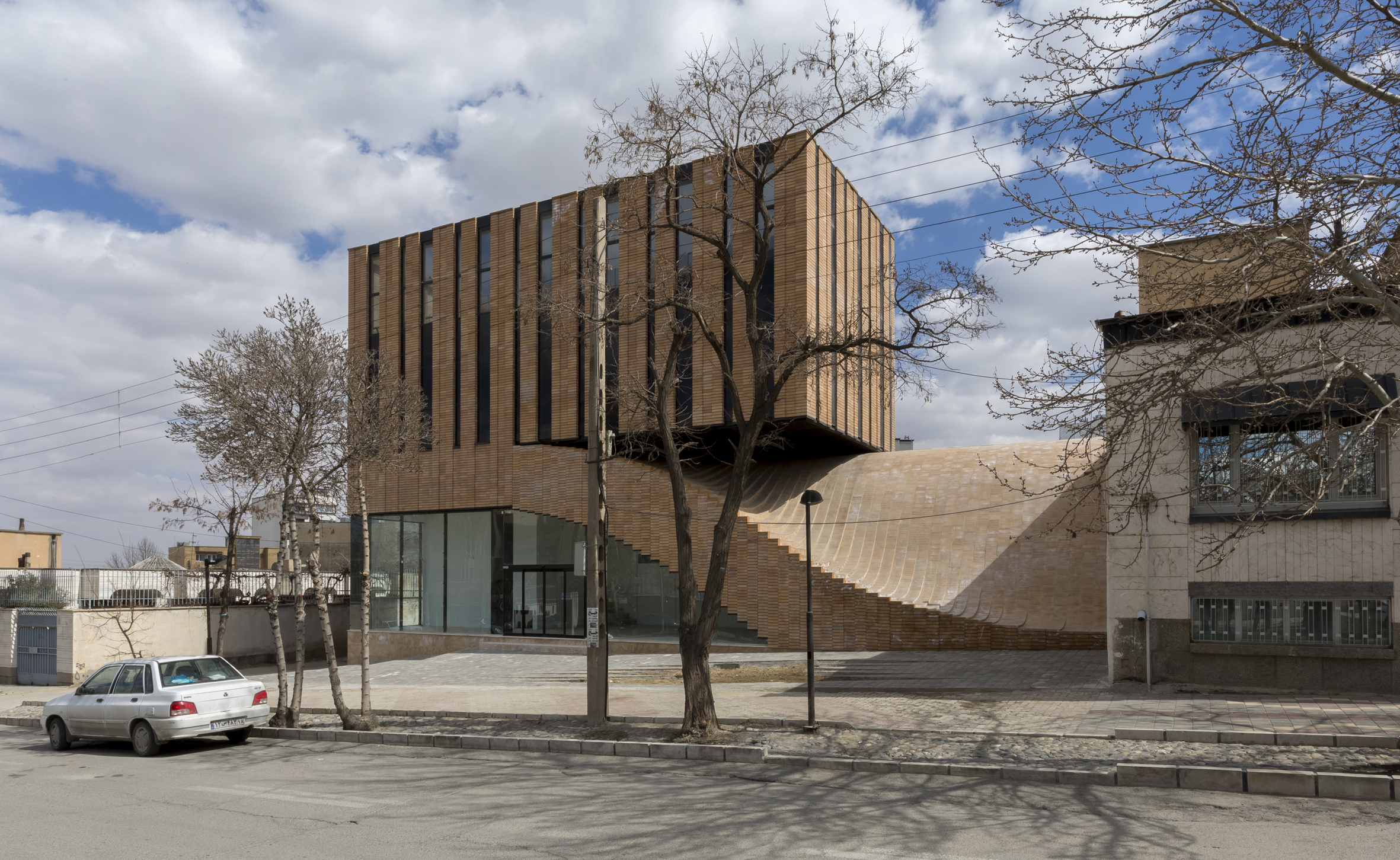
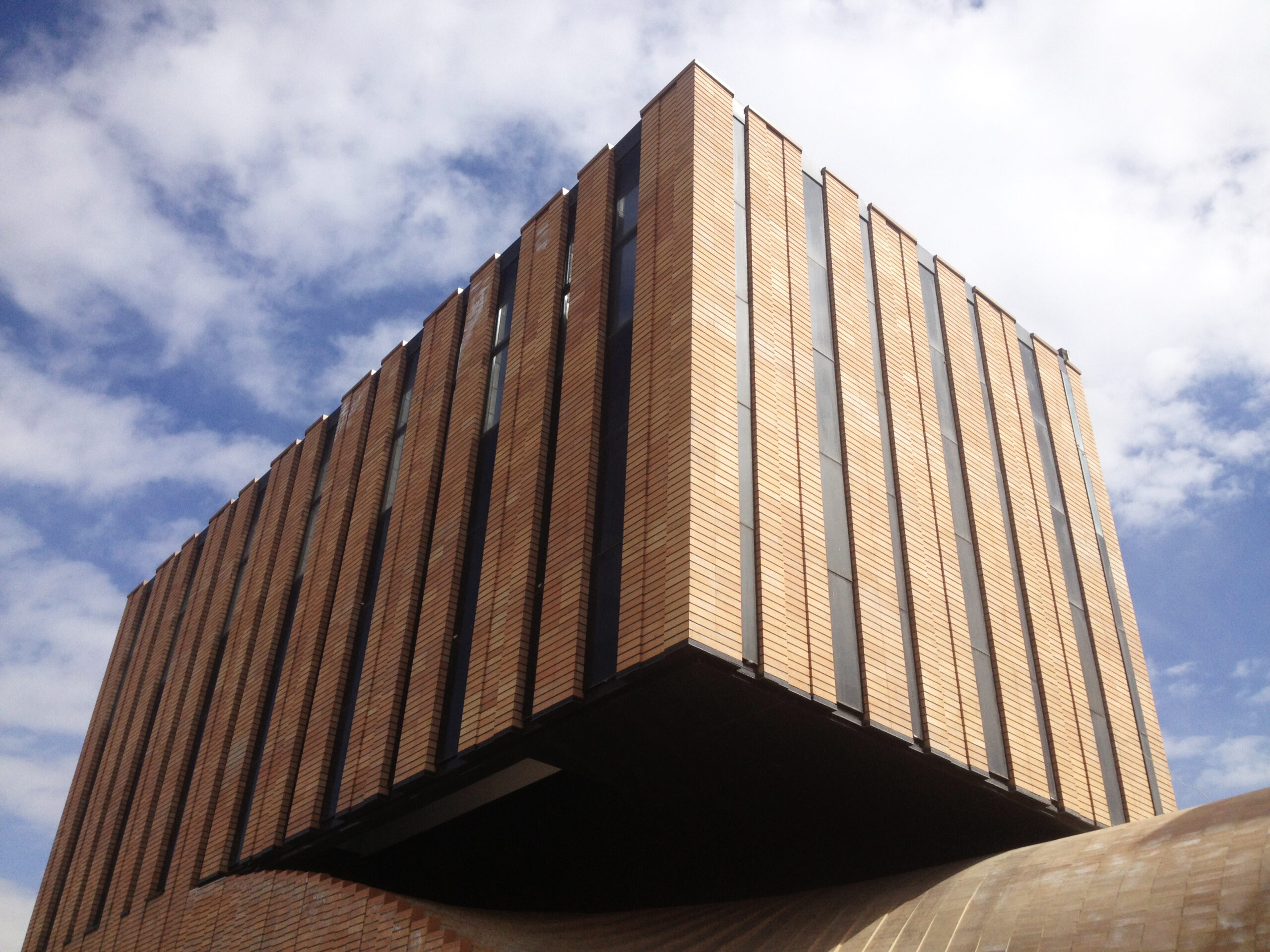 The TERMEH building treats movement as its primary architectural driver. Positioned along one of Hamedan’s key urban axes, the project separates retail and office functions while giving each a direct relationship to the street. A thickened slab becomes the central gesture, folding downward to form a stair that lifts the office into view and use from the public walkway.
Light and planted space are drawn into the interior through a vertical void, softening the transition between levels. The exterior is wrapped in patterned local brick, filtering daylight while grounding the building in familiar construction language. The result is a compact urban structure shaped by access, circulation and layered public presence rather than formal display.
Architects: Want to have your project featured? Showcase your work by uploading projects to Architizer and sign up for our inspirational newsletters.