Architizer's diverse jury of global experts is currently reviewing submissions to the 14th A+Awards! Sign up to receive updates on Public Voting and spring winner announcements.
When one sees the words France and balcony together, a specific image comes to mind: wrought iron railings, a pair of doors that might not open all the way and just enough room to lean out with a coffee or a cigarette (in the true spirit of the French). While we all love the charm of a classic French balcony, France also excels at larger terraces with a real presence and more versatile uses (though some might argue that the original French balcony serves its purpose just fine).
From wide planted platforms and stepped rooftops to deep loggias and layered facades, these outdoor spaces are no longer just decorative. They’re functional, generous and central to the architecture. To capture that shift in scale and intent, this collection features nine projects across the country where terraces shape the building, frame the view and give users room to live beyond the walls.
Emblem
By Hamonic+Masson & Associés, Lille, France
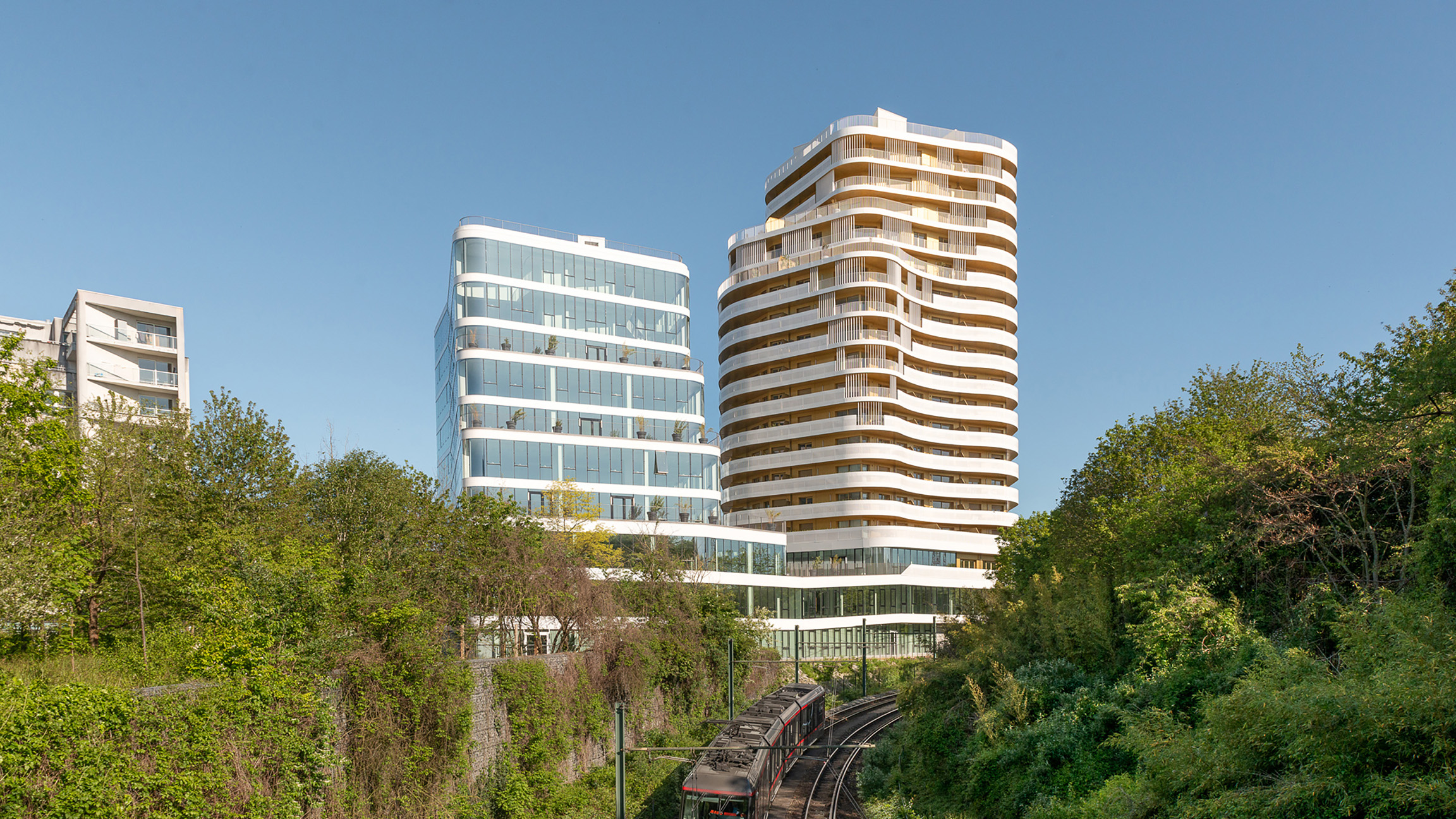
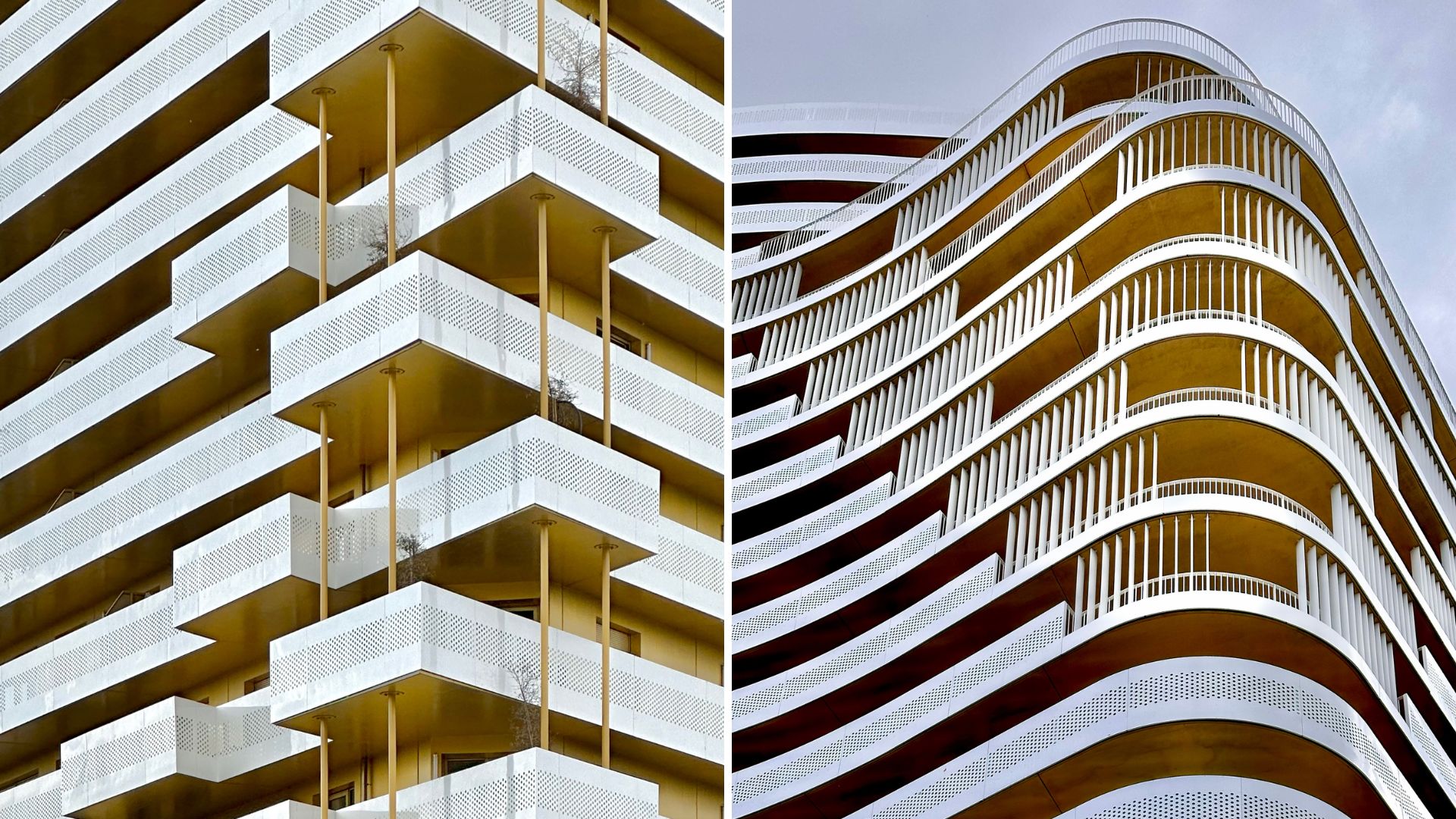


These terraces extend the apartments and provide shade, airflow and outdoor space throughout the tower. The perforated metal screens filter light and add a fine texture to the curved façade. Finished in an earthy tone, the balconies pick up on the colors of the nearby park and local buildings. They shape how the tower is seen from a distance and how it is experienced by the people living inside.
ARBORESCENCE
By WY-TO Group, France
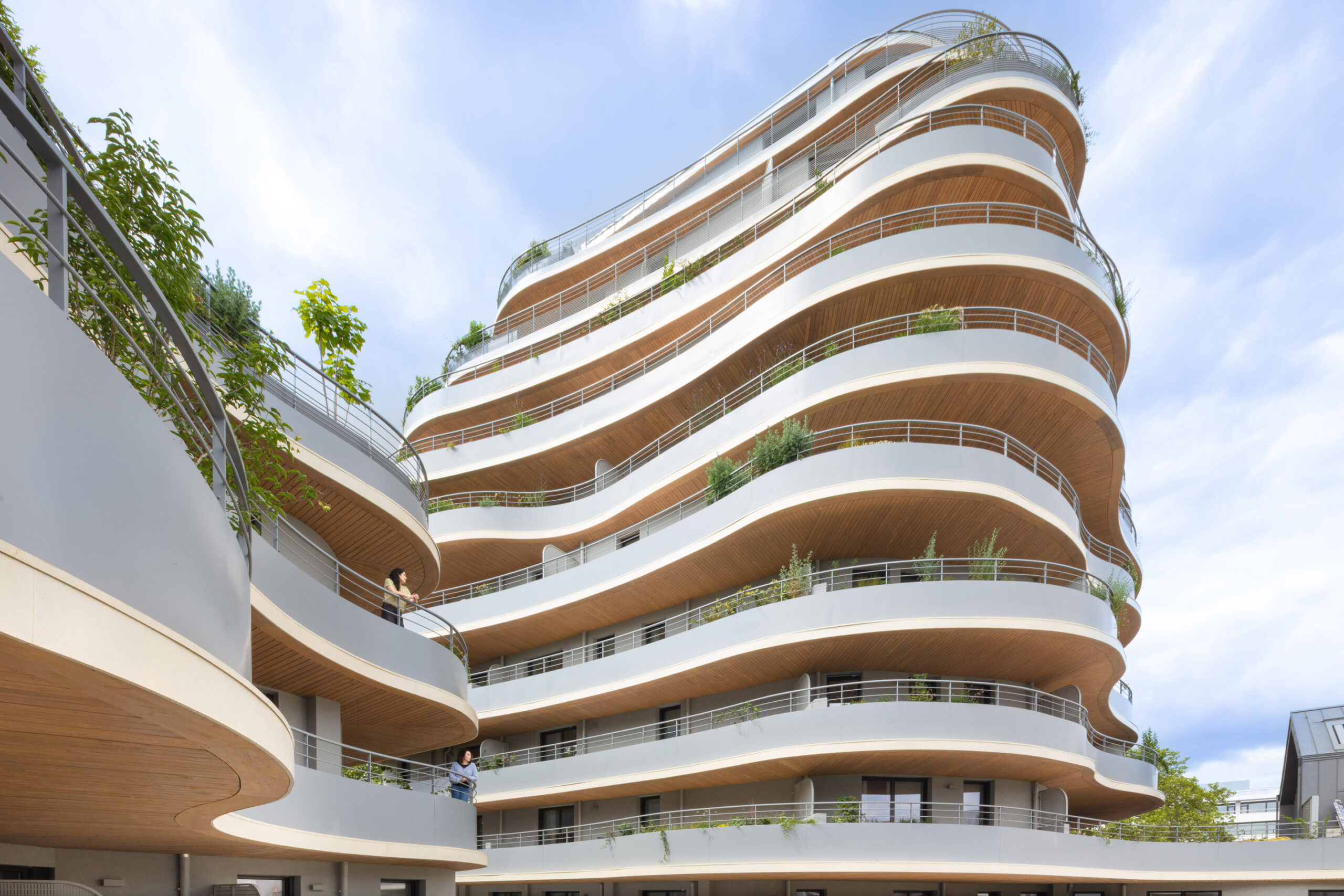
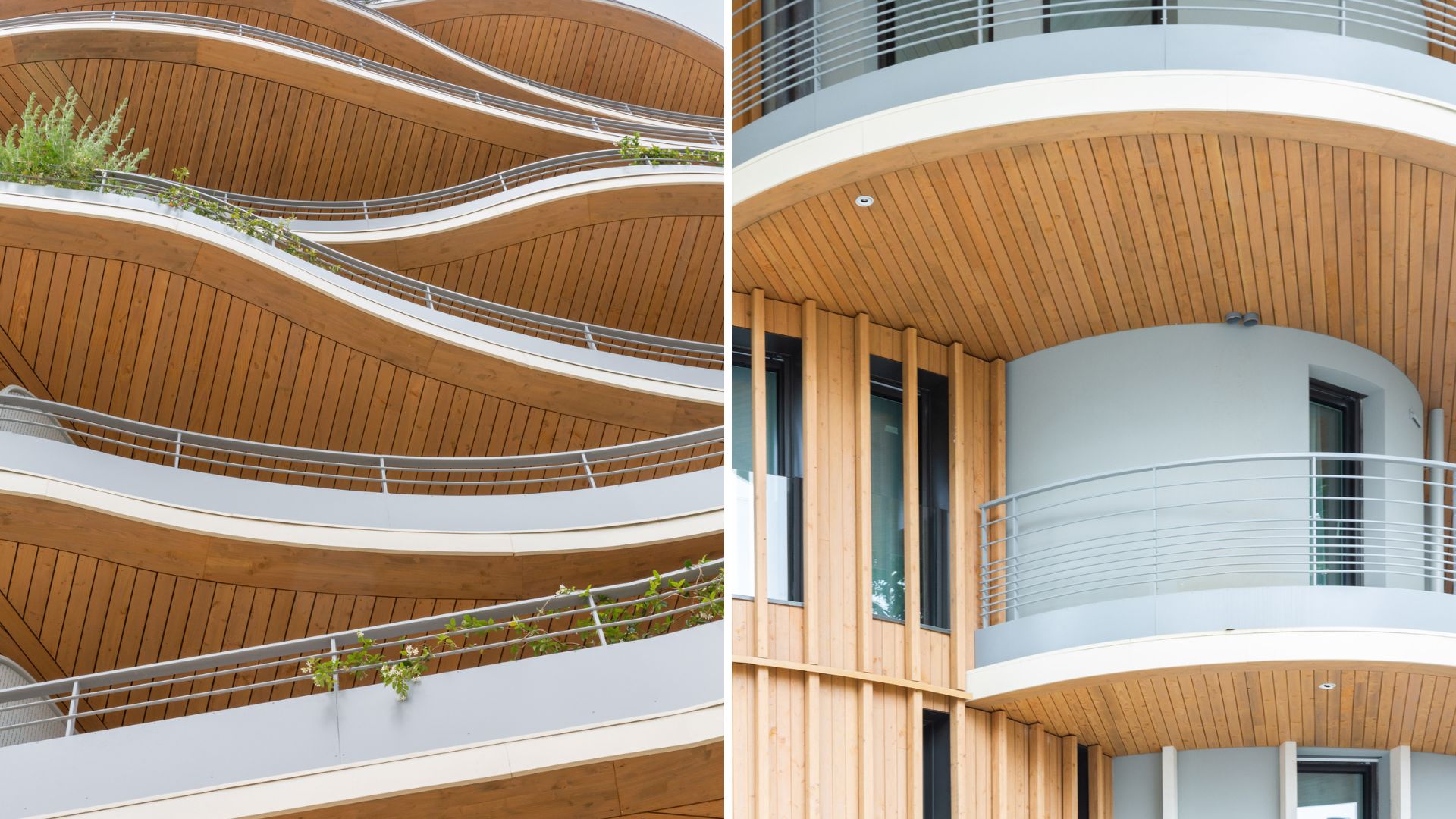

Terraces define the project’s identity. They shift and grow across the façade like branches, shaped by wind and light. Deep planters and green edges soften the concrete and create privacy without closing residents off from their surroundings. These outdoor spaces add texture and variety, offering different ways to live with the seasons.
The building wraps around a planted courtyard, where shared spaces and gardens bring people together. Every unit opens to light, air and views of the evolving landscape.
Apartments in Illkirch – Graffenstaden
By tectône architectes, France
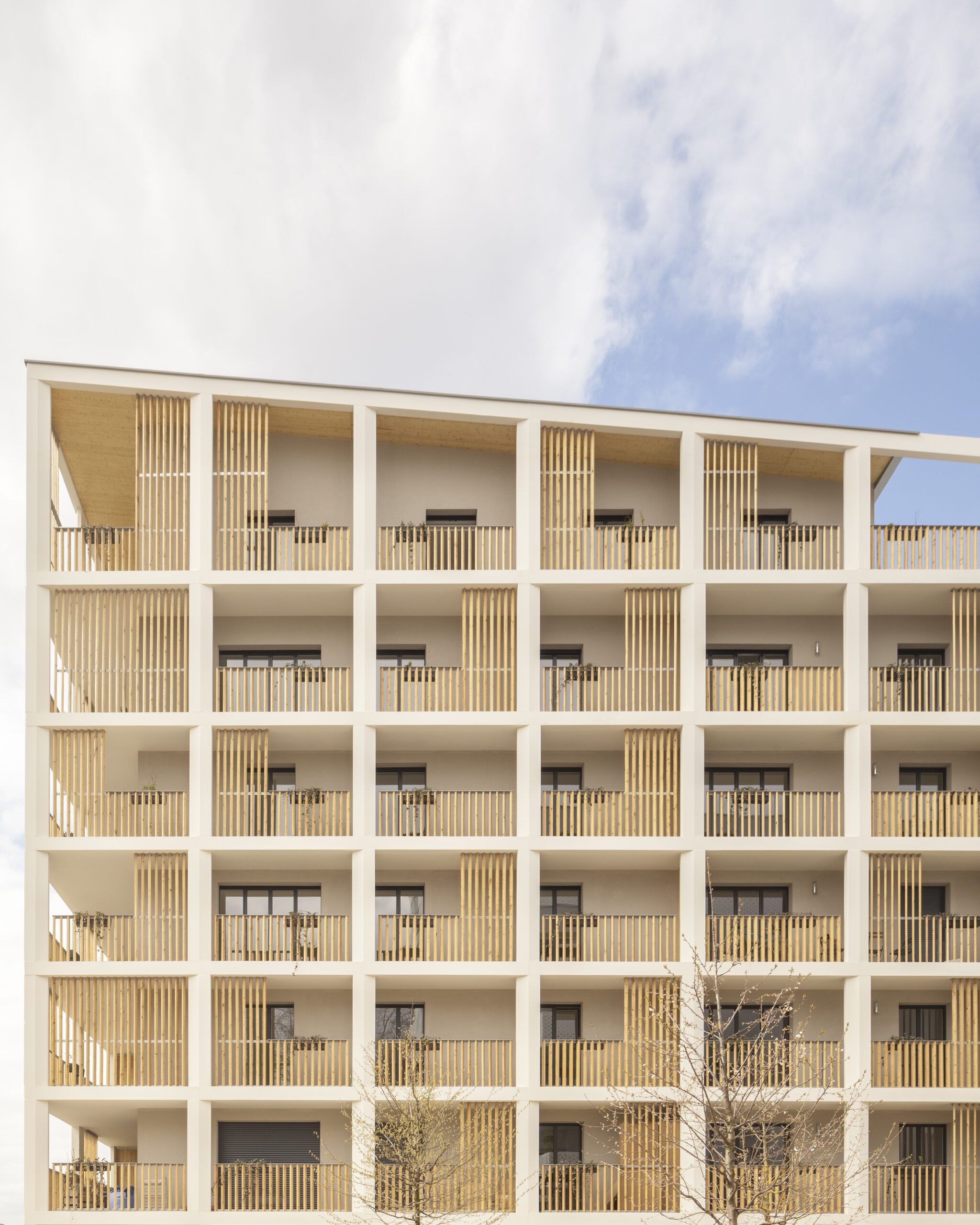

Each of the 31 apartments includes a private loggia, framed by a concrete exoskeleton that wraps the entire building. These terraces act as sheltered extensions of the interiors, offering fresh air and outdoor space while preserving privacy. Beveled pillars and wooden guards filter views and sunlight, giving the façade a quiet rhythm. A shared rooftop terrace crowns the building, offering residents a place to meet, relax or enjoy the surrounding trees from above.
L’Arboretum
By Leclercq associés, Nanterre, France
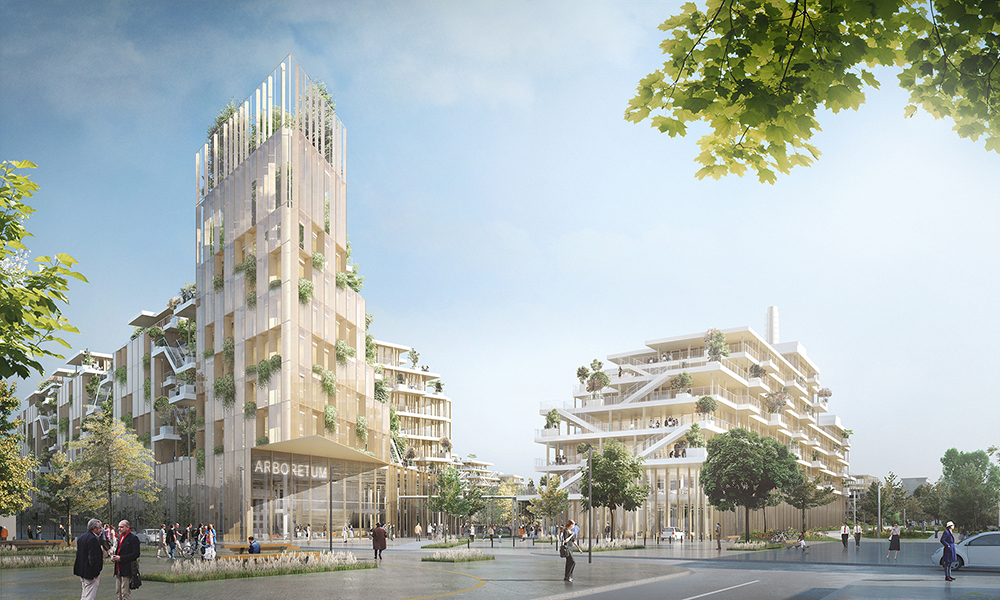
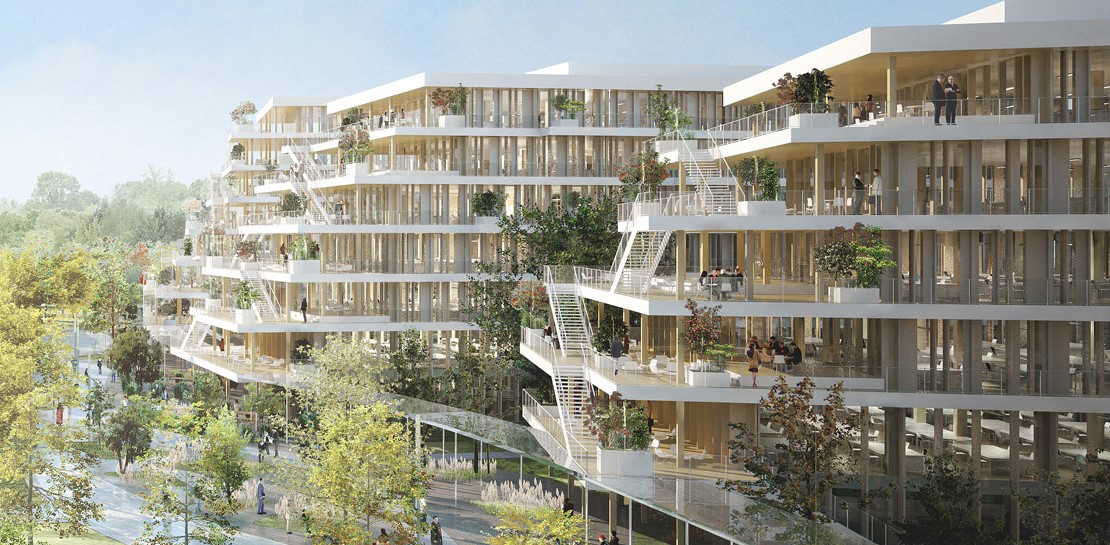


Terraces play a key role in the campus design. Every office opens onto outdoor extensions — some for meetings, some for quiet work, others simply for fresh air. These planted spaces vary in size and purpose but all support a connection to the surrounding landscape. The scent of wood, access to light and changing views offer a calmer work rhythm. Together, the terraces and gardens bring nature into the workday without losing sight of the site’s industrial past.
Tale of Transformation La Fantaisie Hotel, Paris
By PETITDIDIERPRIOUX, Paris, France
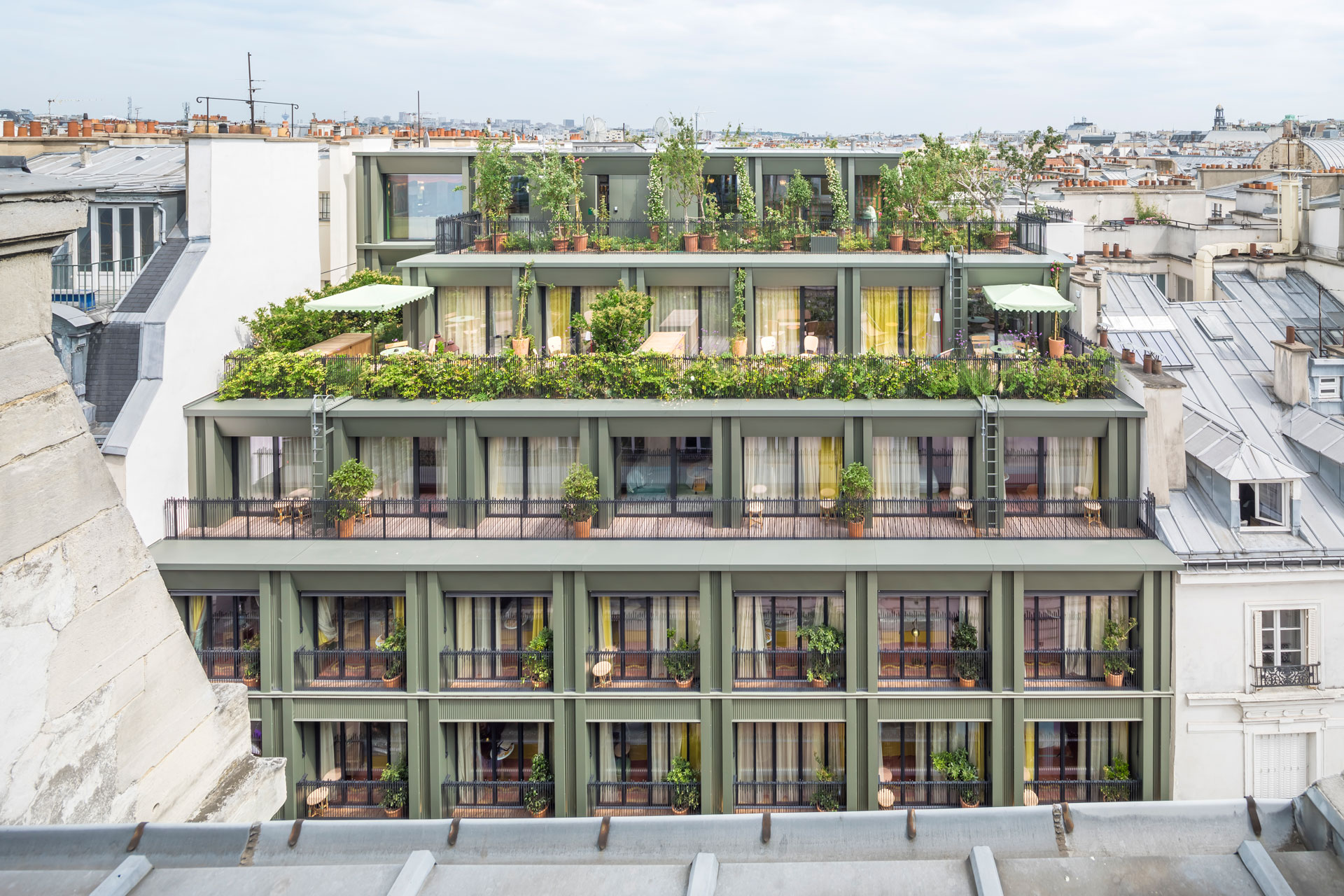
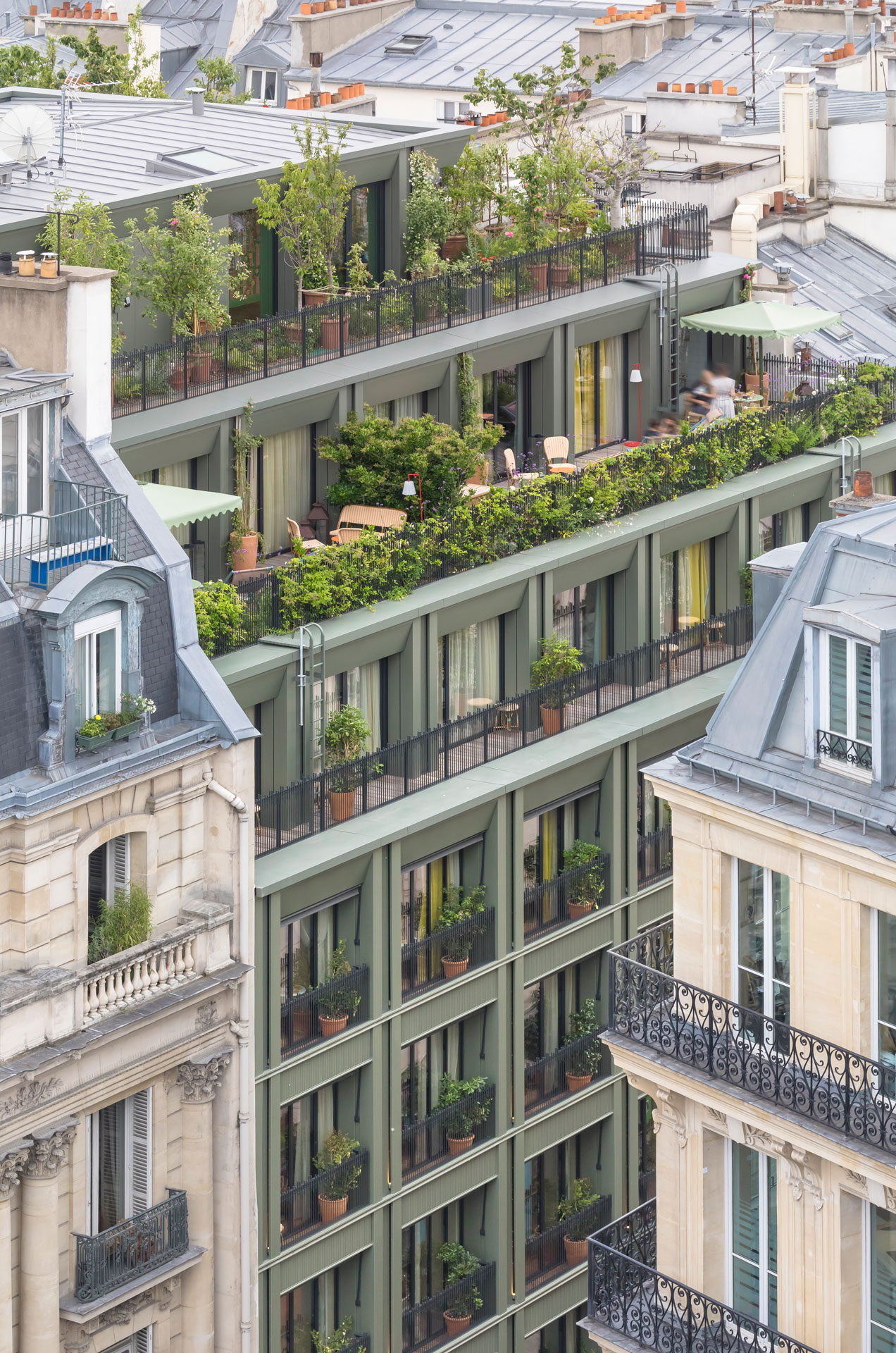


These outdoor spaces extend the hotel experience beyond the rooms, offering guests a quiet place to pause, read or have a coffee. The terraces connect directly to a ground-level restaurant beneath a wide glass roof, where diners overlook dense plantings that change with the seasons. More than a simple refresh, the project is shaped by a clear goal: to give city guests a reason to slow down and step outside.
Tolbiac Apartments
By Atelier Architecture Vincent Pareiram, Paris, France
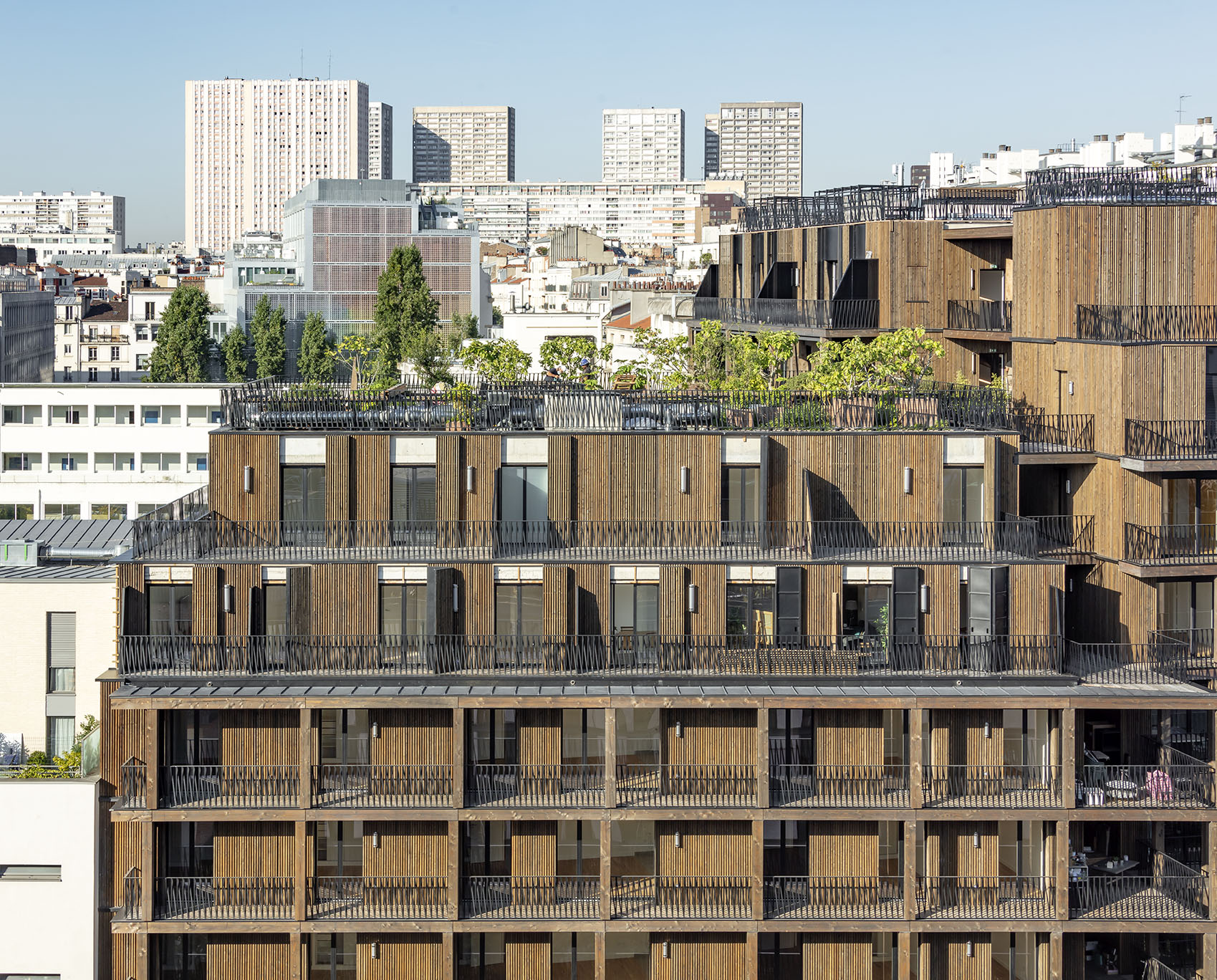
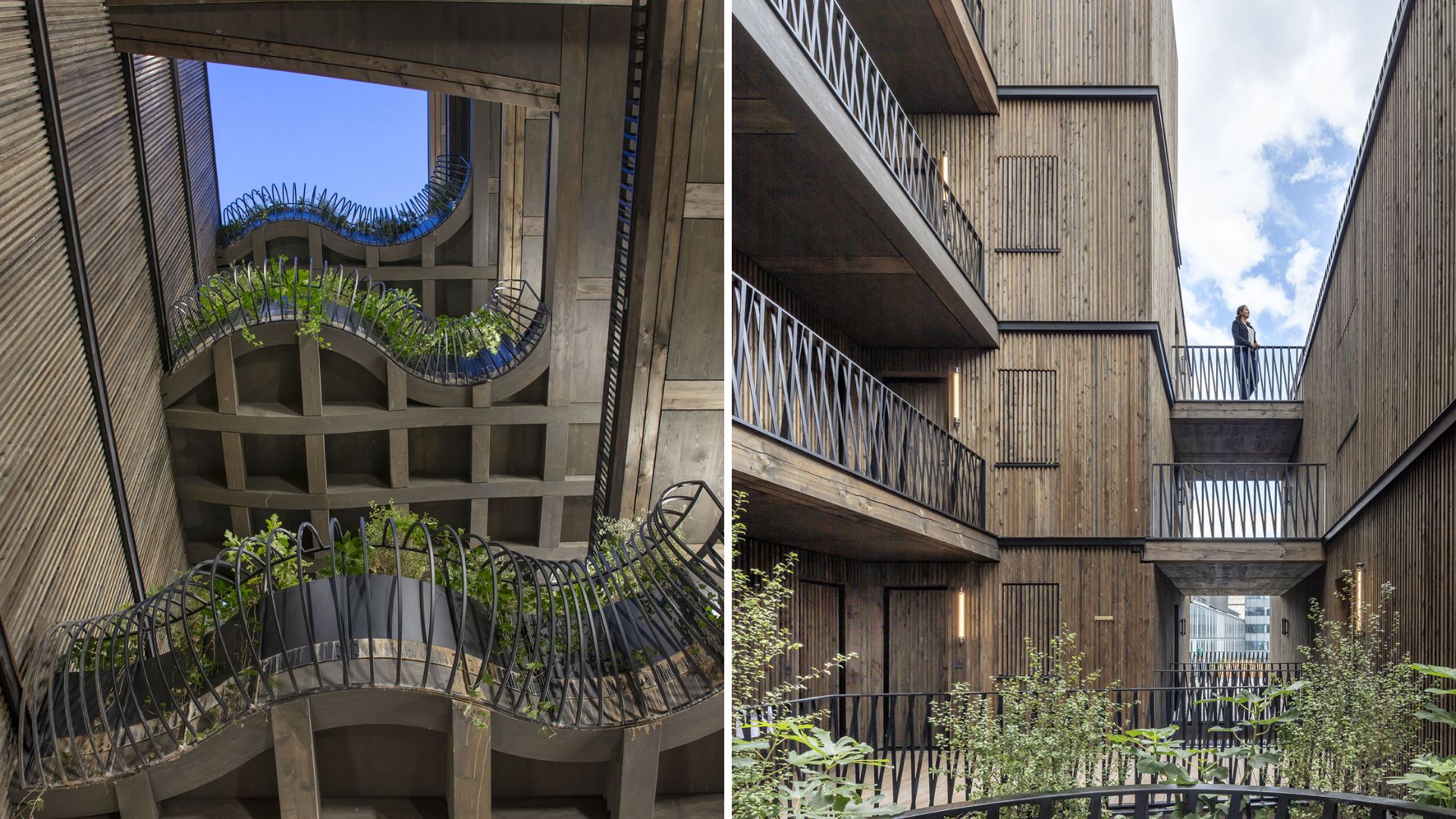

These balconies are not just repetitions however as they they shift slightly on each floor, expanding outward as the building rises. This subtle movement increases outdoor space and creates a rhythm that softens the scale of the concrete and timber structure. On the courtyard side, shared terraces and raised walkways link the blocks, offering spaces to gather, rest or look out over the city. A rooftop garden completes the network, giving all residents access to the Paris skyline.
I Park
By NBJ architects, Montpellier, France
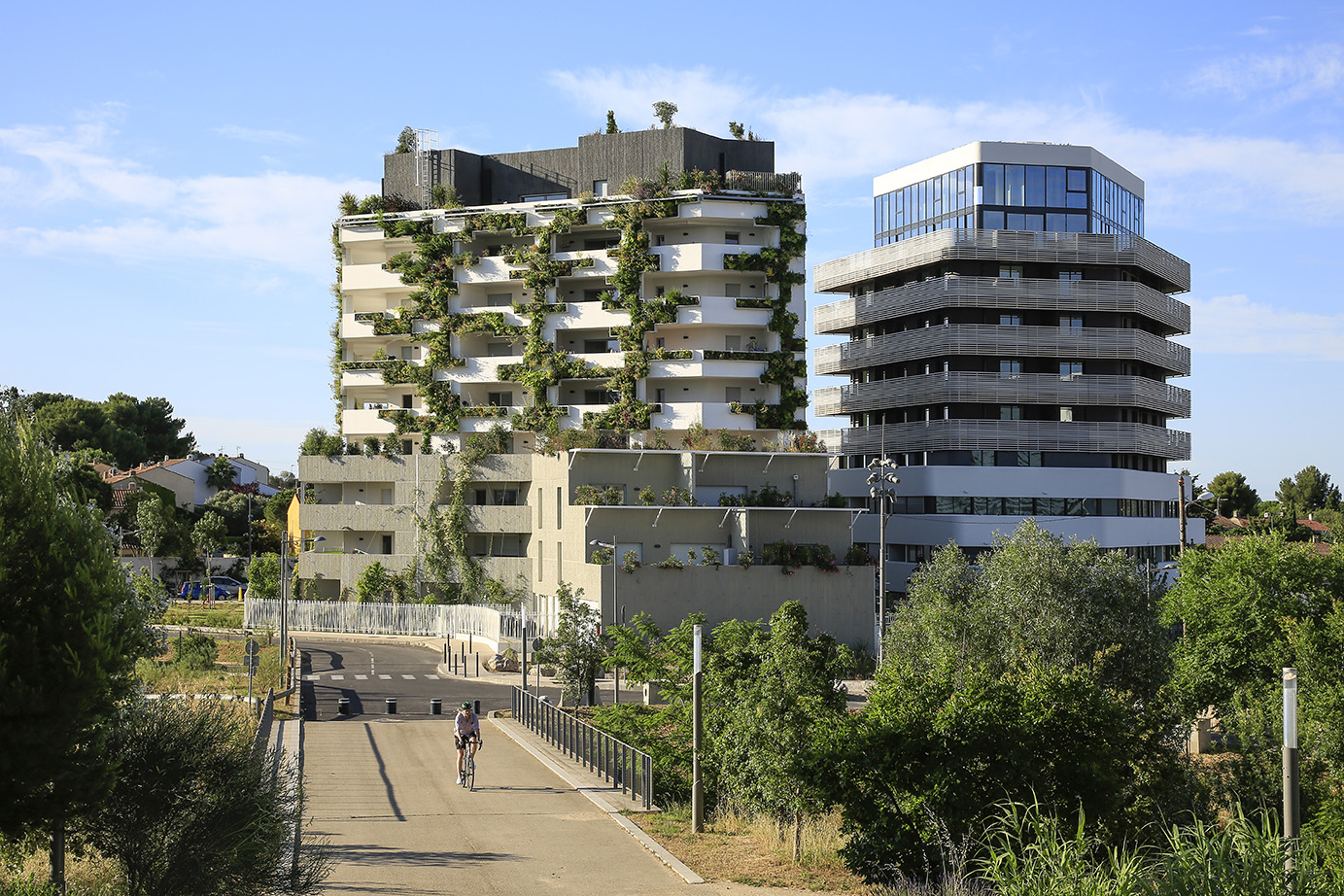
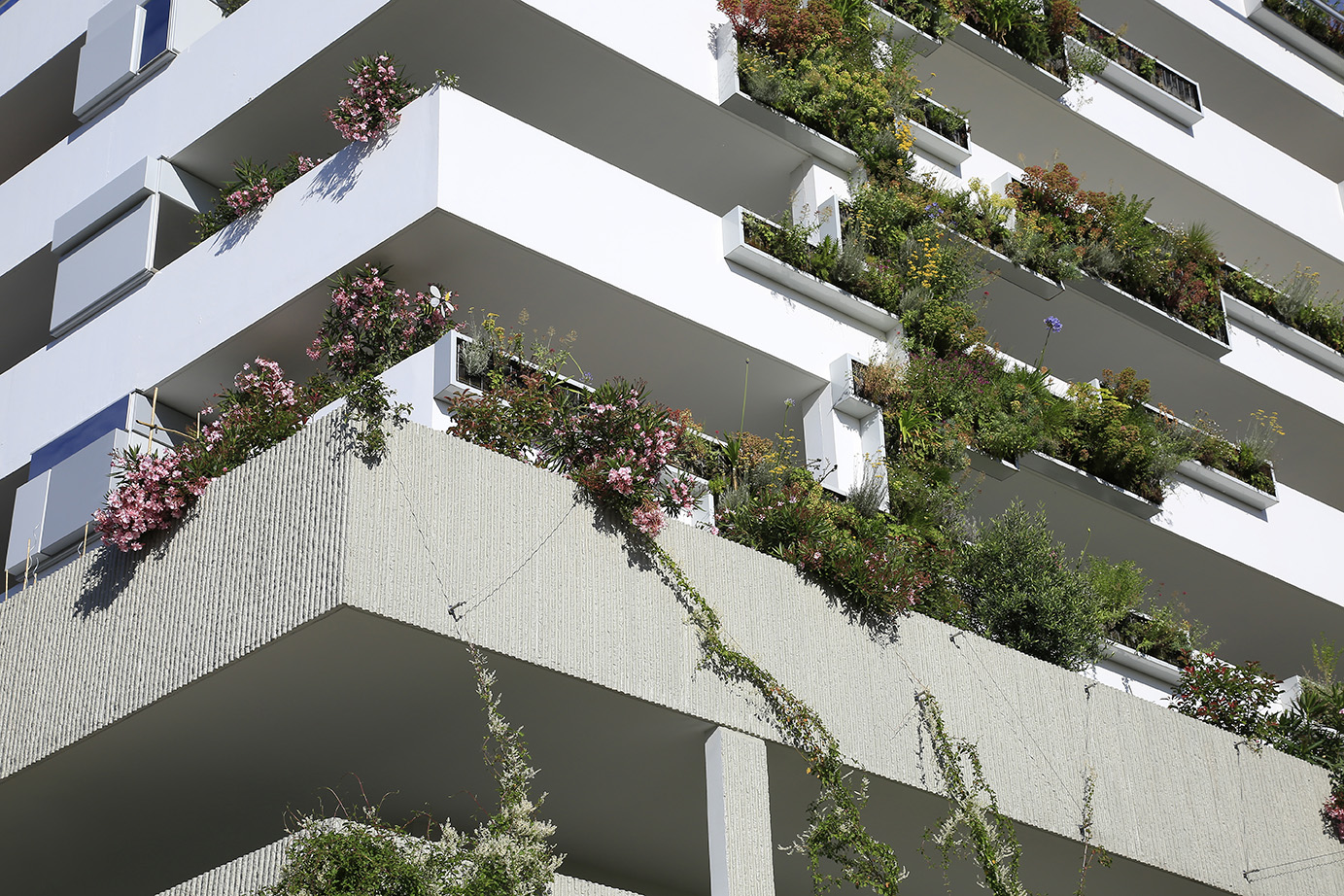

Terraces are central to the design. Every apartment opens onto an outdoor space, with planted façades that bring greenery to the edges of each floor. These terraces vary in depth and layout, shaped by solar exposure and wind conditions. The result is a building that reads like a series of stacked gardens.
Designed in close collaboration with local specialists, the project uses vegetation not as decoration, but as an essential part of daily comfort. The terraces make space for both privacy and connection, shaped by climate and site.
Ateliers Vaugirard
By Hamonic+Masson & Associés, Paris, France
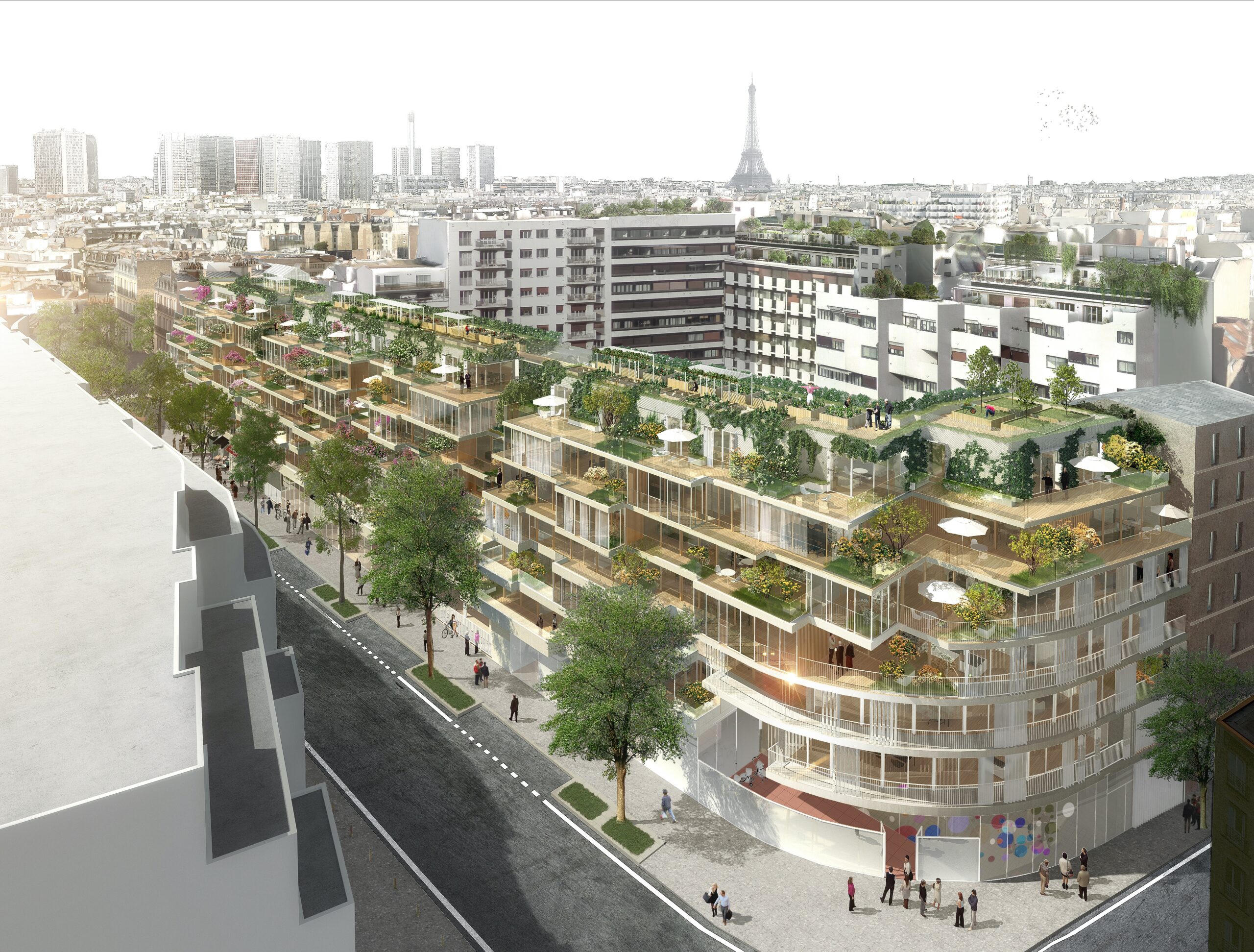

Terraces are wide and deep, averaging 215 square feet (20 square meters) per unit. These outdoor spaces give residents room to grow plants, eat outside, or simply pause between indoors and out. The planted terraces also act as visual filters, softening views between neighbors and creating a layered edge to the street. Above, the skyline rises and dips. On the ground, shops and public paths invite life to spill into and around the building.
BEAUPASSAGE
By Franklin Azzi Architecture, Paris, France
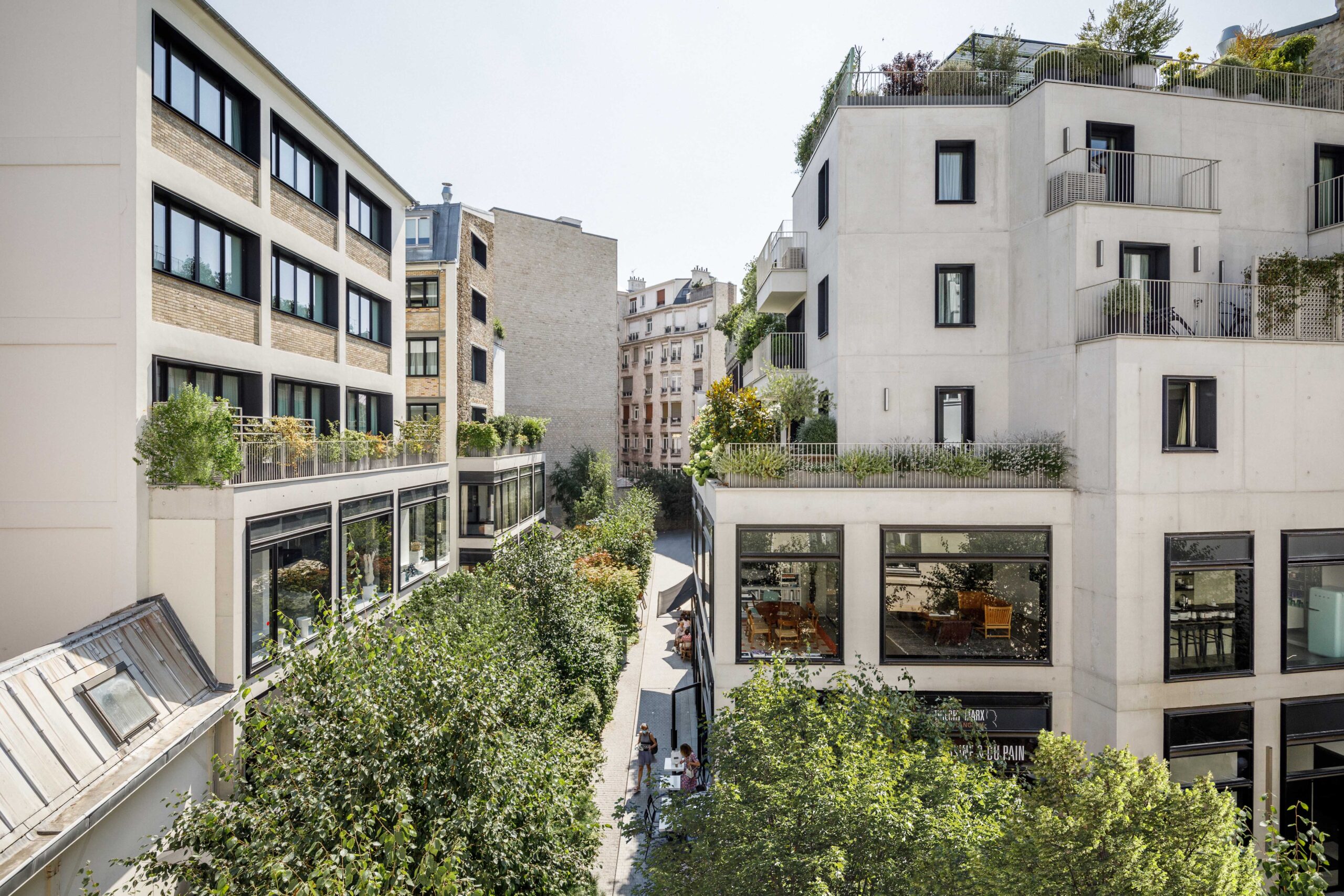
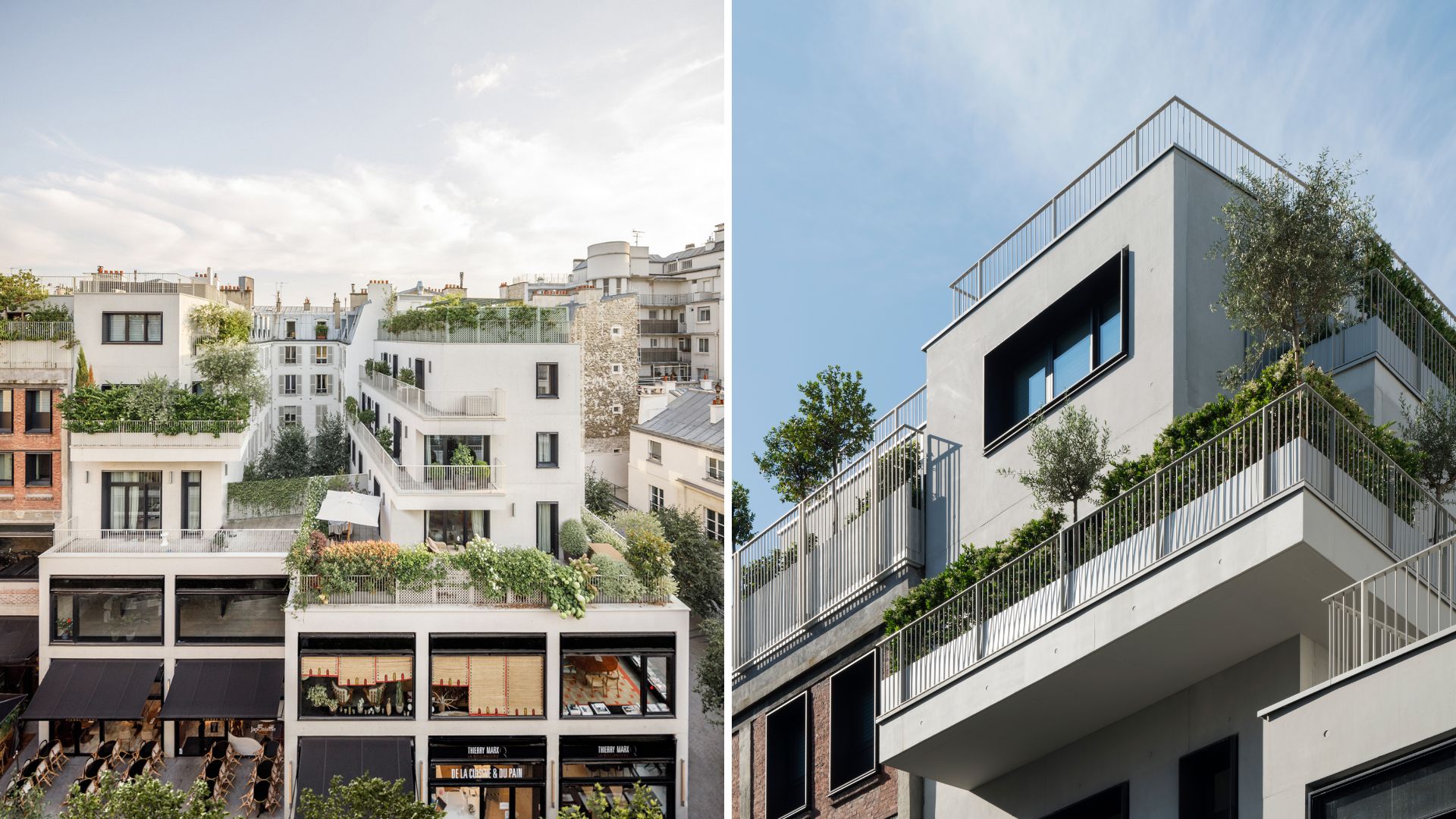
Terraces are carved into the architecture with precision. Inserted between existing frames and new additions, they act as quiet thresholds between the homes and the city. These outdoor spaces vary in scale, responding to the irregular geometry of the site. Some open to shared courtyards, others are tucked above street level, catching light where it falls.
The project stays close to the original materials and proportions, using terraces to invite daily life into a place long kept out of view.
Architizer's diverse jury of global experts is currently reviewing submissions to the 14th A+Awards! Sign up to receive updates on Public Voting and spring winner announcements.