
Architects: Want to have your project featured? Showcase your work by uploading projects to Architizer and sign up for our inspirational newsletters.
Modular construction offers a systematic yet surprisingly expressive building method. While we often think of standardized, interchangeable elements as limiting when it comes to achieving a rich architectural language, their underlying logic is much like that of Lego building blocks: simple, stackable, and endlessly repeatable. However, Legos also speaks to creativity. While repetition and simplicity are the foundation of modular construction, this system can potentially extend far beyond structural composition.
In educational settings, in particular, modular construction also proves to be pedagogical, supporting programmatic clarity and creating flexible, stimulating spaces that promote effective education and adapt to the evolving needs of schools.
The projects presented here show that modular design is a versatile framework capable of supporting diverse architectural languages, from timber-and-steel hybrids to concrete cassettes, regional wood systems and mass-timber kits of parts. These examples illustrate that when modular construction is thoughtfully combined with other building methods, it can produce an architecture that is rich in form, material and identity while streamlining construction timelines, reducing waste, enhancing performance and maintaining effective cost control.
Modular construction is an effective building solution that enables schools to adjust to the rapidly changing student populations typical of fast-growing and densifying communities. It allows for the expansion or replication of a model with minimal disruption while preserving a cohesive architectural identity.
Finally, these examples show that modular schools are just as capable as traditionally built educational facilities of extending their role beyond teaching, becoming civic centers that add value to neighborhood life.
Xiangshan International Kindergarten
By Yang Ying Design Studio, Changsha, China
Jury Winner, Sustainable Institutional Building, 13th Architizer A+Awards
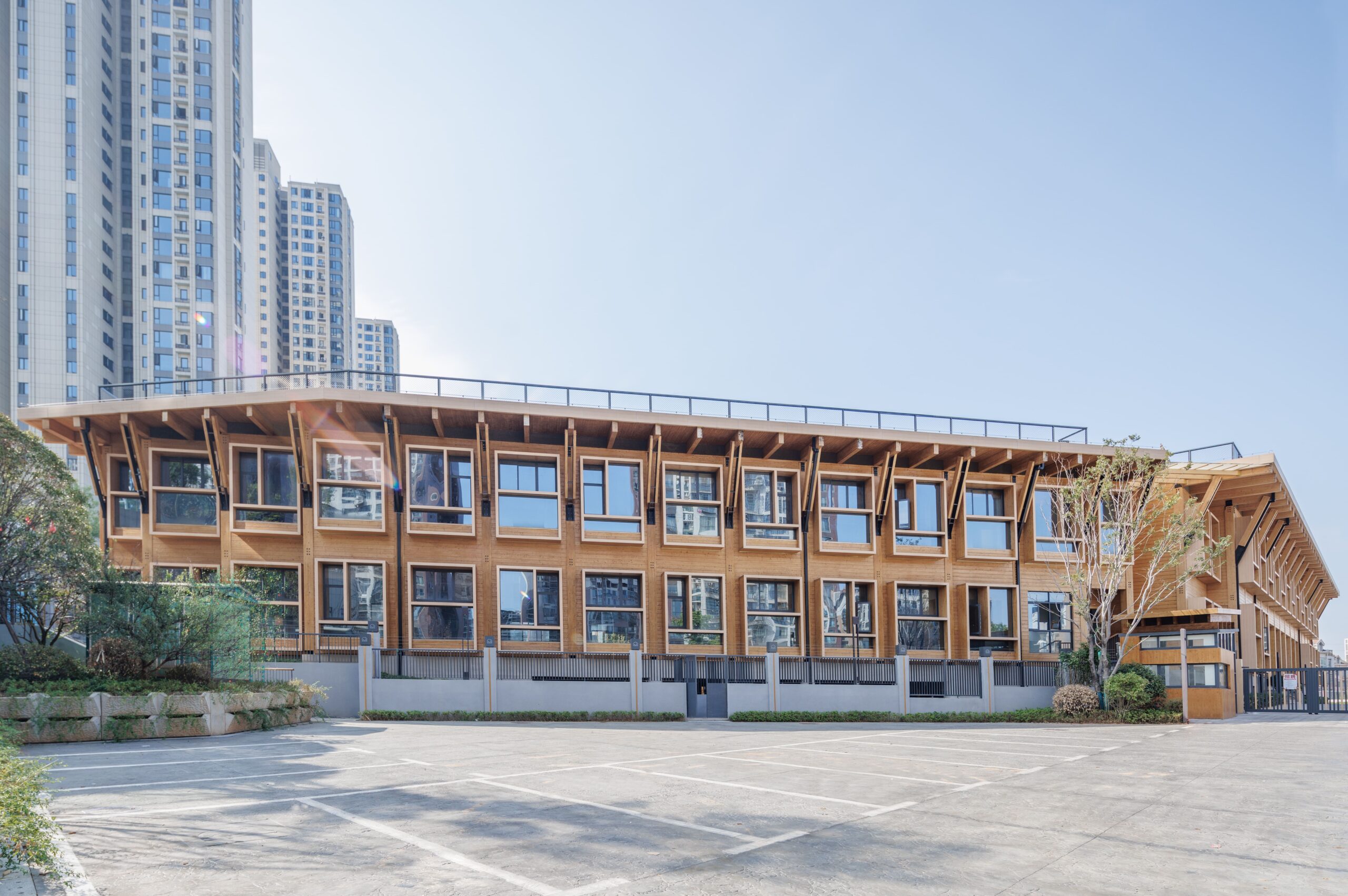
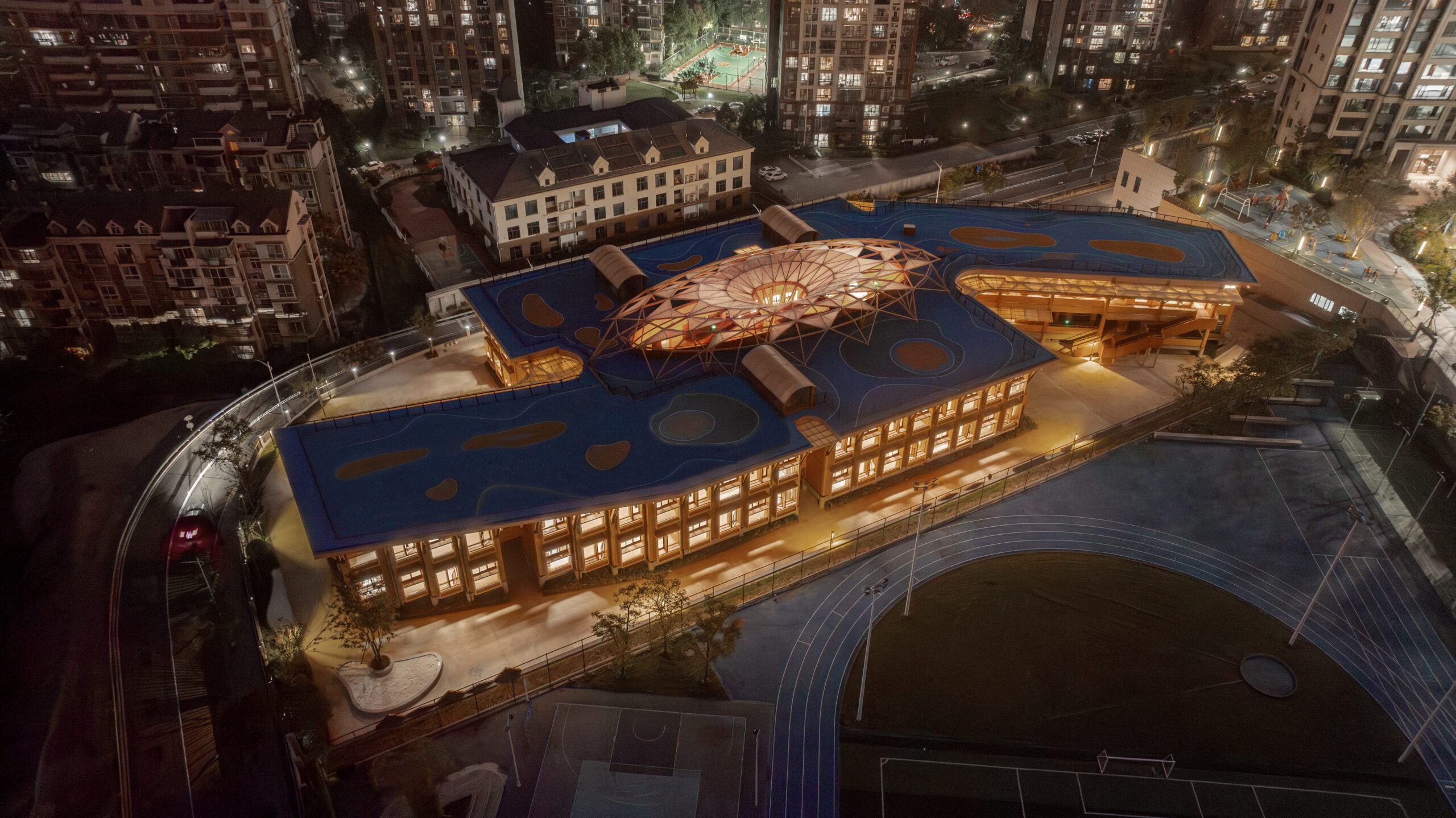
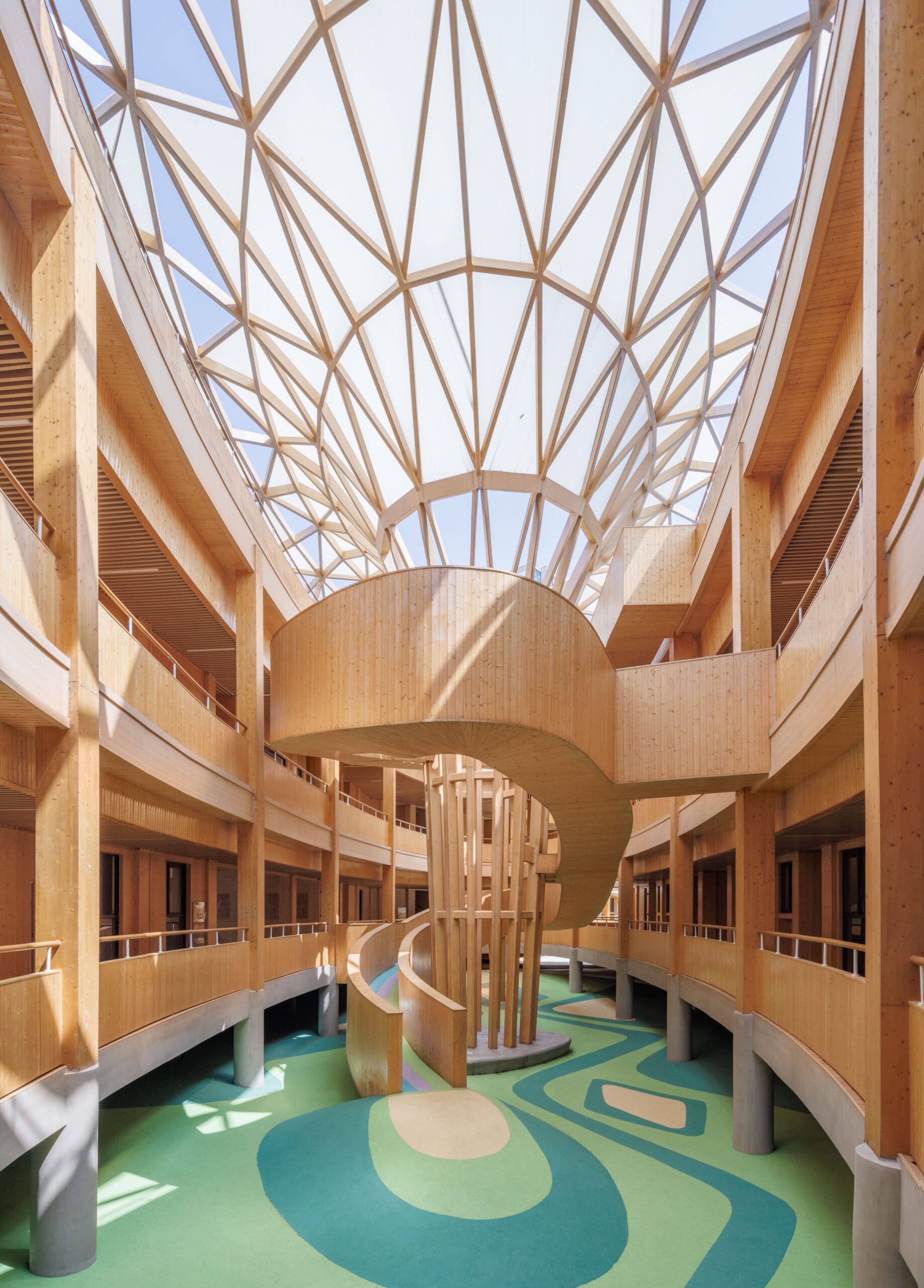 Xiangshan International Kindergarten is a 5,000-square-meter (53,820 square-foot), 18-classroom school that features a hybrid modular system, combining glued-laminated timber with steel framing. This system was chosen for its many advantages, which include enhanced insulation, reduced energy use and seismic resistance, all while creating a healthy and comfortable environment for children.
The factory-prefabrication of the building components enhances the building’s performance, minimizes material waste, and facilitates the installation of mechanical systems, all typical advantages of prefabrication. The floor system is composed of standard SPF (Spruce, Pine, Fir) and OSB parts, and the façade integrates window modules made from combined CLT panels. The ventilated and insulated roof assembly, built with overlapping glued-wood beams, conveniently houses technical pipelines and equipment.
But what truly sets this school design apart from others is the level of craft and precision that shapes the building’s architectural character and its technical execution. To round out the project, the site’s landscaping follows the school’s design logic and clarity, reflecting how children move and play.
Shenzhen Jinlong School
By Crossboundaries, Shenzhen, China
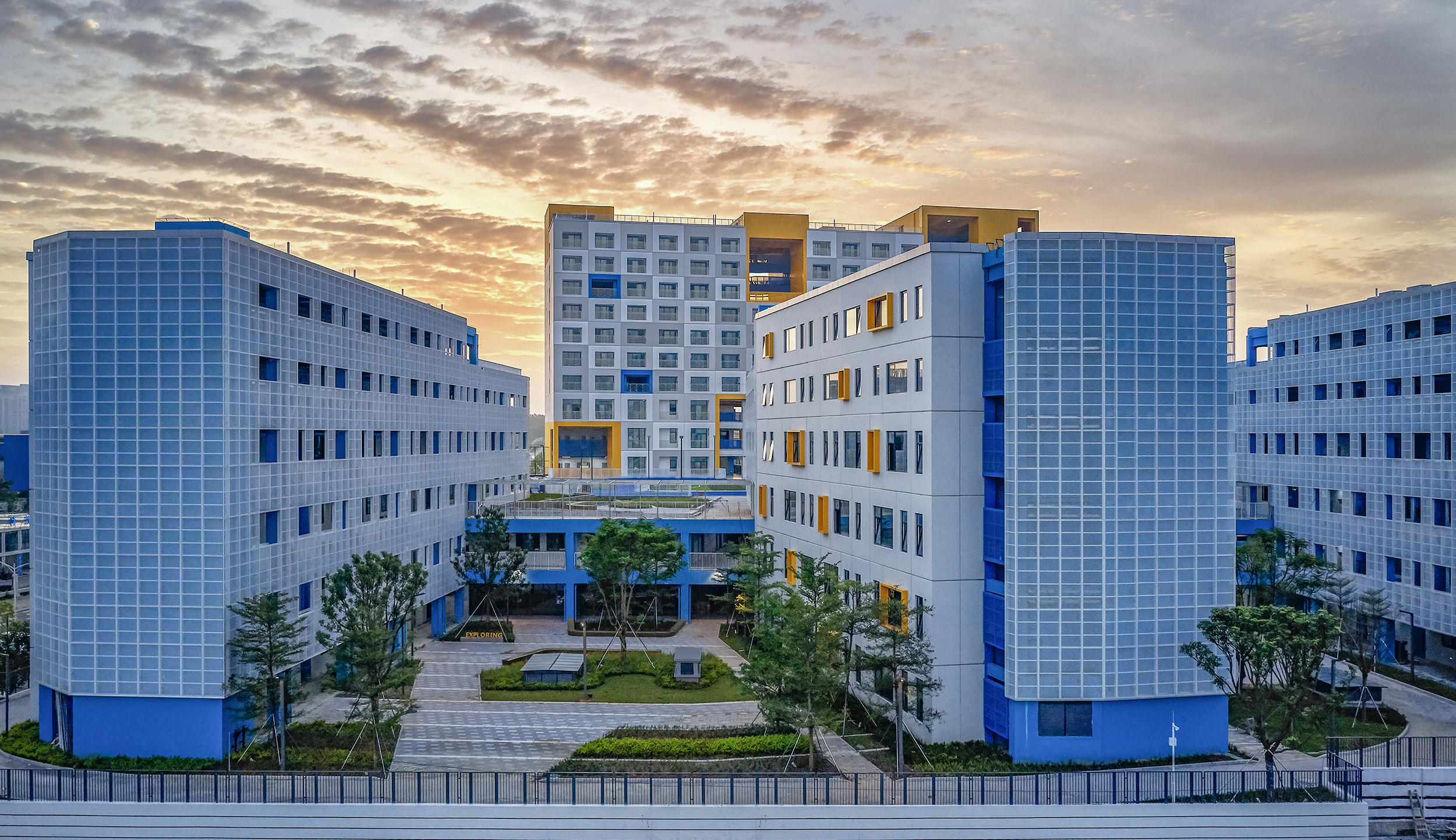
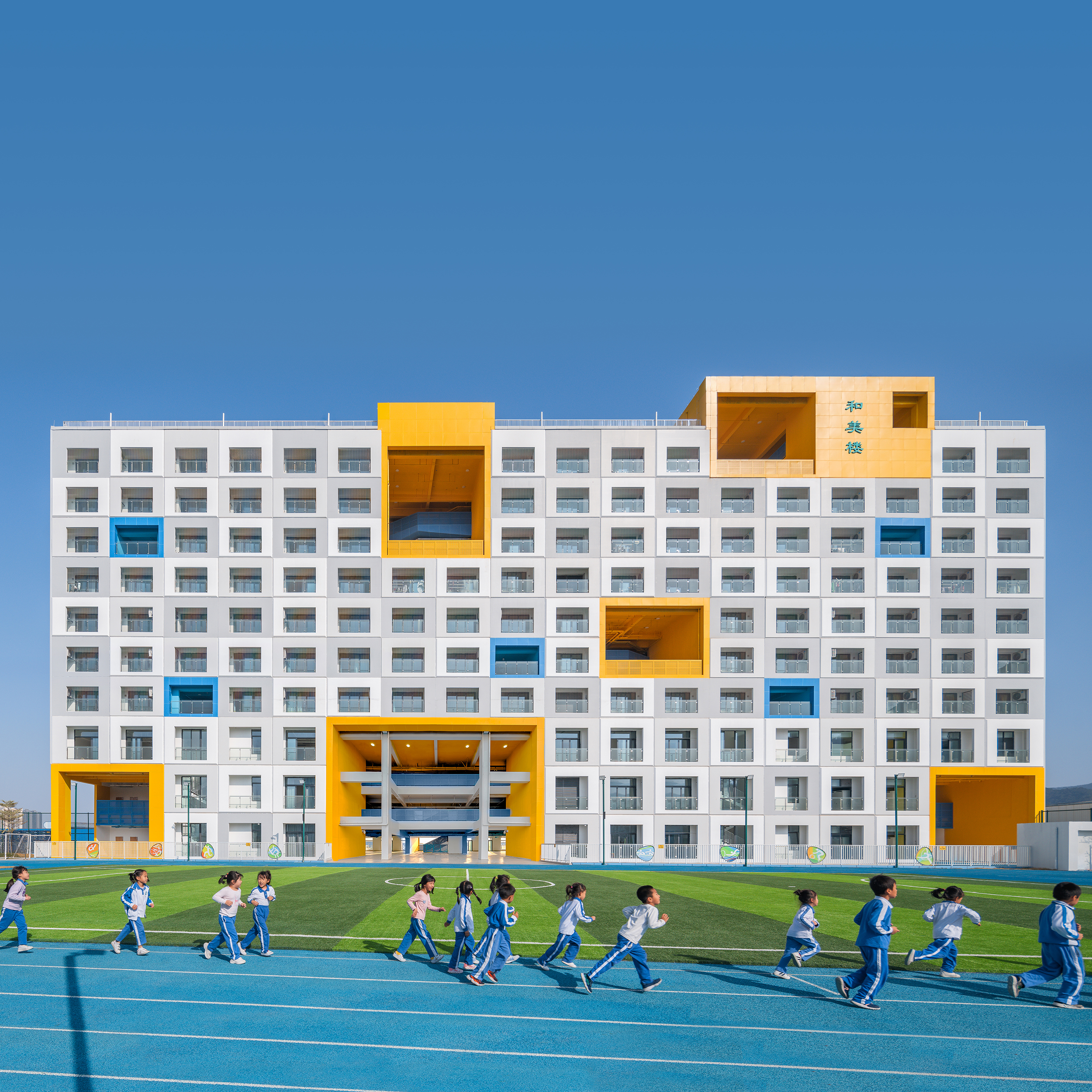
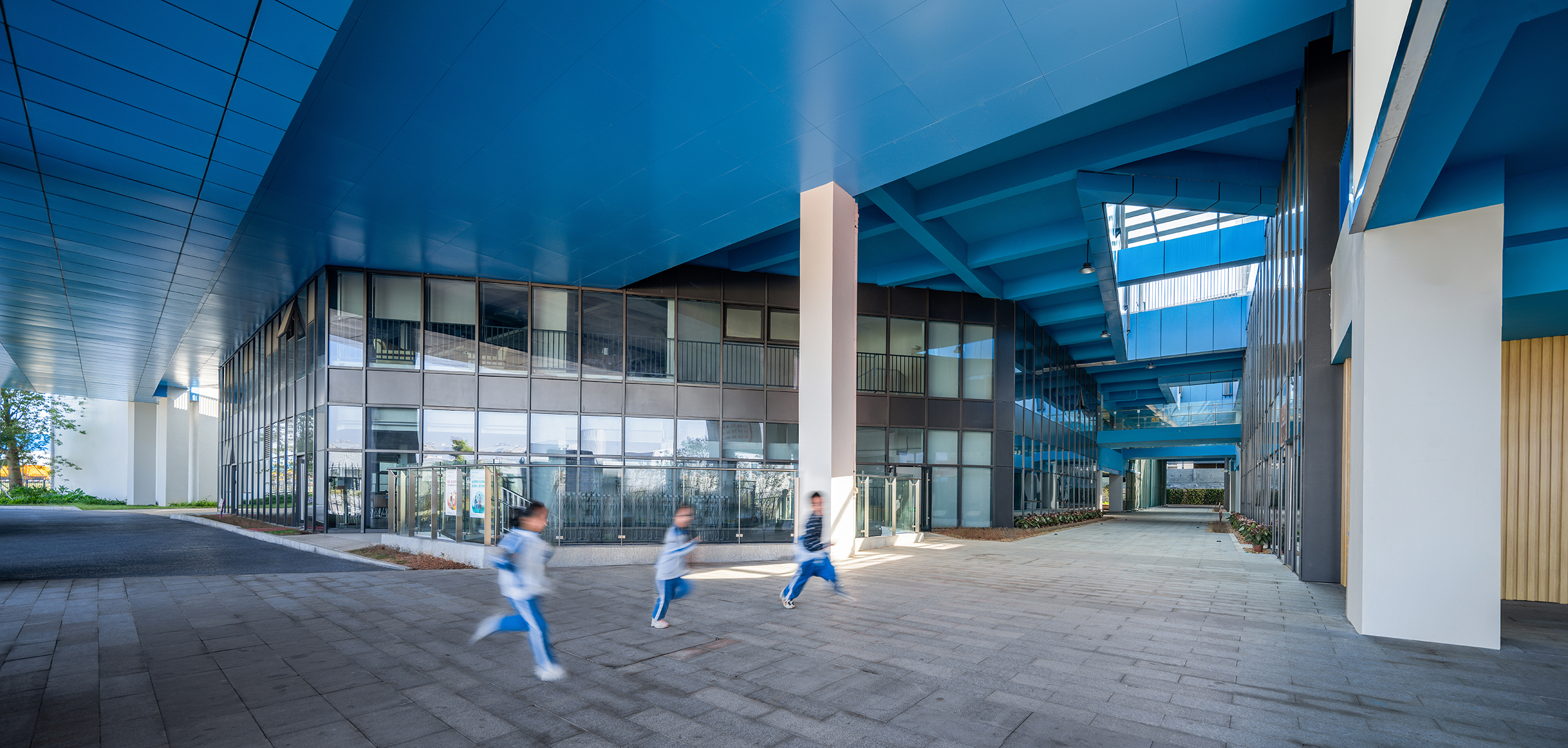
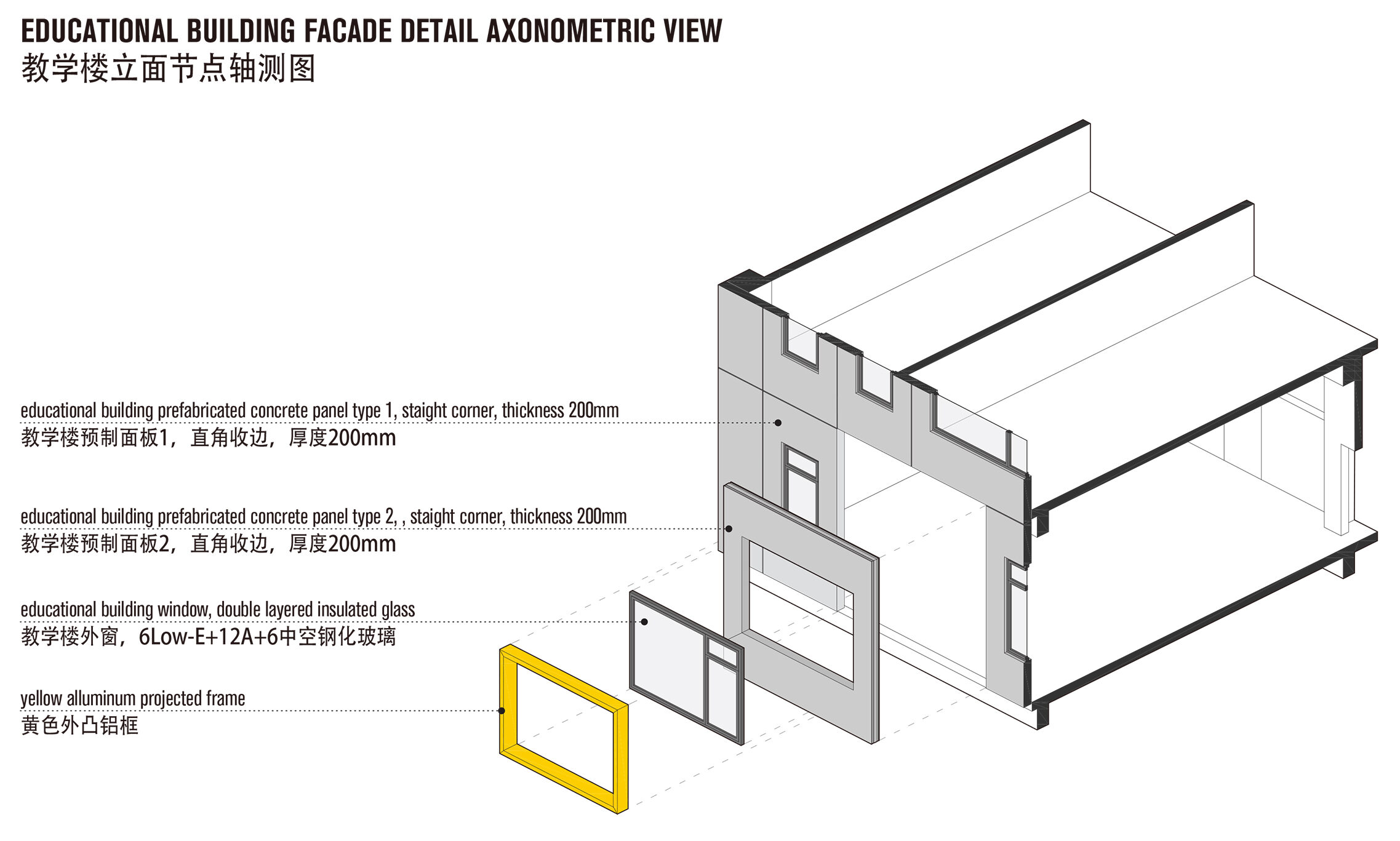 The Jinlong Prefab Primary School project addresses the public school shortage in Shenzhen’s Pingshan District and the rapid increase in enrollment numbers. It is part of the local authorities’ plan to approve several prefab projects to add more schools in the area.
The 36-classroom campus, which occupies a compact 16,000-square-meter (172,223 square-foot) site, was built in only thirteen months, instead of the typical two to three-year timeframe, demonstrating that modular construction can accelerate delivery and effectively respond to tight site conditions. Approximately 75% of the school was constructed with locally prefabricated concrete and metal-composite elements. This approach minimized transportation costs, construction waste, wet construction, labor input, and construction period.
A clear modular construction system defines residential and educational buildings, giving the campus a unified architectural language. Within this framework, variations through differing panel widths, perforated metal screens, window arrangements, and color accents add a distinctive aesthetic quality to the project. This approach balances the efficiency of modular components with visual interest and character.
The result is a multifunctional, high-density, modular school that maximizes flexibility, functionality, and performance without sacrificing architectural character in a rapidly growing city with a public school shortage.
Ket & Co
By OSK-AR architecten, Brussels, Belgium
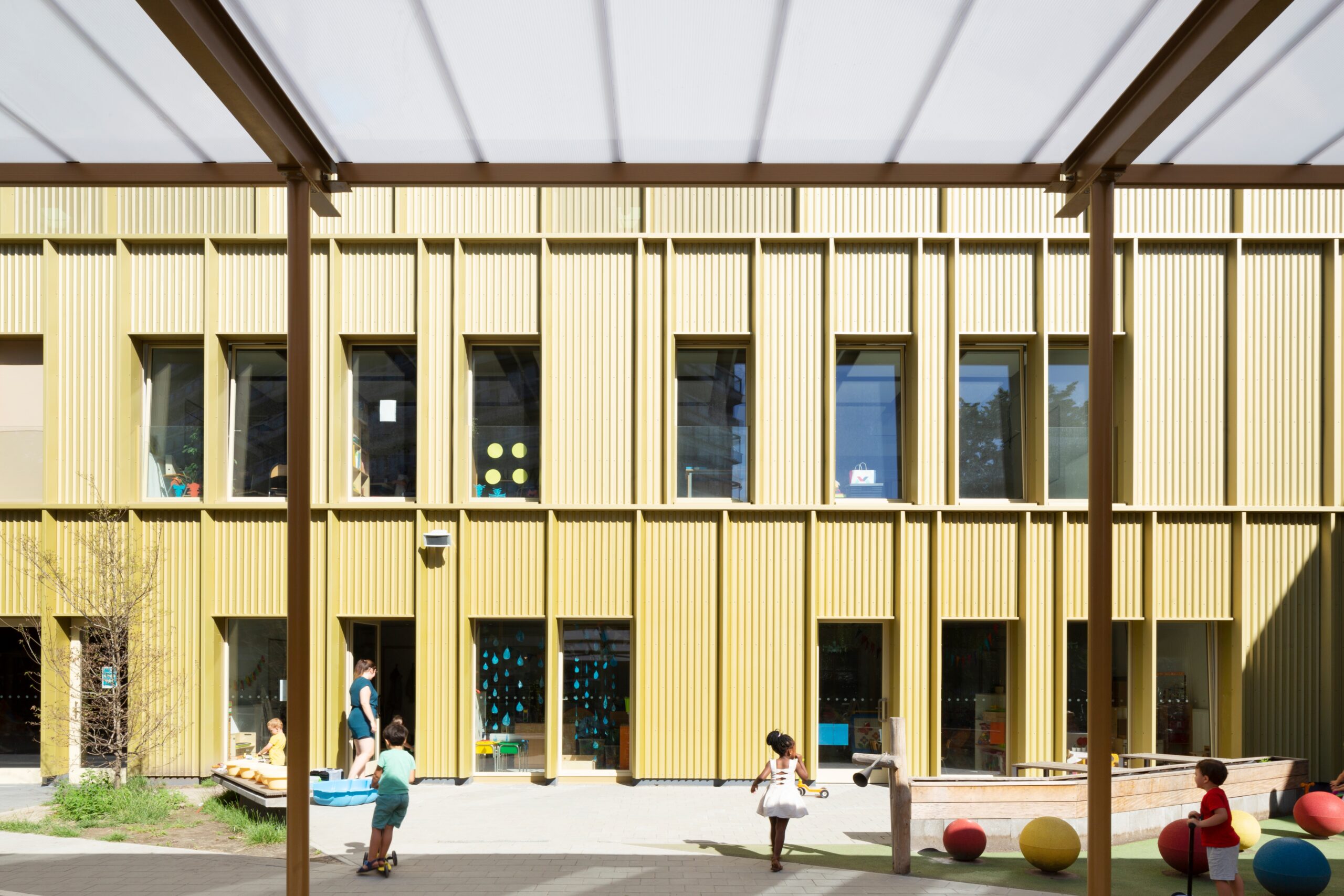
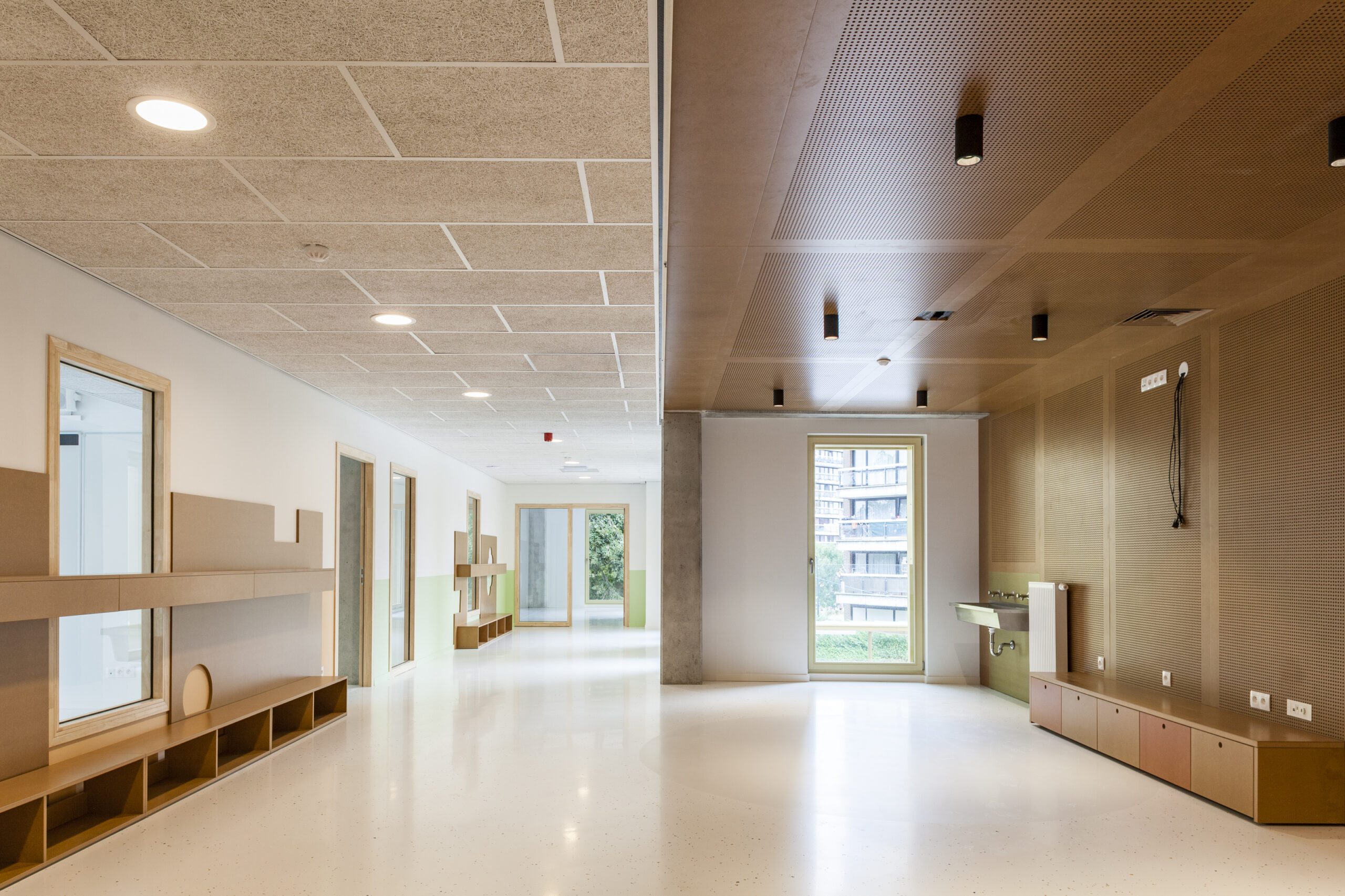
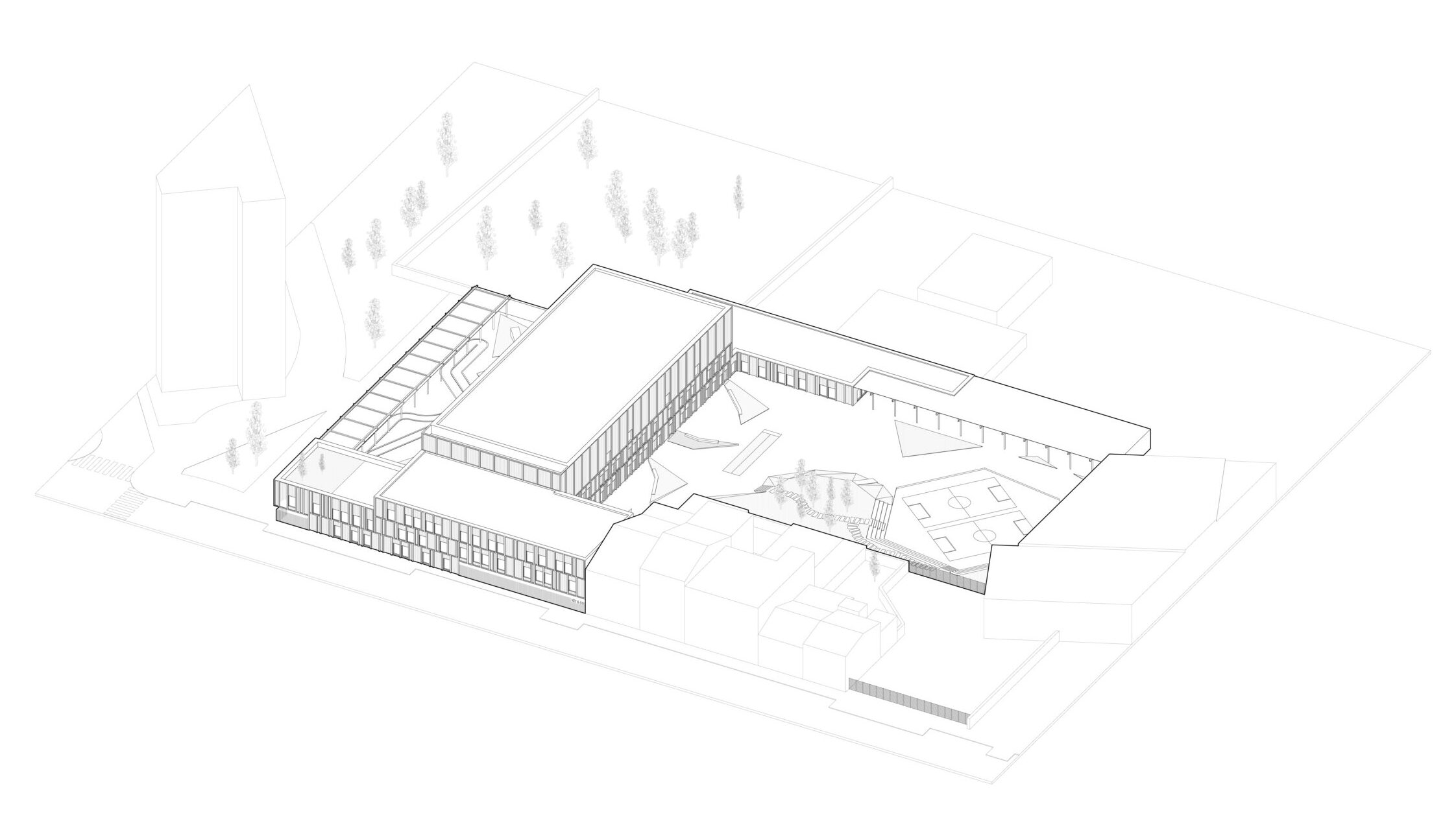 Ket & Co is a complex housing a primary school, a sports hall, a FabLab (fabrication laboratory), and an auditorium. Situated in a densely populated, multicultural neighborhood near the city center of Brussels, Ket & Co increases the area’s school capacity by accommodating 200 additional students.
The complex’s compact design features a modular system of concrete cassettes clad in corrugated steel panels. This approach minimizes the overall footprint and preserves generous outdoor play areas. The design’s modular system is combined with programmatic flexibility. The classrooms are located on the ground and first floors. They are laid out to be visually and physically connected to promote co-teaching, while wide corridors serve as extensions of the classrooms, enabling gatherings and shared activities.
Although Ket & Co. is primarily a school, the sports hall, FabLab, auditorium, and multipurpose rooms can function independently and are available for community use outside school hours. This adaptability transforms the building into a civic center, increasing its value for the neighborhood.
Four Primary Schools in Modular Design
By Wulf Architecten, Munich, Germany
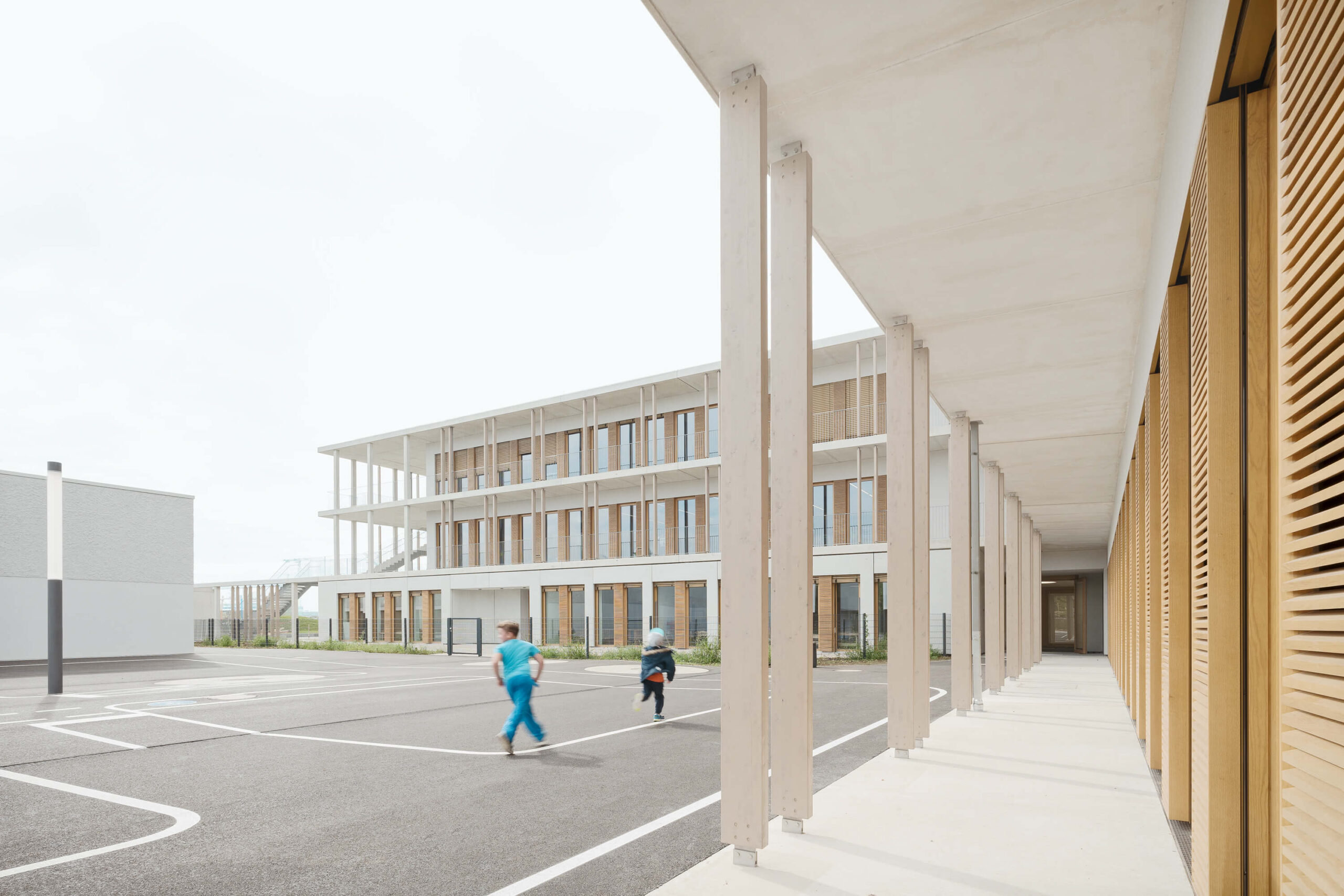
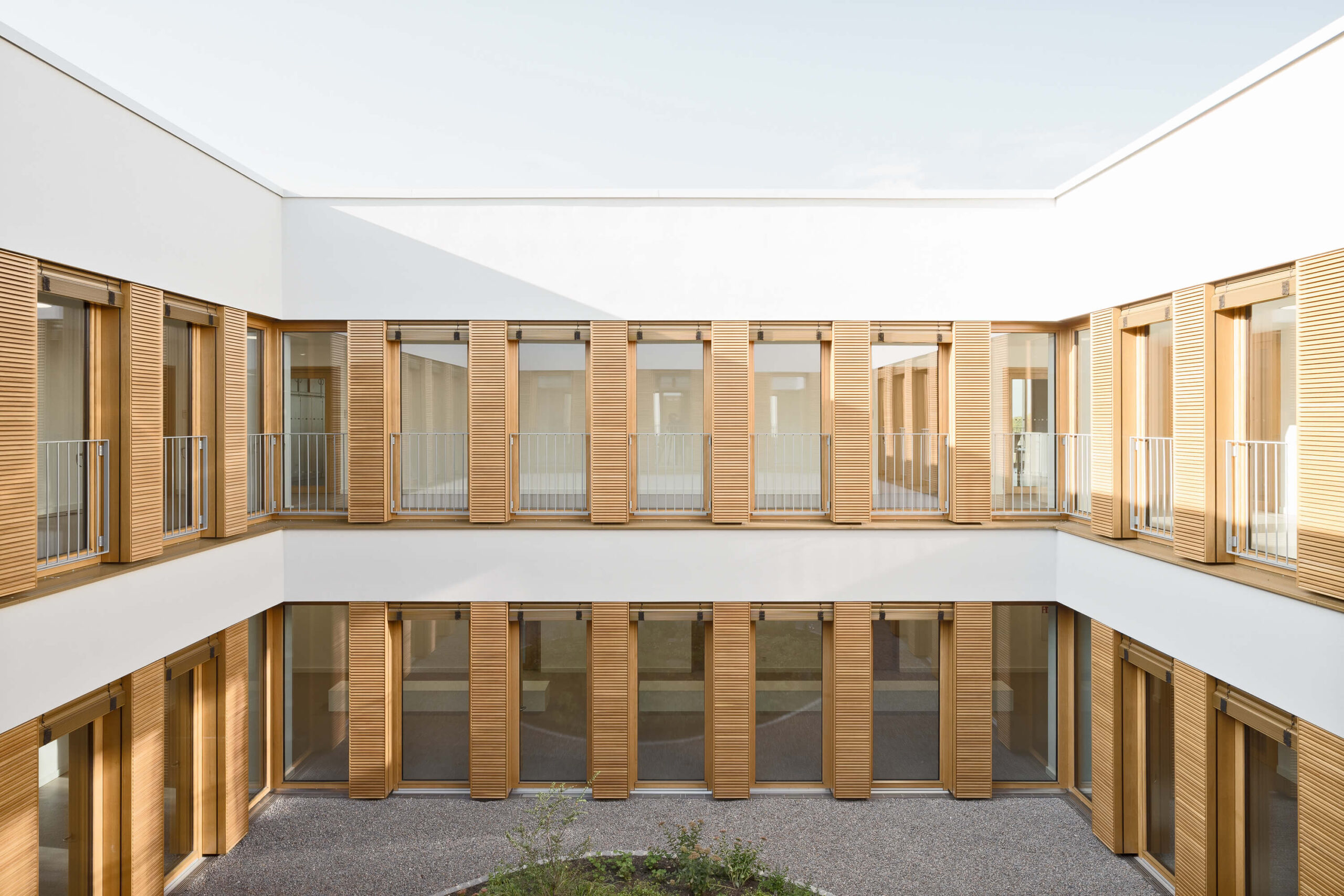
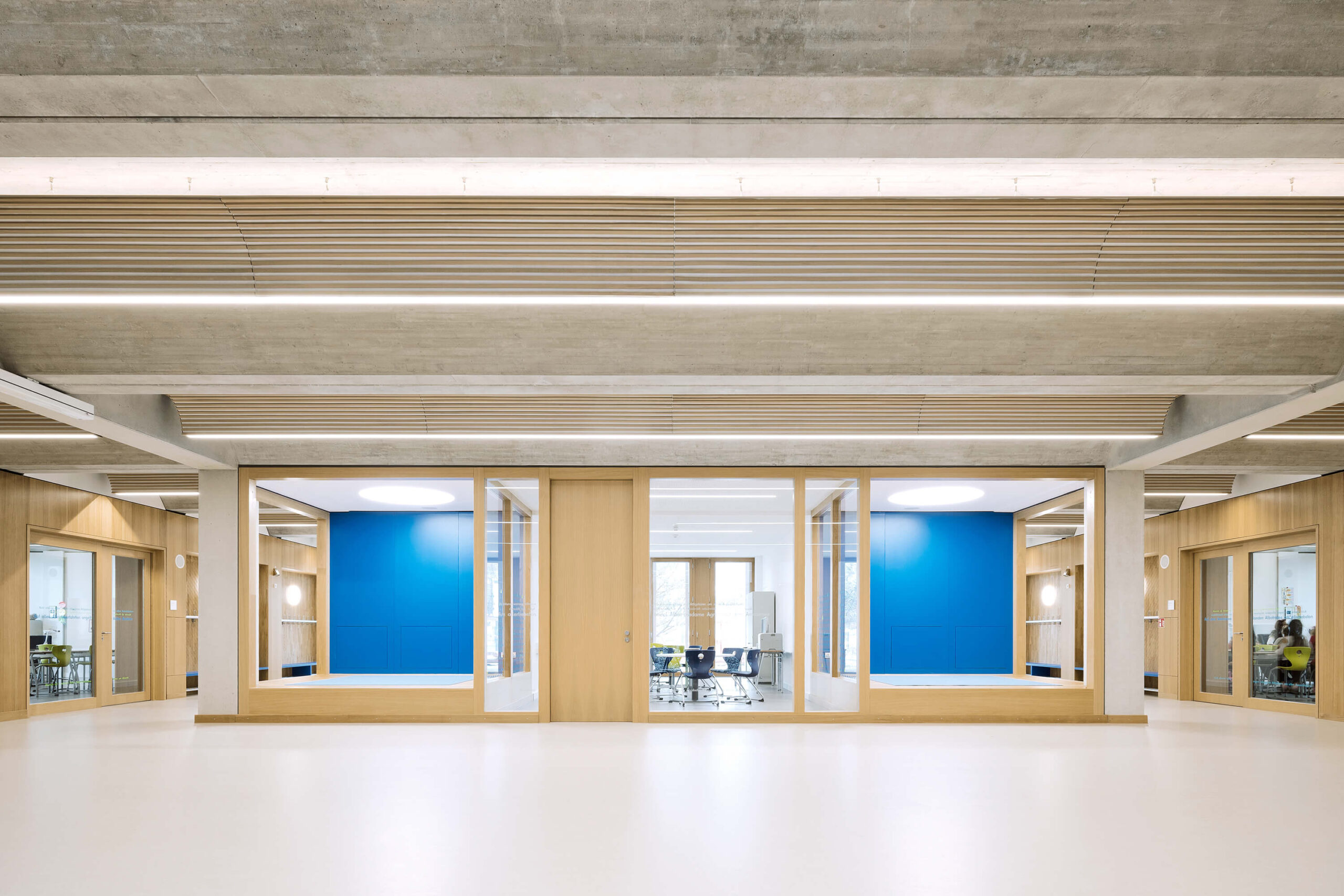
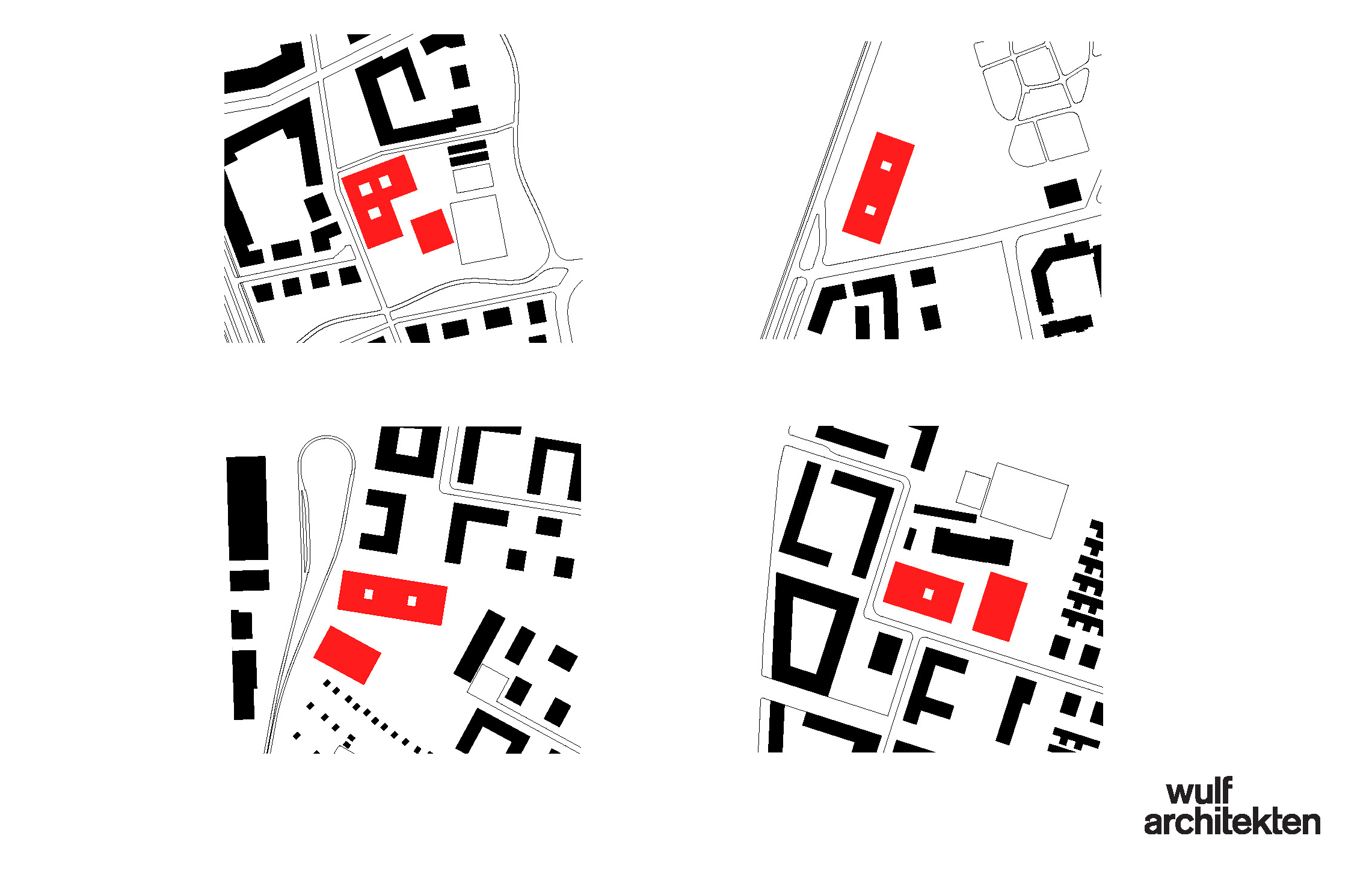 The “Munich Learning House” is the foundational concept behind the development of a modular system applied to four schools in different locations. The modules comprise four classrooms, two connected full-day care rooms, and a dedicated area for teachers and support staff, all organized around a central communal space. All the rooms have access to the outdoors through perimetral balconies, enhancing circulation while meeting fire-safety requirements.
To counterbalance the uniformity often associated with modular construction, the design introduces barrel-vaulted ceilings, a defining architectural feature that lends the modules a unique spatial quality and transforms otherwise repetitive and nondescript spaces into inviting learning environments. The outcome underscores the benefits of modular construction, including its capacity to accelerate construction while ensuring that the overall system can be adapted across all four primary schools.
Port Mariane Secondary School
By Ateliers A+, Montpellier, France
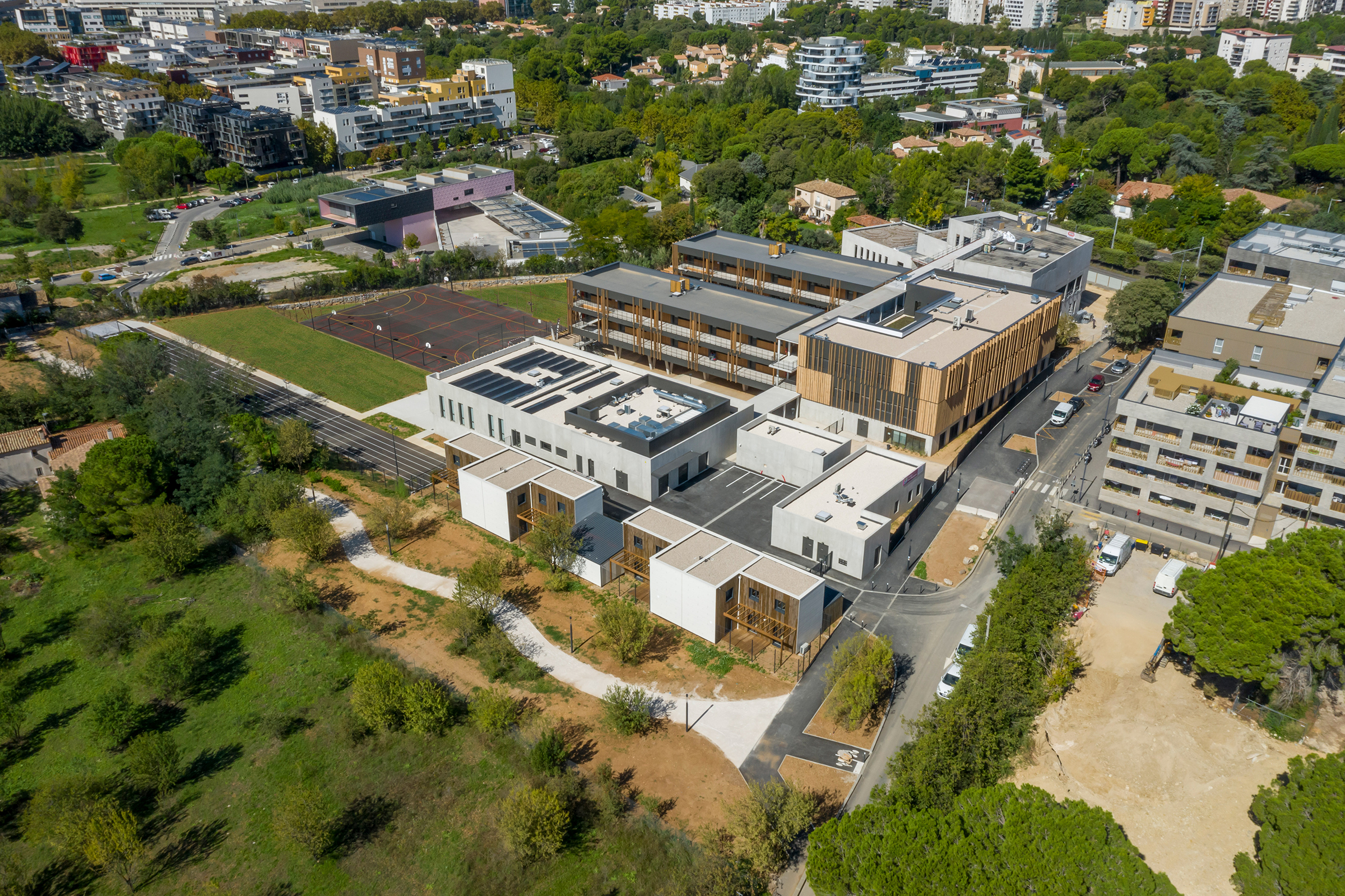
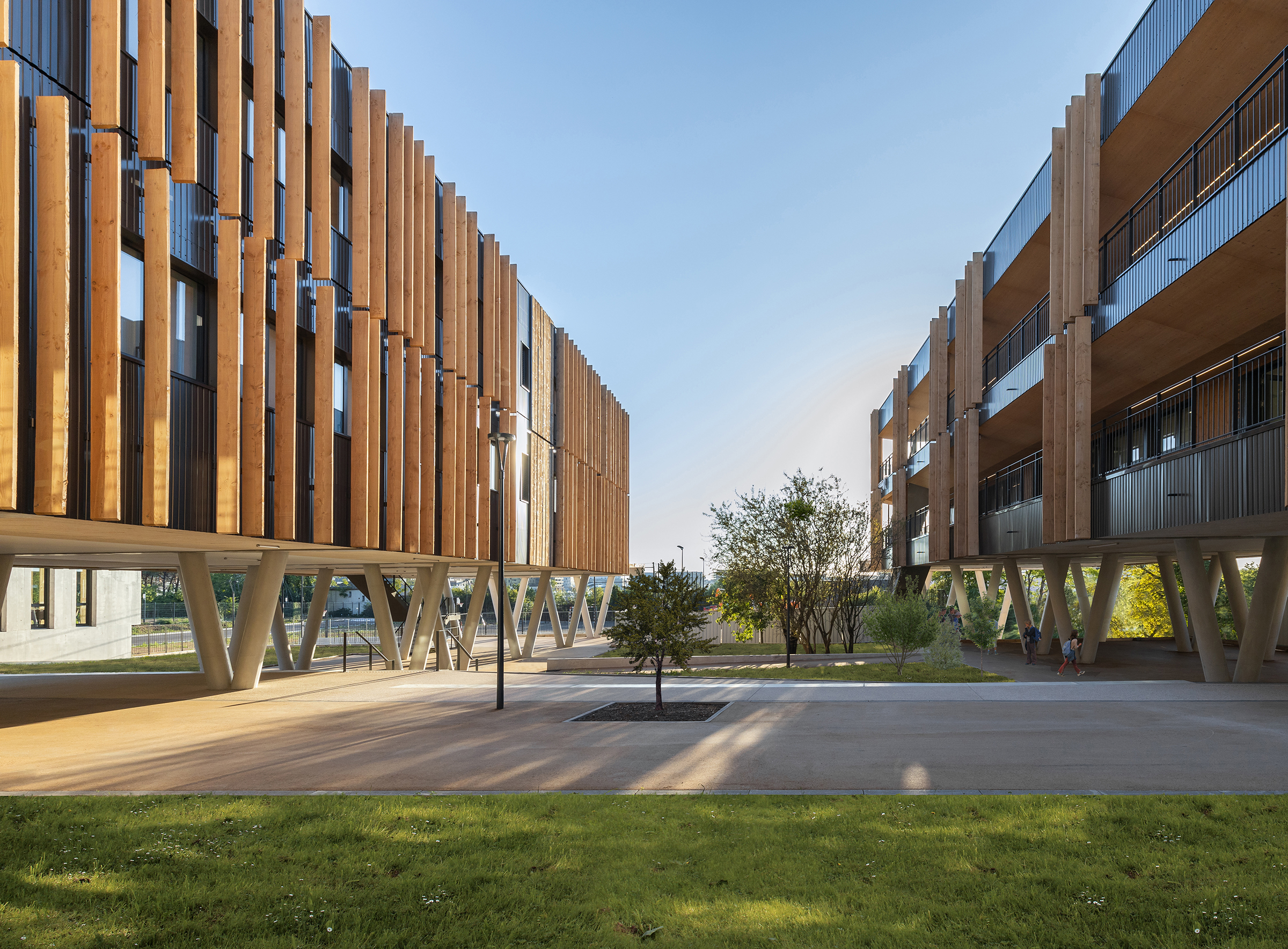
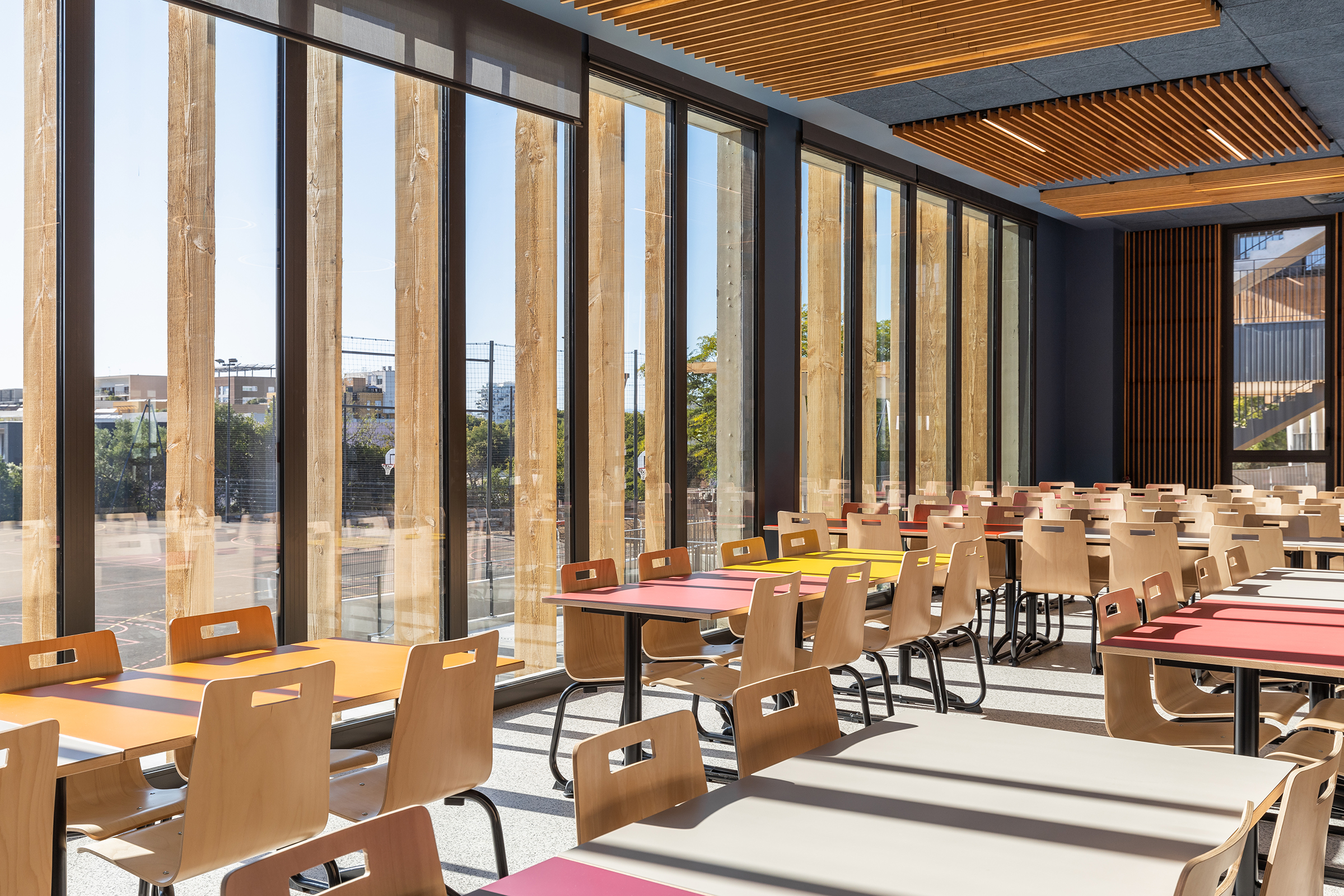 Port Marianne Secondary School is a timber-built campus designed for 750 students but can potentially be expanded to 900. The program comprises a medical and social care unit, offices, a learning resource centre, teaching areas, a multi-purpose room, a catering and logistics center, first-floor accommodation, and a sports complex.
The modular section of the teaching building sits on a low-carbon concrete base with a superstructure of Douglas fir from the Gard Region for most façade siding and spruce from the Cévennes Region for the modular timber-framed walls and the staff accommodation level. This reliance on regional materials supports the school’s environmental goals while giving the architecture a warm character.
The design emphasizes environmental performance through vertical wooden brise-soleils that protect the interior from direct daylight while lending the ensemble a cohesive expression. Inside, classrooms are double-oriented, benefiting from cross-ventilation and generous daylight. On the courtyard side, the wooden modules are elevated on stilts, creating shaded, protected outdoor spaces.
Ultimately, this hybrid base-and-modular system combines durability and adaptability. The concrete base provides stability and moisture resistance, while the lightweight timber modules can be reconfigured and expanded to meet evolving educational needs and increasing student enrollment numbers.
Poplar Road Public School
By Moriyama Teshima Architects, Scarborough, Canada
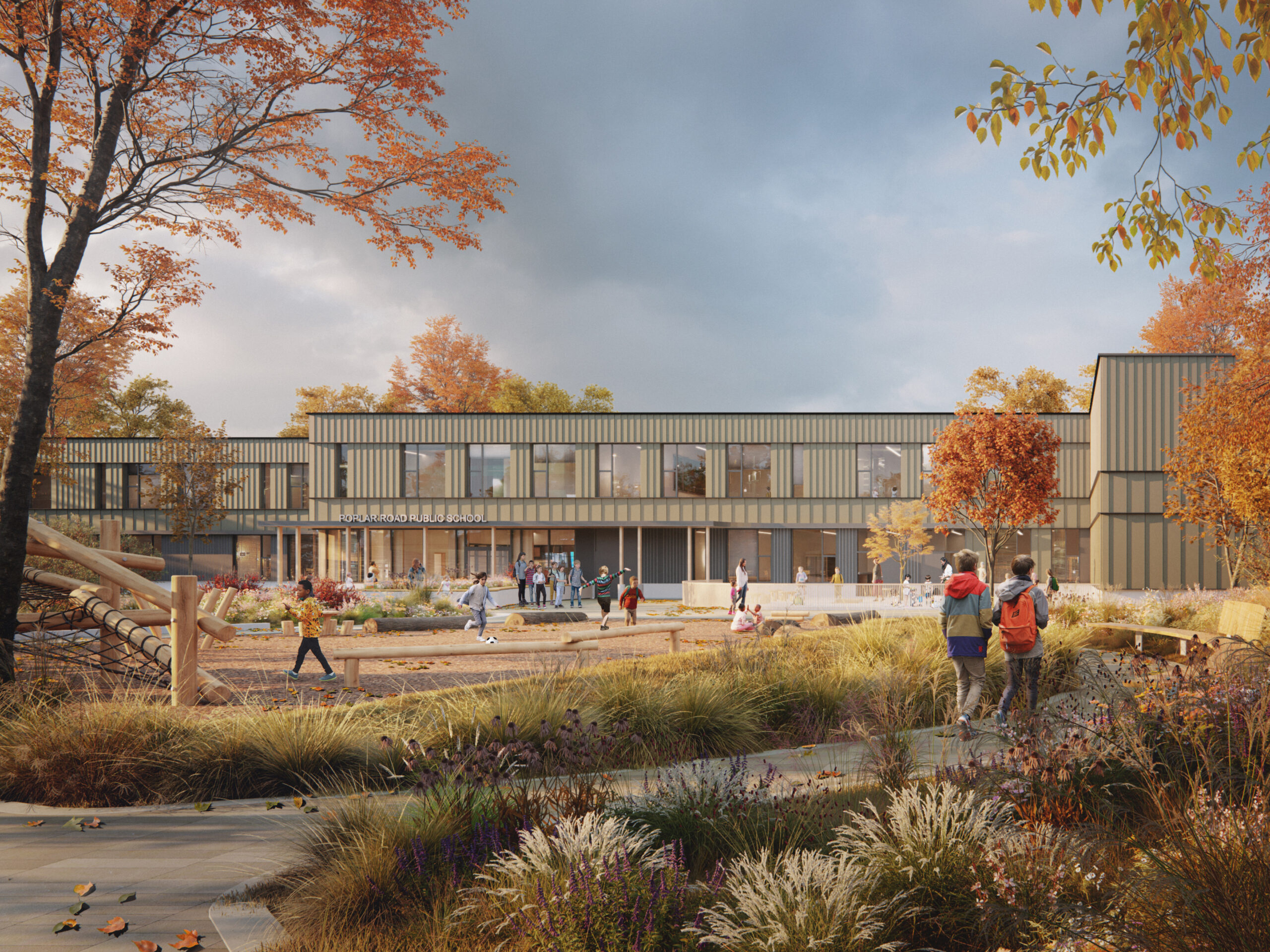
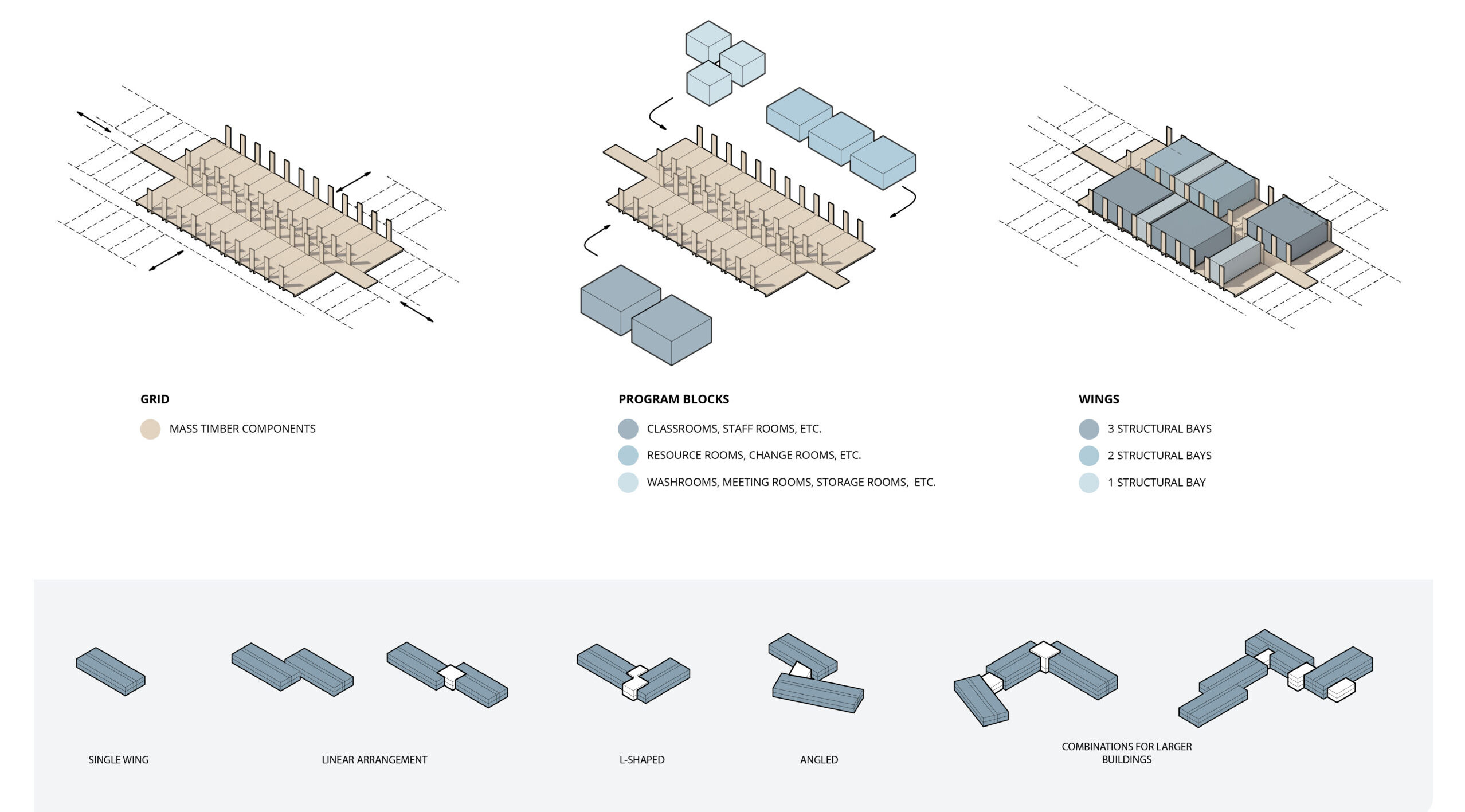
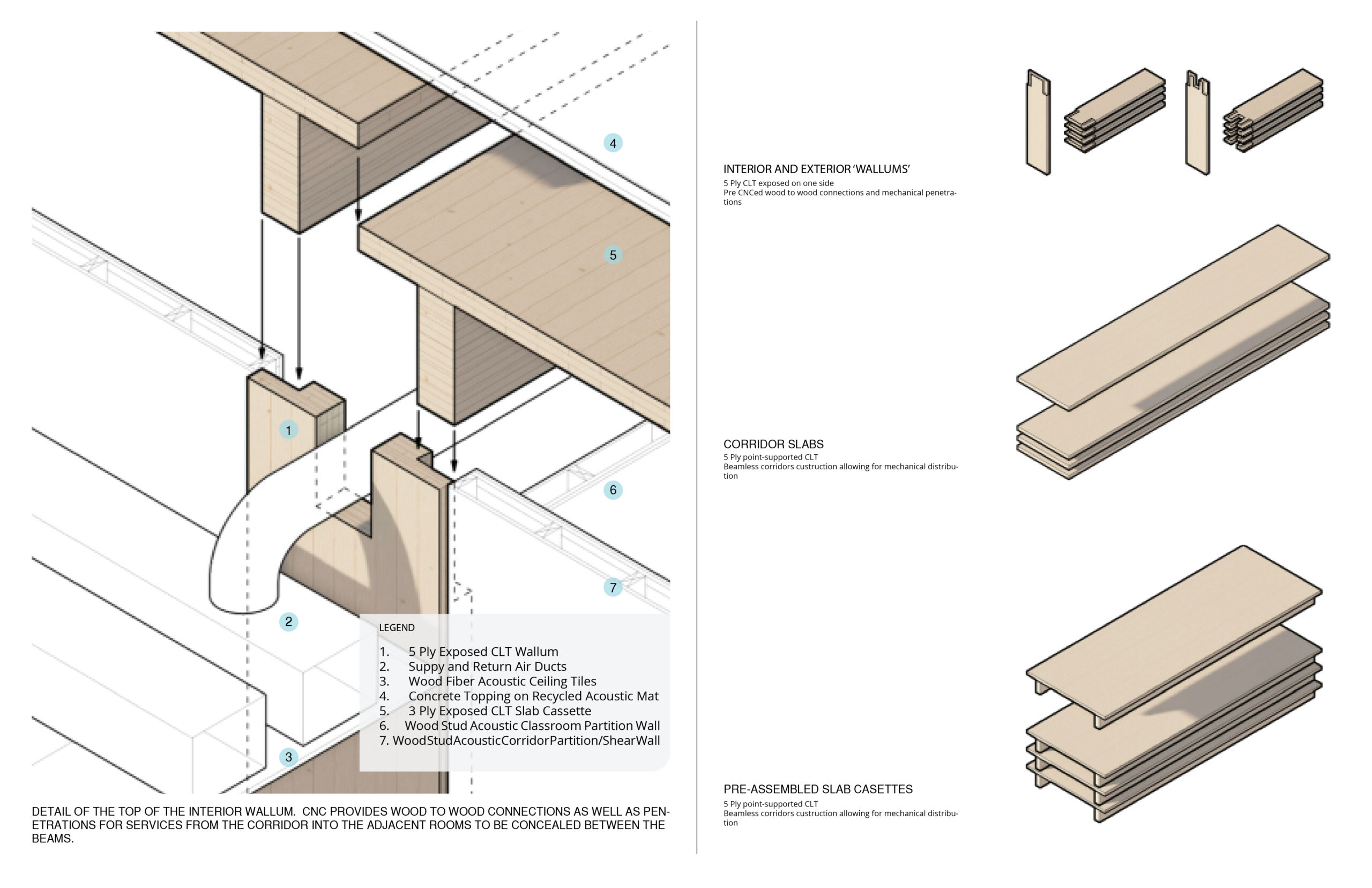
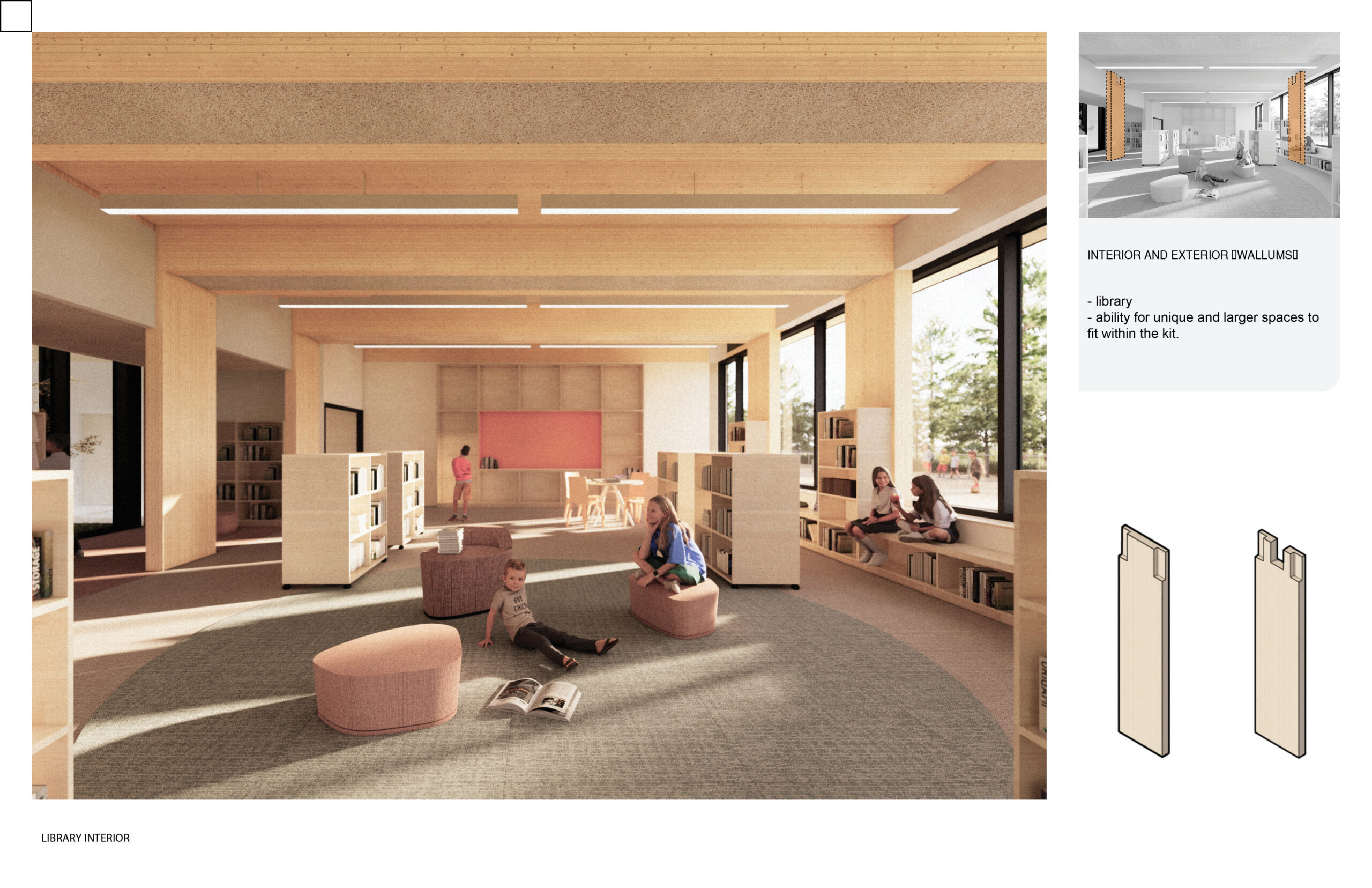
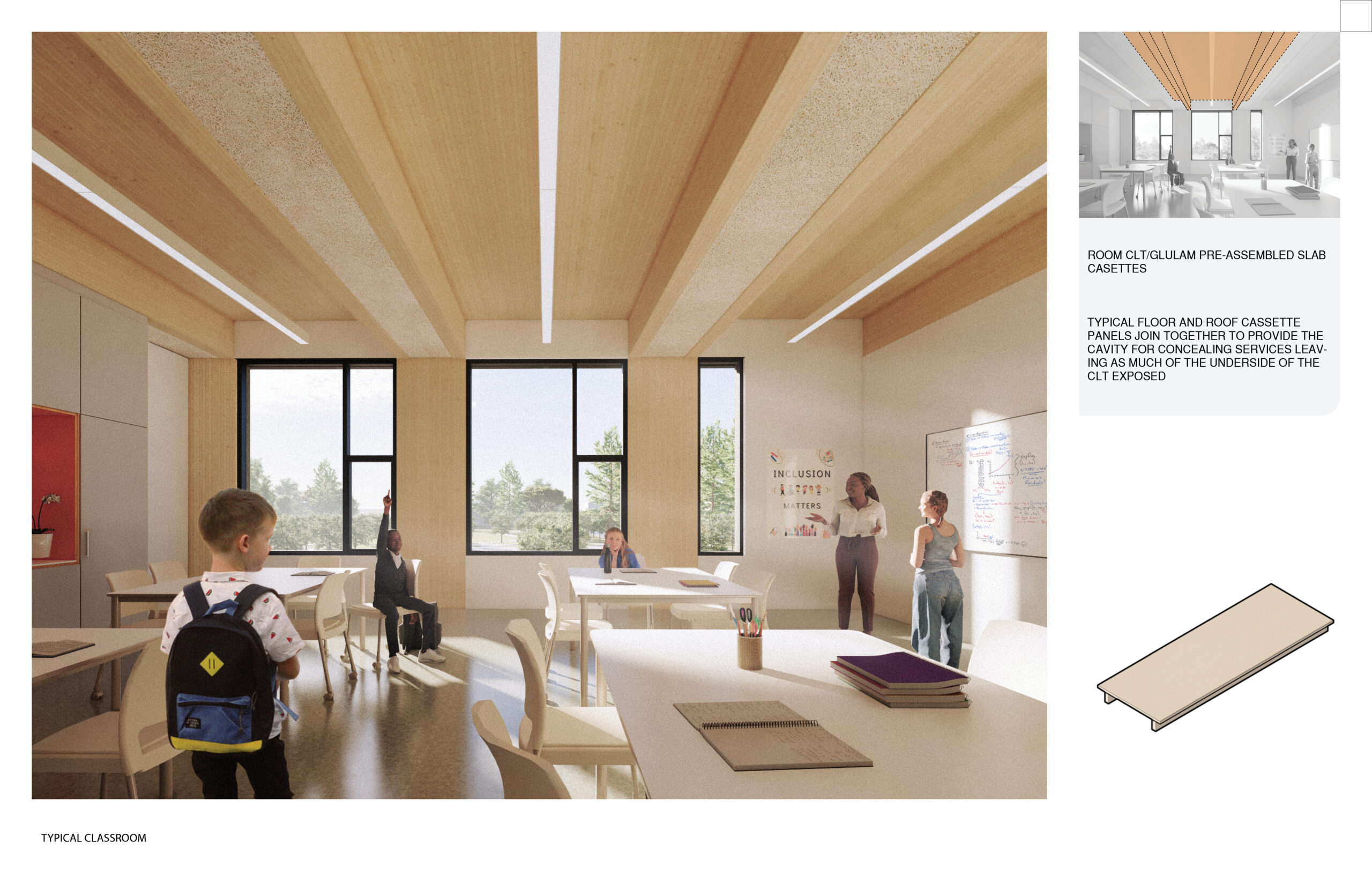 The Poplar Road Public School concept is a forward-looking approach to educational infrastructure through its use of mass timber construction and a kit-of-parts modular system. While the school isn’t built, its design introduces mass timber to create a sustainable and durable structure, while the modular system is intended to simplify the construction process and allow for efficient future expansions. This system would allow the building to respond to a changing student population while minimizing disruption and maintaining cost-effectiveness, making the Poplar Road Public School concept a compelling model for contemporary schools in growing and densifying areas. The same thoughtful planning is extended to the interior, where spaces are designed to prioritize accessibility, safety, and the connection to outdoor areas.
Lego African School
By Kalbod Design Studio, concept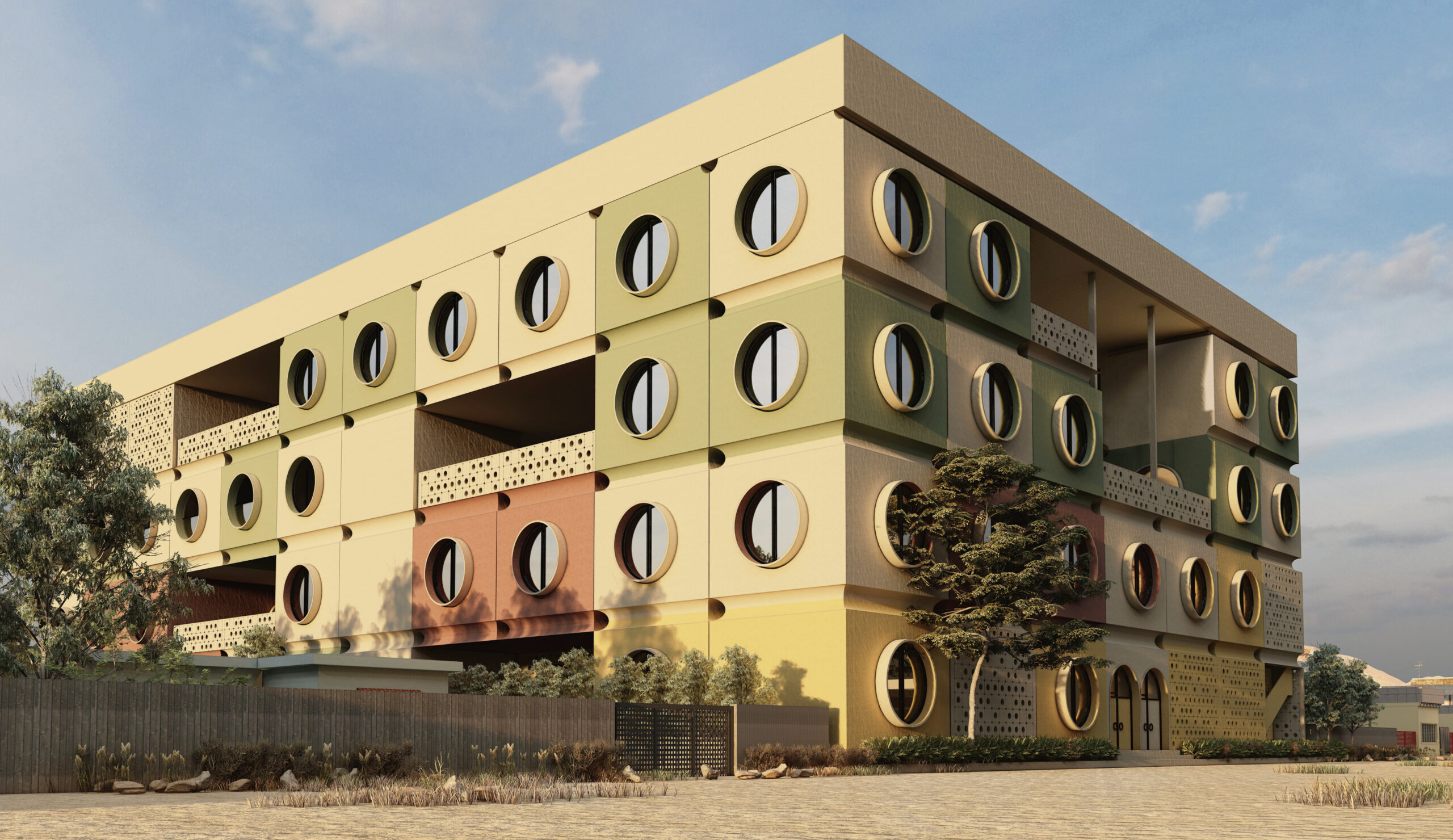
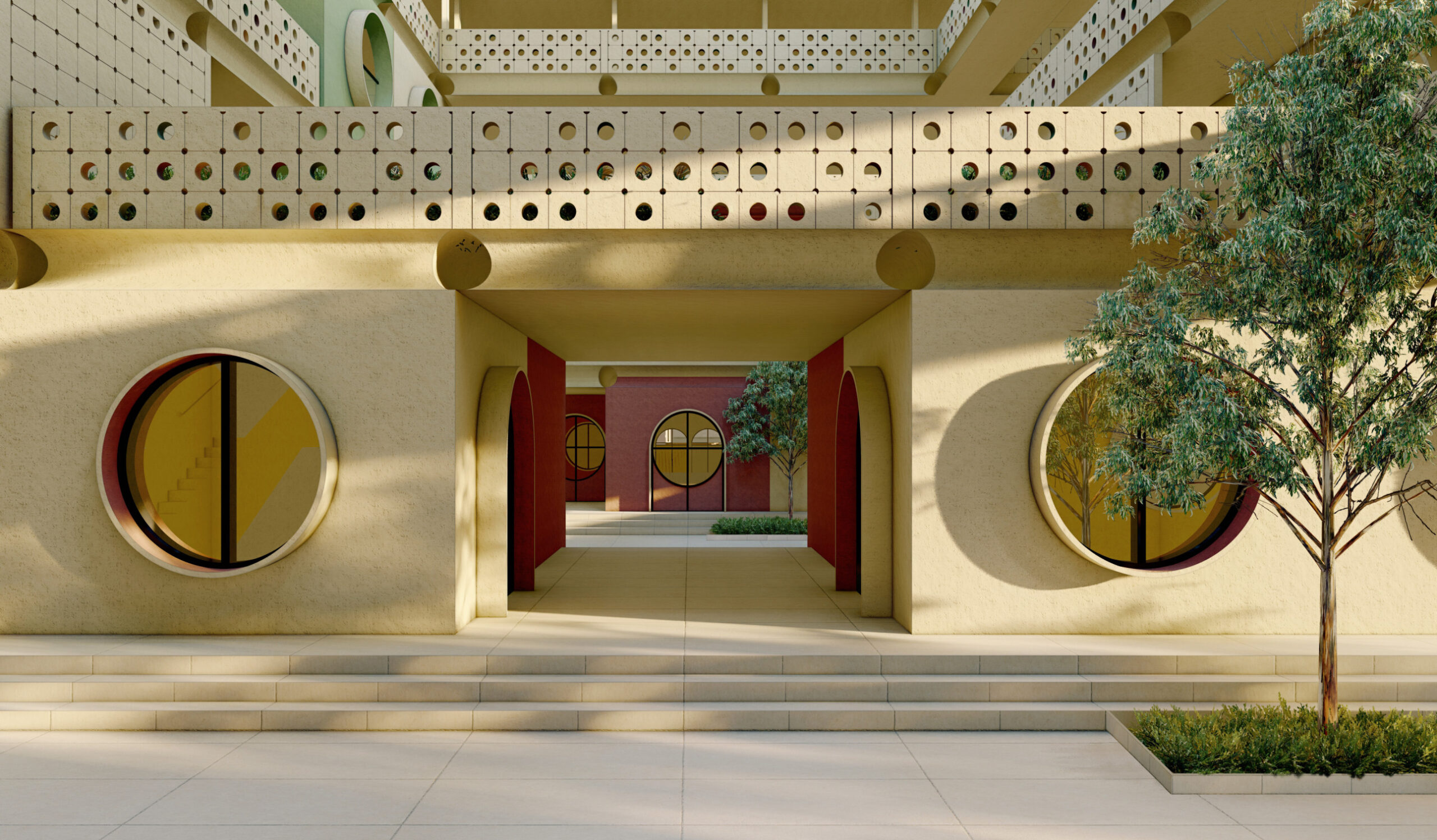
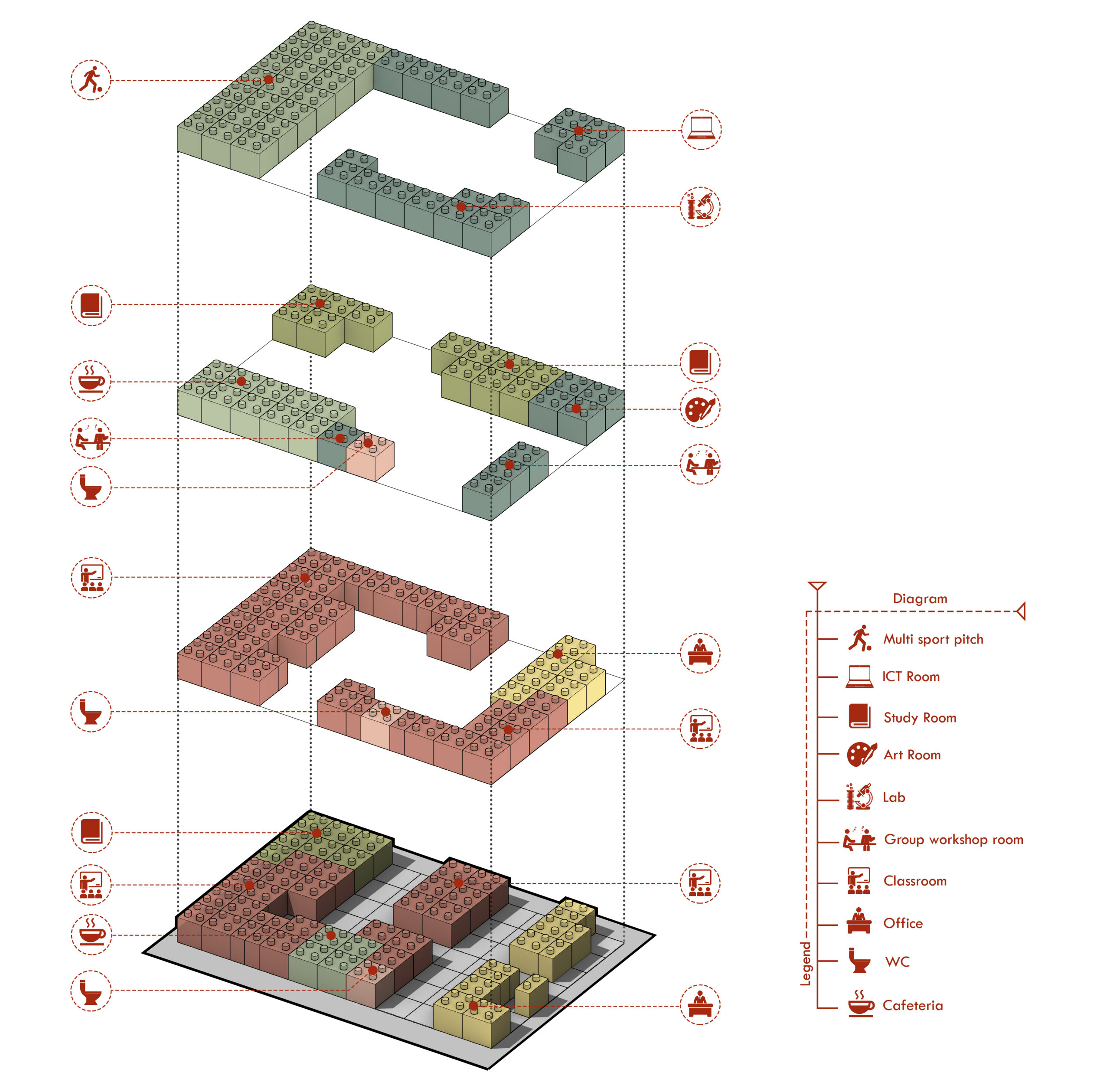
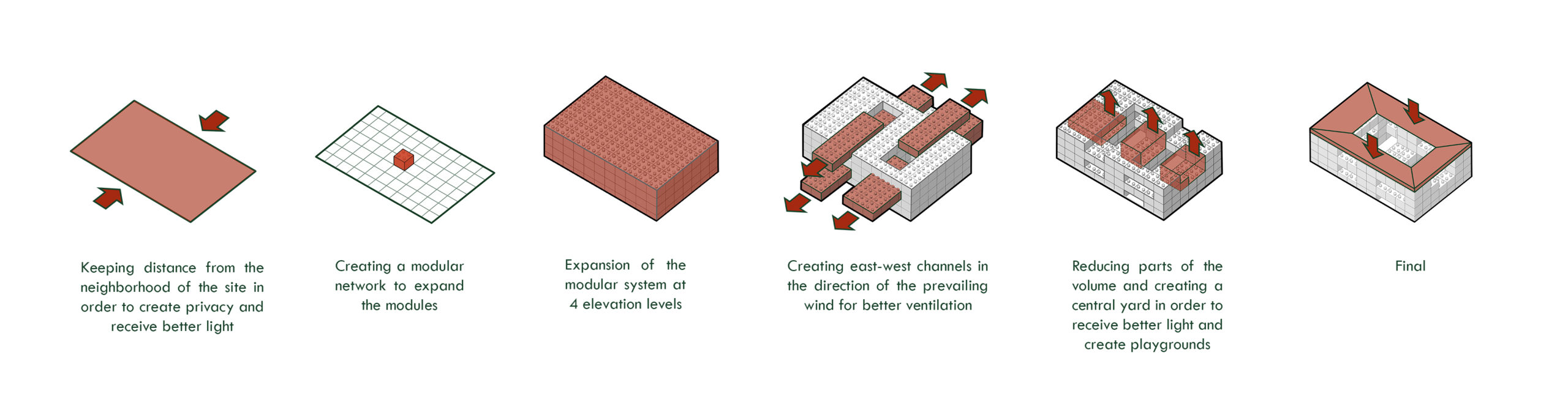
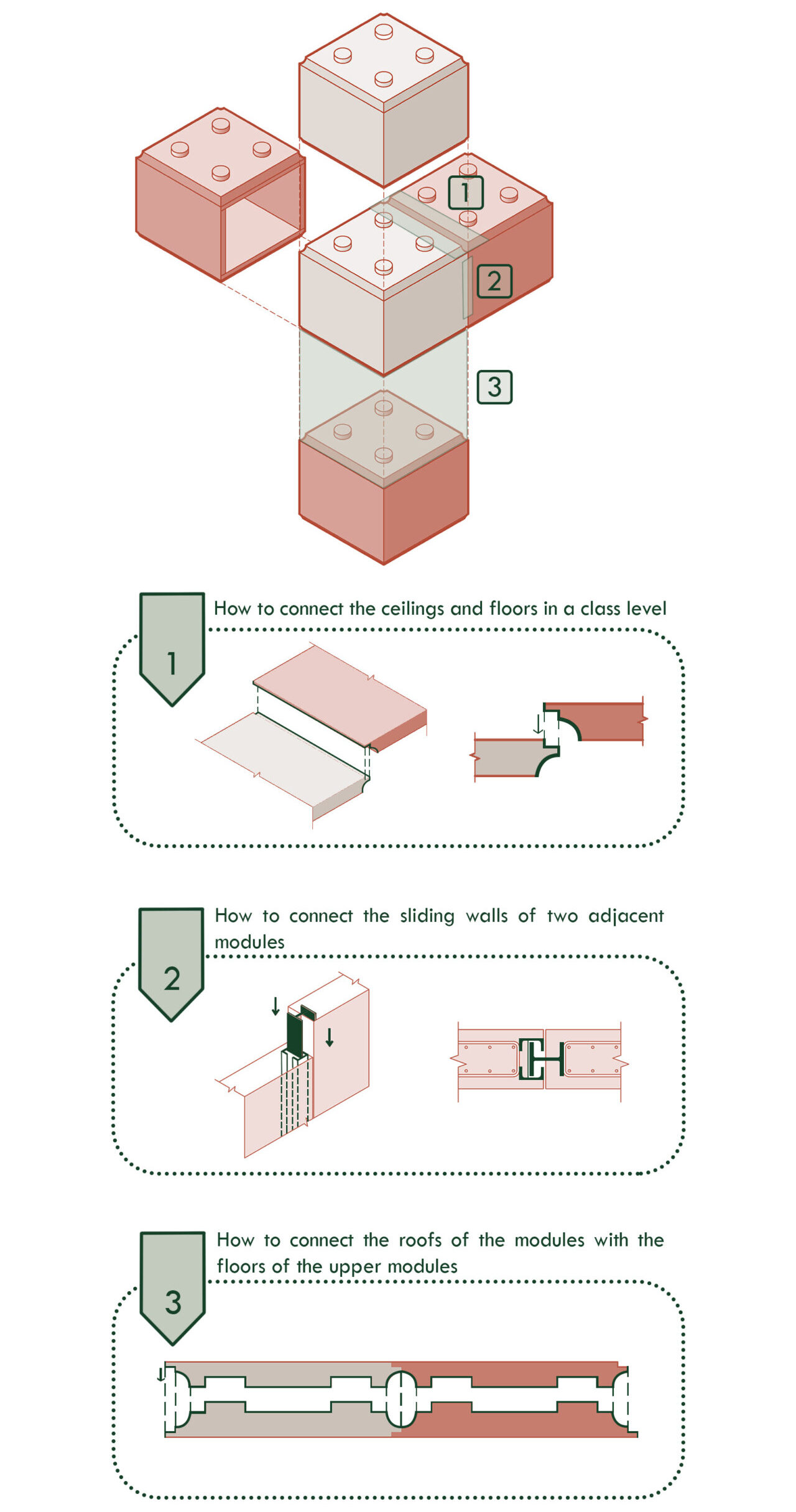
This project proposes a modular school system shaped by the educational values of Enko, a network of secondary schools in Africa. Its design is inspired by the simplicity and flexibility of Lego building blocks, resulting in a highly adaptable architectural framework that can be replicated across different African regions. This approach significantly reduces construction costs while offering a consistent, scalable model for future schools.
The modular strategy organizes the program with clarity and efficiency. Spaces for primary and secondary students are separated to support their distinct needs. Less frequently used areas are placed on upper levels to optimize circulation. Exposed stairways connect all the floors visually, creating a dynamic spatial experience. Corridors and elevated playgrounds offer multiple perspectives across the building, strengthening the connection between indoor learning spaces and outdoor play areas. With playgrounds on multiple levels and open classrooms, the design highlights spatial vitality. Overall, this modular system, both architectural and pedagogical, creates a stimulating learning environment.
Architects: Want to have your project featured? Showcase your work by uploading projects to Architizer and sign up for our inspirational newsletters.
 Four primary schools in modular design
  Ket & Co
  Shenzhen Jinlong School