
The judging process for Architizer's 14th A+Awards is now underway. Subscribe to our Awards Newsletter to receive updates about Public Voting, and stay tuned — winners will be announced later this spring.
Healthcare buildings are among the most complex projects architects are expected to deliver. They are shaped by dense regulatory frameworks, unforgiving performance requirements and programs that must operate continuously, often under extreme pressure. Few typologies demand more from architecture — and yet few receive less architectural credit.
Meanwhile, in professional discourse, hospitals and research facilities are still described primarily through the language of engineering (think words like efficiency, optimization, compliance, etc.). This creates a paradox that is easy to ignore, but vital to recognize: when these buildings “work” well, architecture is expected to disappear. If architectural intelligence is measured by the ability to organize complexity through space, healthcare should be one of the discipline’s most celebrated proving grounds. Instead, it remains one of its most underrated typologies; a persistent blind spot that has been further marginalized by digital consumption of architecture as an Instagram aesthetic.
This is not a failure of individual projects or the work of their designers; among other things, it is a failure of how the profession frames value. For this reason and more, Architizer’s A+Awards champion Healthcare design with categories that include Architecture +Health, Design for Wellbeing, and, new this year, Sustainable Healthcare Building.
When Architecture Became a Liability
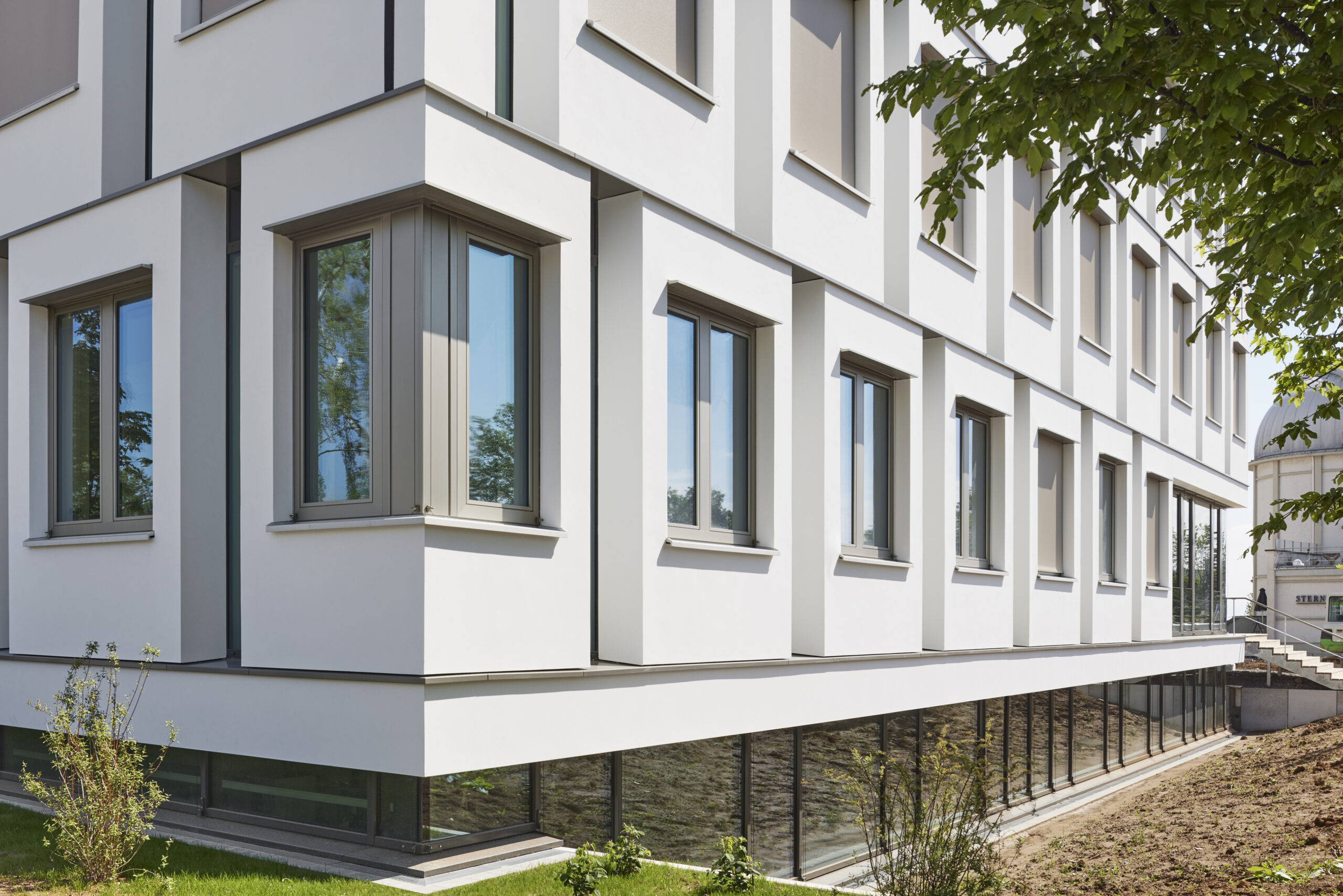
Annex to house research, practices and human genetics laboratories by Dannien Roller Architekten + Partner, Tübingen, Germany
Over the past two decades, healthcare design has been shaped by the rise of evidence-based planning, risk mitigation and performance metrics. These frameworks have brought real benefits, including better coordination between disciplines and, most importantly, improved patient outcomes. The double-edged sword, however, is that they have also narrowed the definition of success.
In many healthcare projects, architecture is tolerated so long as it does not interfere. Design ambition is often approached as something to be justified rather than assumed. Spatial decisions are framed as technical accommodations, not architectural propositions.
This is especially visible in research-driven environments, where the rigor of scientific programming tends to dominate perception. Yet, projects like the Annex to House Research Practices and Human Genetics Laboratories demonstrate how deeply architectural decisions — about massing, light and organization — can shape working conditions. However, these contributions are rarely discussed as architecture. They are absorbed into a broader narrative of performance, where spatial intelligence is rendered invisible once it functions correctly.
The Cost of Invisibility
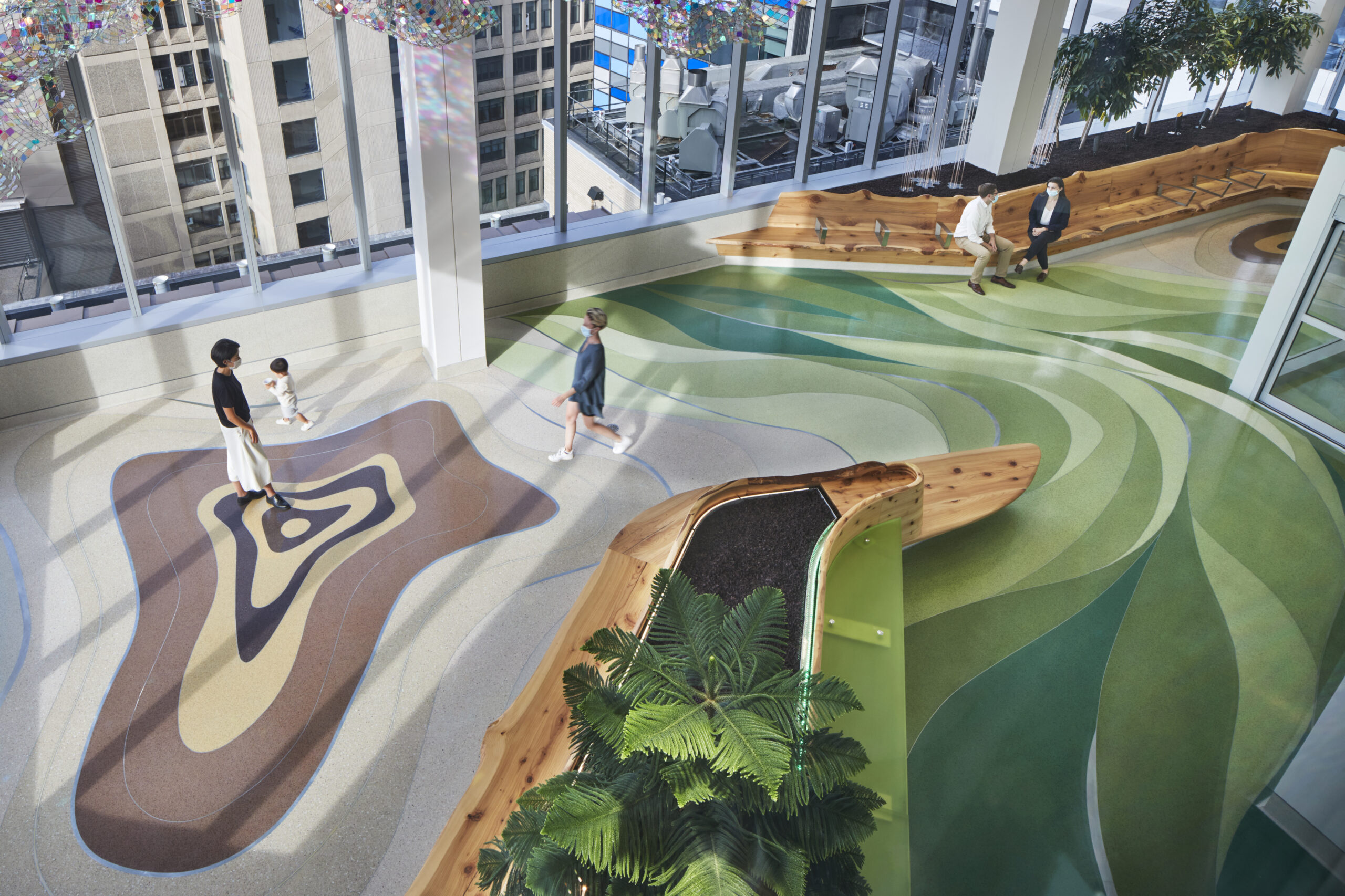
Boston Children’s Hospital Hale Family Building by Shepley Bulfinch, Boston, Massachusetts | Popular Choice Winner, Hospitals and Healthcare Centers, 14th Architizer A+Awards
Meanwhile, when healthcare buildings are treated as technical exercises, the consequences are spatial as much as cultural. Circulation becomes efficient but disorienting. Planning is optimized for current needs but resists adaptation. Sustainability is reduced to systems and equipment rather than embedded in form.
The result is not failure in a clinical sense, but it is a failure of architecture. Spaces that meet every code requirement can still exhaust staff, confuse visitors and limit a building’s ability to evolve. The problem is not that these buildings lack care; it is that architectural thinking has been sidelined in favor of procedural success.
Even in high-profile projects like the Hale Family Building at Boston Children’s Hospital, architectural contributions — from daylight strategies to interior scale and beyond — can easily be described clinically rather than critically. Many similar buildings perform exceptionally well, yet their architectural intelligence is rarely positioned as central to that performance.
Projects That Quietly Refuse the Frame
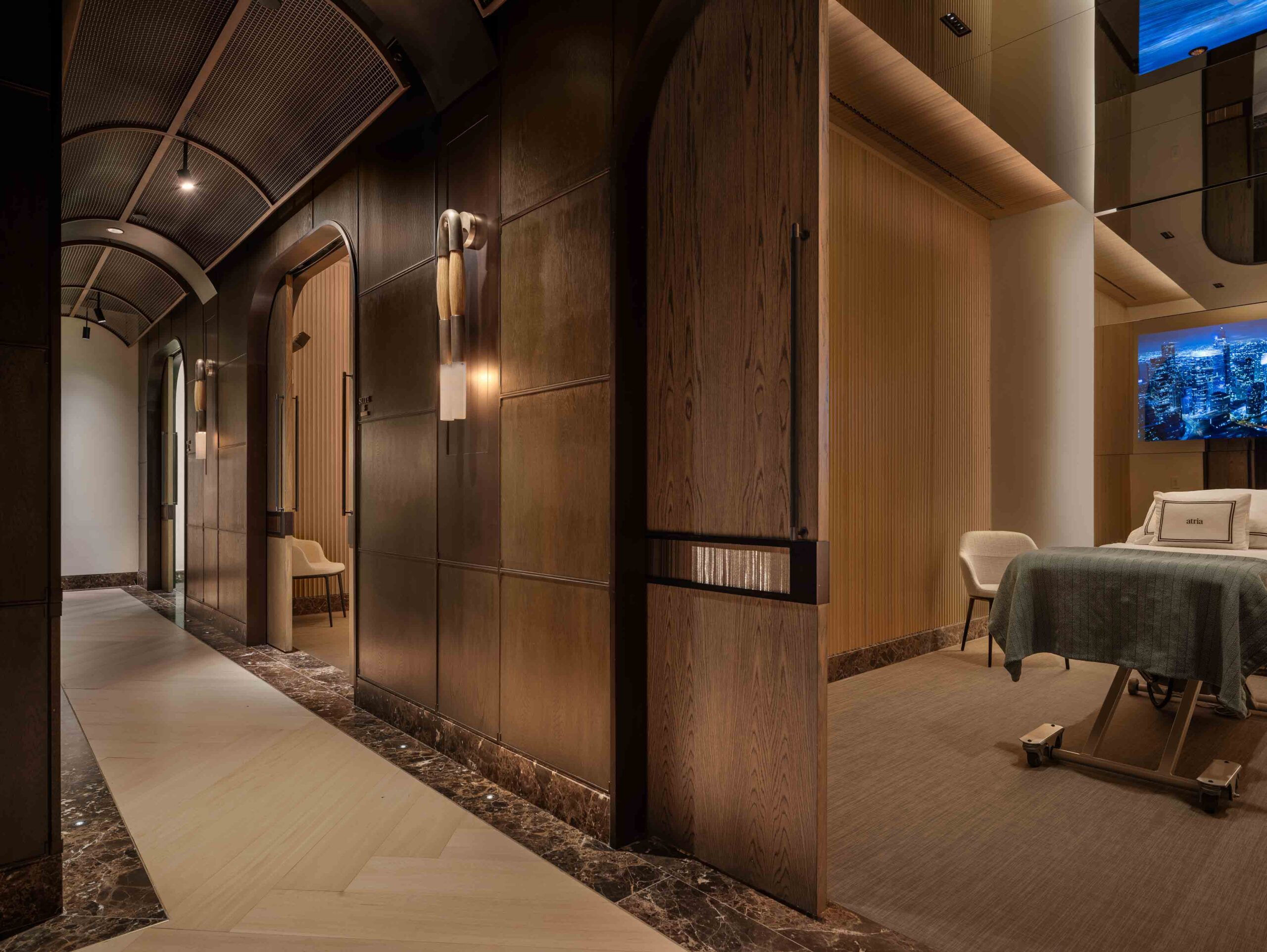
Atria Institute by Rockwell Group, New York City, New York
Despite this persistent bias, a growing body of work challenges the assumption that healthcare must recede into technical neutrality. These projects do not reject performance; they deepen it through architectural structure.
In New York, the Atria Institute occupies a unique space between healthcare, research and workplace architecture. Its hybrid program demands a level of spatial authorship that cannot be reduced to coordination alone. Here, architecture does not decorate function; it organizes it, negotiating privacy and calm in a dense urban context, without losing sight of collaboration and long-term adaptability.
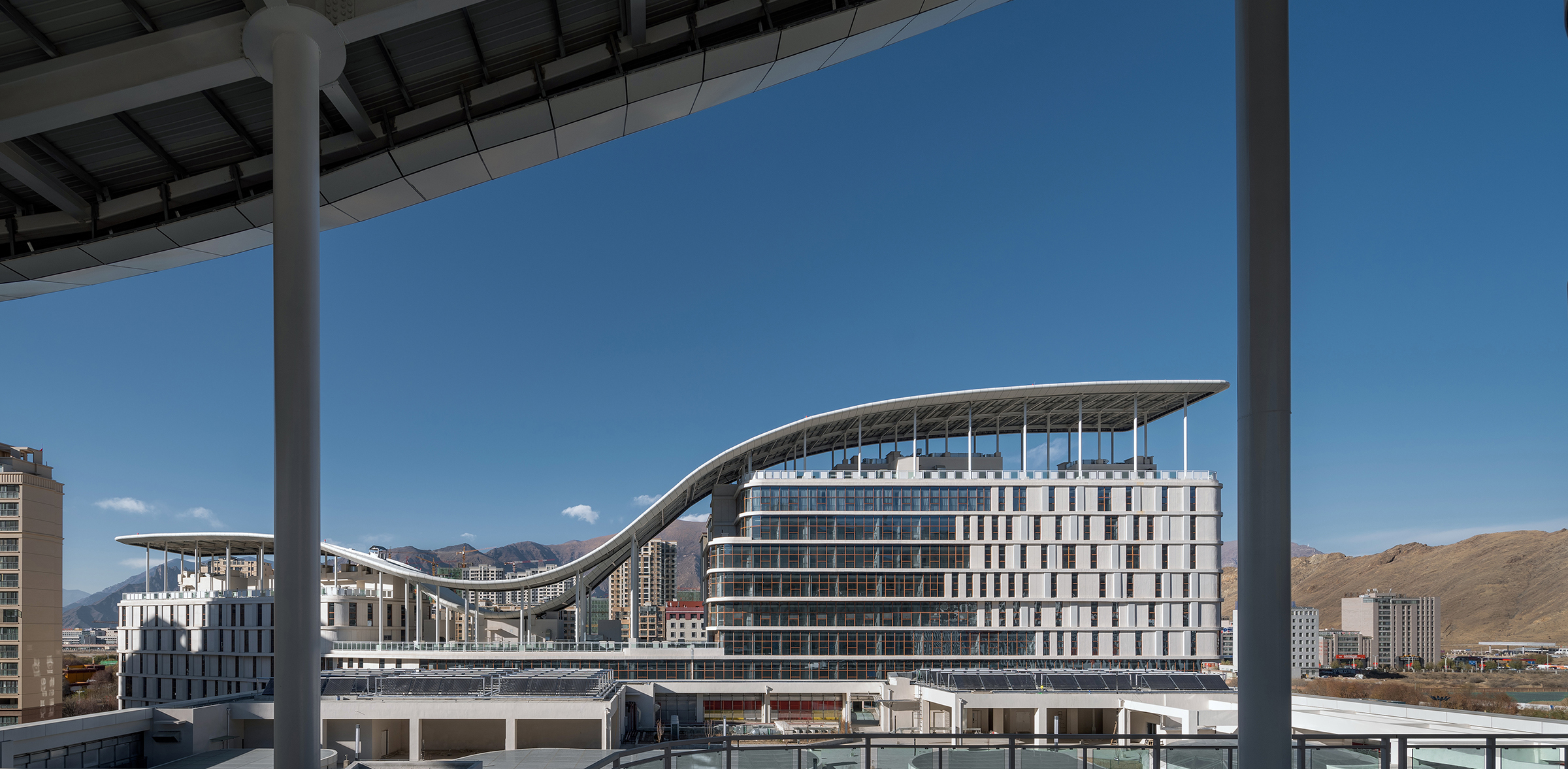
At a vastly different scale and setting, the Tibet Maternity and Children’s Hospital demonstrates how healthcare architecture can respond simultaneously to climate and culture while still attending to care. The building’s form and organization are shaped by environmental constraints that make mechanical dependence impractical. Architecture becomes an operational tool, not an expressive layer.
The Burtinlé District Hospital, on the other hand, offers another perspective entirely. Operating under limited resources, it demonstrates the critical importance of long-term thinking translated into architectural provisions, seen in passive climate strategies and durable construction. Likewise, the project is notable for the legibility of its circulation. In this context, architecture is inseparable from performance because it is the primary means by which performance is achieved.
These projects are not exceptions. They are evidence that healthcare architecture already operates at a high level of architectural intelligence — even if the profession has been slow to acknowledge it.
Sustainability Is Not an Add-On
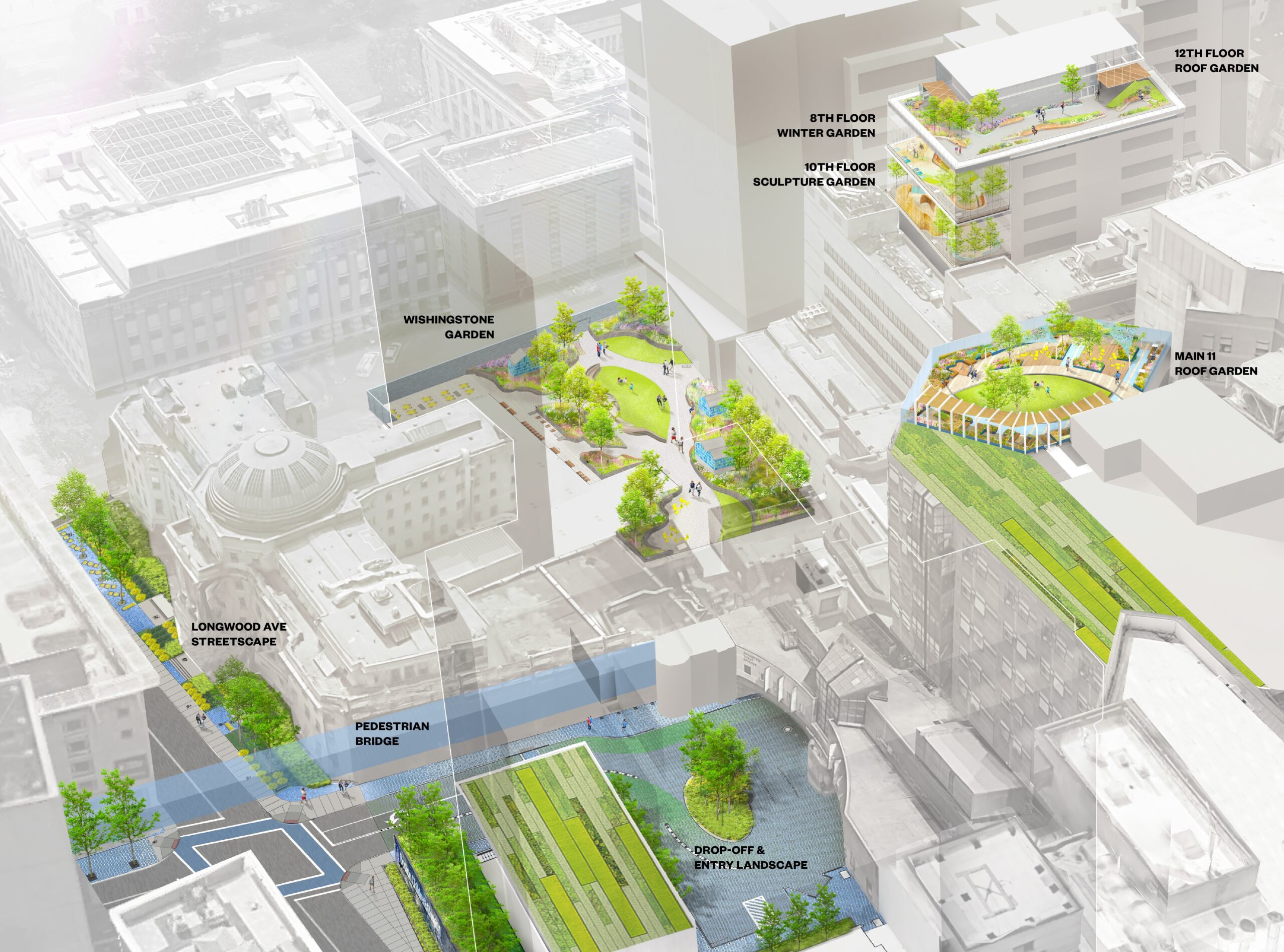
Boston Children’s Hospital Urban Green Design by Mikyoung Kim Design, Boston, Massachusetts
Nowhere is this misalignment more consequential than in sustainability. Healthcare buildings are among the most energy-intensive typologies in the built environment. They operate continuously, require strict environmental control and are expected to last for decades.
This makes healthcare architecture one of the discipline’s most urgent sustainability challenges. And yet, sustainability is often addressed at the level of systems rather than structure. The opportunity lies not in better equipment alone, but in architectural decisions that reduce long-term demand and increase resilience.
Boston Children’s Hospital illustrates this at multiple scales. The Hale Family Building integrates environmental performance into its spatial logic, demonstrating how architectural structure can support both experience and efficiency within a demanding clinical setting. At the campus scale, the Boston Children’s Hospital Green Masterplan extends this thinking further, treating landscape, circulation and adaptability as environmental tools rather than secondary considerations.
Sustainability, like so many other fundamental aspects of healthcare design, cannot be cosmetic; it must be architectural.
Why Recognition Still Matters
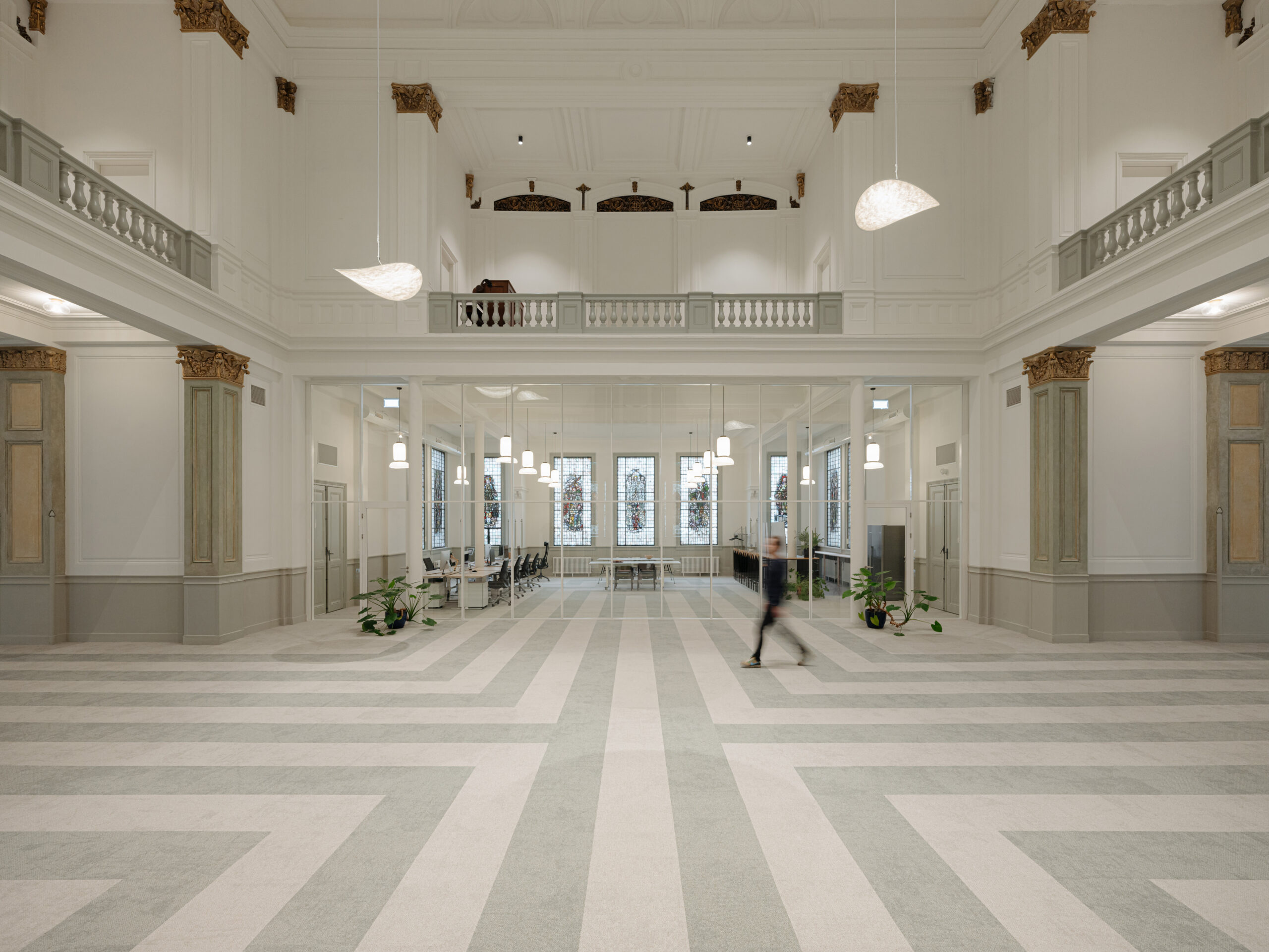
Lush Labyrinth by Bureau Fraai, Amsterdam, Netherlands
Architects are often reluctant to admit it, but awards play a quiet and powerful role in shaping professional priorities. They signal what counts as architectural excellence. They influence how clients frame briefs. They determine which forms of architectural labor are made visible — and which are quietly absorbed into other disciplines.
This matters acutely in healthcare-adjacent work, where architecture frequently operates between categories: part renovation, part interior, part research environment, part spatial experiment. Projects like Lush Labyrinth sit uncomfortably within conventional typologies, despite making a clear architectural argument about how space, movement and atmosphere can reshape institutional environments. When work like this struggles to find recognition, it is not because it lacks ambition, but because existing frameworks are too narrow to acknowledge it (notably, however, this particular project was named a Finalist in the Hospitals and Healthcare Centers category at the 13th A+Awards).
Recognition does not simply reward finished buildings. It defines the boundaries of the discipline itself. When healthcare architecture is underrepresented — or only recognized when it conforms to familiar narratives of efficiency — design ambition becomes optional by default.
The Discipline’s Real Test
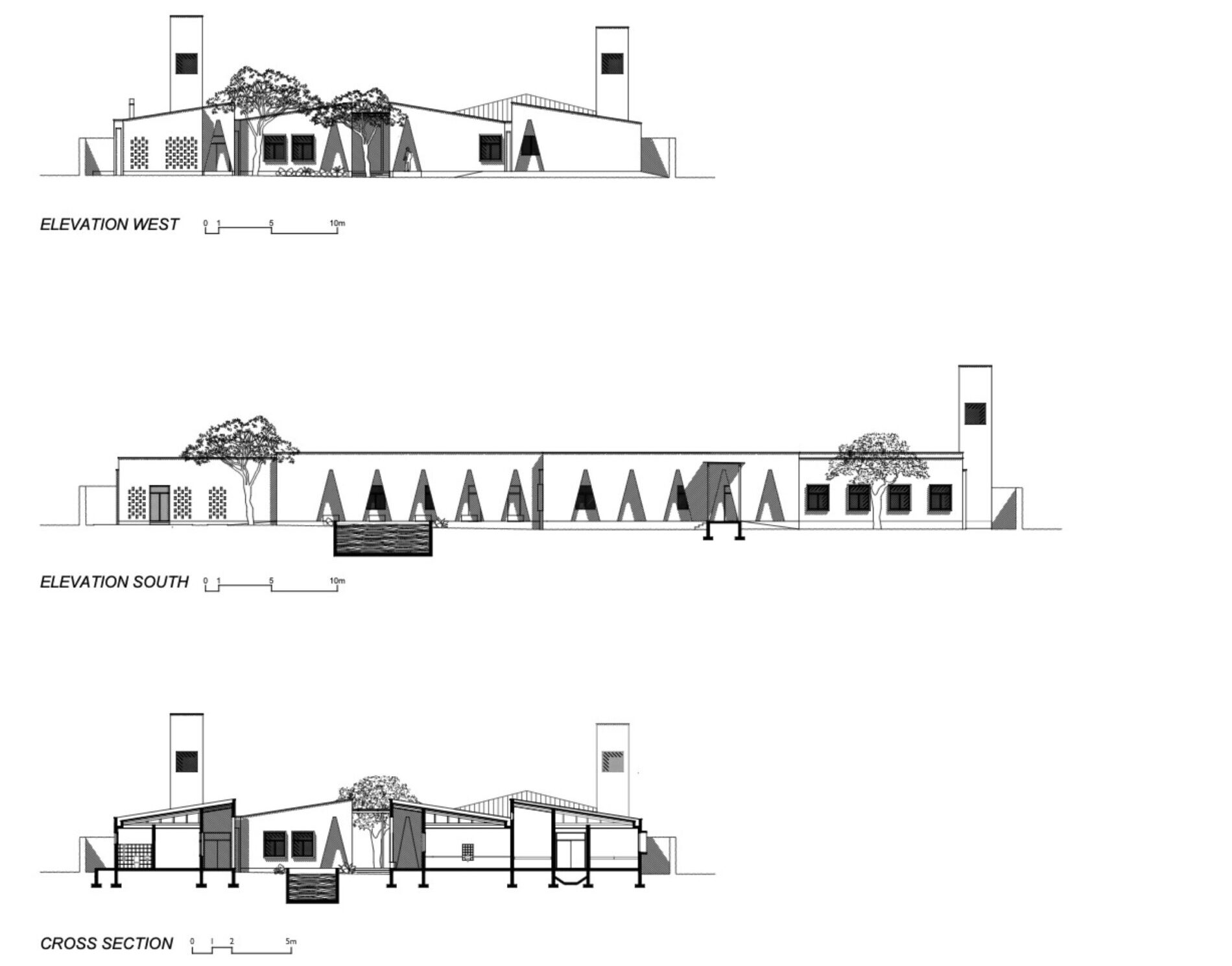
Burtinle District Hospital by APC Architectural Pioneering Consultants, Burtinle, Somalia | Jury Winner, Hospitals and Healthcare Centers, 13th Architizer A+Awards
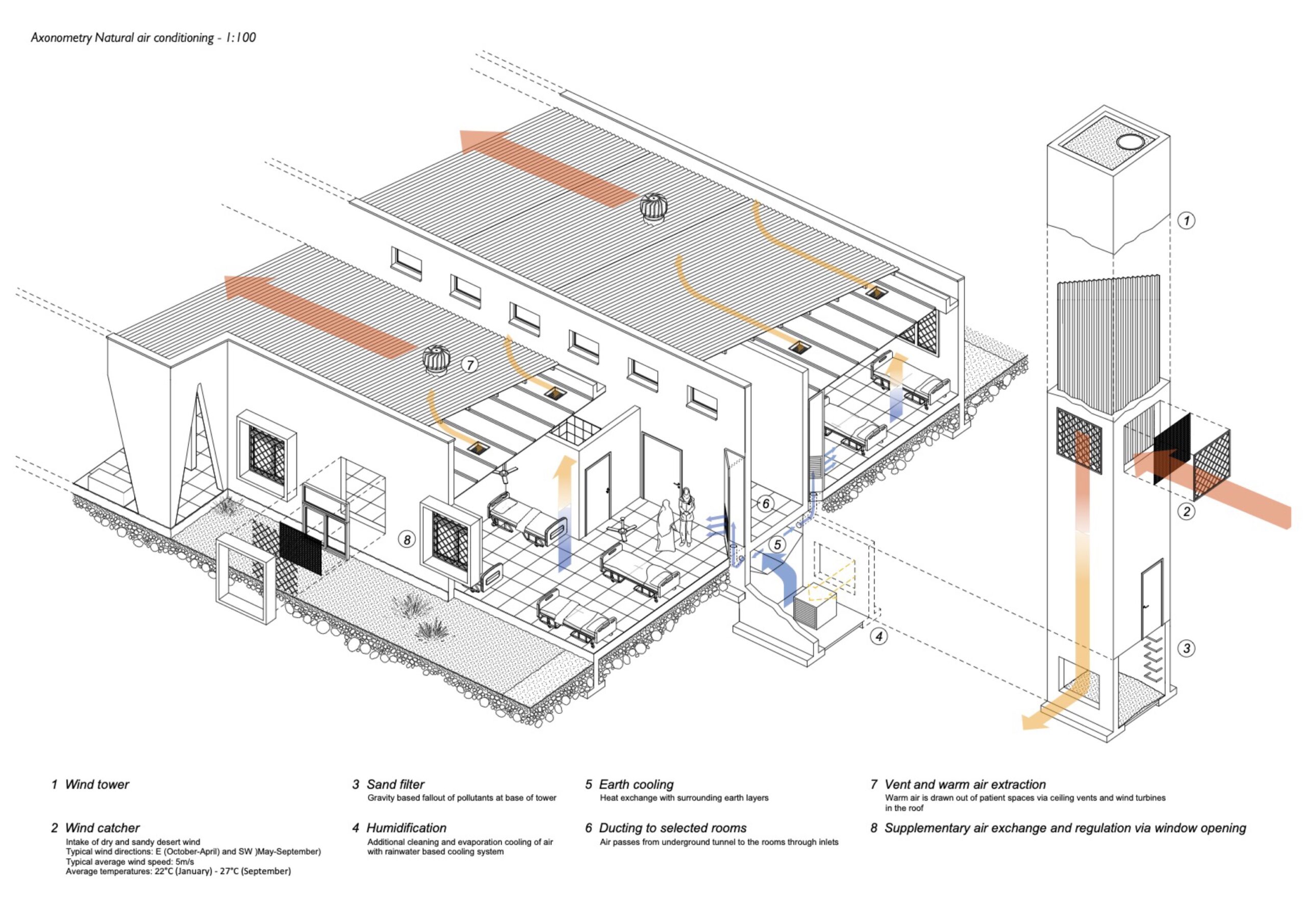
Burtinle District Hospital by APC Architectural Pioneering Consultants, Burtinle, Somalia | Jury Winner, Hospitals and Healthcare Centers, 13th Architizer A+Awards
If healthcare buildings are to be taken seriously as architecture, they must be evaluated on architectural terms. That means asking different questions:
Can the building be understood under stress?
Is it adaptable over decades, not just optimized for the present?
Are structure, systems and envelope working together rather than in parallel?
Does environmental performance emerge from form and planning, not just equipment?
Projects like the Burtinlé District Hospital and the Tibet Maternity and Children’s Hospital already meet these criteria. They demonstrate that architectural thinking is not a threat to performance, but its foundation.

Tibet Maternity and Children’s Hospital by BAZUO Architecture Studio, Tibet, China
Healthcare architecture is not a niche category; it’s a fundamental element of human society. It is where architecture’s relevance is tested most directly — in moments of vulnerability and pressure, which are also weighted by long-term responsibility. Treating these buildings as engineering problems with aesthetic constraints limits the discipline’s agency at precisely the moment it should be most confident.
If architecture wants to matter where it is most needed, it must claim healthcare unapologetically as design. Not despite its constraints, but because of them.
The judging process for Architizer's 14th A+Awards is now underway. Subscribe to our Awards Newsletter to receive updates about Public Voting, and stay tuned — winners will be announced later this spring.
Enter Your Healthcare Project in the 14th A+Awards→
Featured image (top): Tibet Maternity and Children’s Hospital by BAZUO Architecture Studio, Tibet, China