
Architizer's 14th A+Awards judging is live! Subscribe to our Awards Newsletter for updates on Public Voting and the big winner reveal later this spring.
If this year’s Architizer A+Awards have proven one thing, it’s that great architecture can emerge from even the smallest of firms, located anywhere around the world. Until recently, architectural excellence usually emerged from major cities or institutions, equipped with the funds and imbued with the intellect and the culture necessary to deliver outstanding design. Cities such as New York, London, and Tokyo, as well as many renowned architecture schools, were the places to go to if architects wanted to “make it.” However, in the past couple of years, architectural talent and innovation are no longer confined to traditional centers of power, but instead emerge from unexpected corners of the world. This “decentralization of architecture” is attributed to an array of democratizing forces that are gradually reshaping the way the architectural field operates.
One major flaw of architecture as a discipline is its extensive elitism. Throughout the centuries, various schools, including the Bauhaus, MIT, and the Architectural Association, as well as numerous starchitect firms, have become hubs of design innovation, carving out their own unique paths and promoting their distinctive design philosophies. These architectural powerhouses became centers for education and practice, drawing media attention, followed by awards and commissions. Although they have undoubtedly enriched the architectural field, they have also promoted a trend of gatekeeping and homogenization.
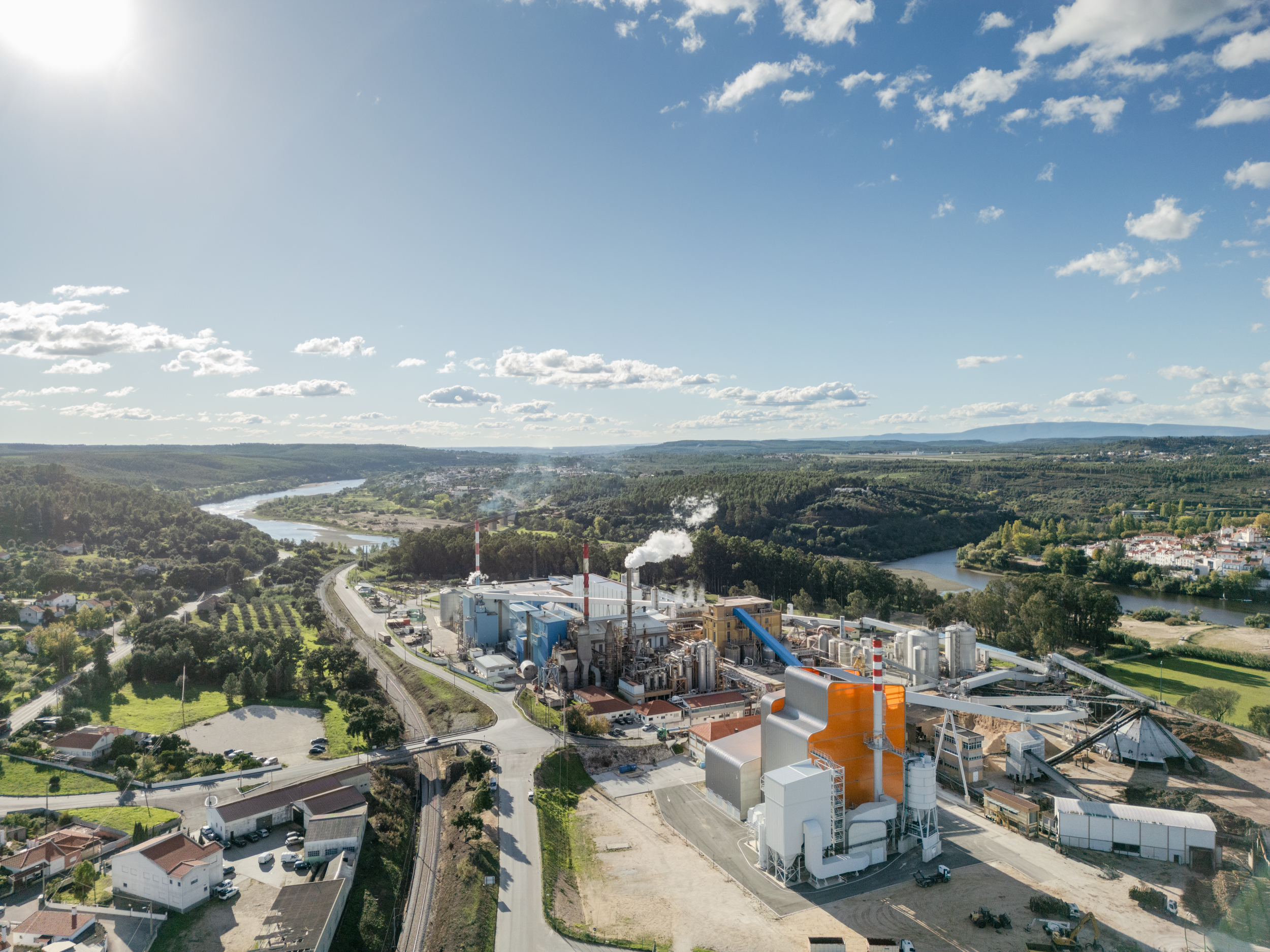
Go-Green Biomass Power Plant by Urbansense Arquitectura e Planeamento, Constância, Portugal | Finalist, Factories & Warehouses, 13th Architizer A+Awards
So now let’s consider, what are the forces that drive this new phenomenon of architectural decentralization? Of course, the most obvious revolution comes from the internet. Access to global portfolios, online publications as well as massive social media exposure allows small firms and even solo practitioners to showcase their work without having to invest in an expensive and often time-consuming marketing strategy.
Additionally, the increase of open access design tools such as visualization and modeling software and more recently the rise and extensive accessibility of AI have enabled architectural practitioners with less resources to tackle larger projects. This open-access philosophy also extends to education, with online course, webinars and remote design studios breaking down the barriers of traditional architecture schools. Finally, one significant cultural shift that has immensely influenced architectural design is an emphasis on local narratives and context specific proposals, drawing in parallel from global innovation and diversity.

Go-Green Biomass Power Plant by Urbansense Arquitectura e Planeamento, Constância, Portugal | Finalist, Factories & Warehouses, 13th Architizer A+Awards
Go-Green Biomass Power Plant for example, is a project by Urbansense Arquitectura e Planeamento in Constância, Portugal, which was a finalist in this year’s A+Awards for the Factories and Warehouses category. The concept behind the design was to develop an “envelope” for a factory that, in 2021, became the first Iberian cellulosic fibers producer free of fossil fuels. The idea was to develop a design that went beyond simple protection from the surrounding environment, making function evident through form, materiality and color. The project demanded an extensive knowledge of local practices as well as resources that could tackle the technical and environmental challenges for developing this exterior skin.
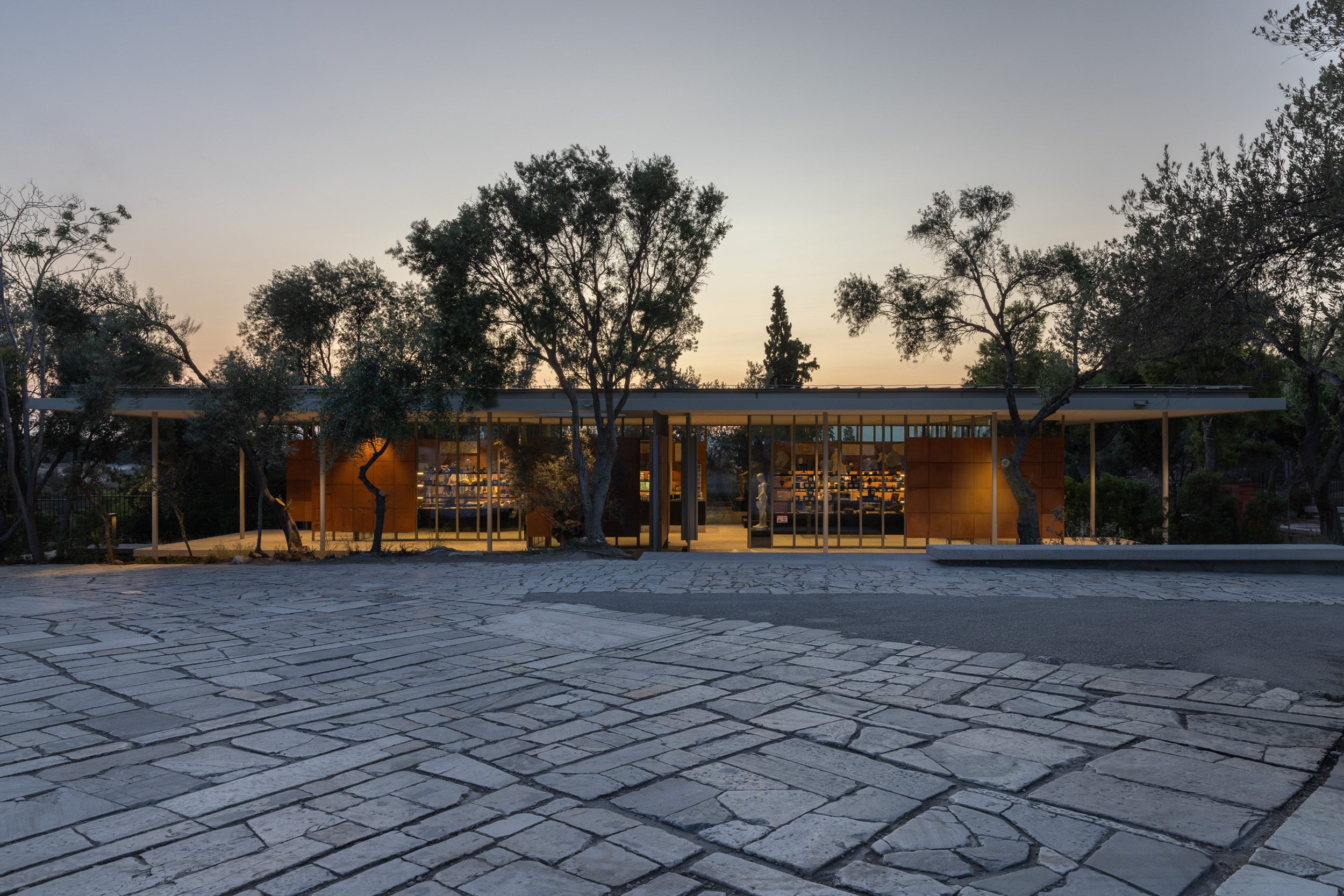
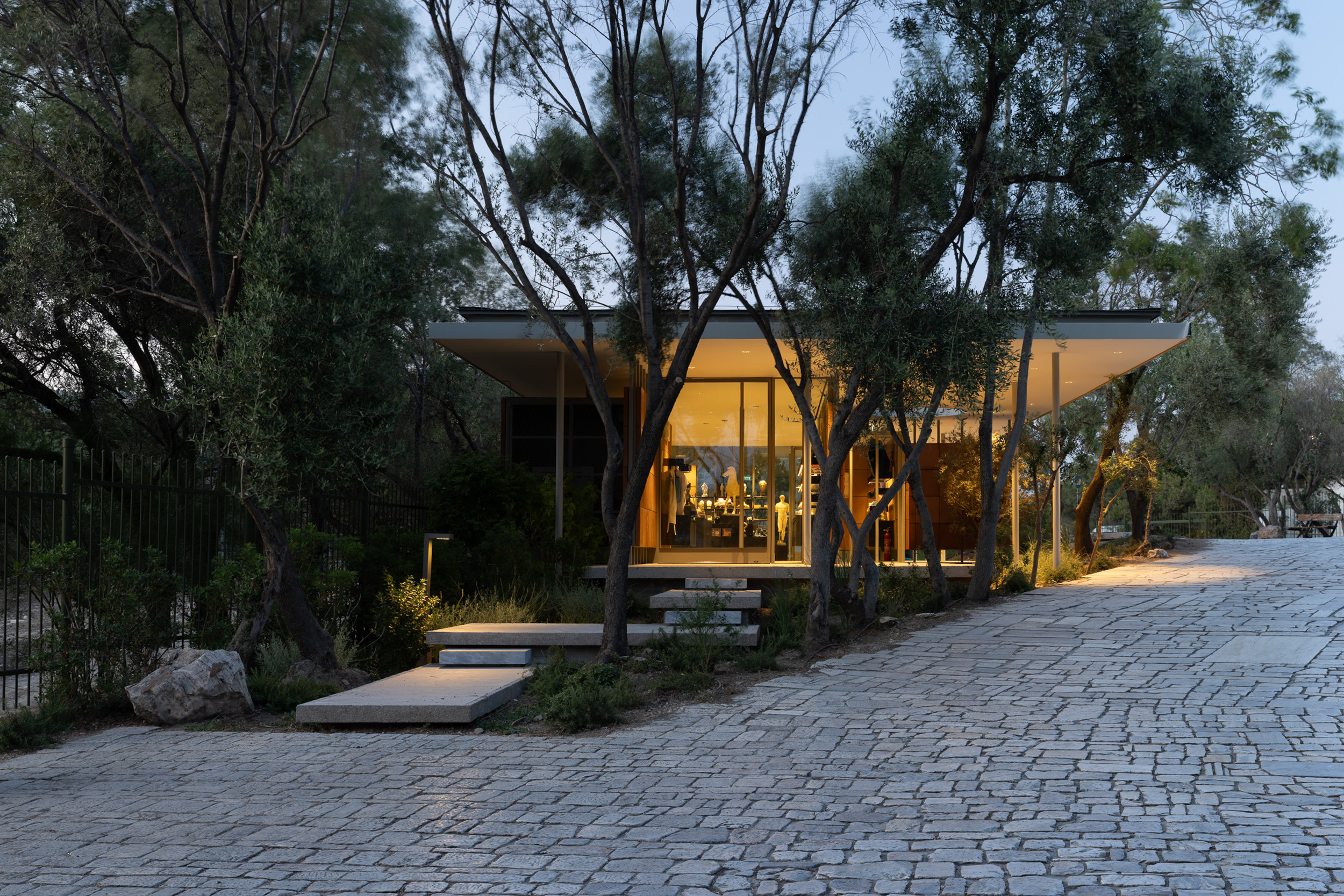
Acropolis shop by FLUX office, Athens, Greece
Additionally, the recently completed Acropolis shop in Athens by FLUX office, became a new, profound landmark of such a historic area. Set along the famous midcentury pathway to the Acropolis designed by Greek architect Dimitris Pikionis, the shop takes the form of a lightweight canopy under which a series of enclosed and semi-enclosed spaces are freely arranged. The structure’s materials respond to Pikionis’ adjacent pathway: GRC / ceramic panels act as a reference to the site’s soil while green tinted zinc cladding used on the roof reflect the surrounding foliage. Considering the project’s position and relevance to the city, the design required extensive local knowledge and sensitivity as well as local craftsmen and resources for its implementation, to deliver a contemporary intervention that resonates deeply with its historical context

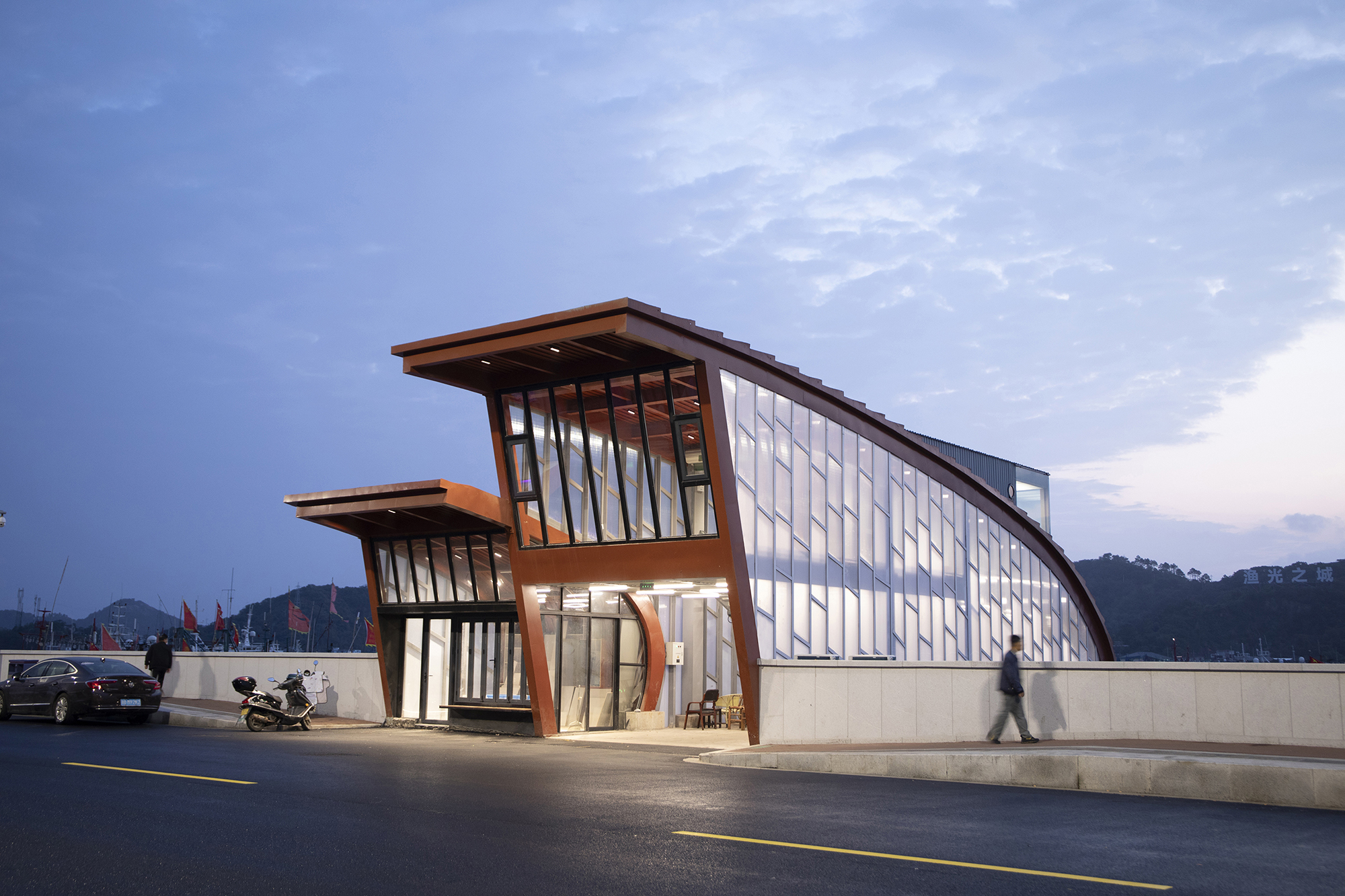
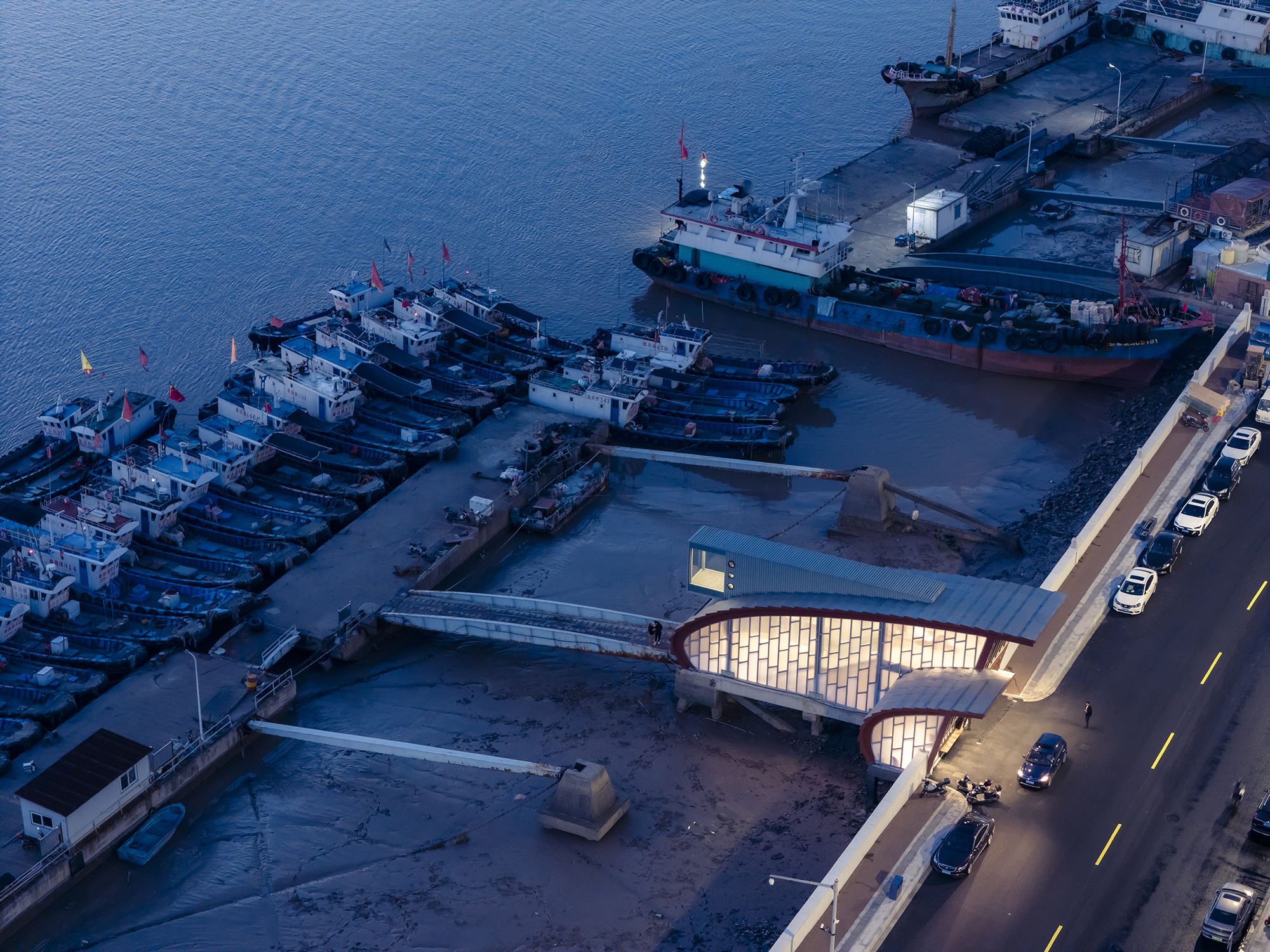
Fishermen Light Cinema-Dongmen Pier Renovation by TheY Architects, Ningbo, China | Finalist, Architecture +Adaptive Reuse, 13th Architizer A+Awards
Lastly, Fishermen Light Cinema by TheY Architects is an adaptive reuse project that transformed an industrial passage building into a theatre and seaside cinema, located at Dongmen Pier on South Yugang Road in Shipu Town, China. The design concept and specifically the façade draws from town’s folklore — its known as the “City of Fishermen Light” — by nodding to the flickering lights on fishing boats since ancient times as well as the poignant era of fishermen’s joys and sorrows captured in the 1934 film “Song of the Fishermen,” filmed in Shipu. The new function and morphology embrace the existing shell and attempt to form a symbiotic relationship amongst the different uses and symbolisms of the building, setting up a narrative stage for such spontaneous events.
These examples prove that decentralization is well underway in architectural practice, where smaller firms complete on a global stage and tackle projects around the world, thus urging the need for recognition by more inclusive and geographically diverse juries and competitions. This new paradigm has begun from practice, and it seems that it gradually influences education as well, making it more accessible and adaptable to local contexts. As a result, the role of elite institutions or the notion of the “Starchitect” figurehead are being reexamined — not as sole gatekeepers of architectural excellence, but as participants in a broader, more interconnected ecosystem of learning.
Architizer's 14th A+Awards judging is live! Subscribe to our Awards Newsletter for updates on Public Voting and the big winner reveal later this spring.
Featured Image: Fishermen Light Cinema-Dongmen Pier Renovation by TheY Architects, Ningbo, China, Finalist, 2025 A+ Awards, Concepts Architecture + Adaptive Reuse