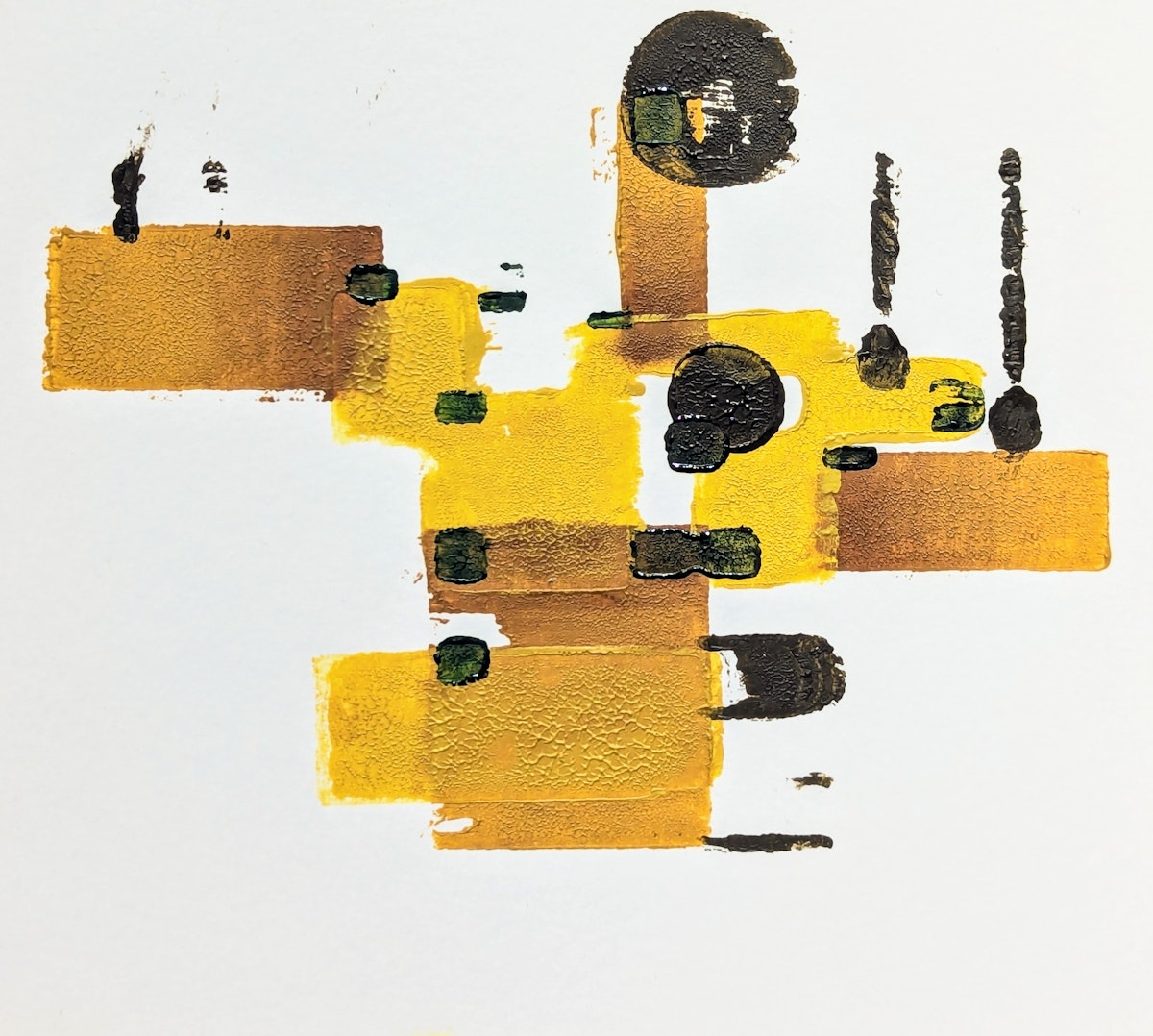
To Make Is to Think: The Case for Research Through Design
What if we viewed every drawing or model as an act of research, instead of a mere representation of the final "product"?
In-depth case studies on amazing architecture and the building-products that helped make it a reality.
What if we viewed every drawing or model as an act of research, instead of a mere representation of the final "product"?

Concrete, steel, wood and glass still anchor contemporary design, now evolving toward lighter, smart er and more sustainable forms.
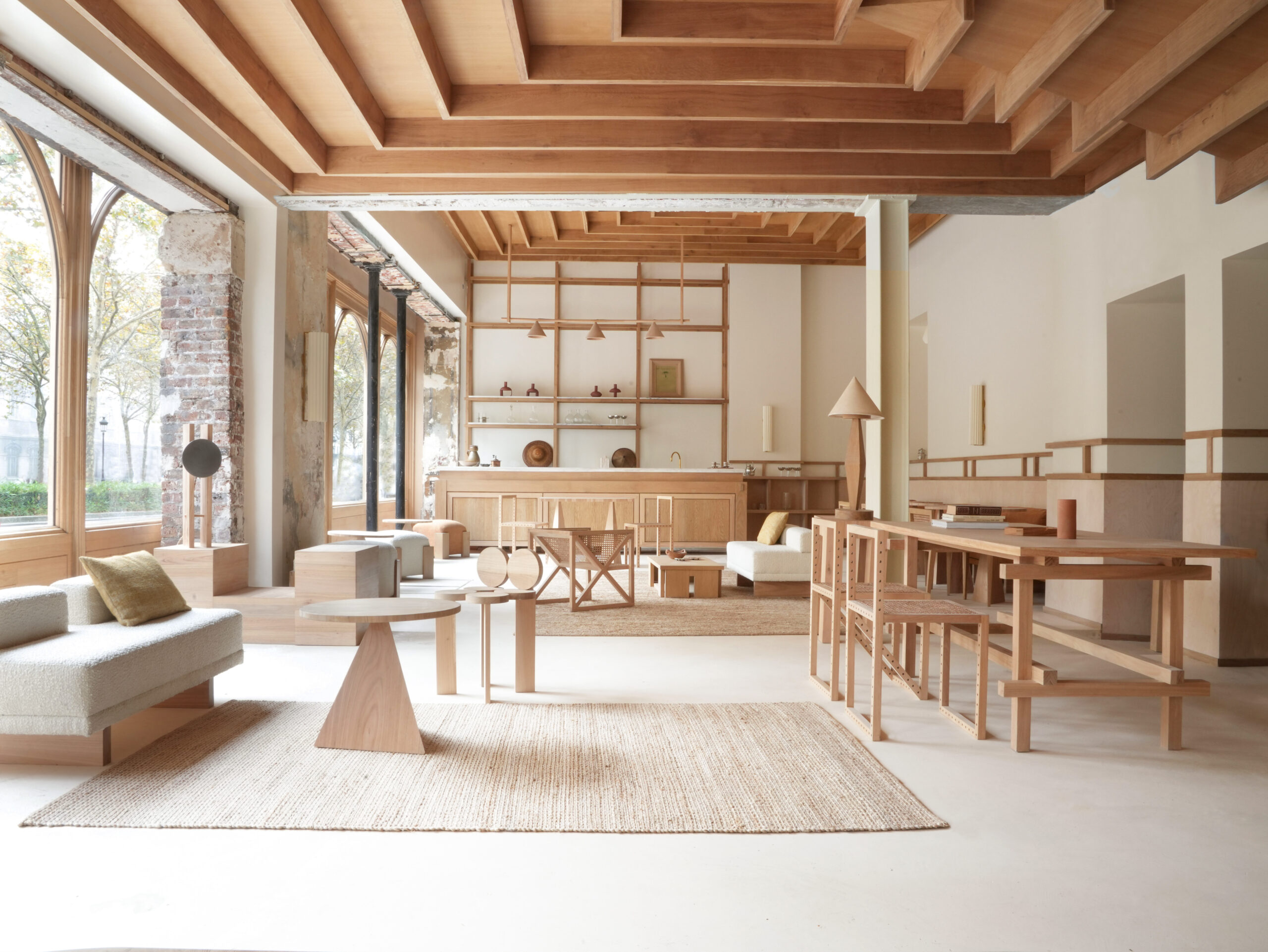
Policronica’s solar-drying method transforms a flammable invasive species, sparking new directions f or sustainable design.
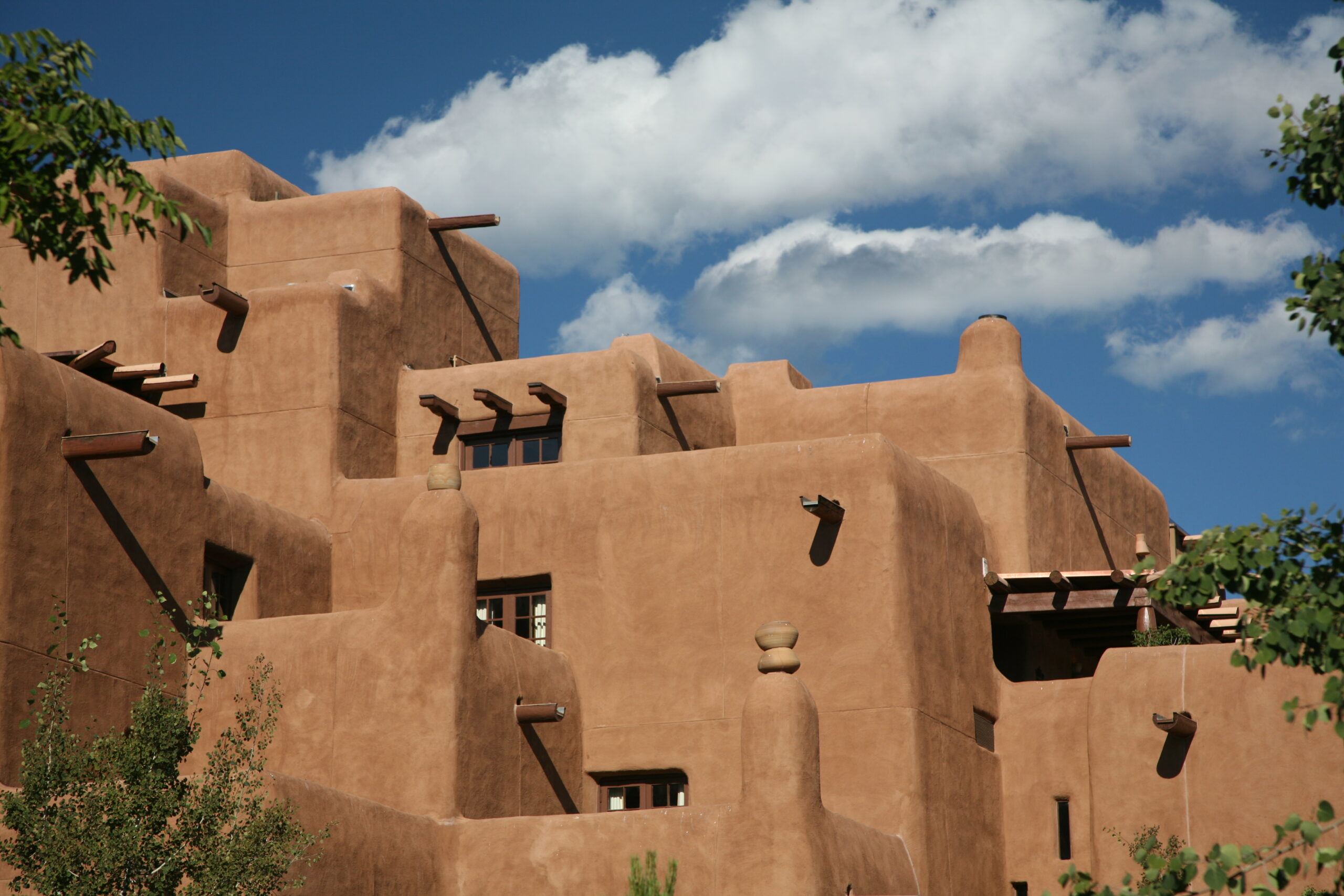
Dive deep into the policies, architects and philosophies that made a desert capital an icon of regio nal modernism.
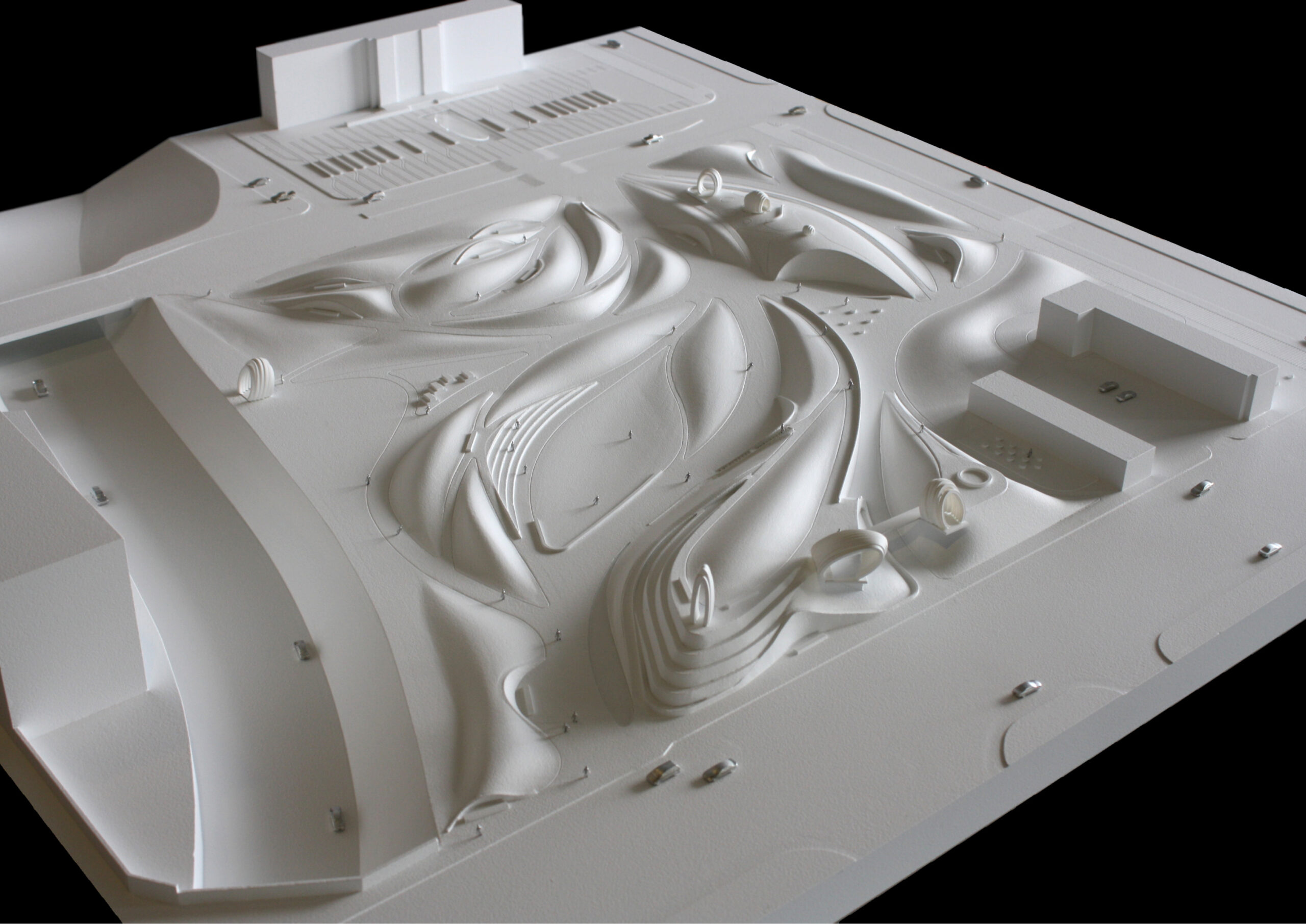
What happens when design — not profit — becomes the metric for value in our cities?
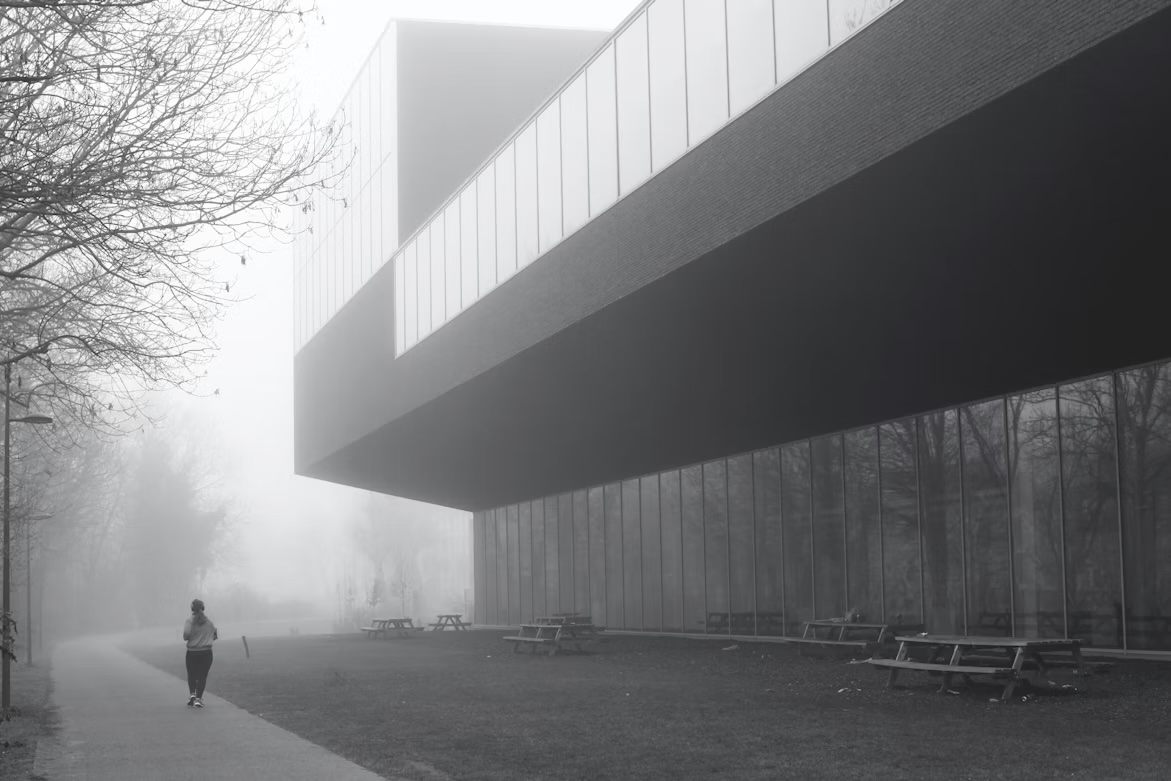
The clean lines of glass and steel were meant to exorcise the past — instead, they made its ghosts v isible.
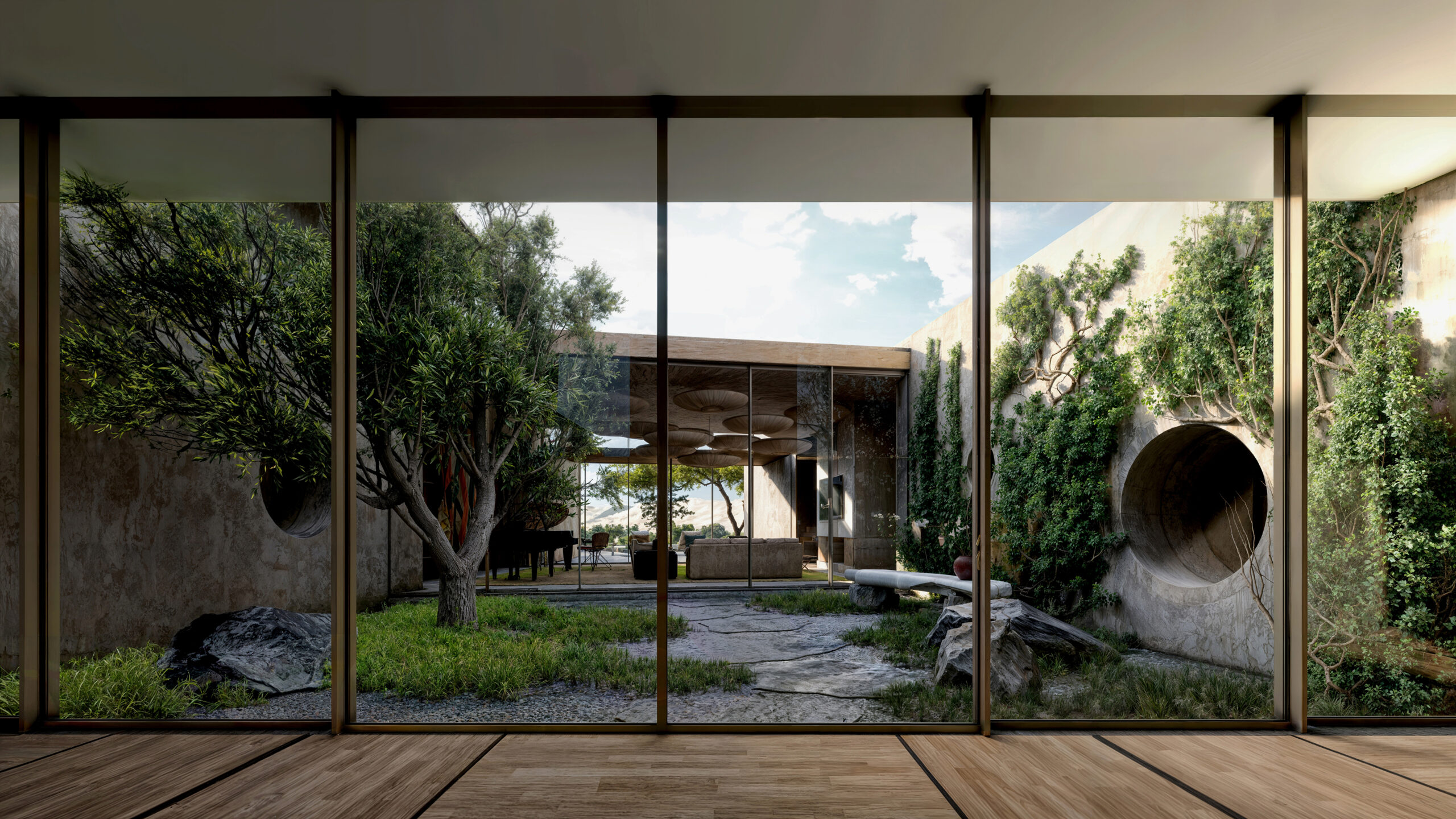
Forget Mad Max dustscapes. Post-apocalyptic design aesthetics reveal unexpected ways to align archit ecture with ecological resilience.
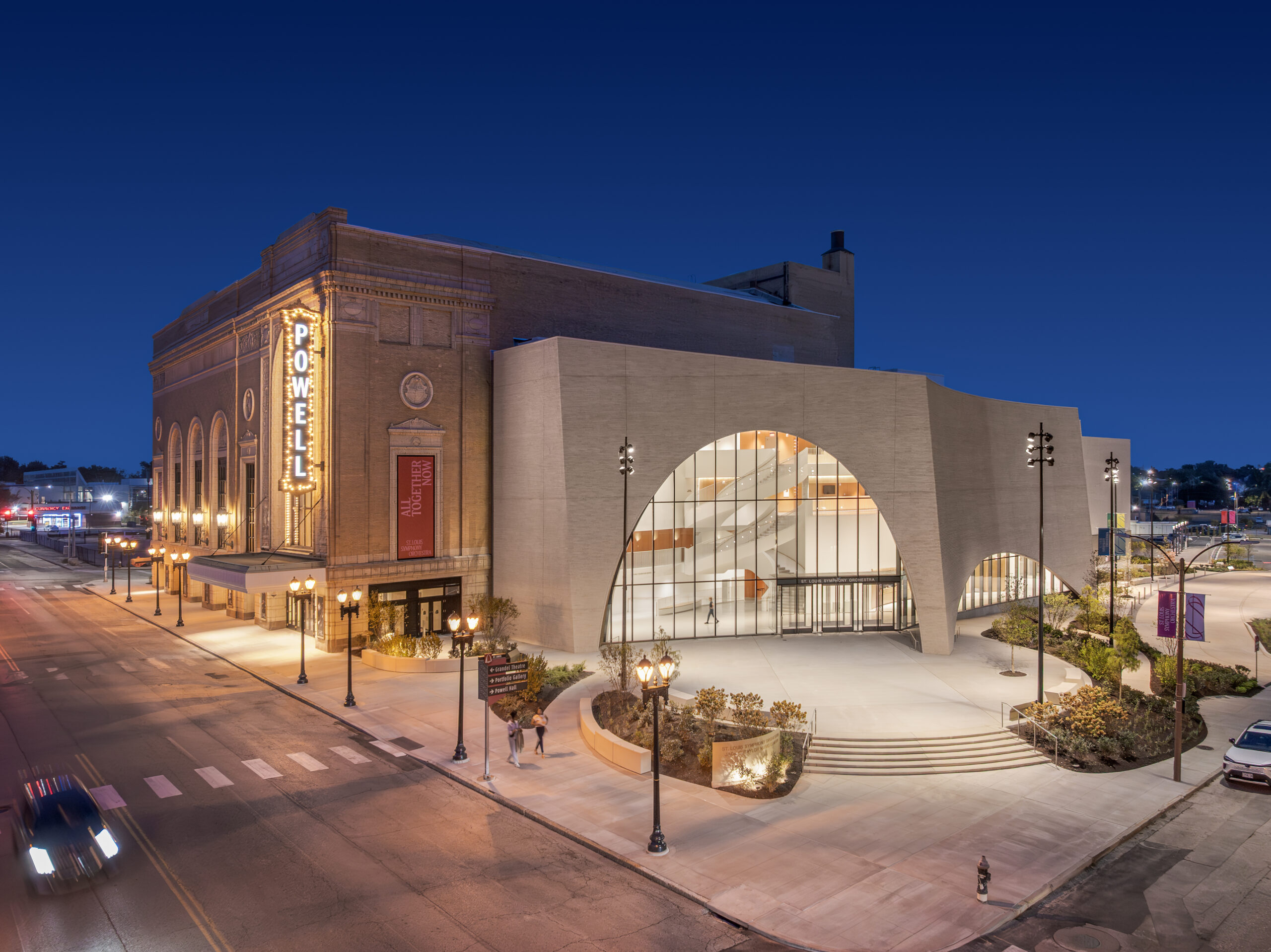
Craig Dykers and Takeshi Tornier reveal how canted brick, expansive arches and new public spaces hav e transformed a historic concert hall.
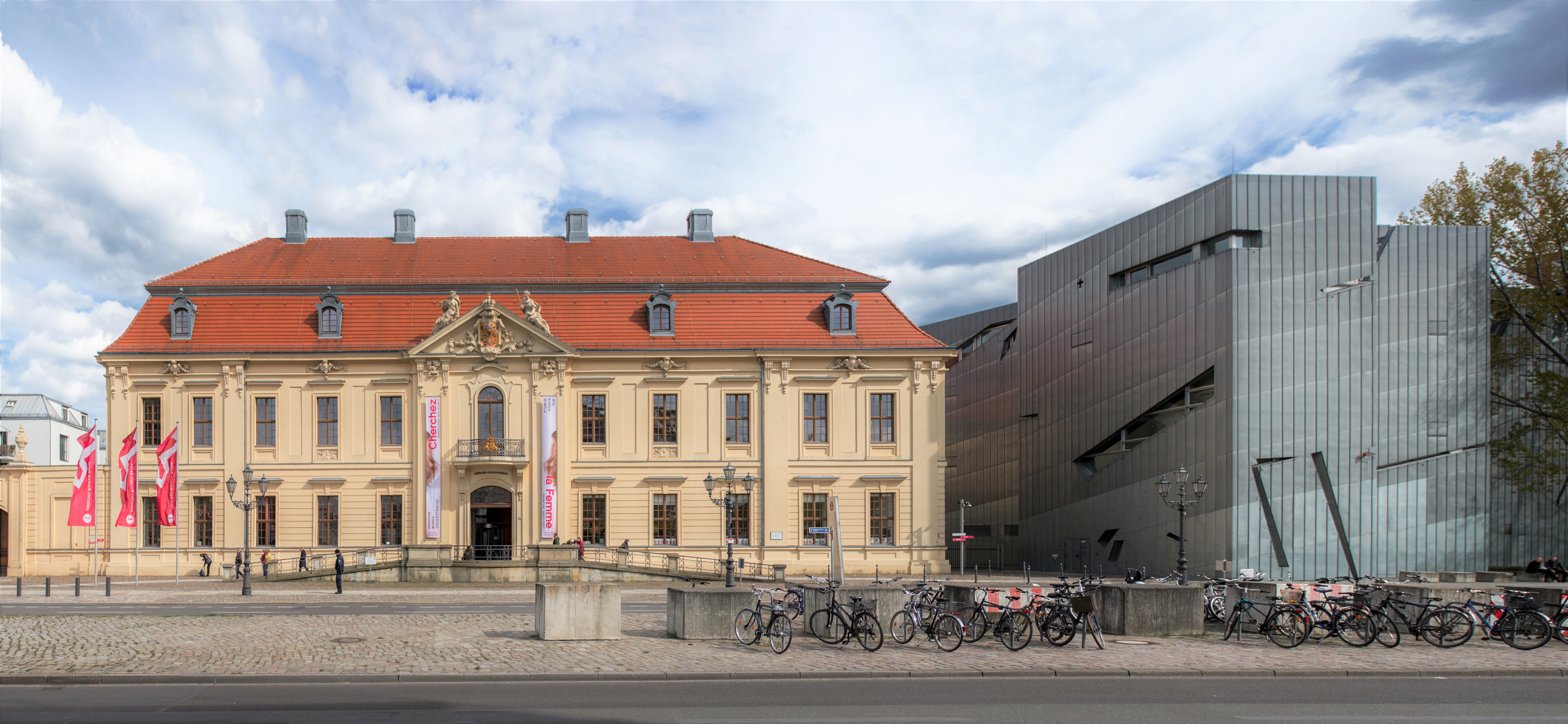
From cosmic diagrams to narrative thresholds, myths structure how societies organize space, guiding architecture from antiquity to the digital age.