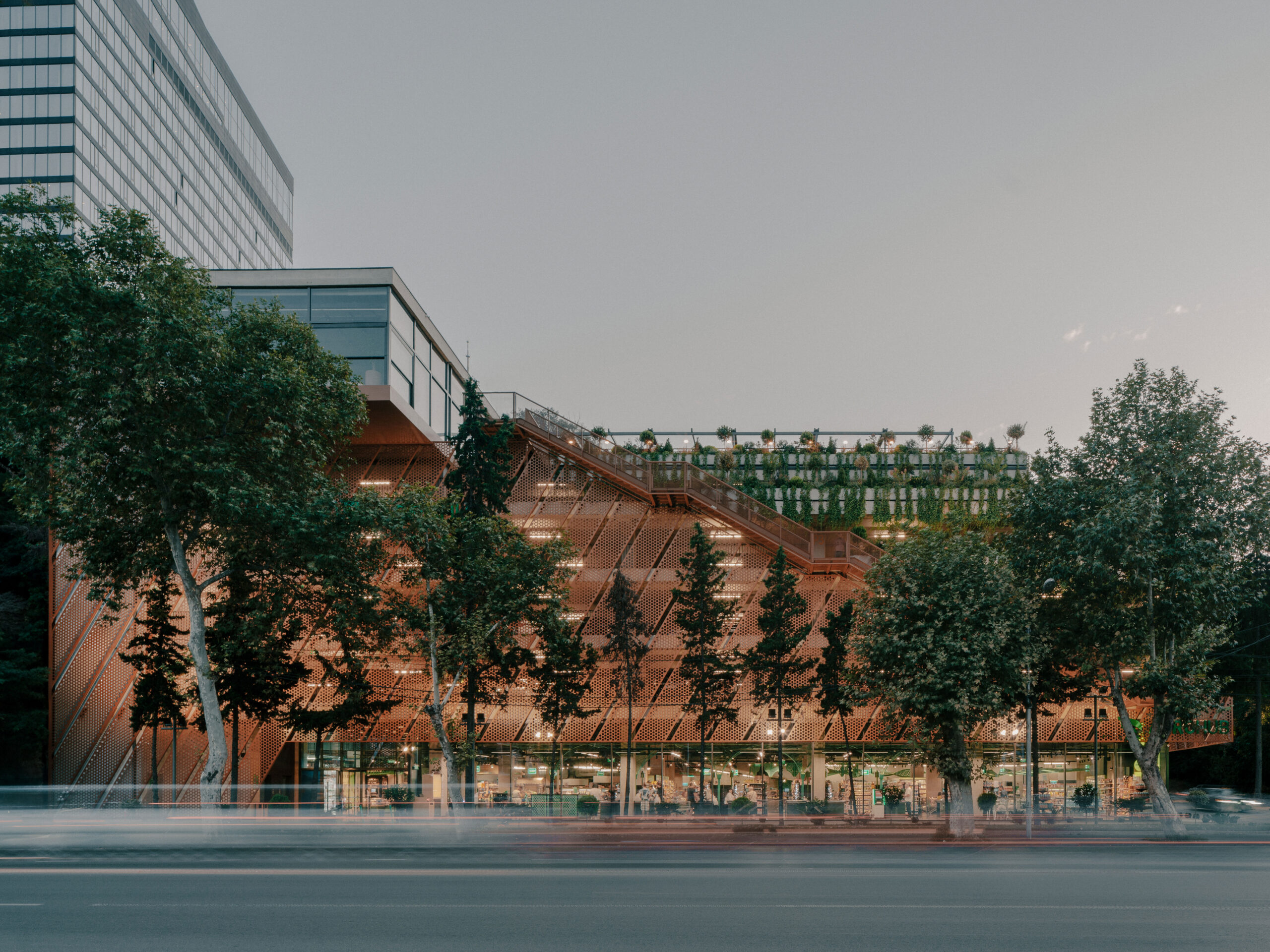
Should Architects Stop Designing for the “User” and Start Designing for Time?
As programs shift faster than buildings age, some architects are rethinking user-centered design in favor of more open architectural frameworks.
In-depth case studies on amazing architecture and the building-products that helped make it a reality.
As programs shift faster than buildings age, some architects are rethinking user-centered design in favor of more open architectural frameworks.

Cities reveal a second design brief once the sun goes down.
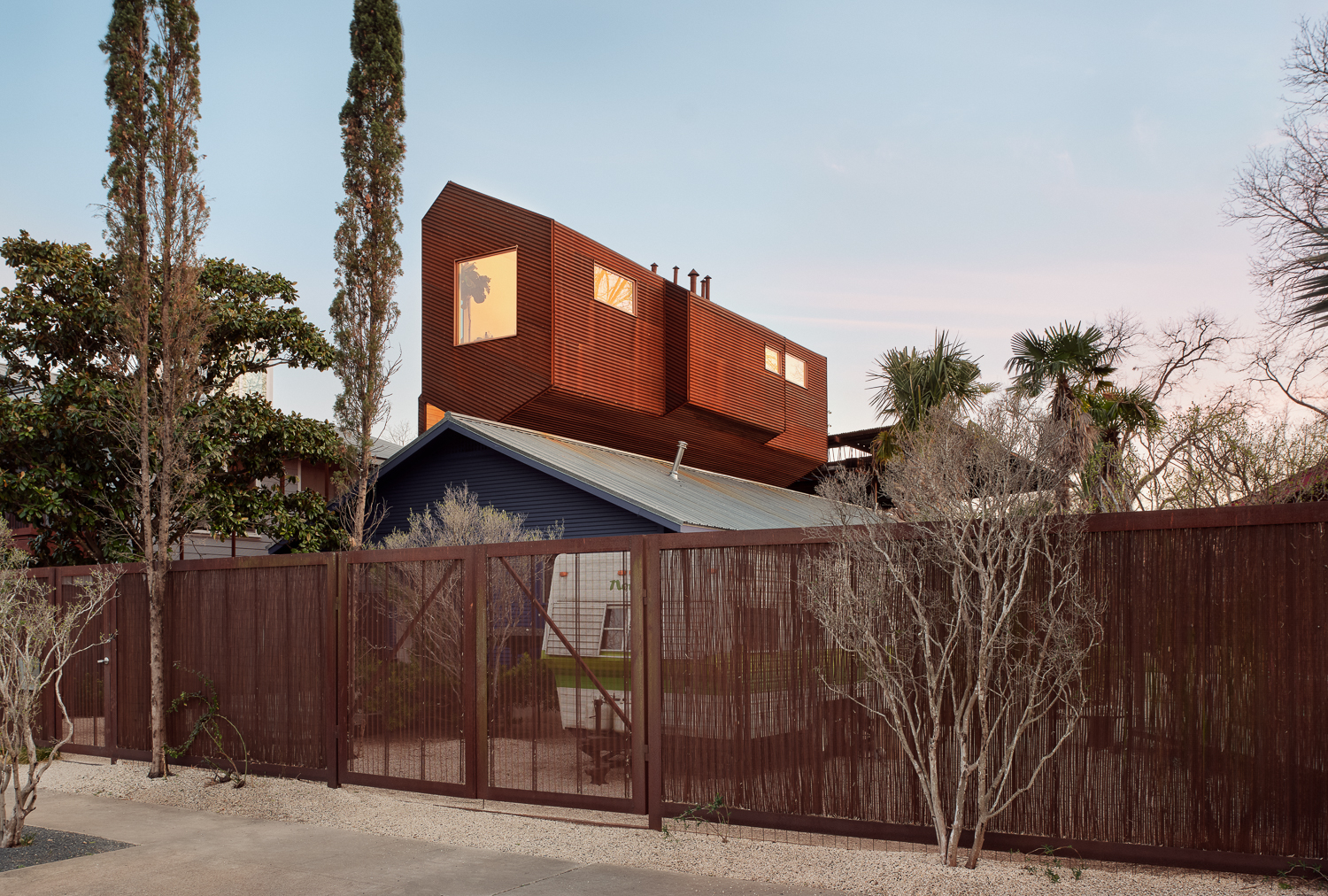
Architectural concept statements are full of clichés. Ironically, AI exposes weak ideas, rewarding p rojects grounded in clear briefs.
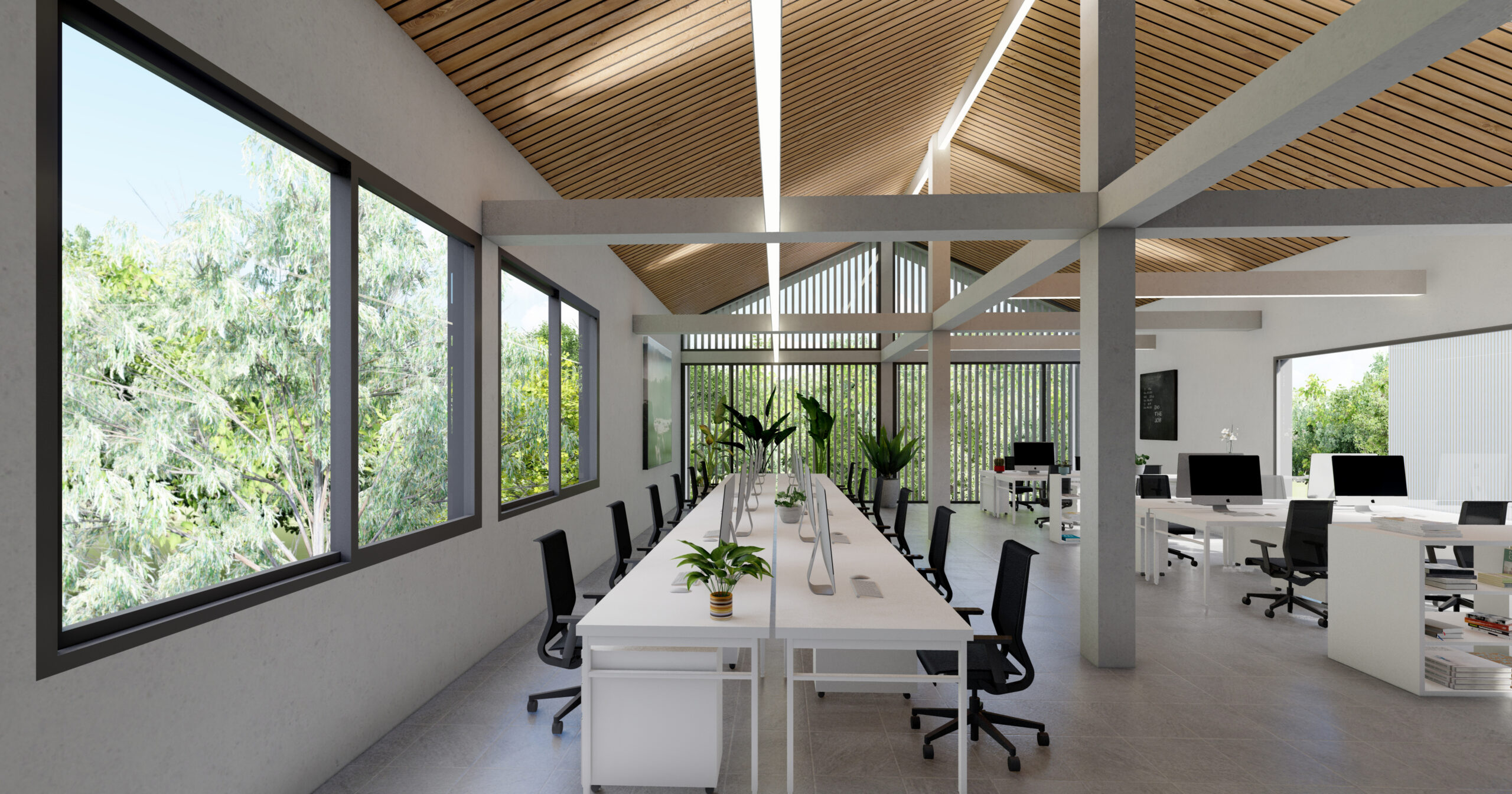
Join us for a day in the life of an architect, operating somewhere between caffeine management, prob lem translation and negotiating reality.

If architects want to elevate their building's environmental performance, reflecting their design in telligence, the language they use must evolve.

A famous architect once said, "Less is more." When it comes to using AI for marketing, architects sh ould follow the same advice.
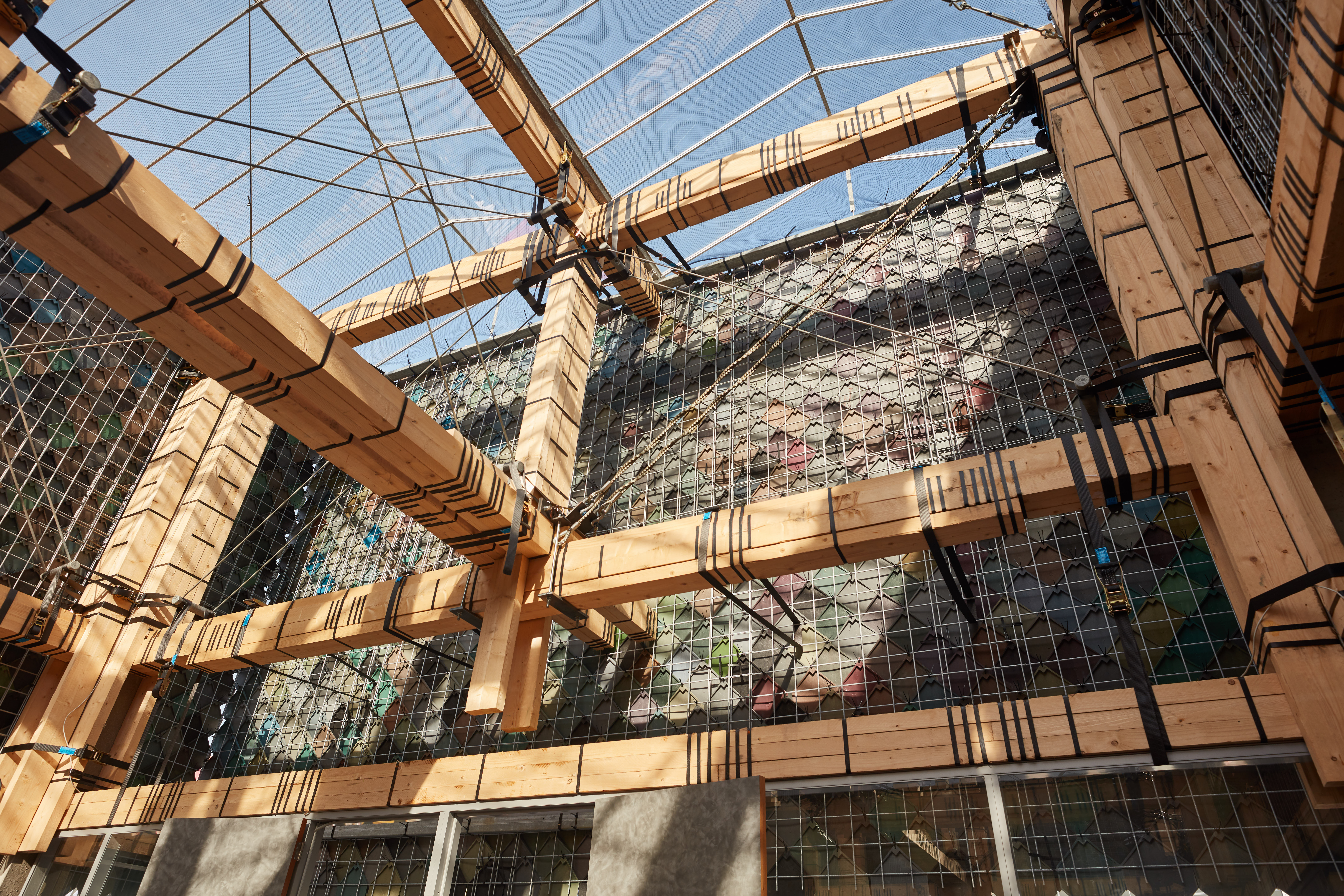
Recycling rhetoric falters when synthetic systems cannot be separated from rubble.
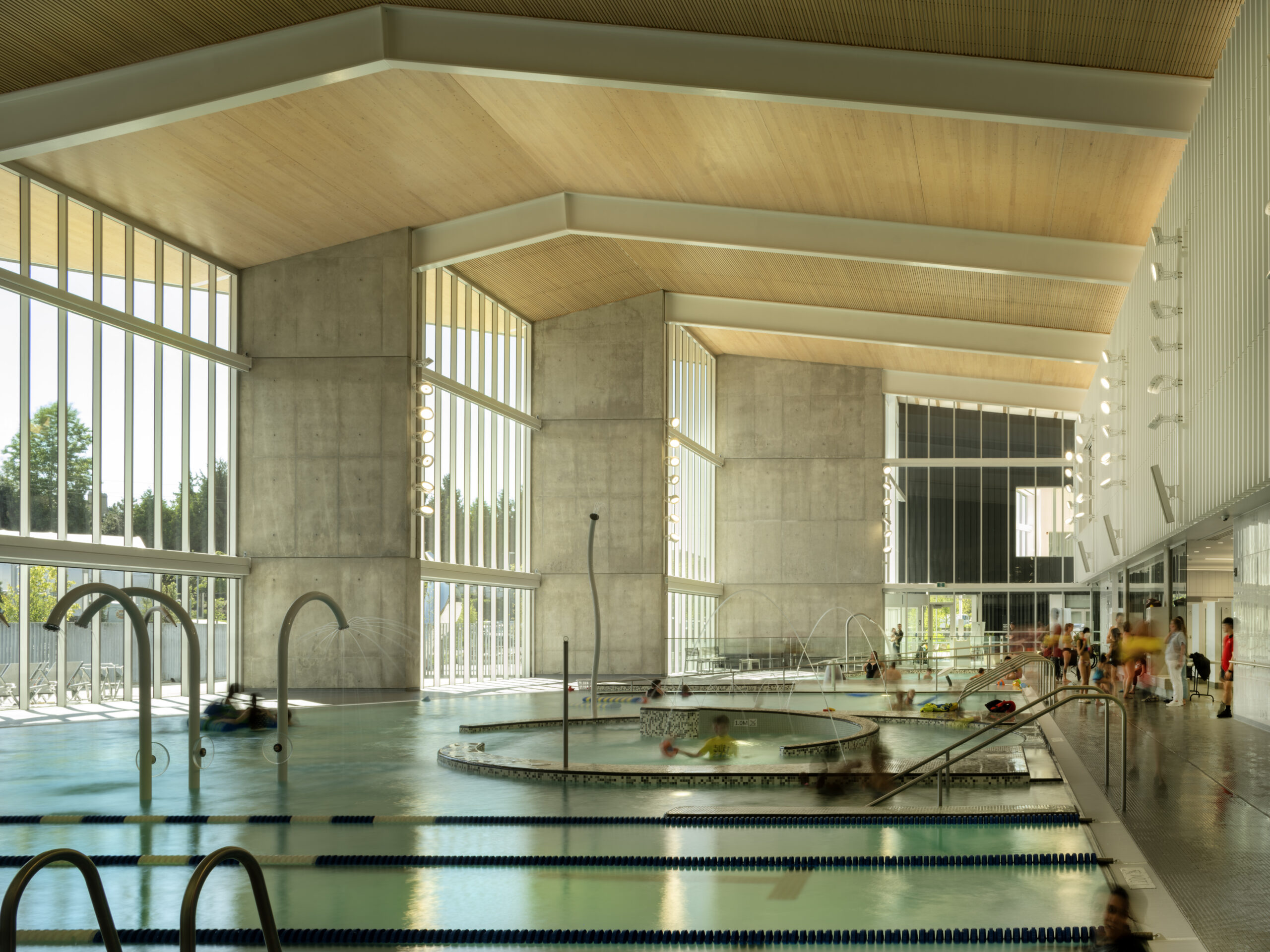
Built on a former ravine, this pool pairs technical ambition with an unusually explicit confrontatio n with the history of the place.
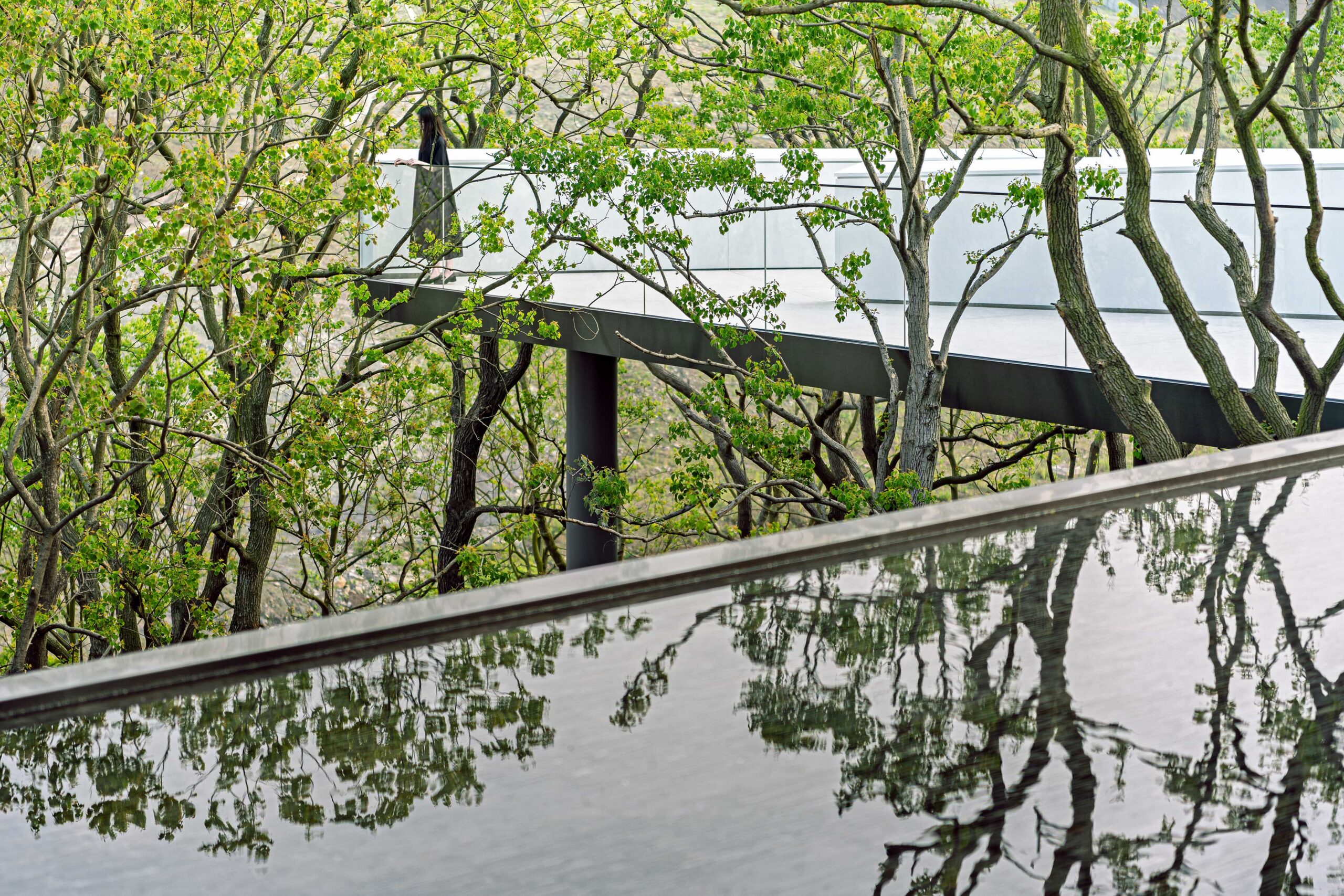
The future of cities won’t be defined by skylines, but by the ground that sustains them.