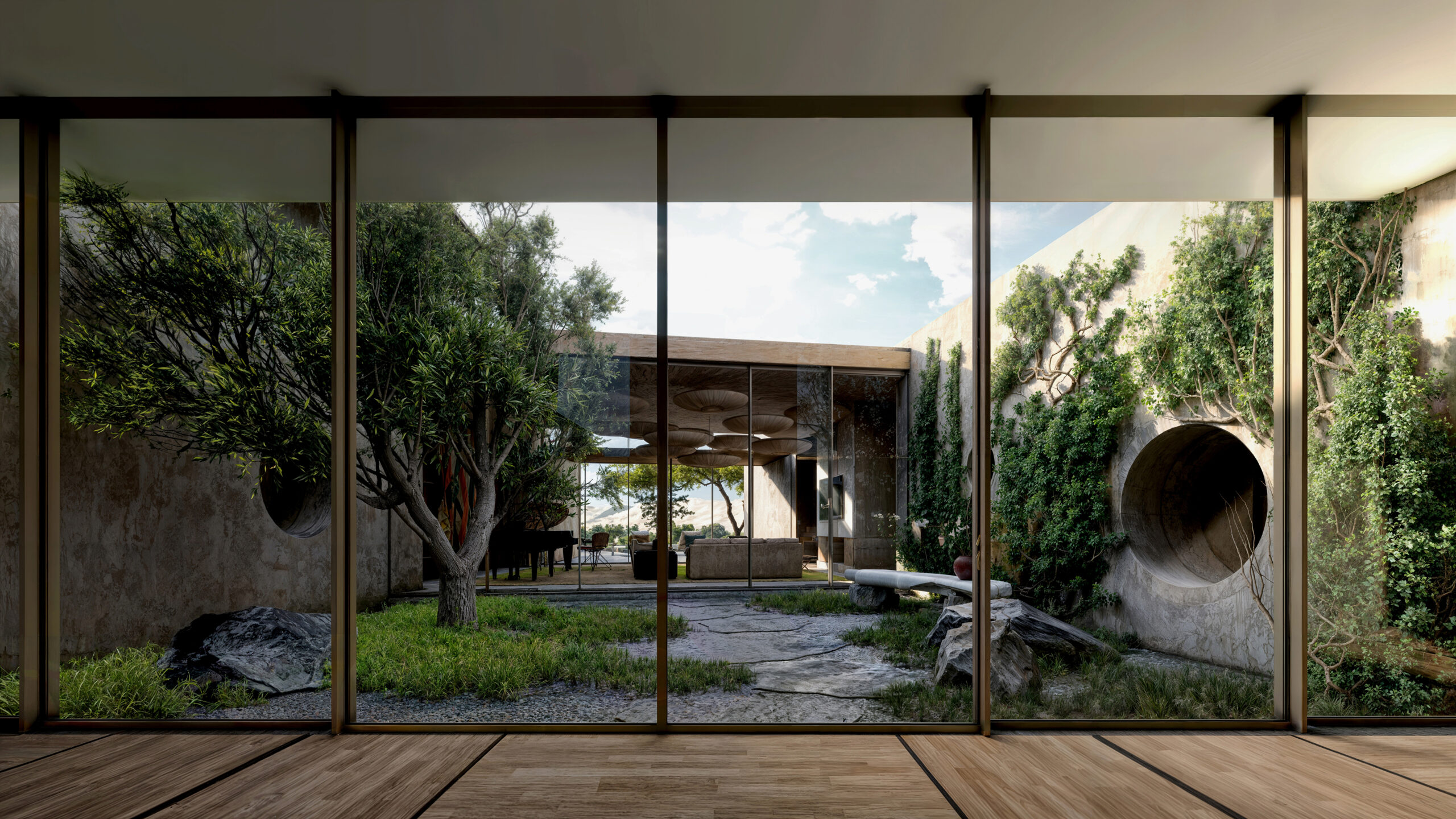
The Last of Us: What Can Architects Learn From the End of the World?
Forget Mad Max dustscapes. Post-apocalyptic design aesthetics reveal unexpected ways to align archit ecture with ecological resilience.
 Martin Guttridge-Hewitt
Forget Mad Max dustscapes. Post-apocalyptic design aesthetics reveal unexpected ways to align archit ecture with ecological resilience.
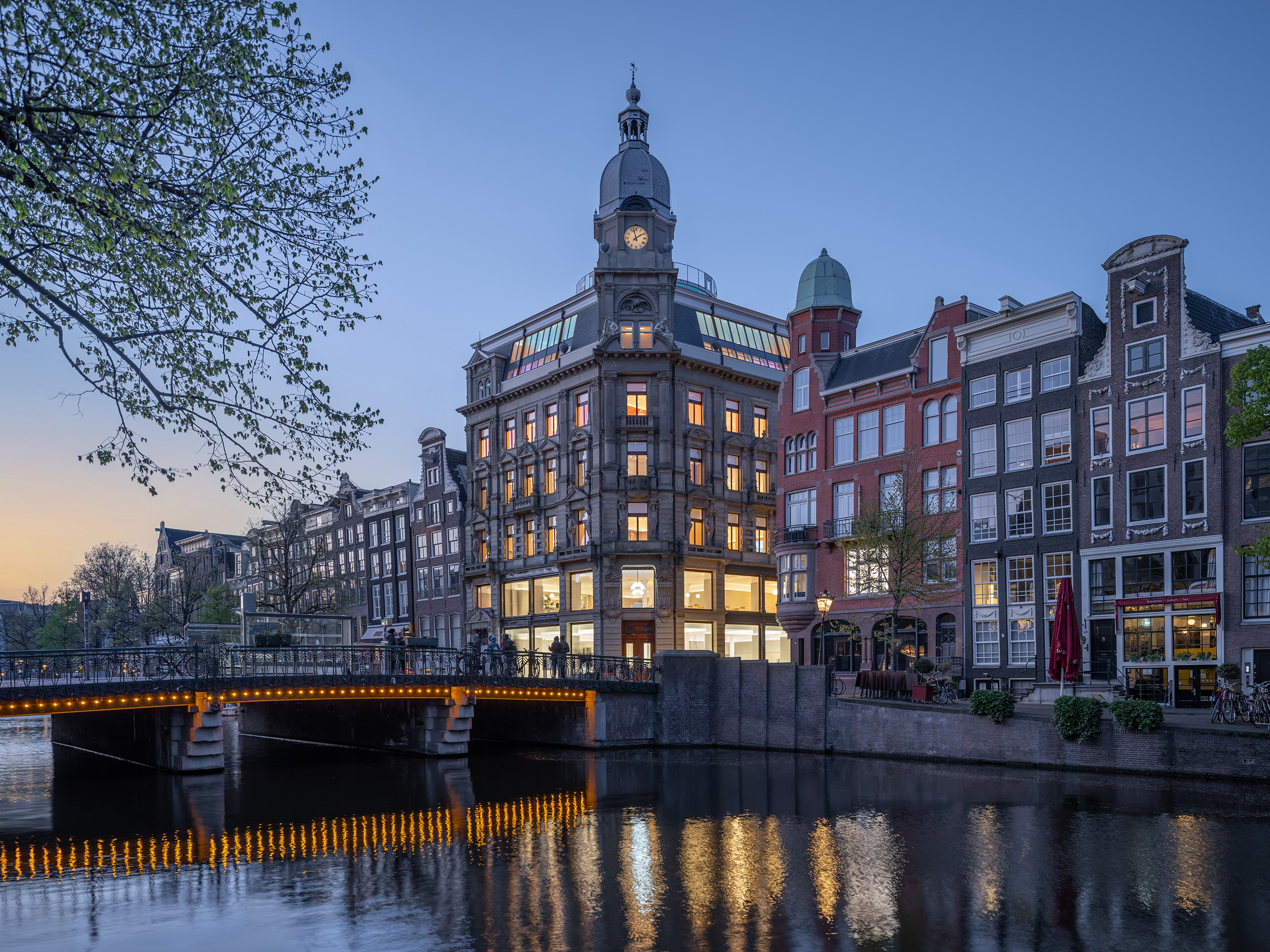
From carved staircases to 3D-printed finishes to bio-based terrazzo, MVRDV recharges adaptive reuse with sustainable architectural details.
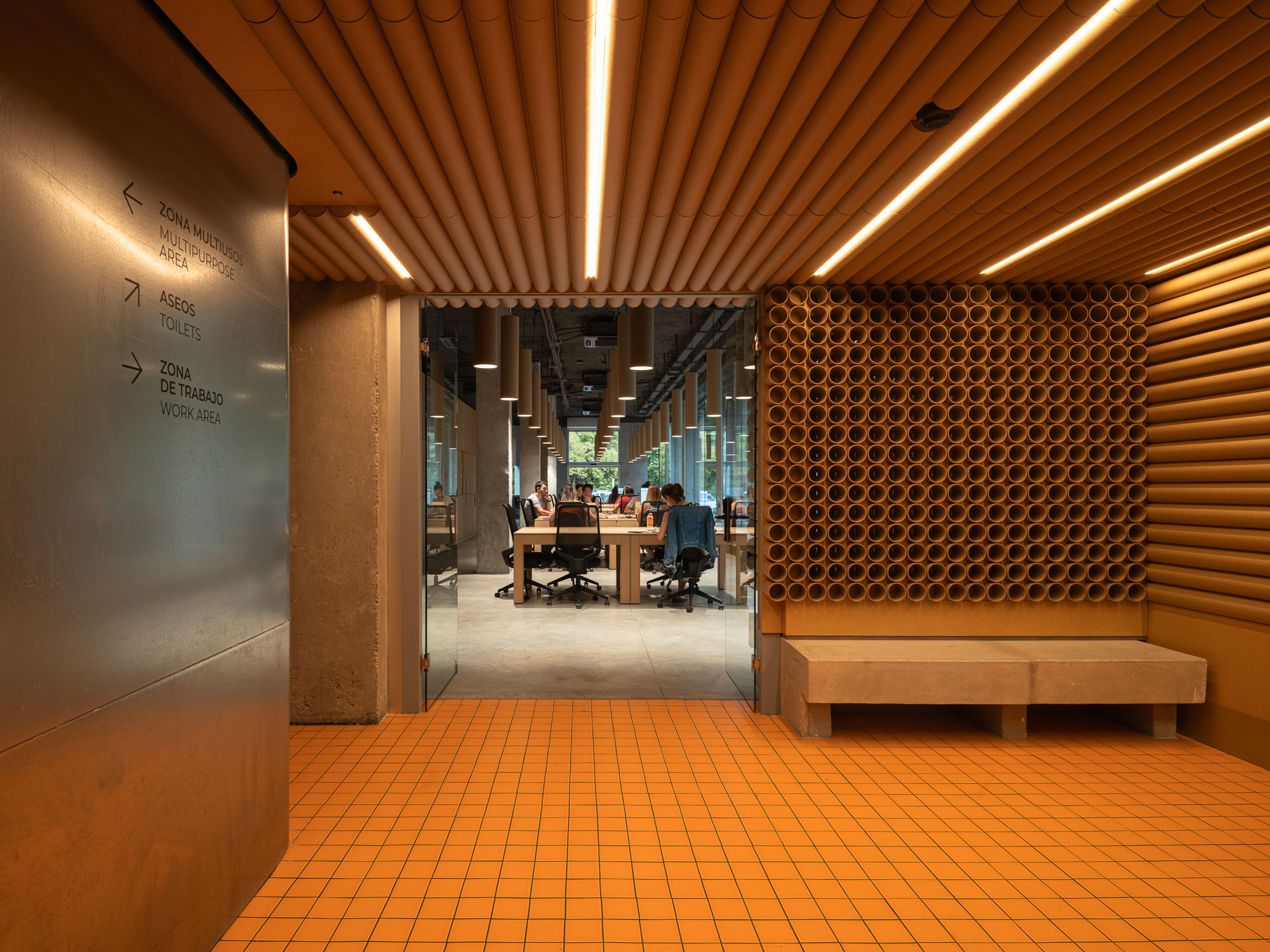
Cardboard has been used in construction since the 1800s, but rarely features in plans — until one Sp anish charity dared to think differently.
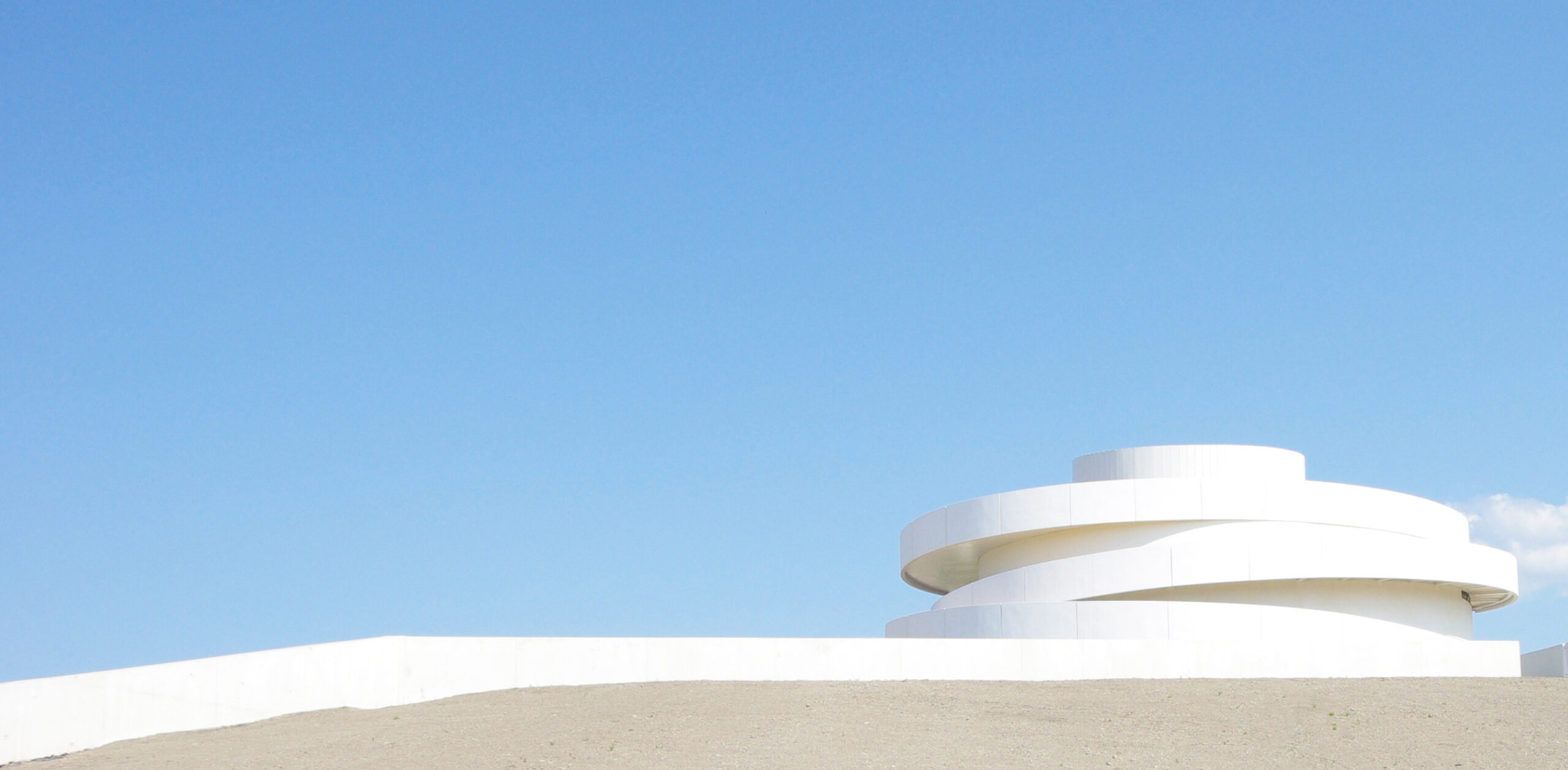
Inspired by grapevines, built with natural local materials, complete with a rooftop vineyard. Pour o ver Burgundy's oenophile landmark.
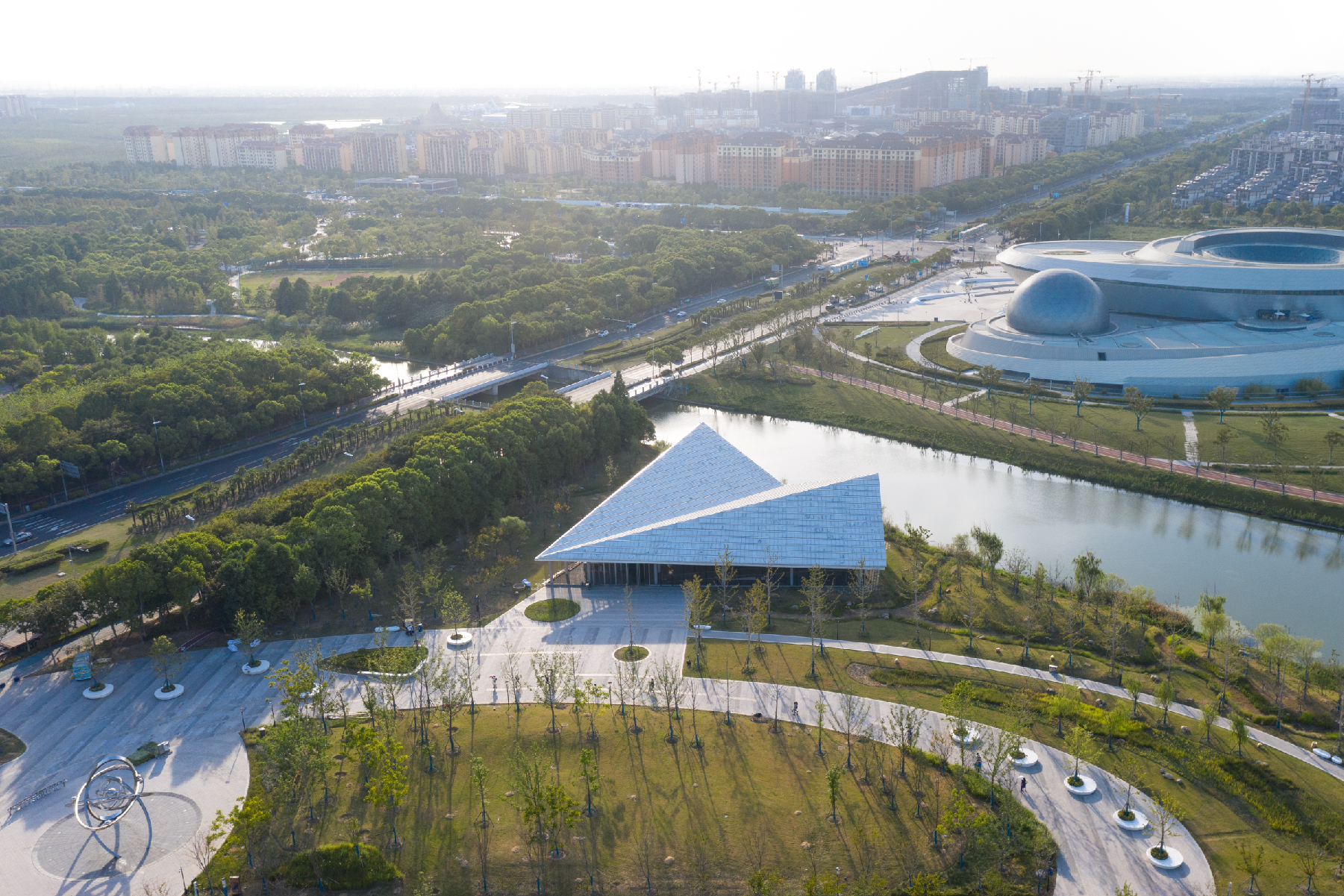
Designed to weather future challenges, this flood-resilient, pollution-aware design pairs precision with playfulness for Shanghai's sponge parks.
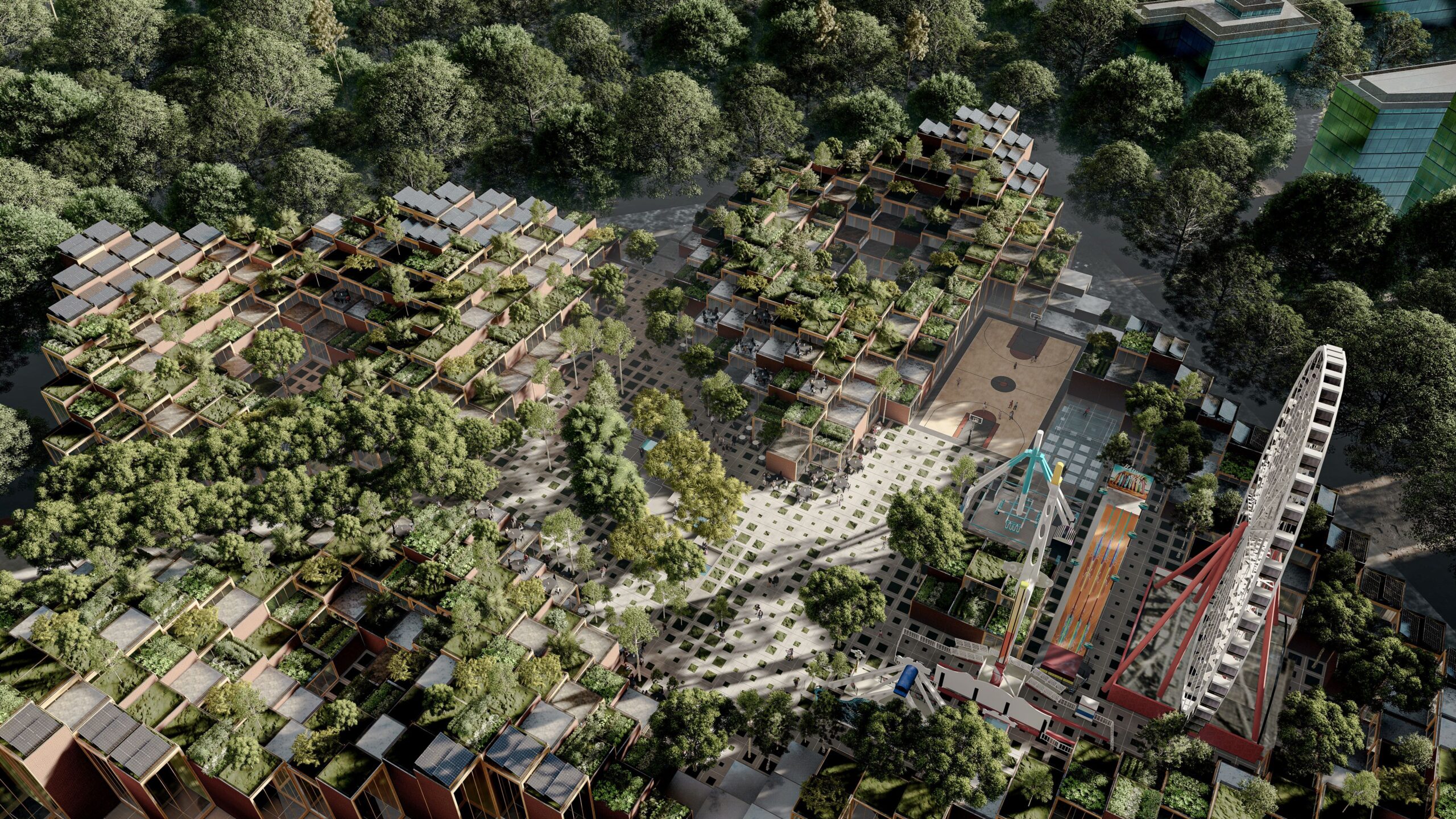
In Pakistan, a pixelated oasis challenges our assumptions about scale, sustainability, and the fate of autonomous architecture.

What happens when local landowners skip the megadeveloper, hire a design firm, and reshape their own city block? Something refreshingly human.
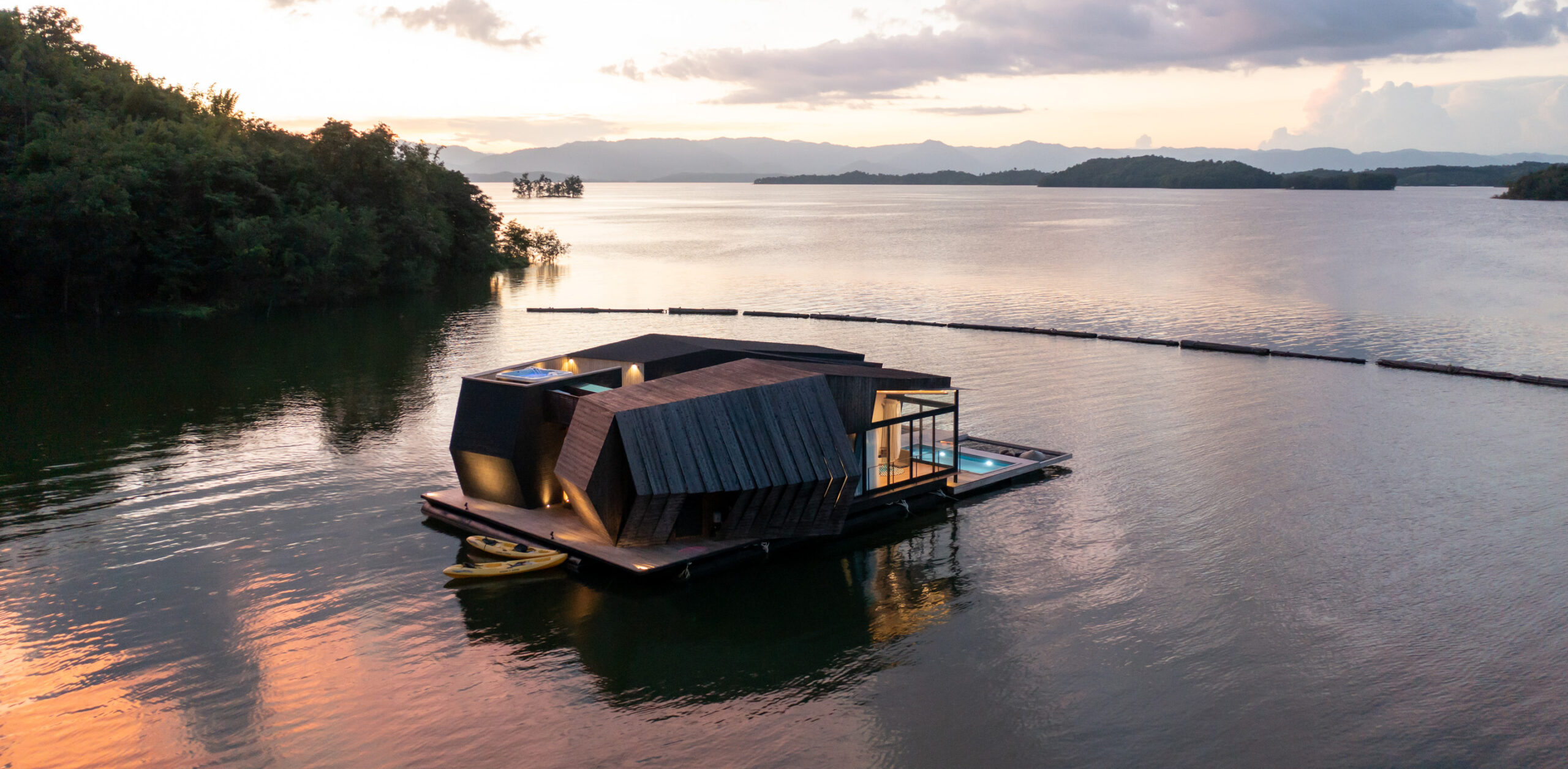
From Chile to Canada, these cabins may be far from the grid, but they prove that good design doesn’t end where the road does.
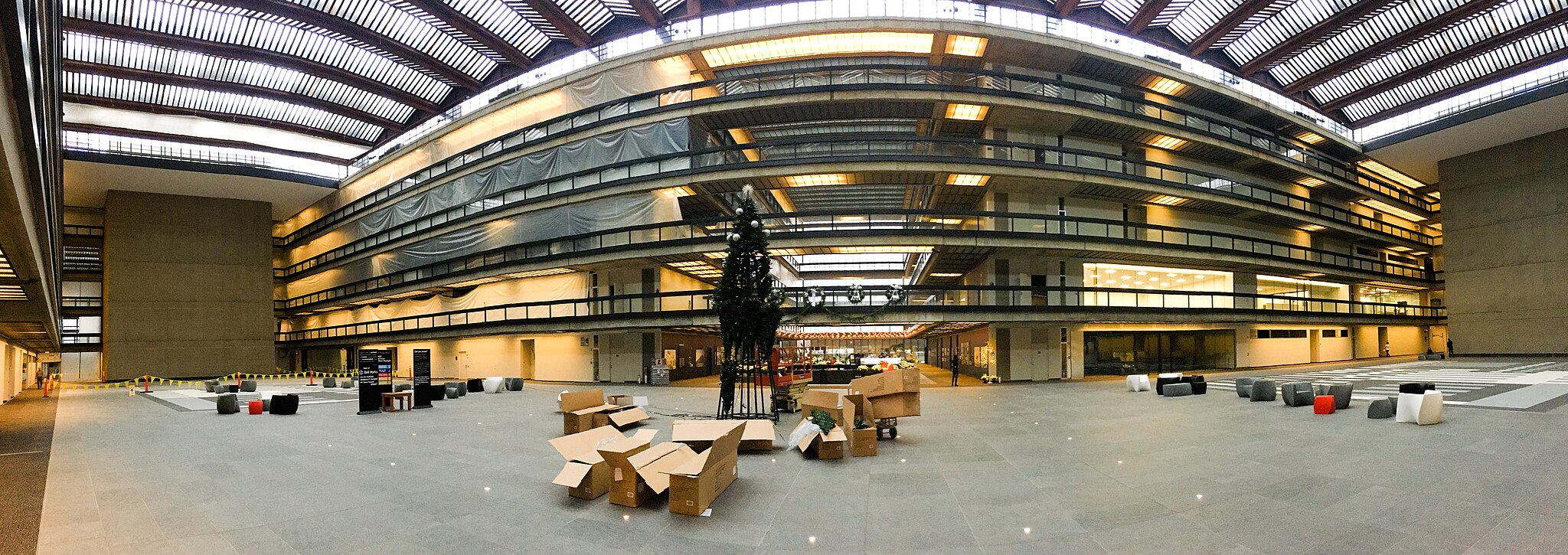
Step inside Lumon’s walls — and beyond — to see how architecture helps split the self in TV’s most u nsettling workplace.