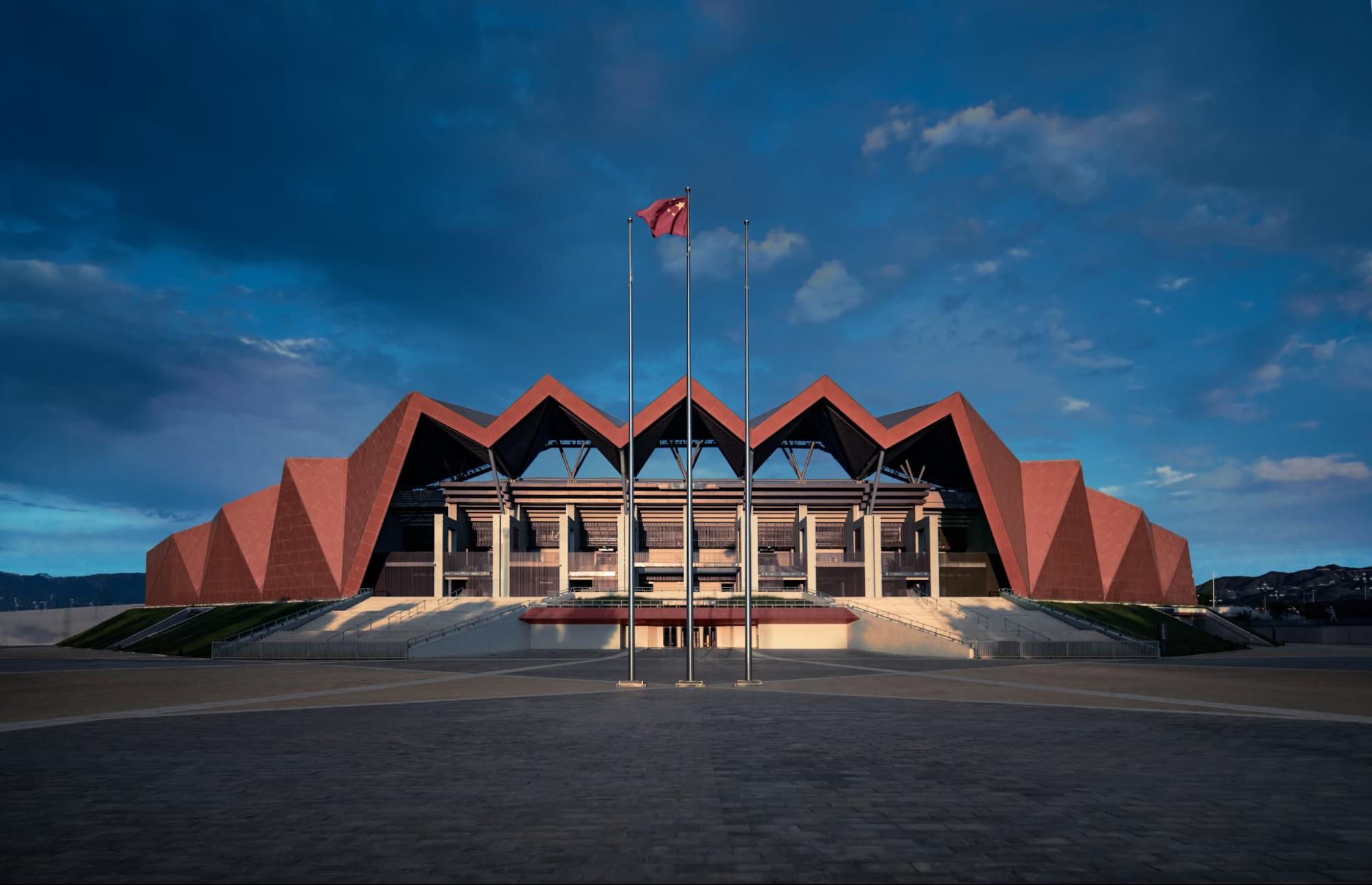
The Power of the Pitch: 6 Civic Buildings That Multiply the Gable
Repeating pitched forms divide institutional mass into legible volumes while improving daylight and ventilation.
 Ifeoma Nduka
Repeating pitched forms divide institutional mass into legible volumes while improving daylight and ventilation.
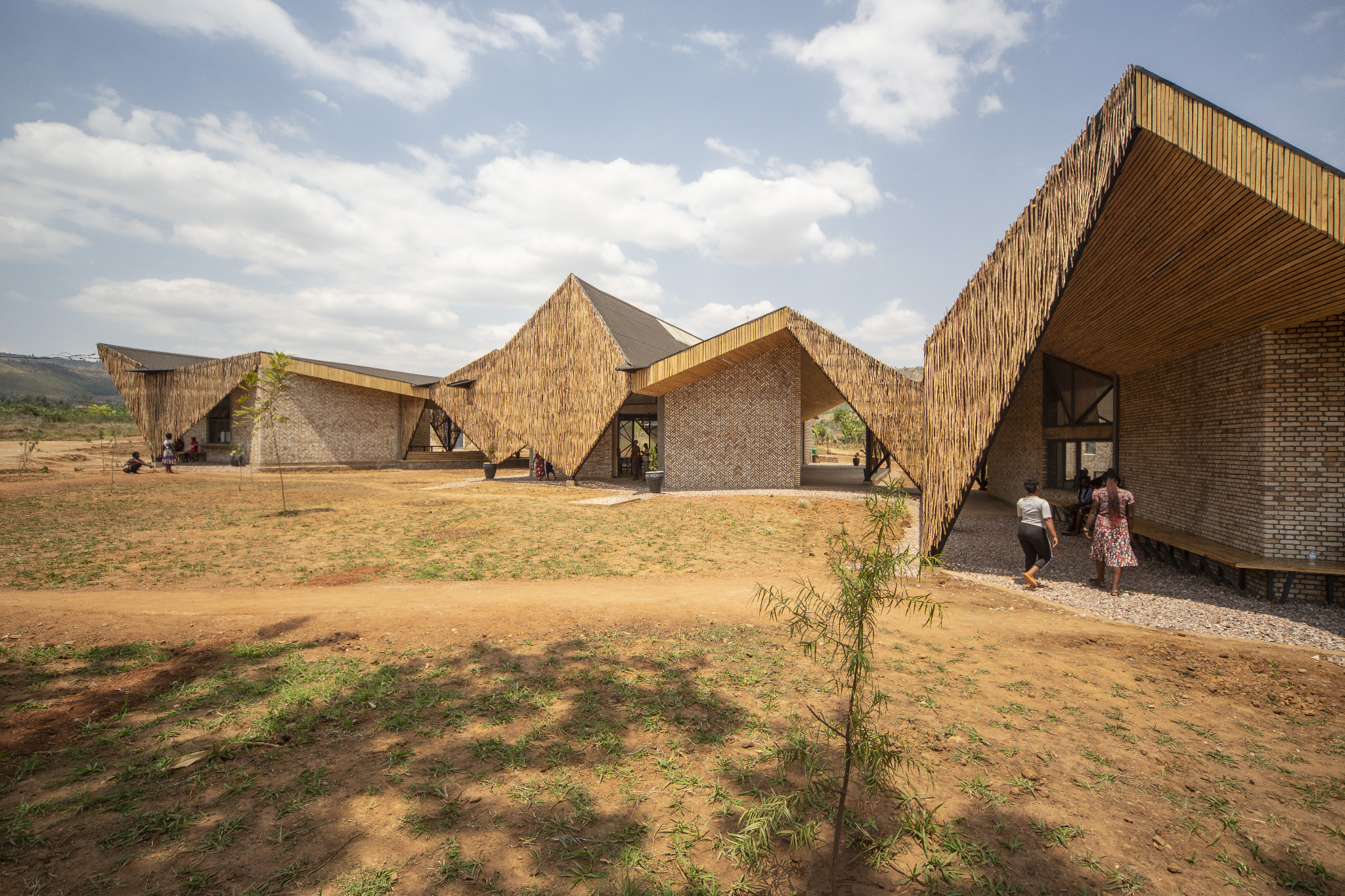
By designing around local materials, these buildings arrive at envelopes and spatial logics rarely s een in globally standardized construction.
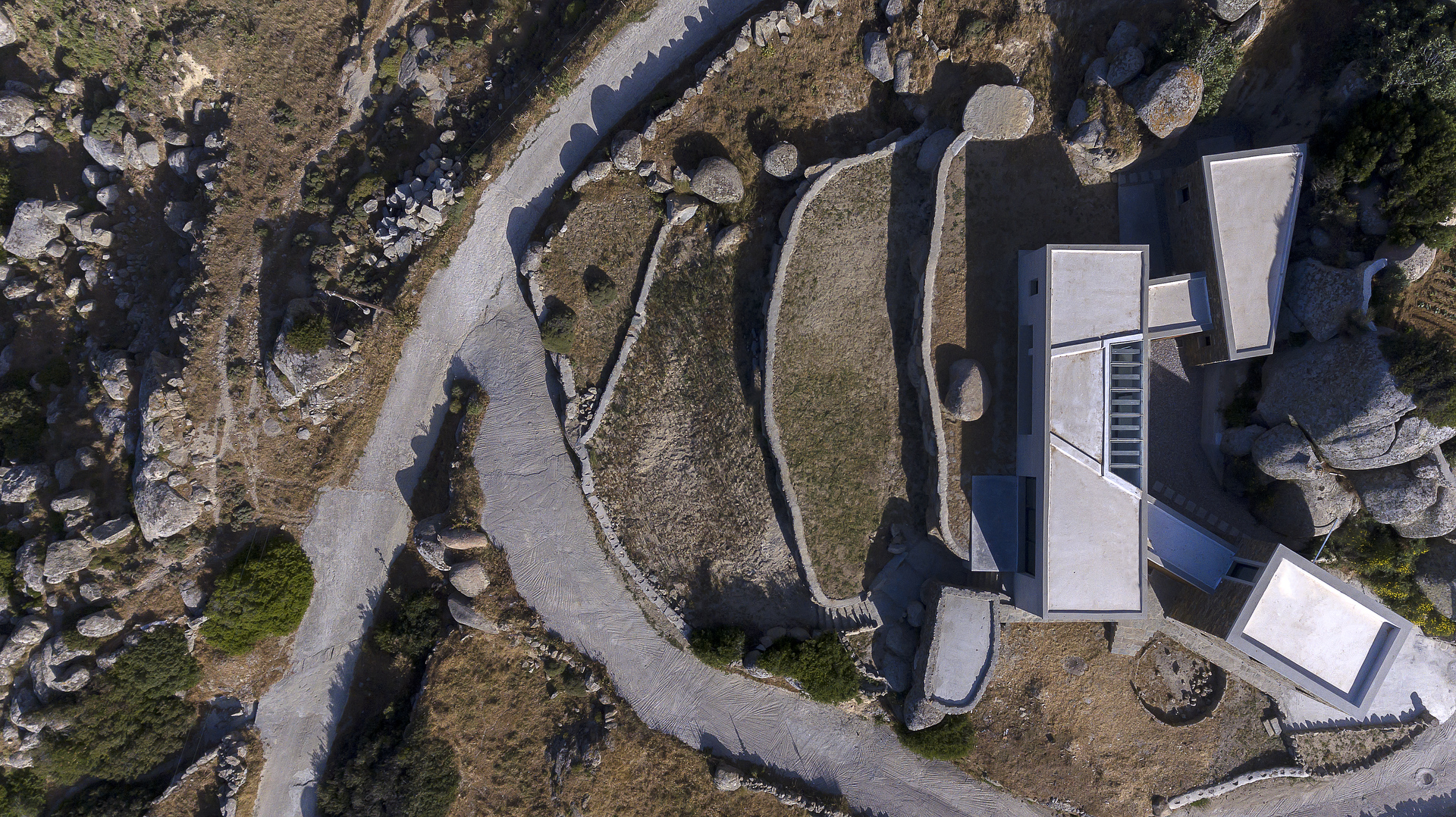
In a post-starchitect era, these practices prove that architectural authorship now emerges from plac e, not portability.
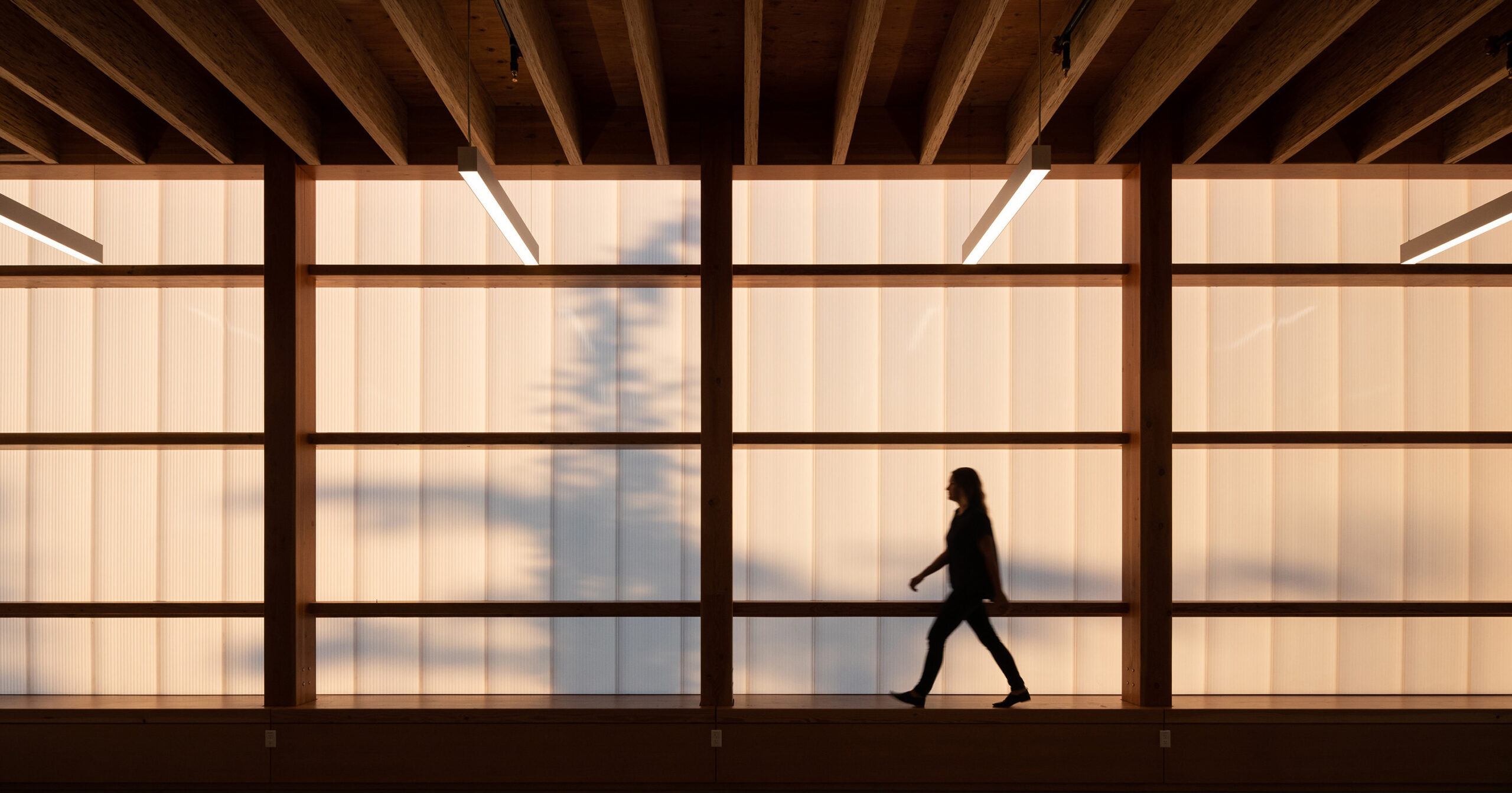
These firms are quietly replacing eco-branding with material decisions that outlast the press releas e and survive first contact with reality.
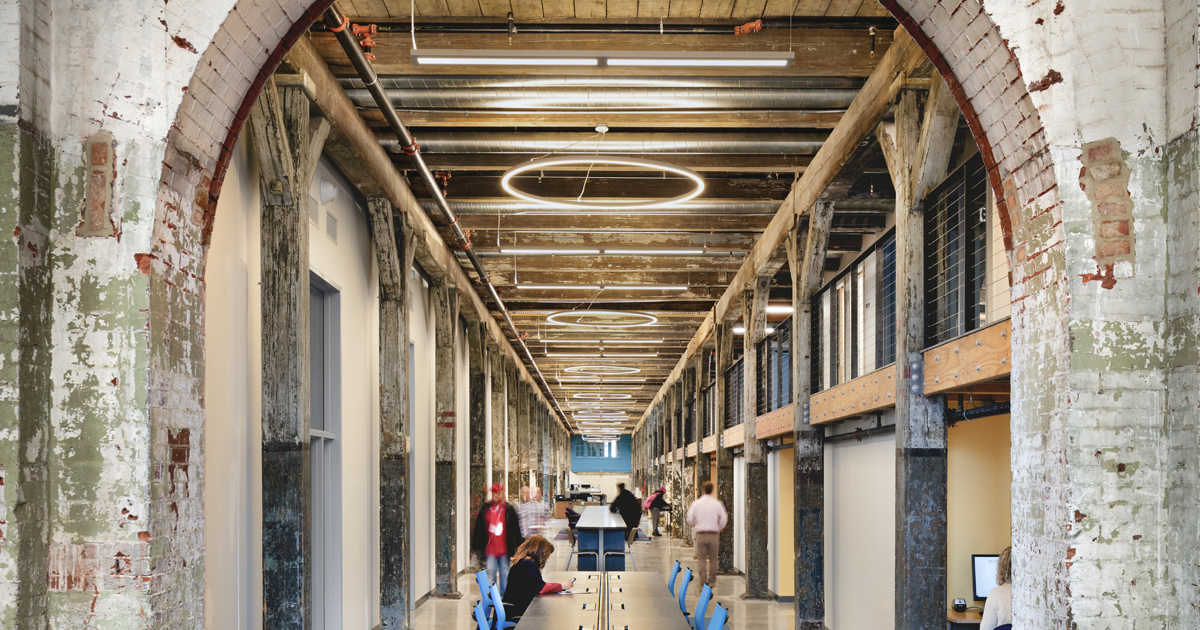
These A+Awards-winning practices prove that intervention, not replacement, defines contemporary auth orship.
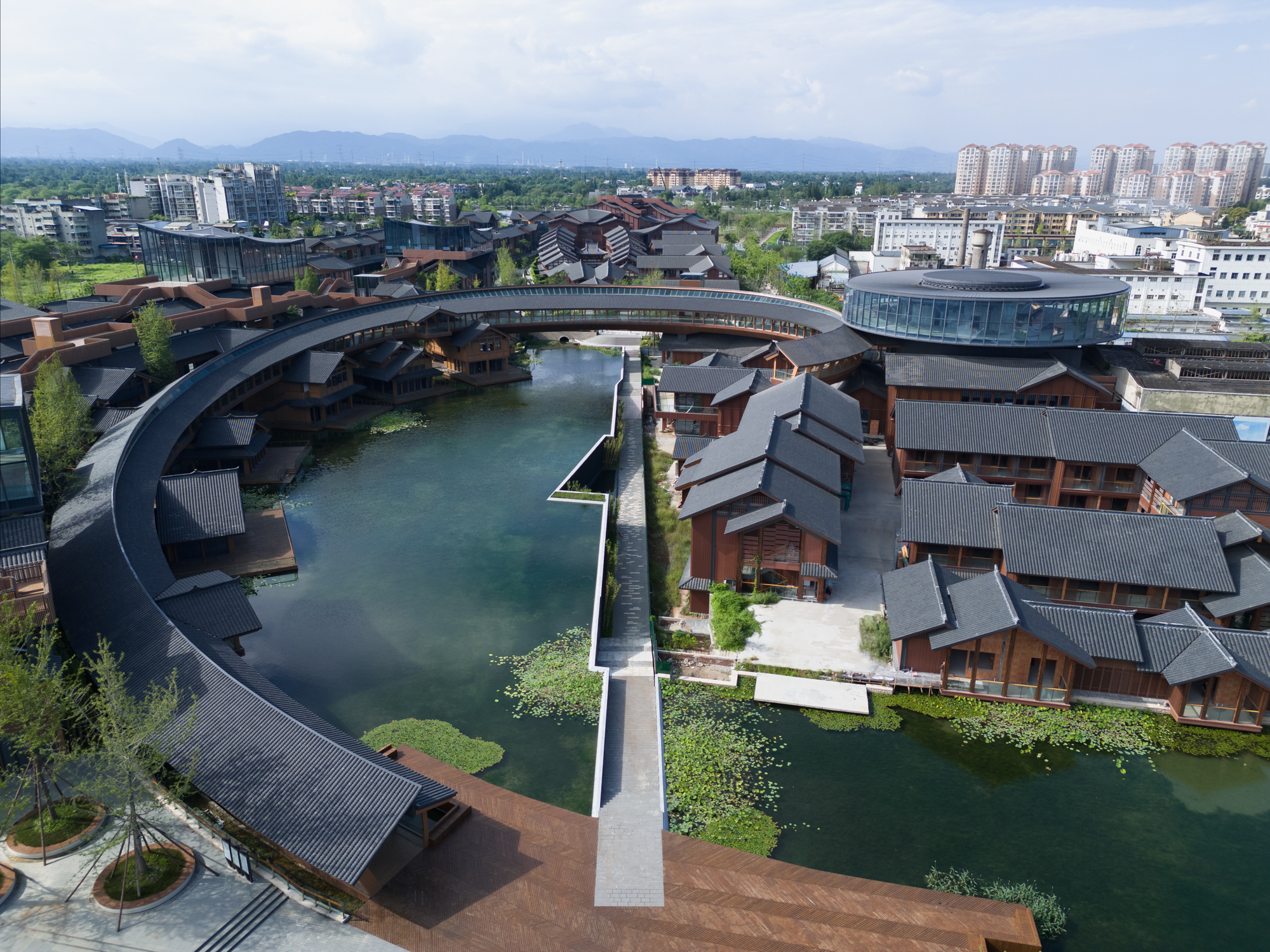
You won’t find ‘grounded urbanism’ in most planning manuals — but its principles are already reshapi ng how cities are designed.

These young practices demonstrate that architectural intent doesn’t require a long résumé.

A look at the A+Awards-winning small studios whose tight teams deliver work with more impact than th eir size suggests.
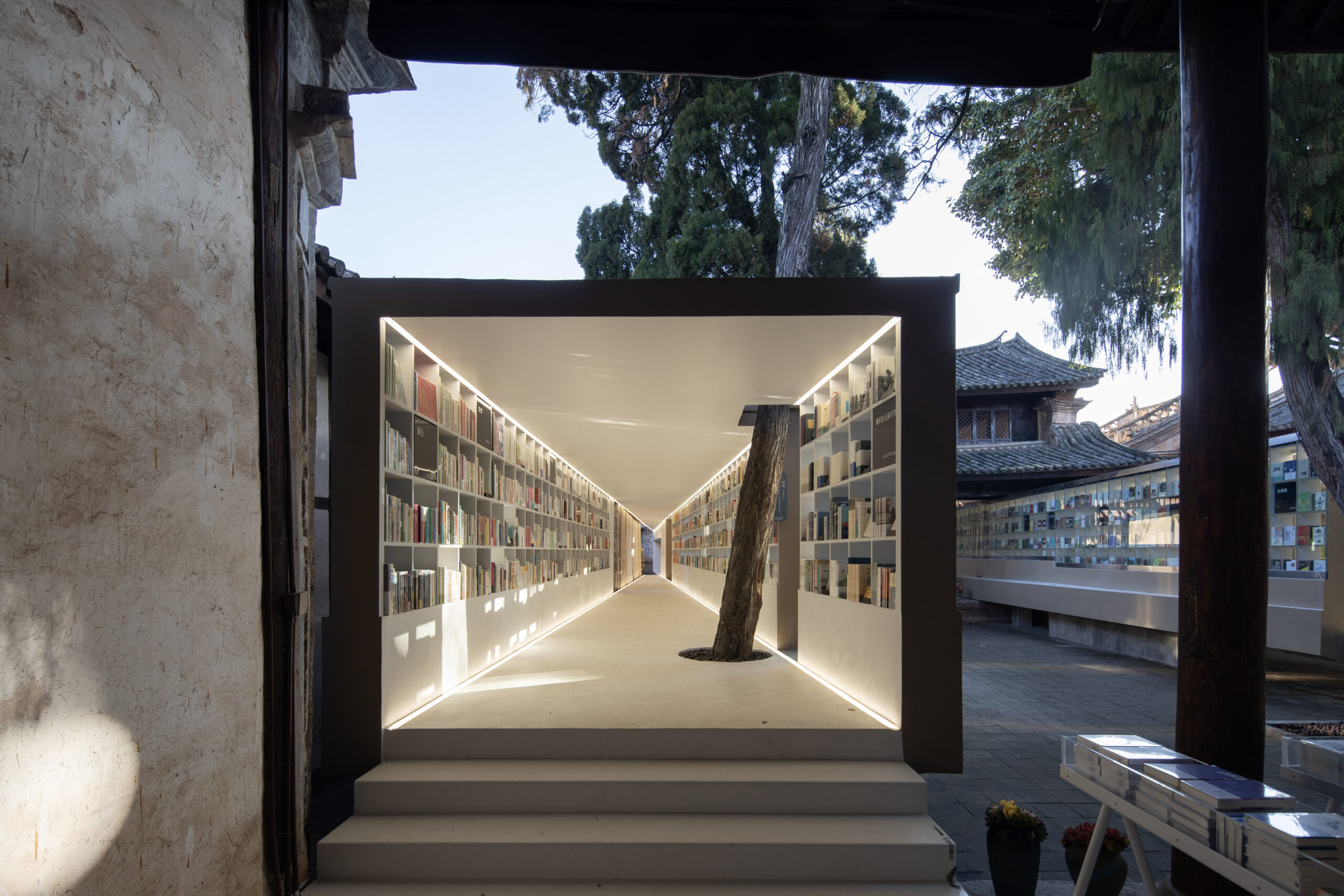
Progress usually doesn’t mean erasure. More often, it involves listening and designing with the echo es of what came before.