
Calling all photographers and videographers: Architizer's Vision Awards has categories that celebrate the art of capturing architecture through the lens of still and moving images. The Early Entry deadline is April 17th. Submit today >
Designing buildings for the community requires considering many factors, such as cost, maintenance, identity, and available resources. This often results in community buildings designed to respond directly to these considerations, especially through materials and execution. One common approach is the pairing of earth-based walls with lightweight roofs supported by exposed truss systems.
Architects use materials like brick and rammed earth for the walls to define spaces, and exposed wooden or metal trusses for the roofs. This material pairing provides thermal comfort and durability, two very important features a building for gathering in a local community should possess. Thick earth walls help to control indoor temperature, while exposed truss roofs allow heat to rise and escape. The following projects show how this simple combination is used to create practical community buildings.
Across these eight projects, architects used earth walls and exposed truss roofs as practical responses to real constraints. Instead of relying on complex systems, these buildings depend on the simple collaboration of material and structure.
Women’s Center, Tanzania
By C-re-a.i.d., Arusha, Tanzania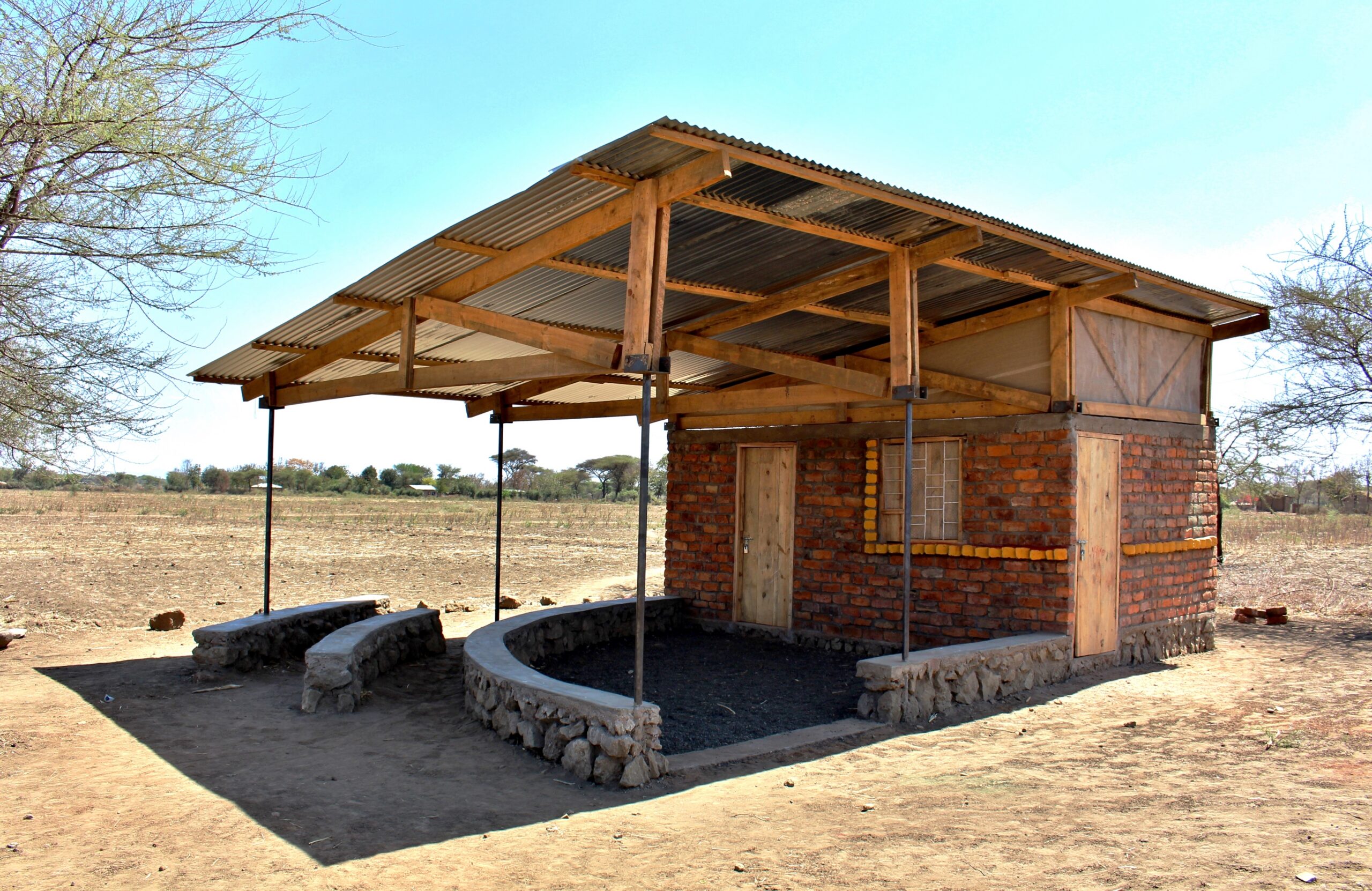
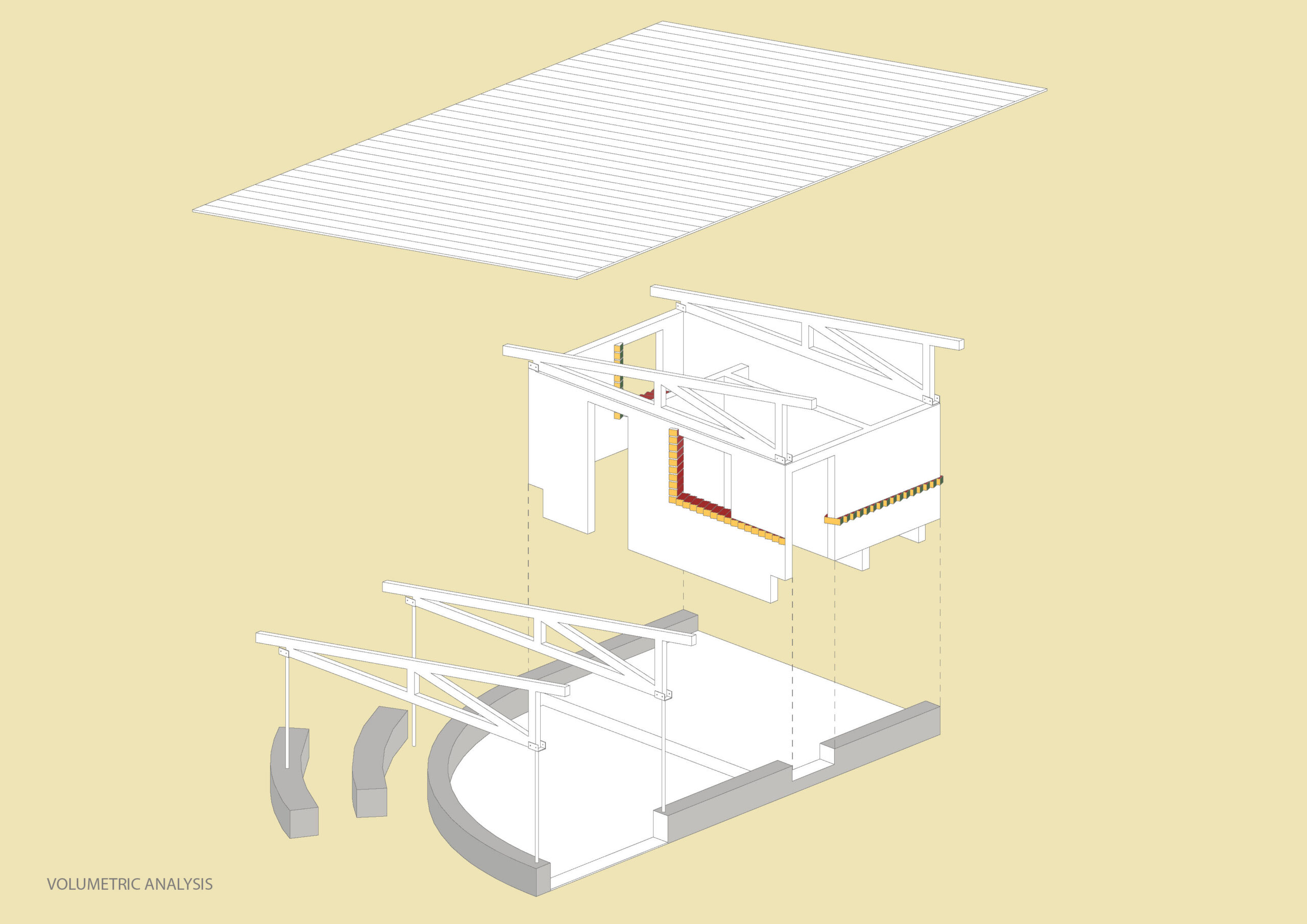 C-re-a.i.d. designed this women’s center to support micro-finance meetings, health workshops, and small trade activities in Maji Moto village. The architects built the structure with locally made fired brick walls and used exposed roof trusses to cover an open meeting space. They kept the design simple so local builders could replicate it. Women now hold training sessions and run small businesses in a shaded space built for daily use.
Ross Langdon Health Education Centre
By Localworks + Ross Langdon, Mannya, Uganda
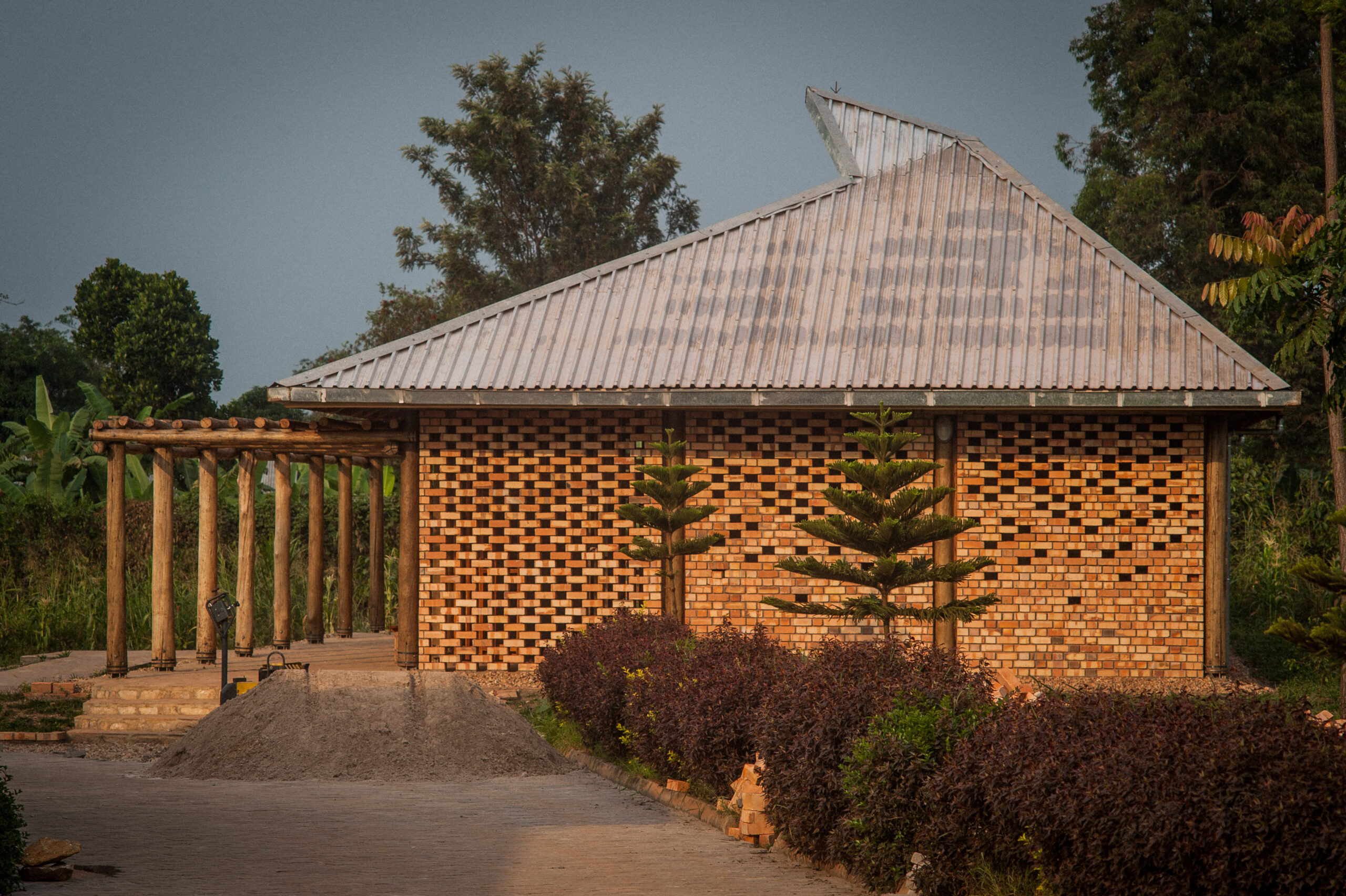
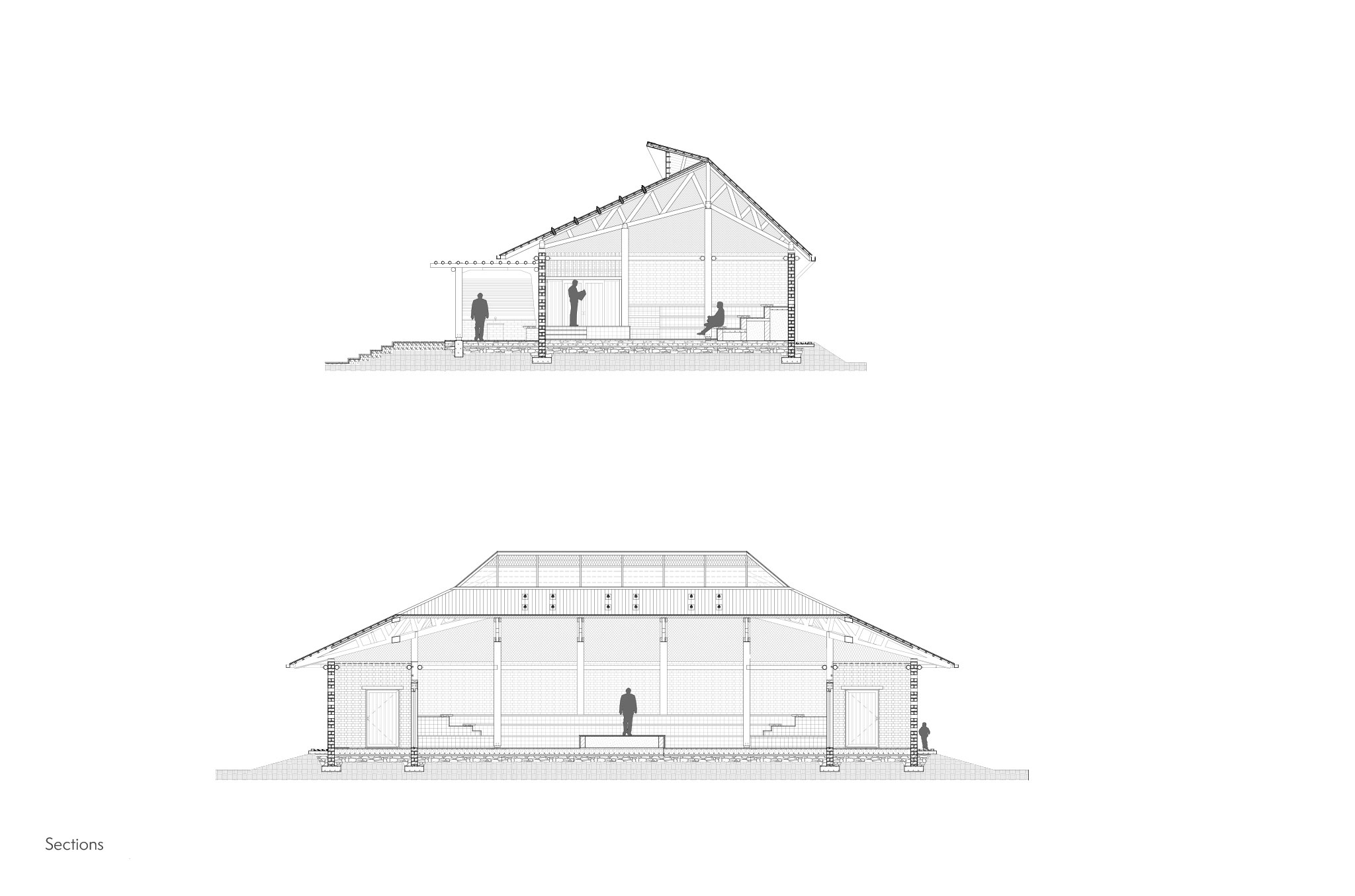
Ross Langdon designed this health education hall to host community health talks and outreach programs for about 150 residents. The architects built brick infill walls within a eucalyptus pole structure and used timber trusses to support a lightweight roof. They avoided windows and instead introduced perforated brickwork and ventilation gaps below the roof. Health workers now attend to residents in a properly ventilated space.
Cantines Zinder
By ACTA – Action Through Architecture, Zinder, Niger
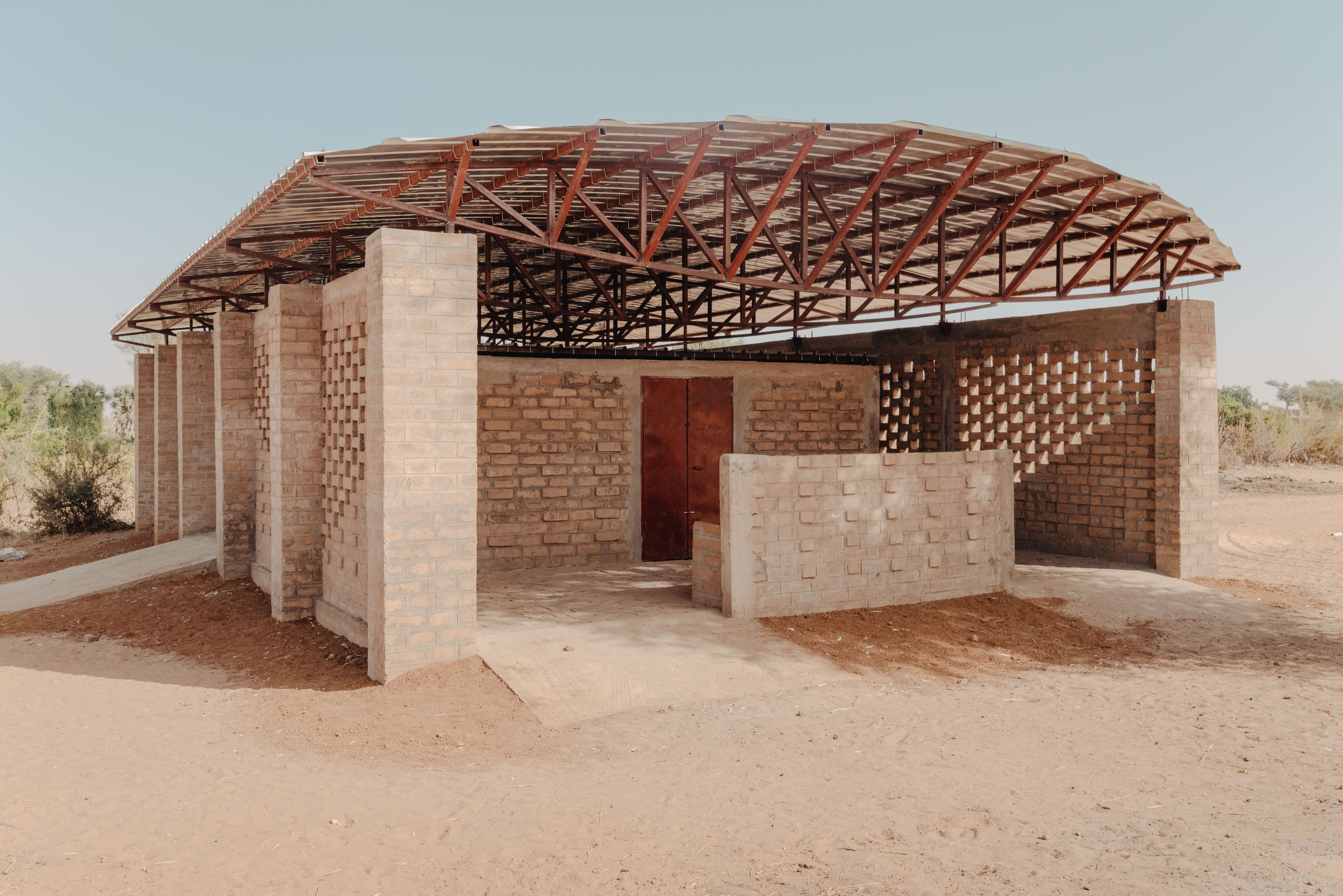
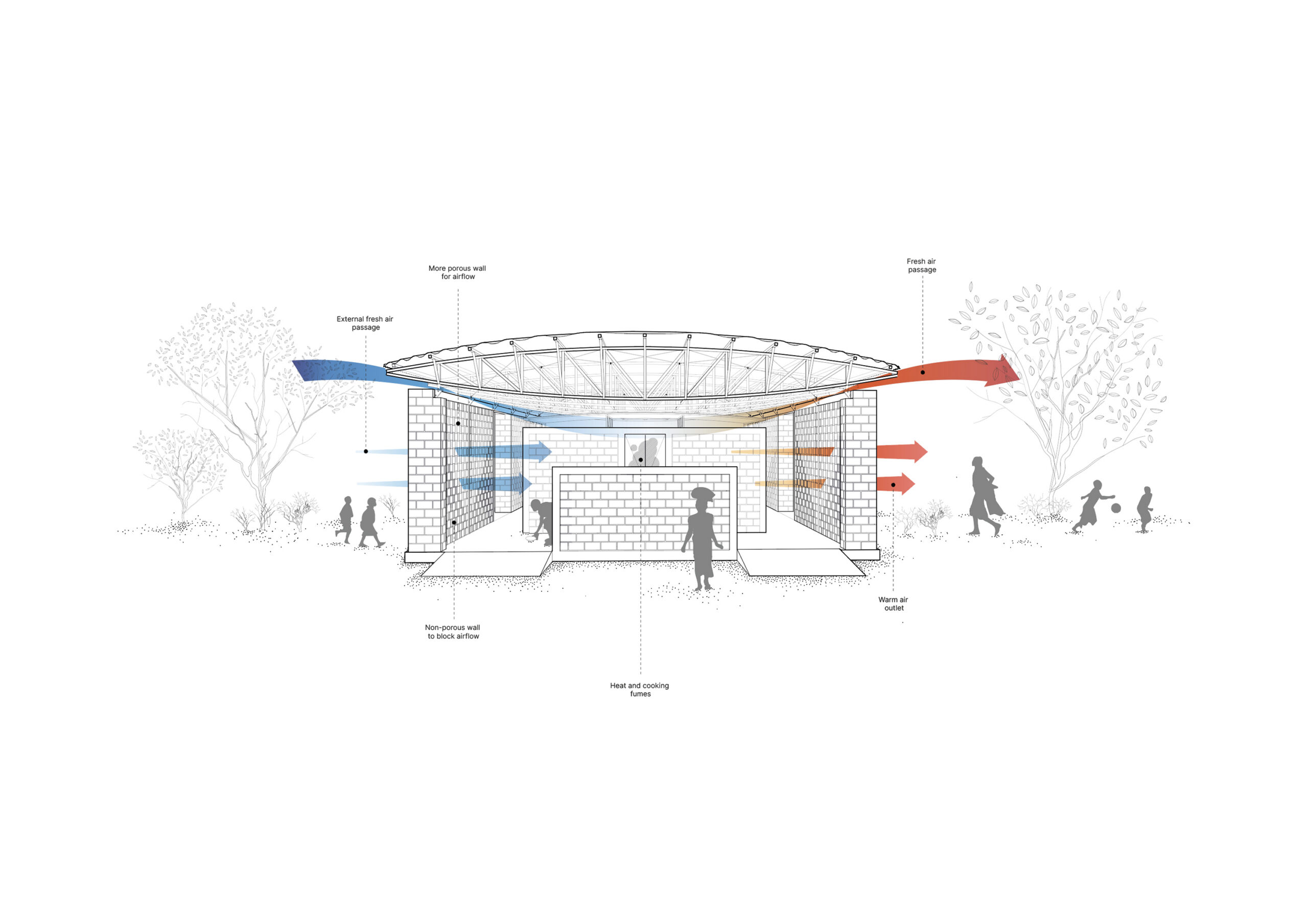 ACTA – Action Through Architecture designed these school canteens in collaboration with GIZ to support daily meals for about 80 students. The architects built the walls with compressed earth blocks and used exposed steel trusses to carry a raised roof. They extended the roof to create deep shade and improve ventilation. With this design, students will eat in cooler covered spaces while kitchen staff work under protected conditions during meal preparation.
Bike Shop
By C-re-a.i.d., Moshi Urban, Tanzania
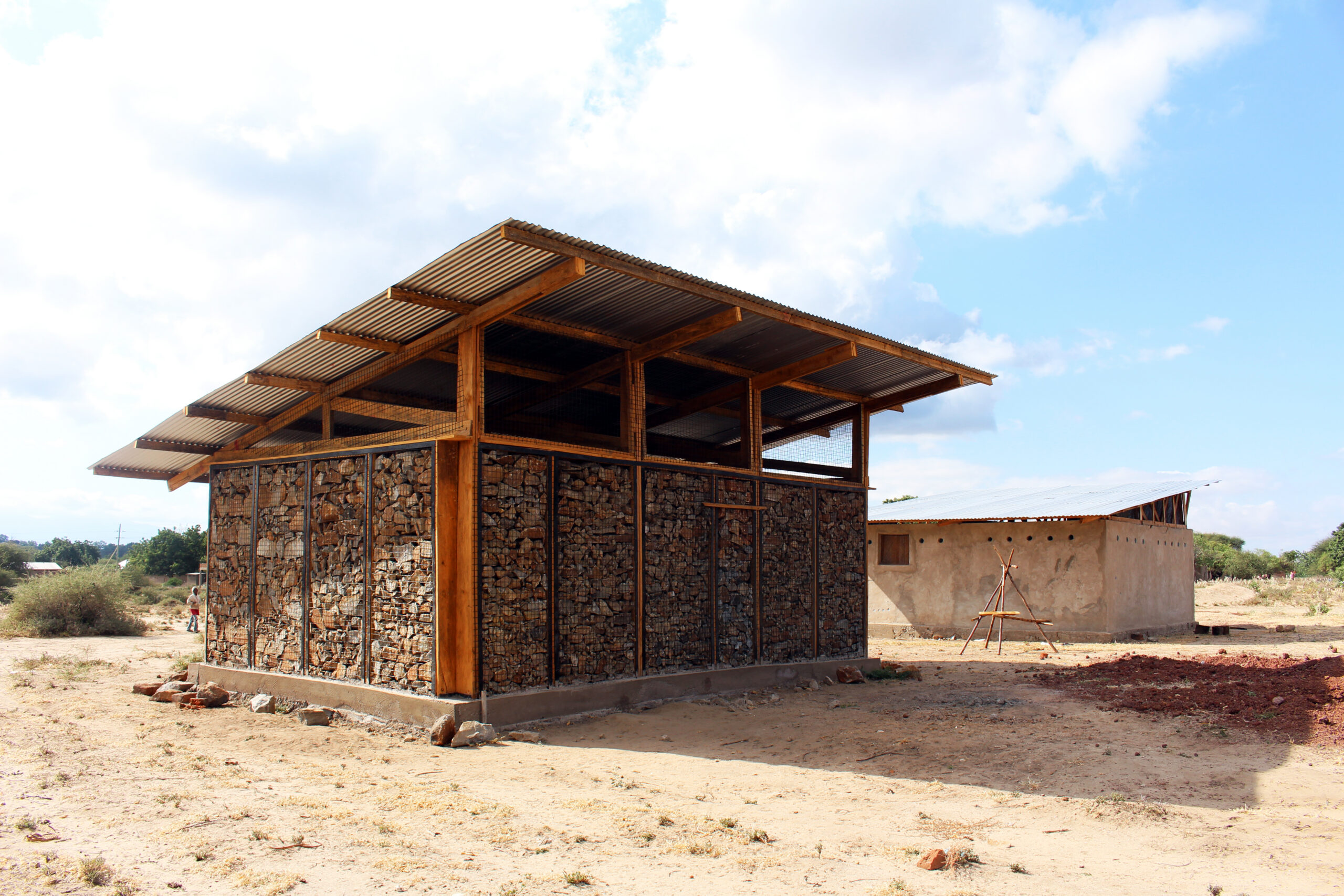
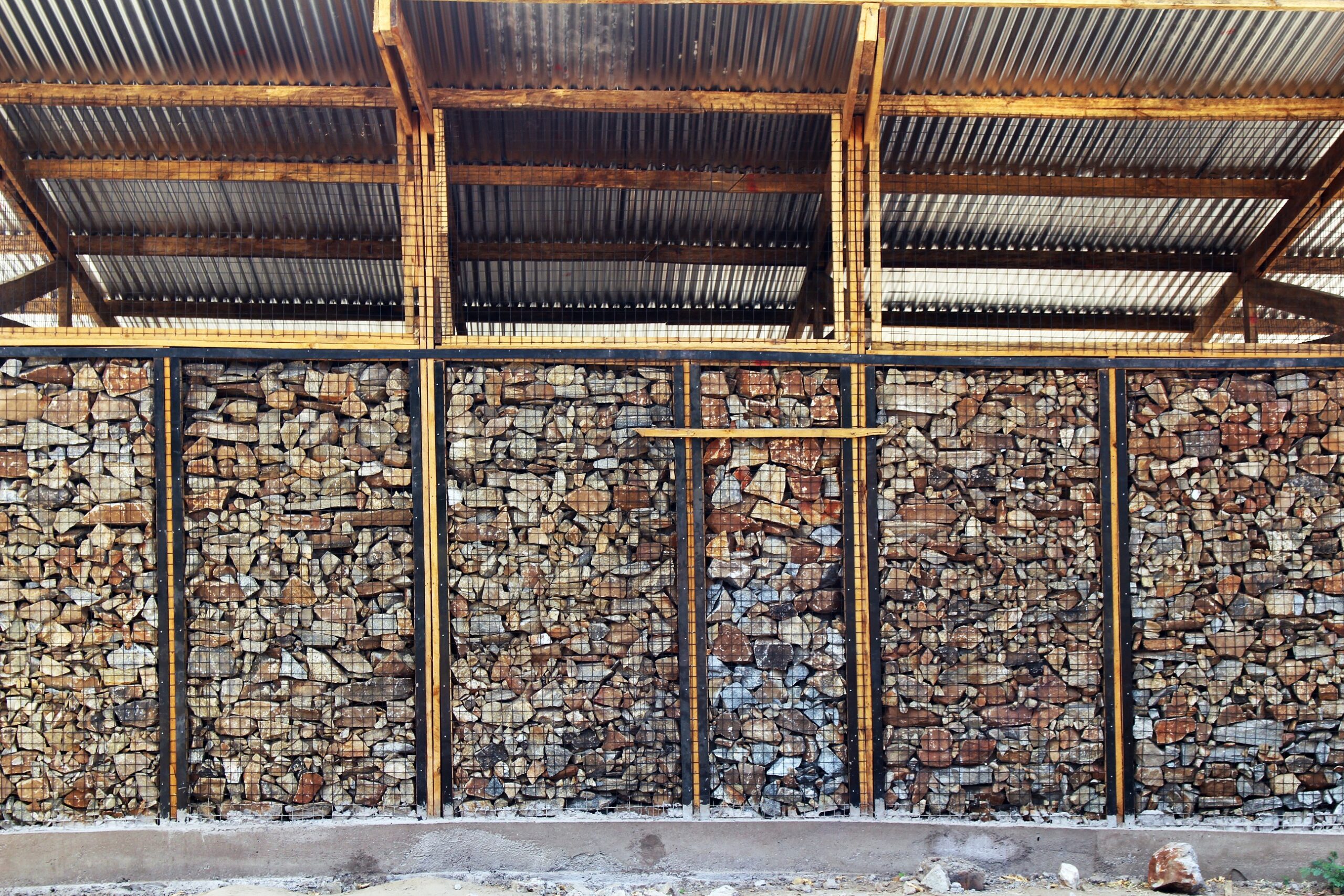 C-re-a.i.d. designed this bike shop to support repair training and bicycle access for women in the village. The architects built the structure with a timber frame and stone-filled cages to create strong walls that can carry tools and equipment. They added lighter infill panels to improve ventilation and reduce material use. This provided the locals with a durable workshop where the wall system serves as storage and structural support.
COF Outreach Village Primary Schools
By Localworks, Manya, Uganda
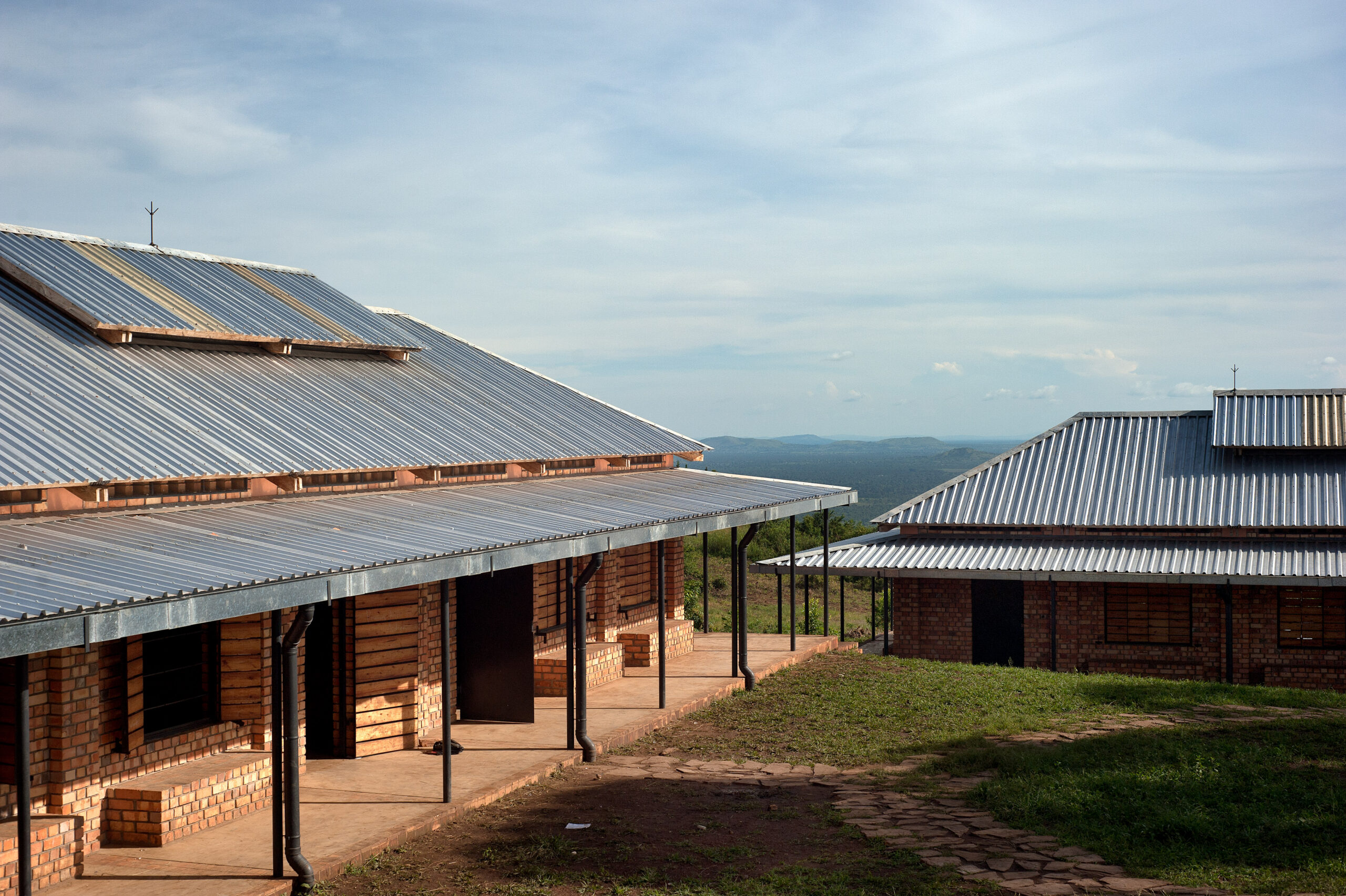
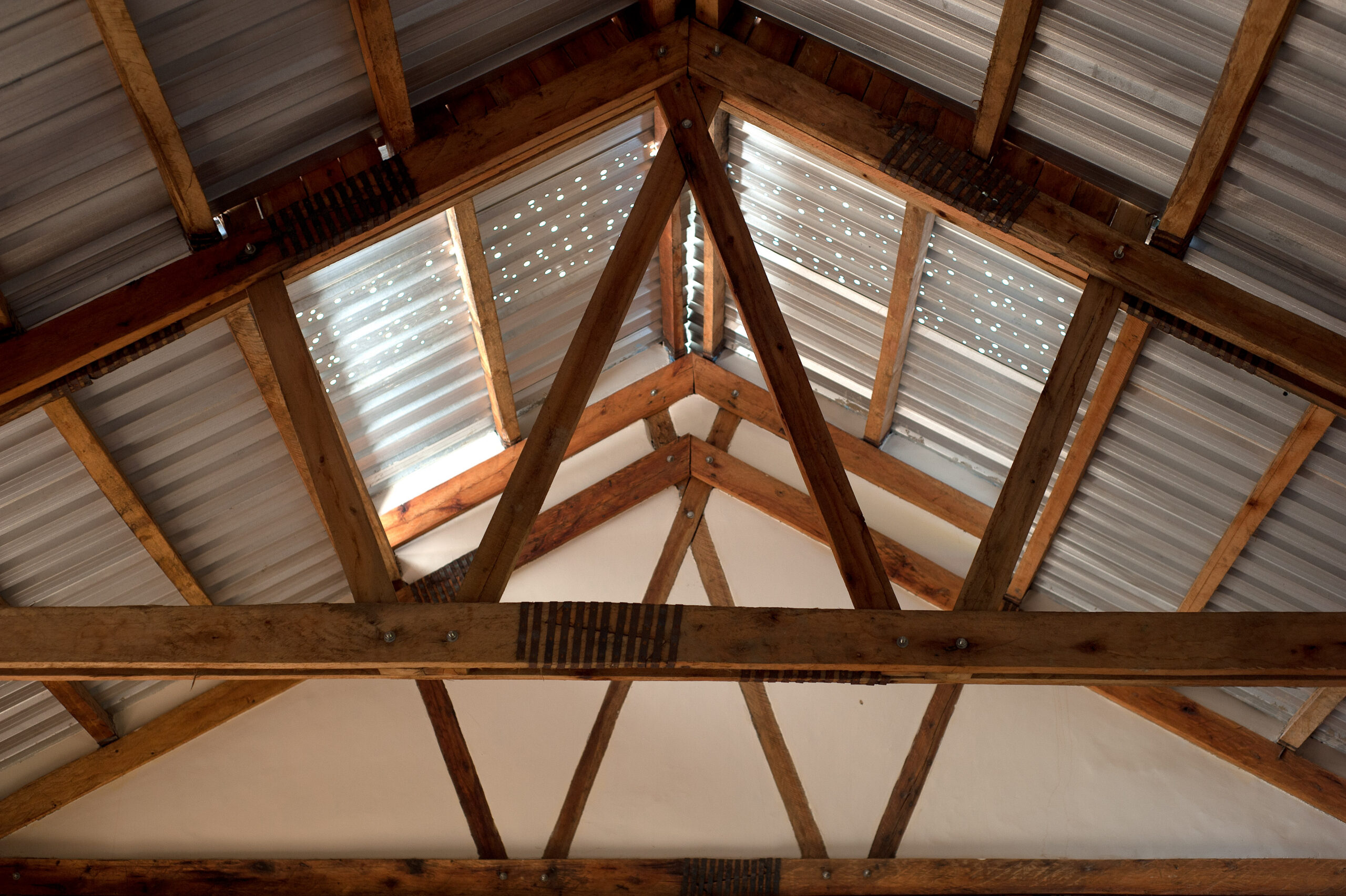 Localworks designed these primary school buildings to provide durable classrooms for the children in the community. The architects built the structures with exposed brick walls and used trusses to support lightweight ventilated roofs. They raised the roof structure and created clerestory wall openings to improve airflow and reduce heat during school hours. Teachers now conduct lessons in naturally lit classrooms that remain comfortable through passive ventilation rather than mechanical cooling.
AWF Primary Schools in Karamoja
By Localworks, Northern Region, Uganda
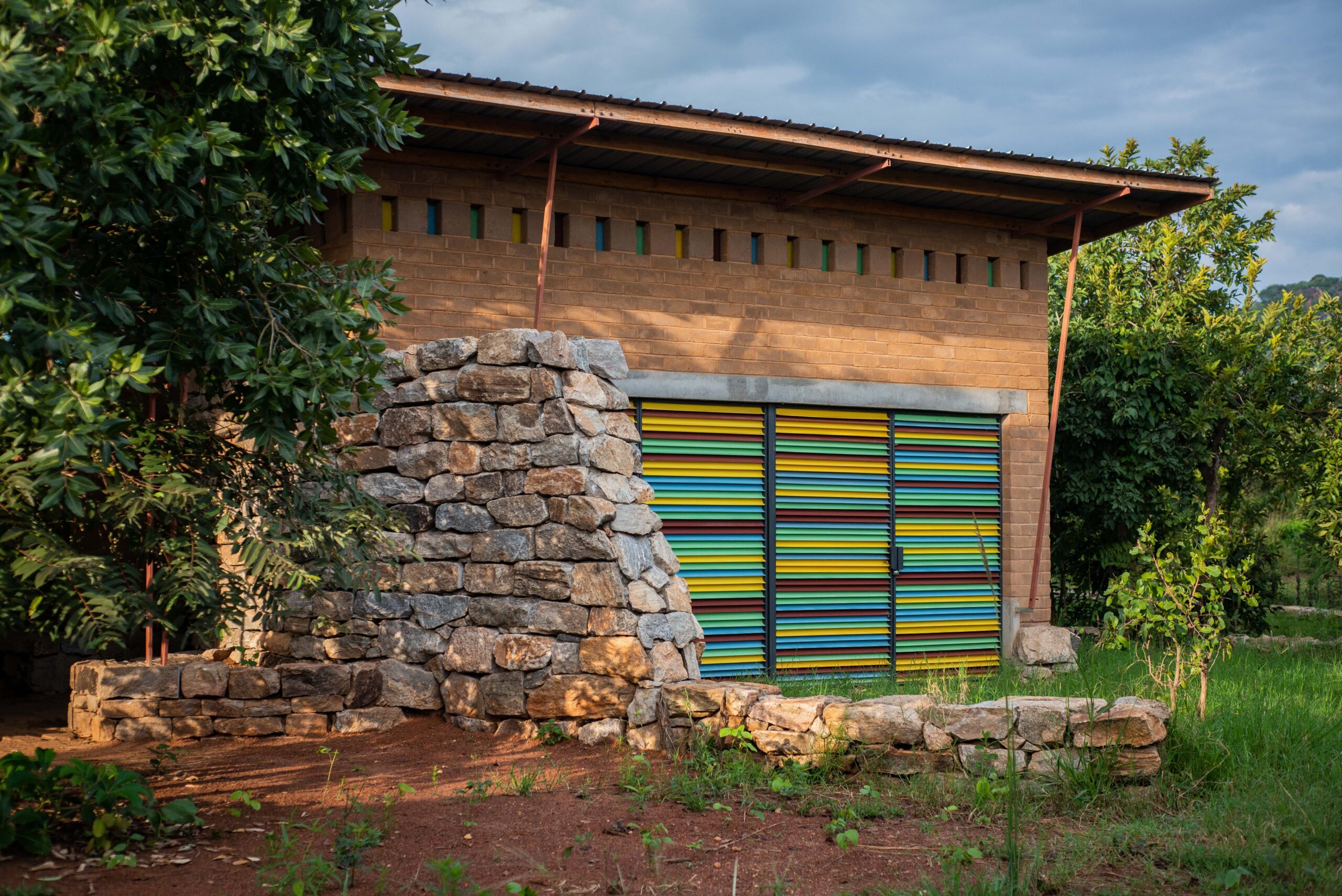
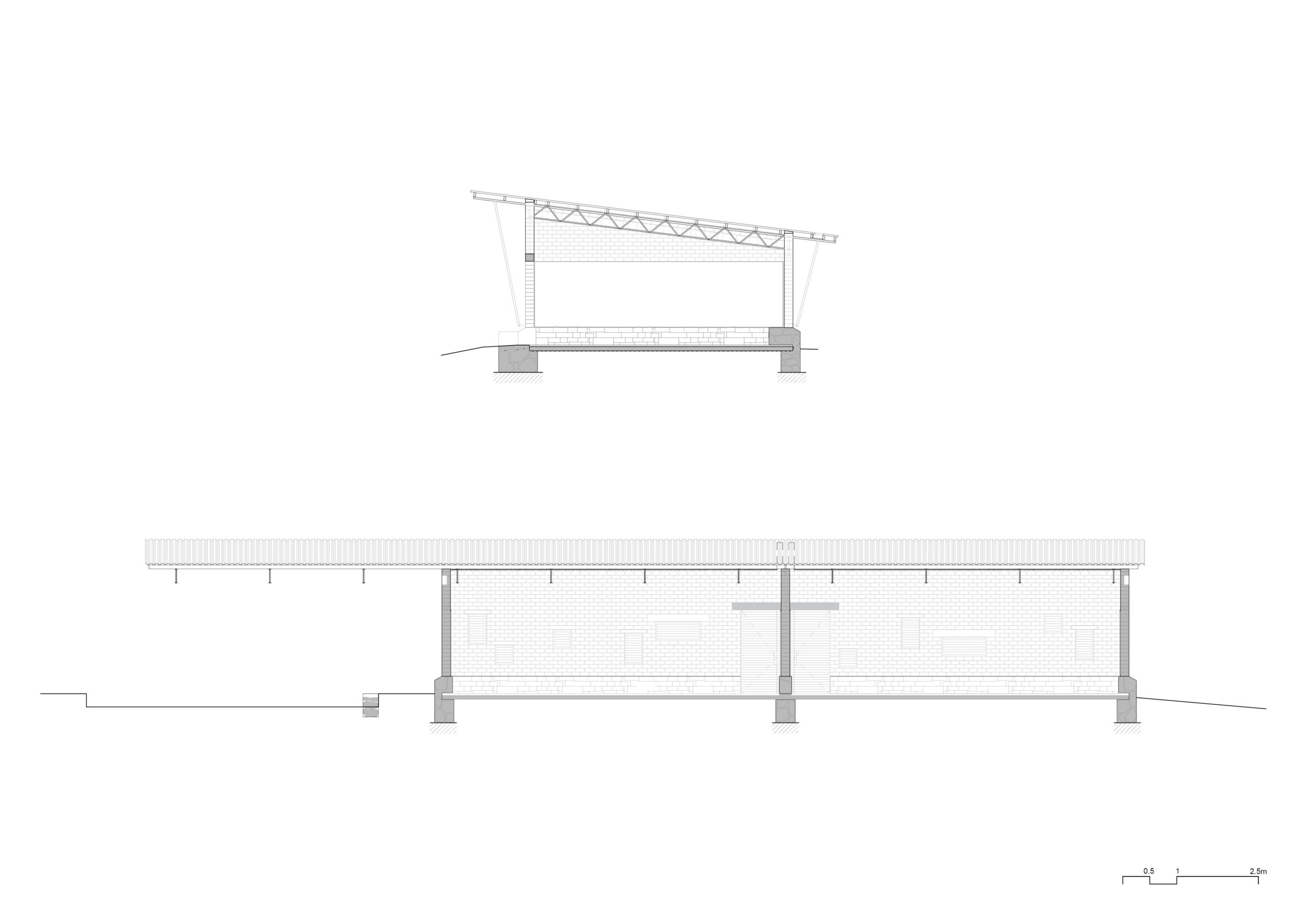 Localworks designed these primary schools to support education in remote communities near Kidepo Valley National Park. The architects built the lower walls with local stone and used compressed earth blocks above to reduce transport costs. They designed lightweight steel trusses that workers could lift without machinery. The design allows teachers to conduct classes in durable buildings that remain practical to construct despite the remote location.
Kula Vocational Training & Community Center, Rwanda
By BE_Design, Northern Province, Rwanda
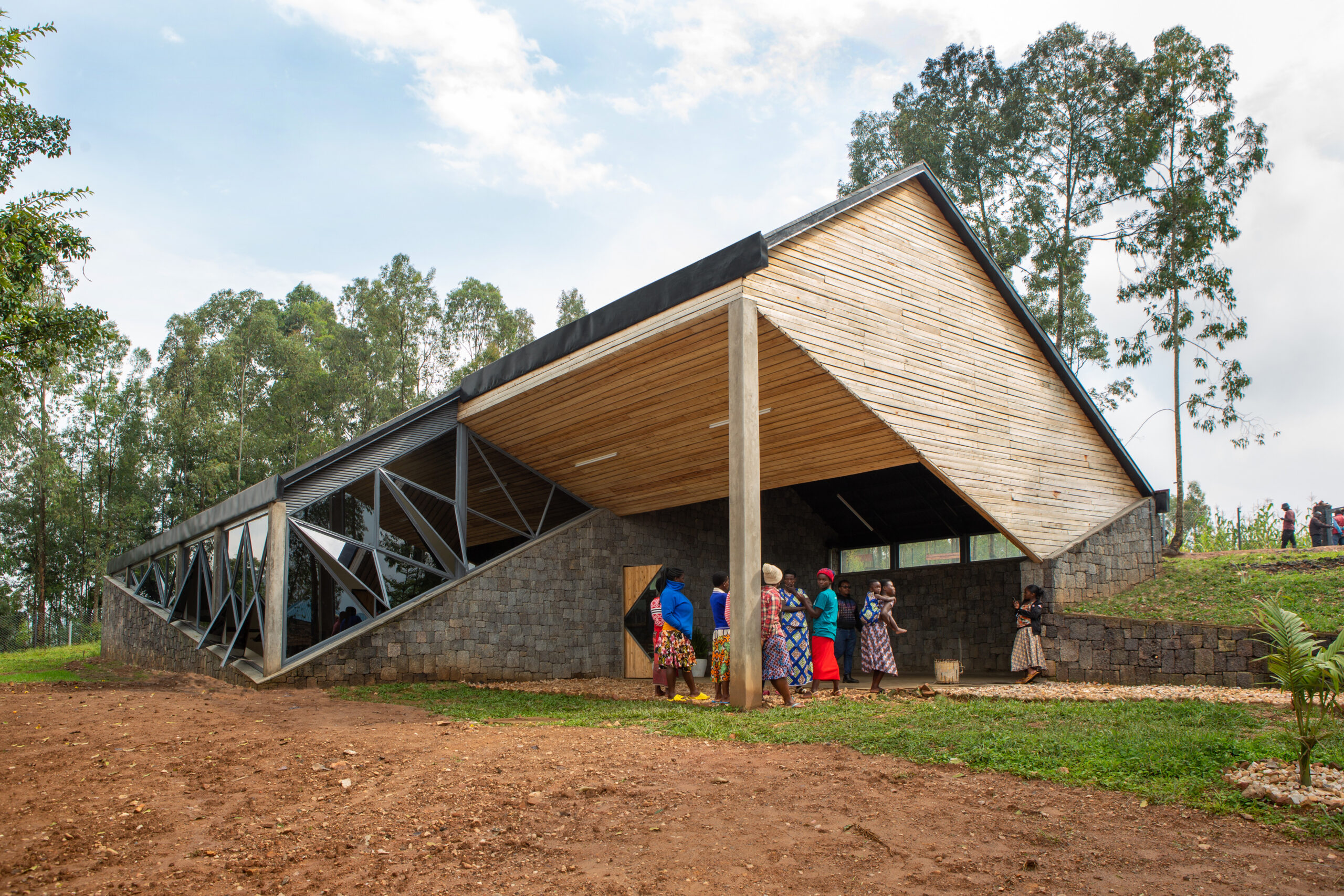
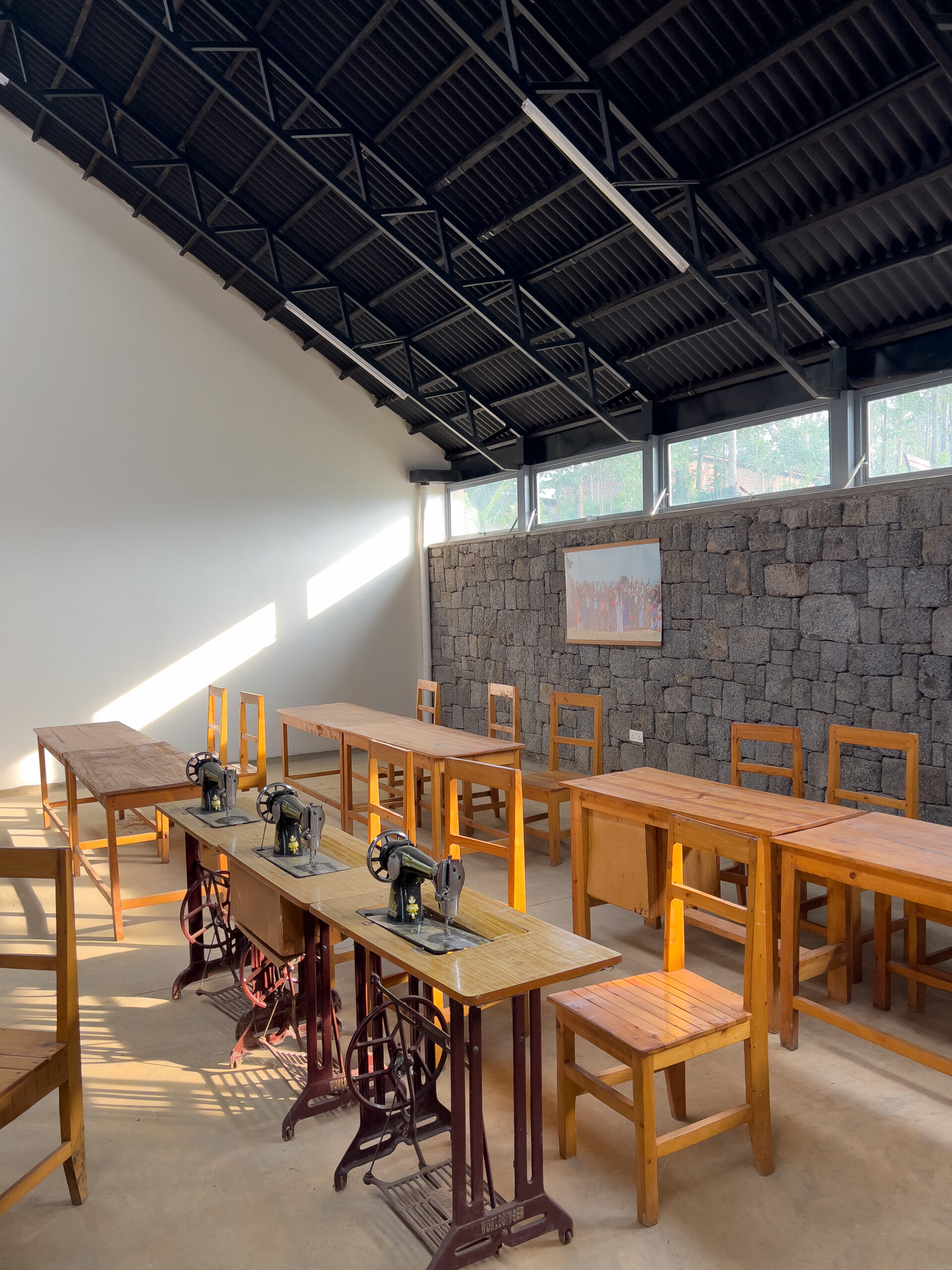 BE_Design designed this vocational training center to support tailoring and skills training for women in the community. The architects built the classrooms with volcanic stone walls to create durable learning spaces and used exposed steel trusses to span the roof. They raised the roof to improve airflow and inserted clerestory glazing to bring in daylight. This way, trainees and instructors will work in cooler rooms with steady daylight suited for long hours of practical training.
Calling all photographers and videographers: Architizer's Vision Awards has categories that celebrate the art of capturing architecture through the lens of still and moving images. The Early Entry deadline is April 17th. Submit today >