
The votes for the 2025 Vision Awards have been counted! Discover this year's cohort of top architectural representations and sign up for the program newsletter for future updates.
“Nothing is permanent except change,” the ancient Greek philosopher Heraclitus once wrote. This sentiment has a habit of resurfacing whenever the world starts to feel unstable (which is to say, more often than one would prefer). In architecture, that instability is no longer abstract, unfortunately. Ground erodes, water advances, seasons swing between extremes and places once considered reliable become increasingly uncertain.
Fortunately, this shift has pushed architecture to reconsider some of its most basic assumptions. Instead of treating stability as a given, designers are increasingly working with uncertainty, developing projects that respond, adapt and negotiate with change over time. The projects in this 2025 Vision Awards collection begin from that unsettled ground, approaching unpredictability as a condition to work with rather than something to resist or smooth over.
Community 2.0
By UArchitects / Misak Terzibasiyan
Editor’s Choice Winner, 2025 Vision Awards, Vision for Community
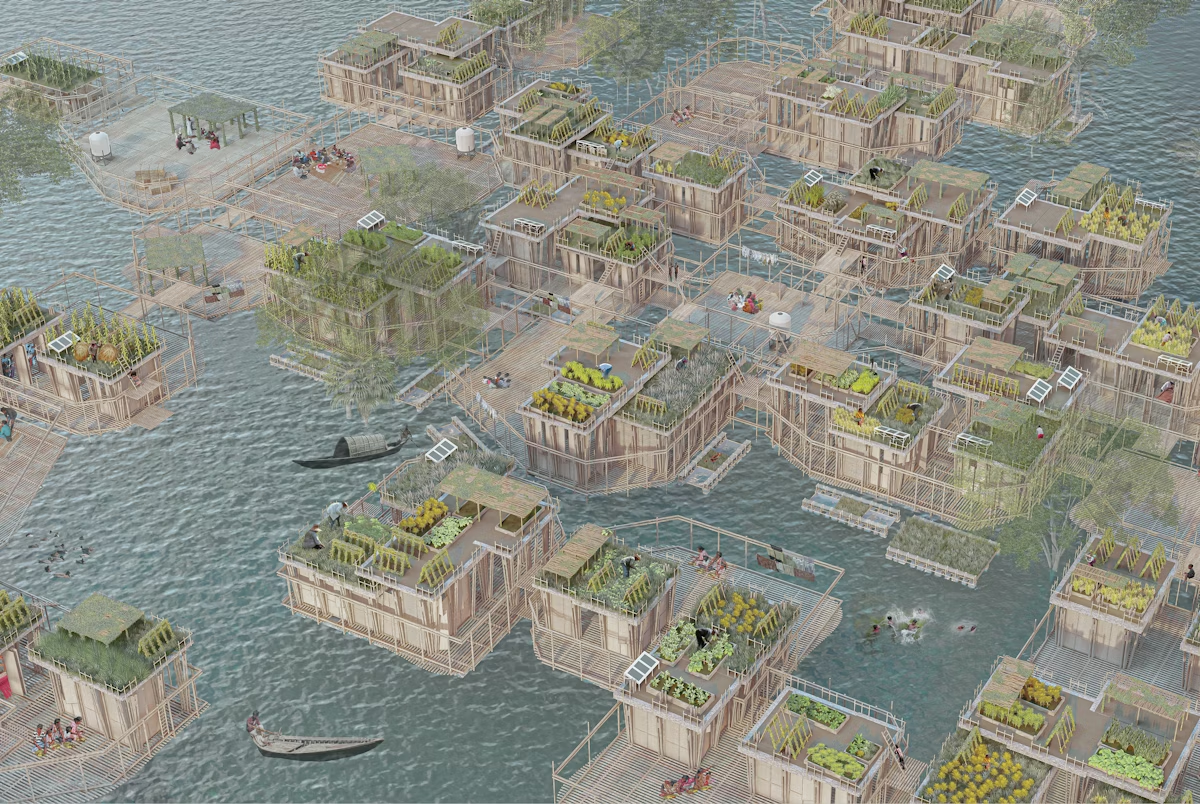
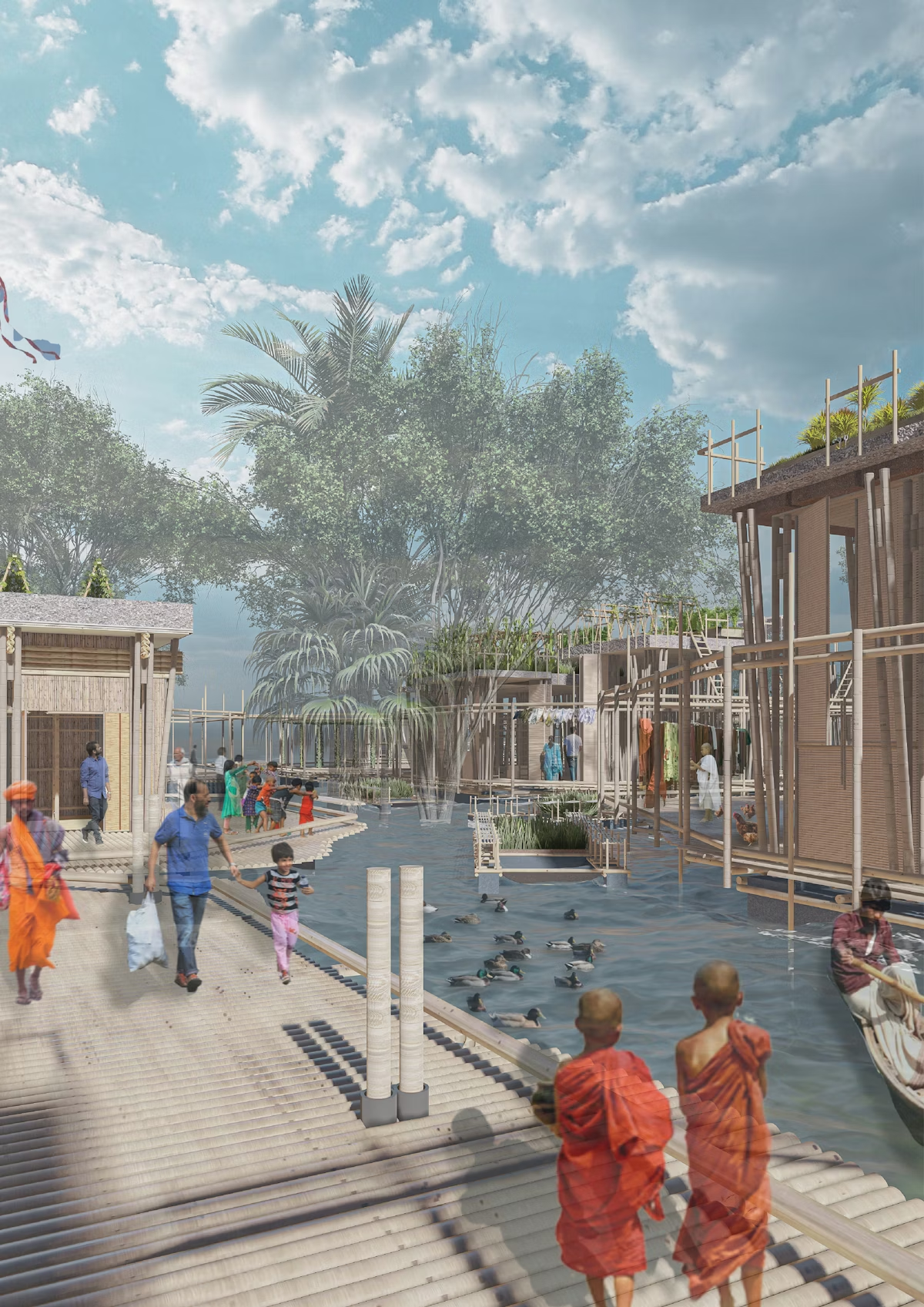 Located in the Khulna delta region of Bangladesh, Community 2.0 addresses a landscape reshaped by rising water levels and recurring floods. The site, once continuous land, has gradually become an island, placing the homes and livelihoods of 70 families at risk. Rather than forcing relocation, the design supports continued settlement through a floating, self-sufficient community intended to live with changing water conditions.
Housing, infrastructure and shared systems are organized to accommodate seasonal fluctuation while maintaining access to daily needs. By allowing residents to remain in place, the project frames adaptation as continuity rather than displacement. Its scalable approach offers a practical model for other delta communities facing long-term environmental uncertainty.
The Icebergs and the Sea
By OPEN Architecture
Finalist, 2025 Vision Awards, Vision for Culture
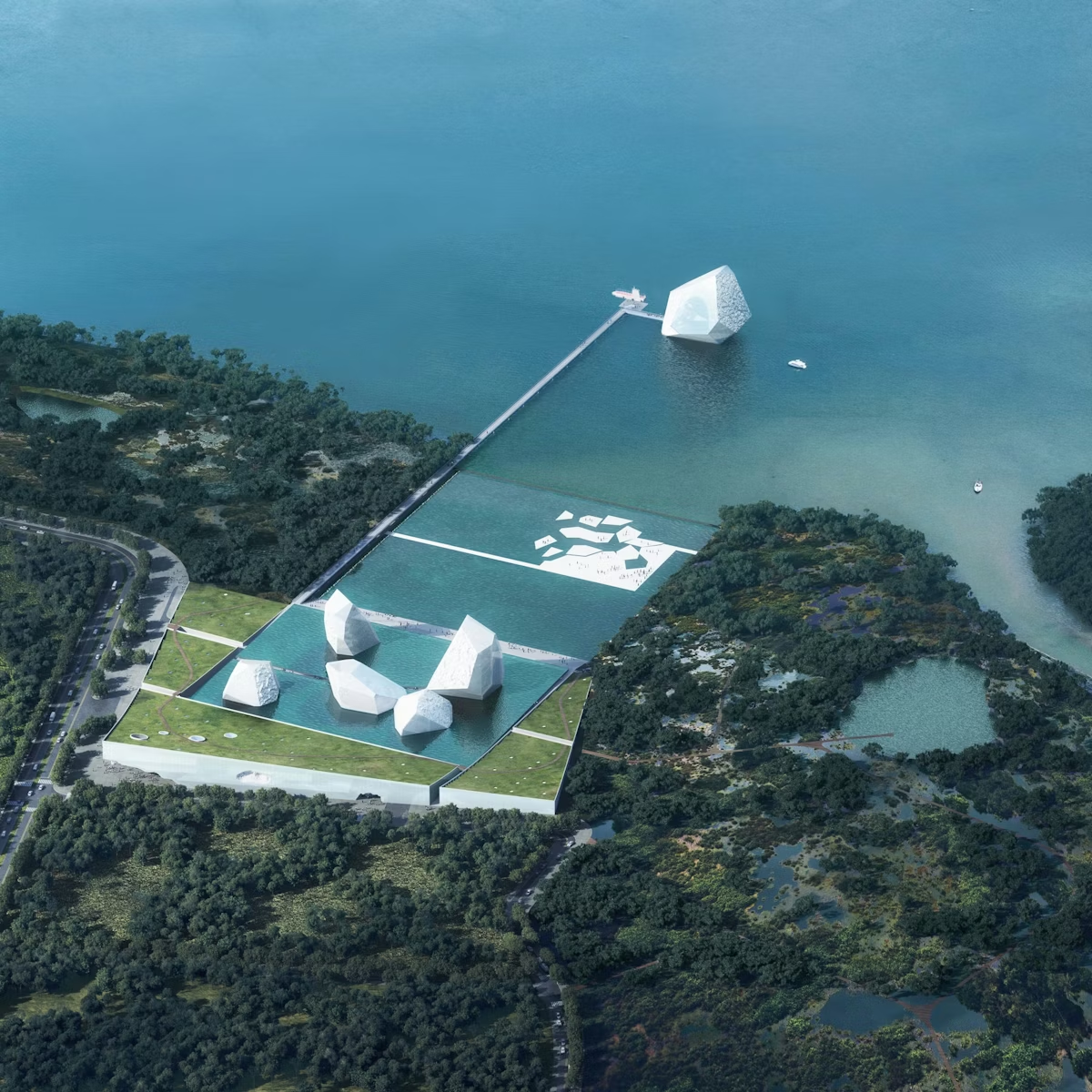
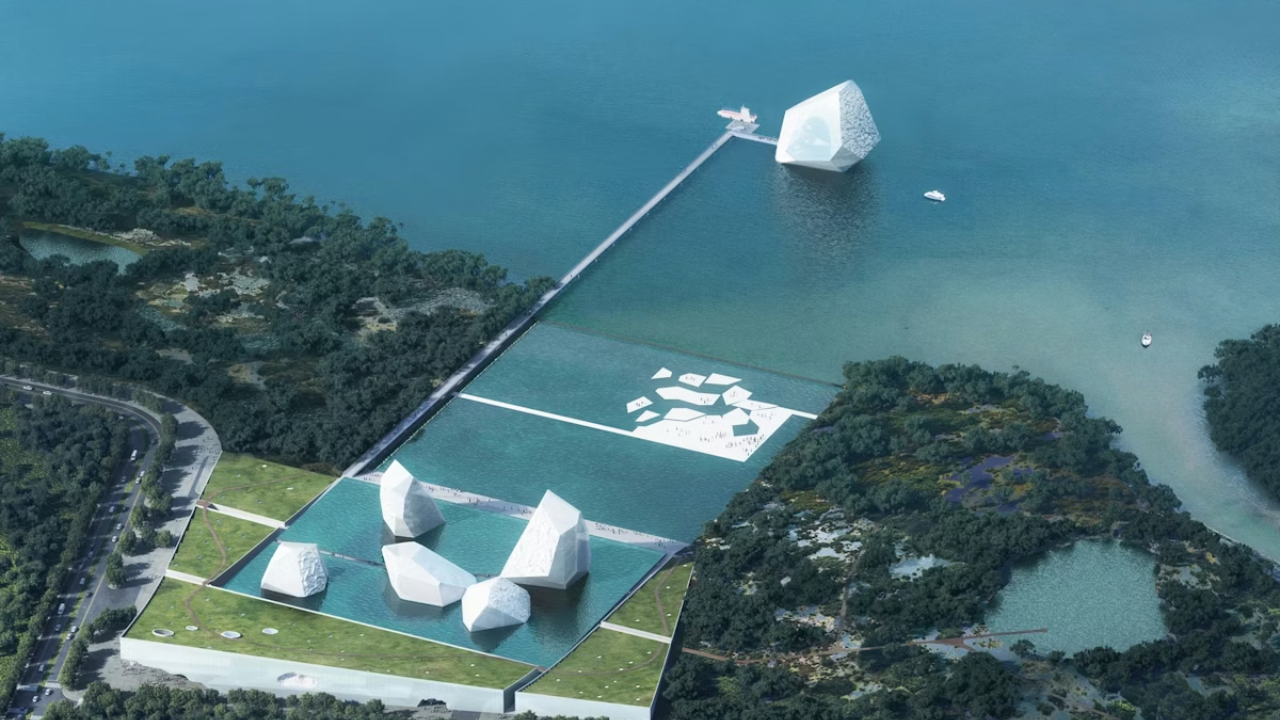
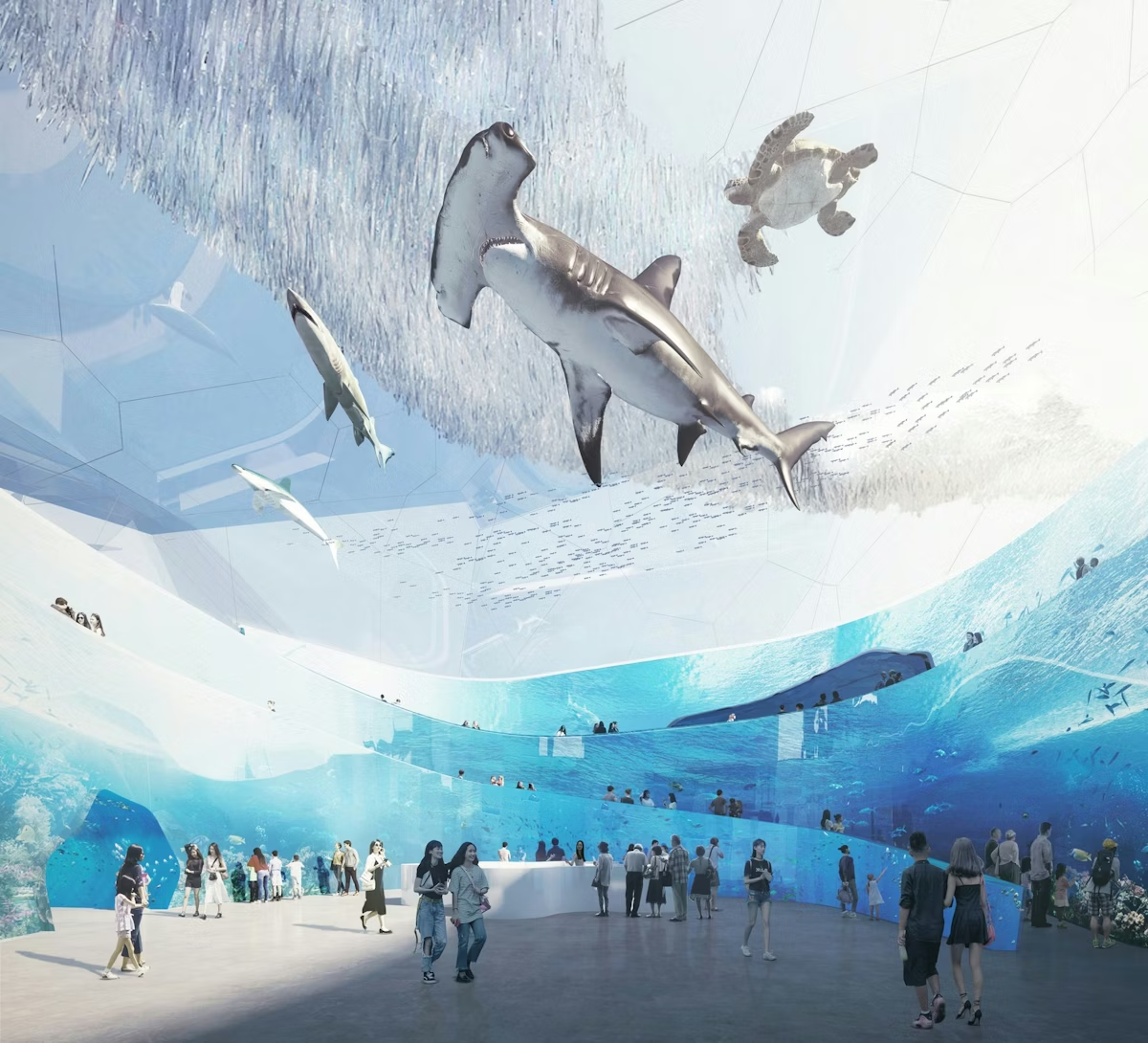 Instead of relying on rigid coastal defenses, this proposal responds to Shenzhen’s vulnerable shoreline by accepting water movement as a permanent design condition. Rather than relying on a rigid sea wall, the project introduces a soft, layered system of coastal defense that accepts flooding and fluctuation as ongoing conditions.
A constructed inland sea sits above the main exhibition spaces, allowing water to become a visible and functional presence within the architecture. Six glass volumes, shaped like icebergs, emerge from this water body and house public programs focused on learning and gathering. By turning coastal pressure into a spatial and educational resource, the project aims to promote awareness of global warming while proposing a more adaptive relationship between architecture, water and marine ecology.
Bangkung Malapad Ecotourism Park
By KJHP Design Group
Finalist, 2025 Vision Awards, Vision for Localism
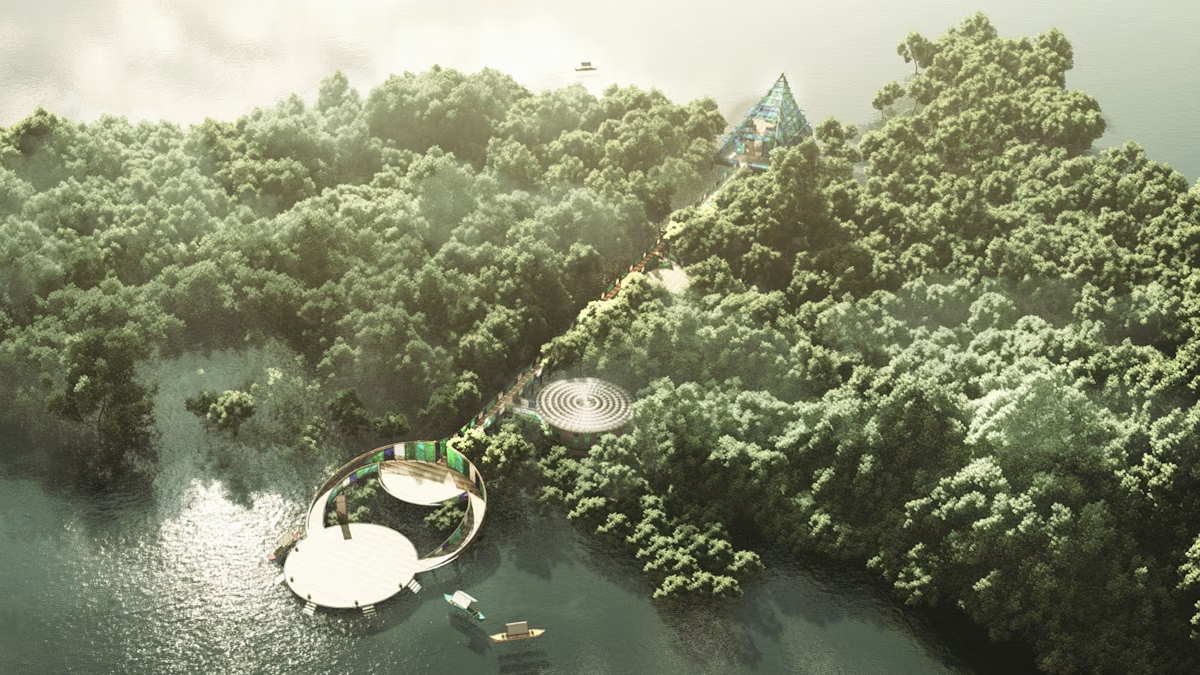
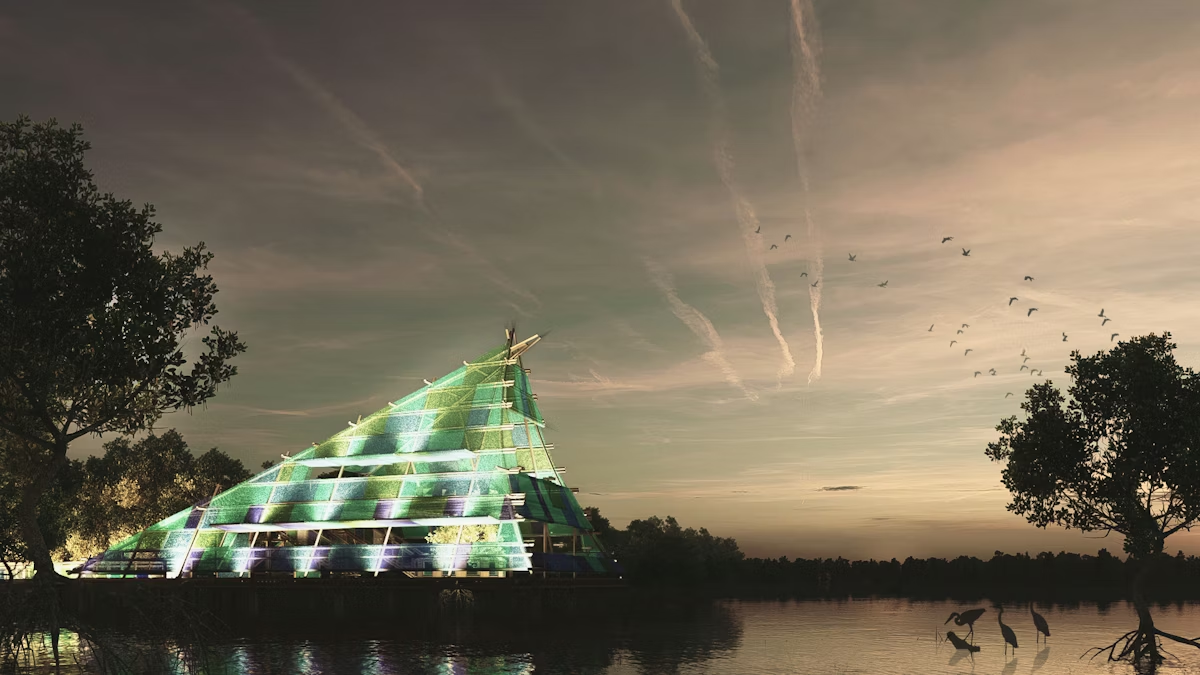 Set on a protected mangrove wetland islet in the coastal municipality of Sasmuan, Bangkung Malapad Ecotourism Park responds to an environment shaped by tidal change, erosion and ecological sensitivity. The project treats the mangrove landscape as essential infrastructure, prioritizing habitat protection while restoring natural water filtration systems that support both wildlife and community life.
Architecture is organized to accommodate fluctuating water levels and fragile ground conditions, drawing on the form of the banca, a traditional Filipino boat associated with local aquaculture practices. By supporting tourism without placing pressure on limited land resources, the project aims to sustain livelihoods, safeguard coastal ecosystems and demonstrate how development can operate within the limits of unpredictable wetland environments.
Baghere Nutritional Center
By Kyle MertensMeyer
Editor’s Choice Winner, 2025 Vision Awards, Vision for Localism
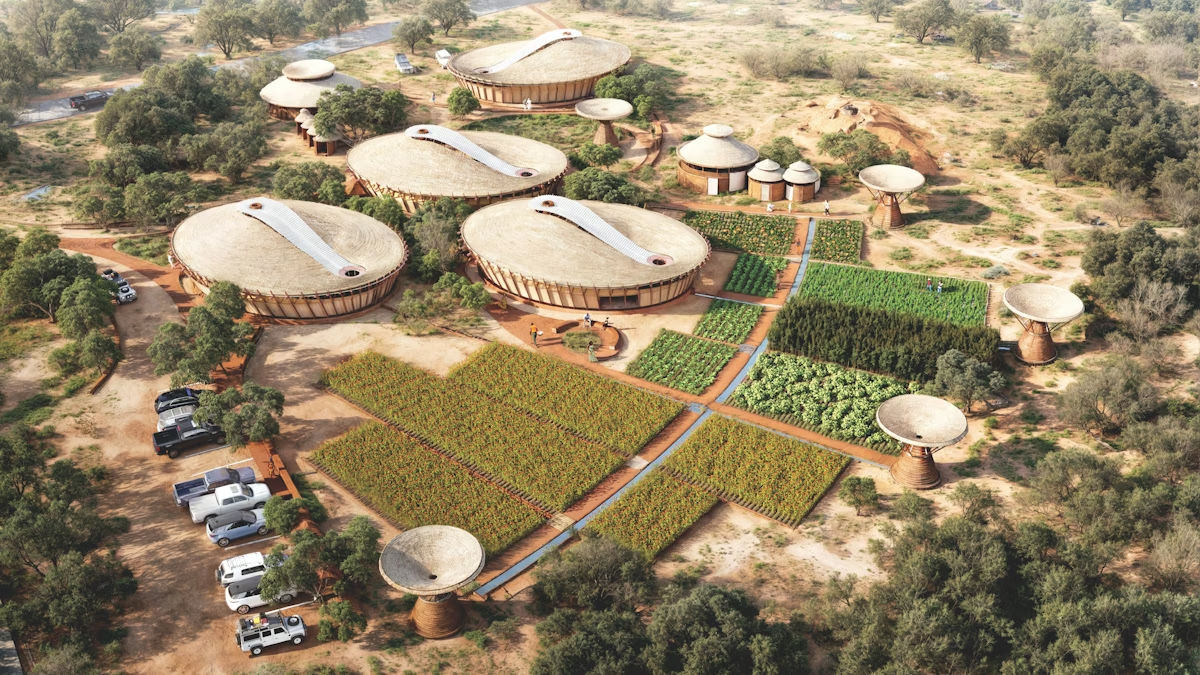
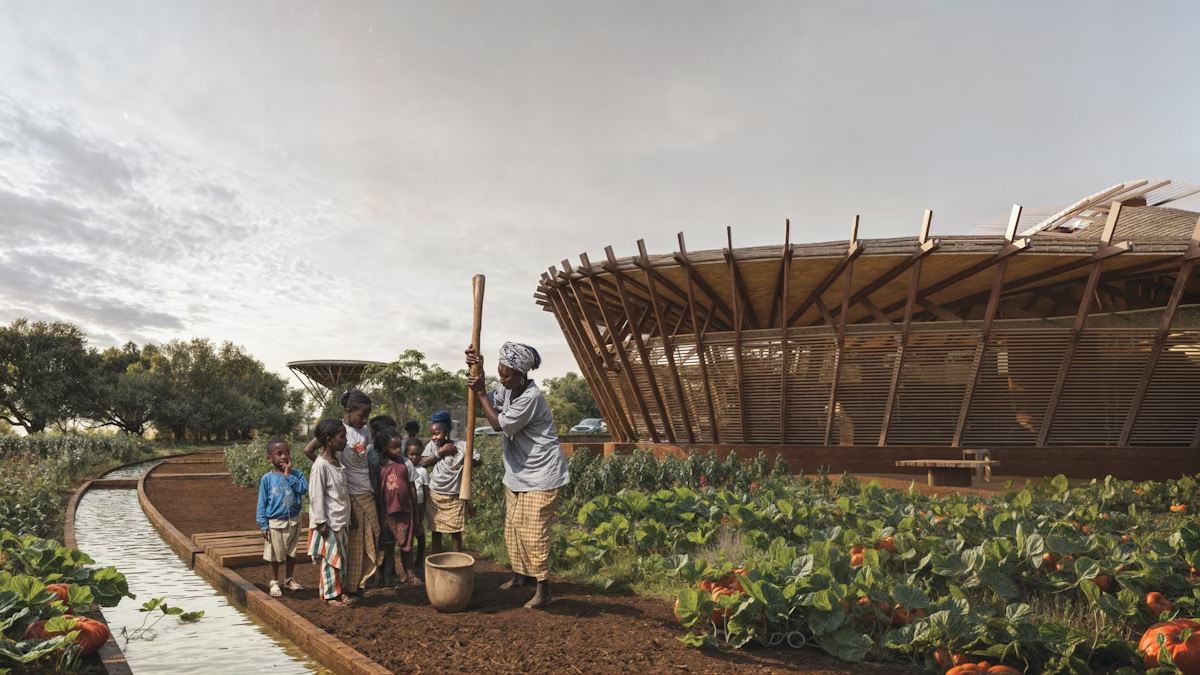 Baghere Nutritional Center responds to an environment defined by severe seasonal imbalance, where heavy summer rains alternate with prolonged periods of drought. These shifting conditions place constant pressure on food production and access to clean water, directly affecting community health. The design organizes a series of small pavilions around shared outdoor space, each supporting healthcare, education, food preparation, or temporary living.
Architecture and infrastructure work together to capture and store rainwater for use during the dry season, while roof forms and material choices promote airflow and daylight in high heat. By linking water management, food gardens and social services, the project aims to stabilize daily life in a climate where environmental reliability can no longer be assumed.
TERRAS MEDITERRANEAS, a floating city for Rome
By Studio Andrea Dragoni
Editor’s Choice Winner, 2025 Vision Awards, Vision for Cities
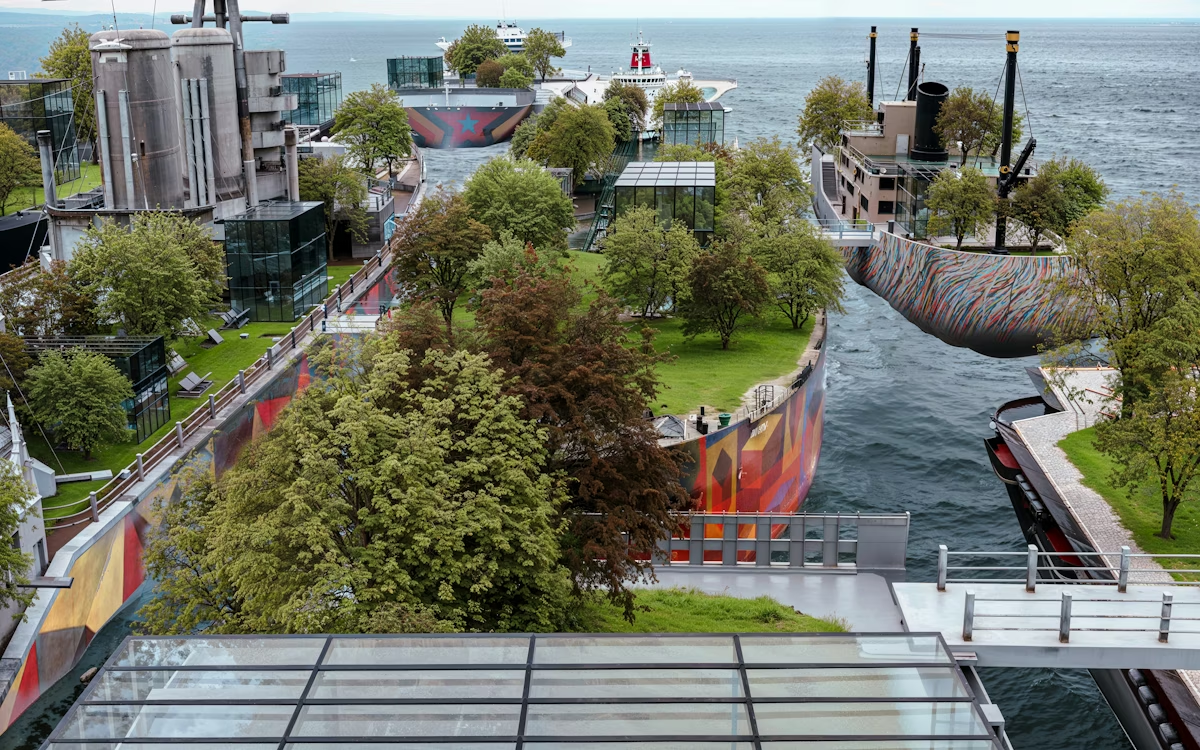
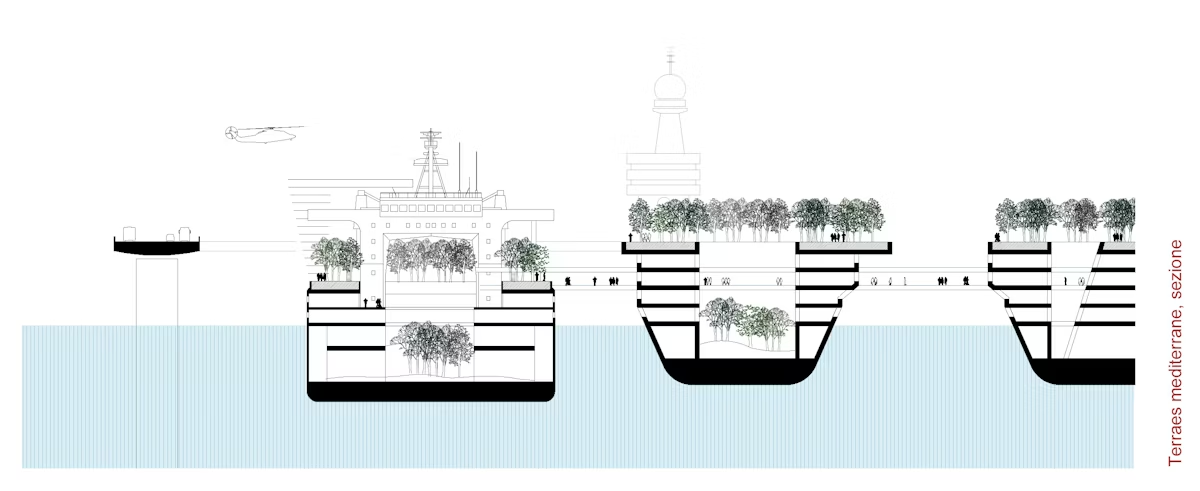 This proposal explores habitation in an environment where land is no longer stable or expandable. Set in the open sea off the coast of Rome, near Lido di Ostia, it treats water as permanent urban ground shaped by coastal pressure and long-term sea-level uncertainty. A new neighborhood is formed by repurposing decommissioned military and merchant ships, arranged as a loose archipelago rather than a fixed landmass.
Inspired by literary visions of drifting territories, the project questions how cities might grow when shorelines retreat and conventional expansion reaches its limits. Its goal is to test alternative models of urban life that accept movement, exposure and maritime conditions as defining forces shaping future coastal settlements.
The votes for the 2025 Vision Awards have been counted! Discover this year's cohort of top architectural representations and sign up for the program newsletter for future updates.