Do you have an outstanding image that tells a compelling architectural story? The 2026 Vision Awards has a range of categories, from hyperrealistic or artistic renderings to expressive drawings or hybrid digital mediums. Start your entry >
/imagine “a post-apocalyptic world, where AI has taken over all creative fields, including that of architecture. Machines generate floor plans, stunning visuals and complex geometries in a matter of seconds, eventually displacing the architect and any creative input that role may hold.”
Although there are many conversations around the relationship between artificial intelligence and architectural practice, the scenario above lives very vividly in the collective architectural imagination of the profession. The question “will machines replace designers?” has been widely debated, fueling anxiety around authorship, originality and ultimately professional relevance. And while the architectural community is fixed on AI being an “agent of creativity”, in truth, the real revolution may lie somewhere else entirely. Specifically, in the vast amount of soul-crushing administrative work that comes along with contemporary architectural practice.

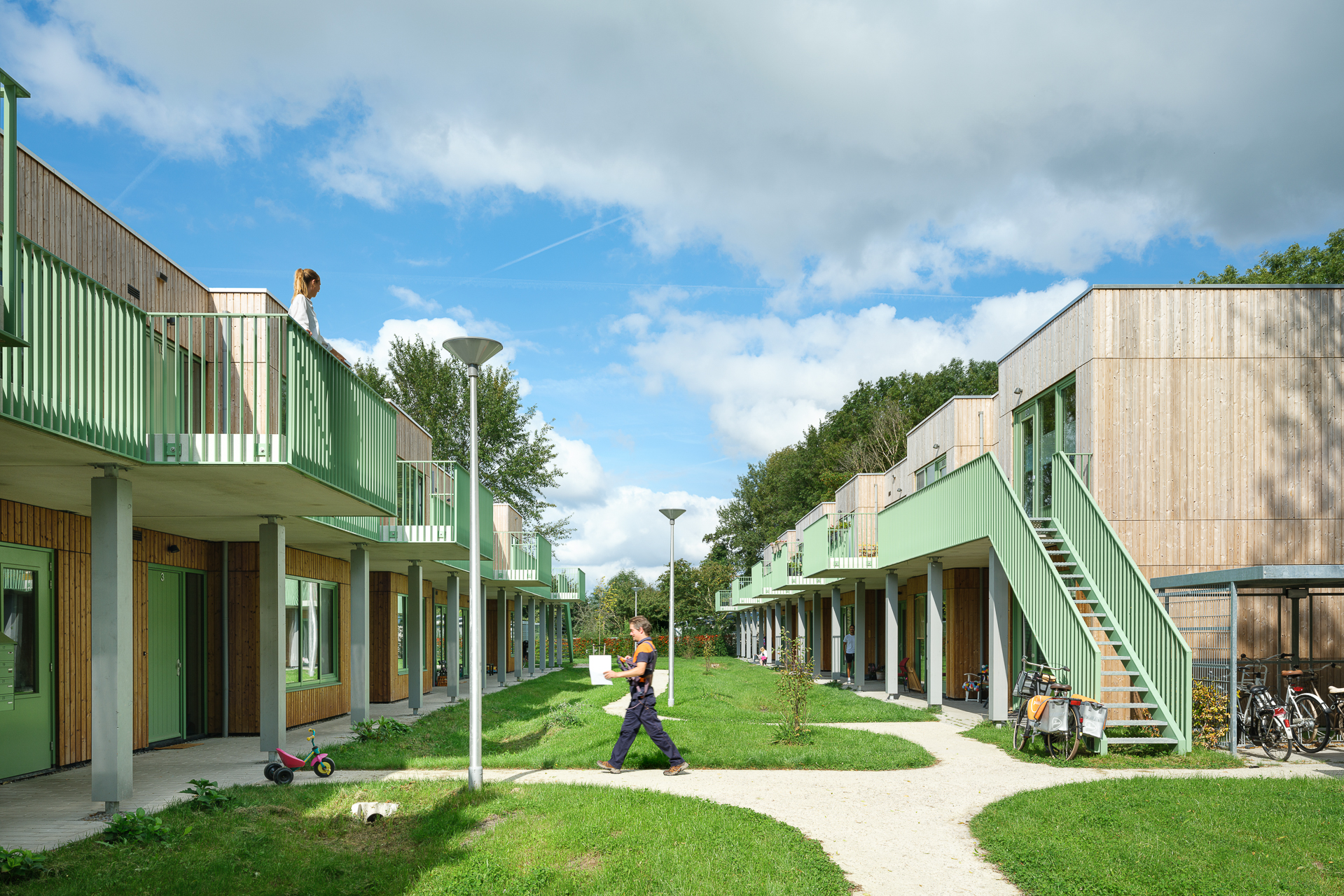
Moos Euterpe by concrete, Maasland, Netherlands | Popular Choice Winner, Affordable Housing, 13th Architizer A+Awards
If we were to calculate the total labor hours that go into the day-to-day workings of architecture offices, the numbers would be startling. Between endless email chains and coordination meetings, the documentation, compliance and regulatory material required to support each project, and the “boring” door schedules or specification sheets that seem to require revision every five minutes, the time architects spend actually designing is often reduced to less than half of the working day. And yet all this work is not only essential, but also very much invisible, since architects naturally do prefer to promote the exciting aspects of their daily process.
This quiet, grinding side of architecture has long been dismissed and labeled as a necessary byproduct of practice, rather than a condition that actively shapes the profession and its output. For example, traces of its influences can be found in large-scale construction projects, where homogenization has become the trade-off for speed and ease, or even in situations where any effort for innovation is cancelled and replaced by the standardized solution, already tested and verified. In other words, too many administrative demands lead to little room for actual design.
Consequently, instead of treating AI as a threat to architectural authorship, what if these tools were reframed as agents of automation? What if AI could draft technical reports or meeting summaries, revise drawings automatically and even cross-check documents with local building codes and regulations? What if architects viewed AI as an infrastructural ally instead of a creative rival?

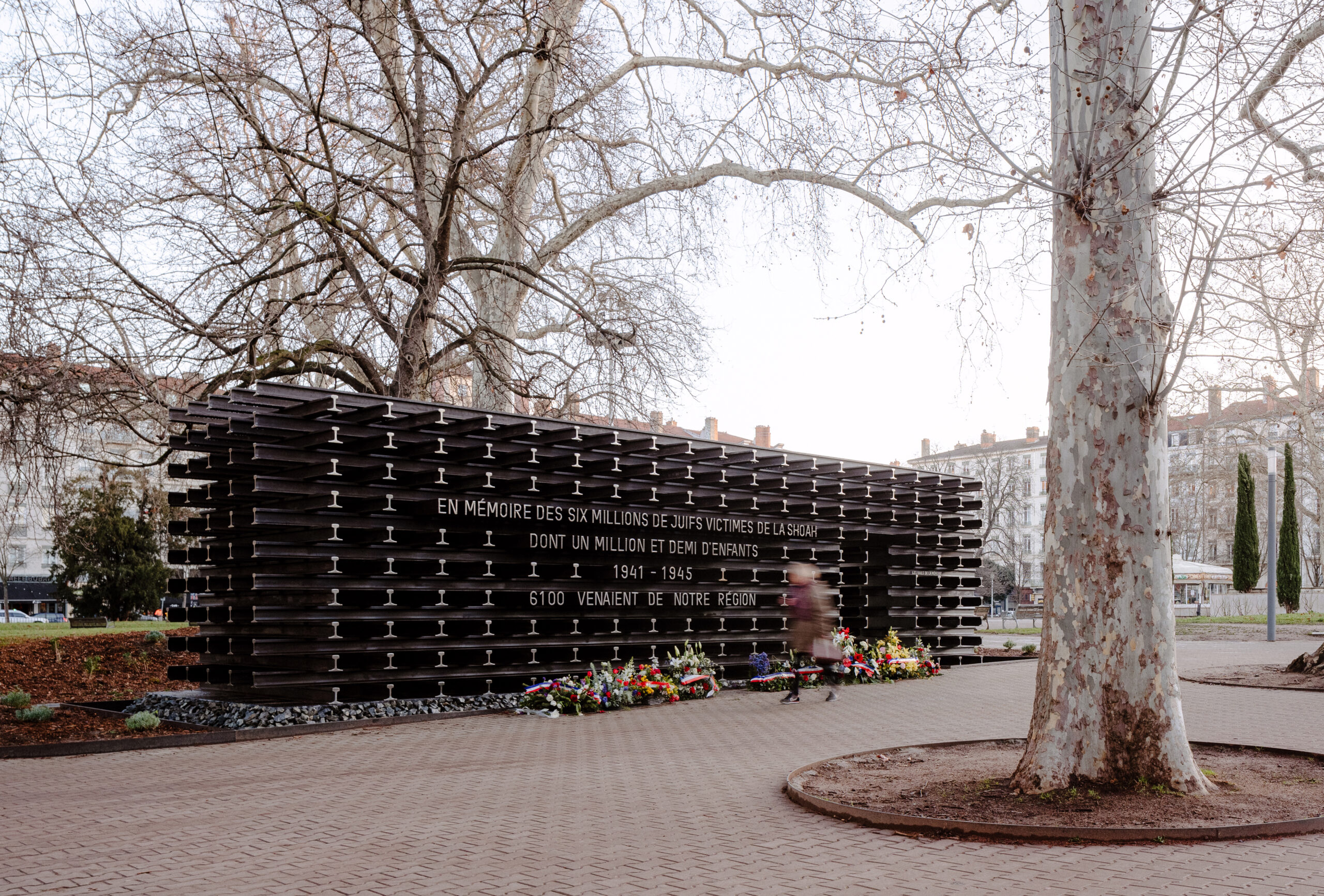
Rails of Memory by Blaising Borchardt Studio, Lyon, France | Jury Winner, Religious Buildings & Memorials, 13th Architizer A+Awards
/imagine “a heavenly world, where AI has taken over all the administrative work of the architectural profession. Machines generate reports, handle emails and revise drawings in a matter of seconds, eventually replacing the architect as the primary manager of paperwork.”
In this scenario, architects get their time back and are able to devote more energy to thinking and testing ideas, have better conversations with clients or other collaborators, and investigate alternative construction techniques or materials that would otherwise be very time-consuming to do so. Most importantly, however, this reframe signals a deeper shift in architectural values and how the profession is assessed.
Year by year, architects are forced to operate in higher speed and with more accuracy, undertaking projects with tight schedules, limited budgets and the need for constant production. In fact, “a job well done” may be measured in terms of how quickly drawings were produced rather than how well the space is designed. However, with AI handling most of the legwork, these “evaluation metrics” may no longer apply to the architects themselves. With all the bureaucratic labor being offloaded to the machines, the profession naturally slows down without really pressing on the brakes.


Dongmingshan Senyu Hotel by GLA Architects, Hangzhou, China | Jury Winner, Hotels and Resorts, 13th Architizer A+Awards
Apart from aiding production and efficiency, though, this shift also celebrates process. To be more specific, by allowing architects to design, test and reflect more, the practice stops obsessing over legible outputs and fast-generated spectacle and focuses more on the process of care — or (care)ful process. Context is more thoroughly drawn and investigated, materials are tested and reworked, users are considered in the overall program, and the invisible labor of architecture decision-making takes the front stage once again.
To conclude, it is ironic that approaching the current AI boom from this perspective reveals that delegating administrative labor does not diminish the role of the architect; on the contrary, it re-humanizes it. Responsibility is reassigned to those aspects of practice Responsibility is reassigned to those aspects of practice that require human intuition and critical thought — qualities that machines are unable to replicate, and that architects cannot afford to lose.
Do you have an outstanding image that tells a compelling architectural story? The 2026 Vision Awards has a range of categories, from hyperrealistic or artistic renderings to expressive drawings or hybrid digital mediums. Start your entry >
Featured Project: HumCustom Factory Exhibition Hall by OAOA Studio, Popular Winner, Showrooms, 13th Architizer A+Awards