Architects: Want to have your project featured? Showcase your work by uploading projects to Architizer and sign up for our inspirational newsletters.
Upon first glance, frozen terrains do not seem very enticing for construction. The inhospitable landscape, the area’s remoteness, as well as the challenging weather conditions, make it extremely difficult to design for long-term inhabitation. However, there are certain architectural typologies that not only endure but actually thrive in such contexts. Arctic observatories and viewpoints, along with data and research centers, are buildings framed as instruments of science and innovation, while often acting as long-term infrastructural claims within a cold terrain.
Albeit frequently presented as neutral or purely scientific endeavors, these structures are also great strategic political assets for those who establish them. This dual role becomes evident in examples where scientific function is deliberately intertwined with strategic geographical positioning. Below are six projects that showcase impressive research infrastructures that prosper amidst arctic landscapes, acting as observation stations, pushing research forward, and even transforming these icy territories into “frozen assets.”
Apart from shaping political and scientific agendas, these six projects demonstrate how harsh arctic conditions can push architectural innovation forward. They showcase solutions for zero-carbon emission buildings, state-of-the-art insulation practices and even advancement in structural foundation logic.
Holt Watters Field Camp
By Colorado Building Workshop / University of Colorado Denver, Antarctica
Popular Choice Winner, Sustainable Institutional Building, 12th Architizer A+Awards
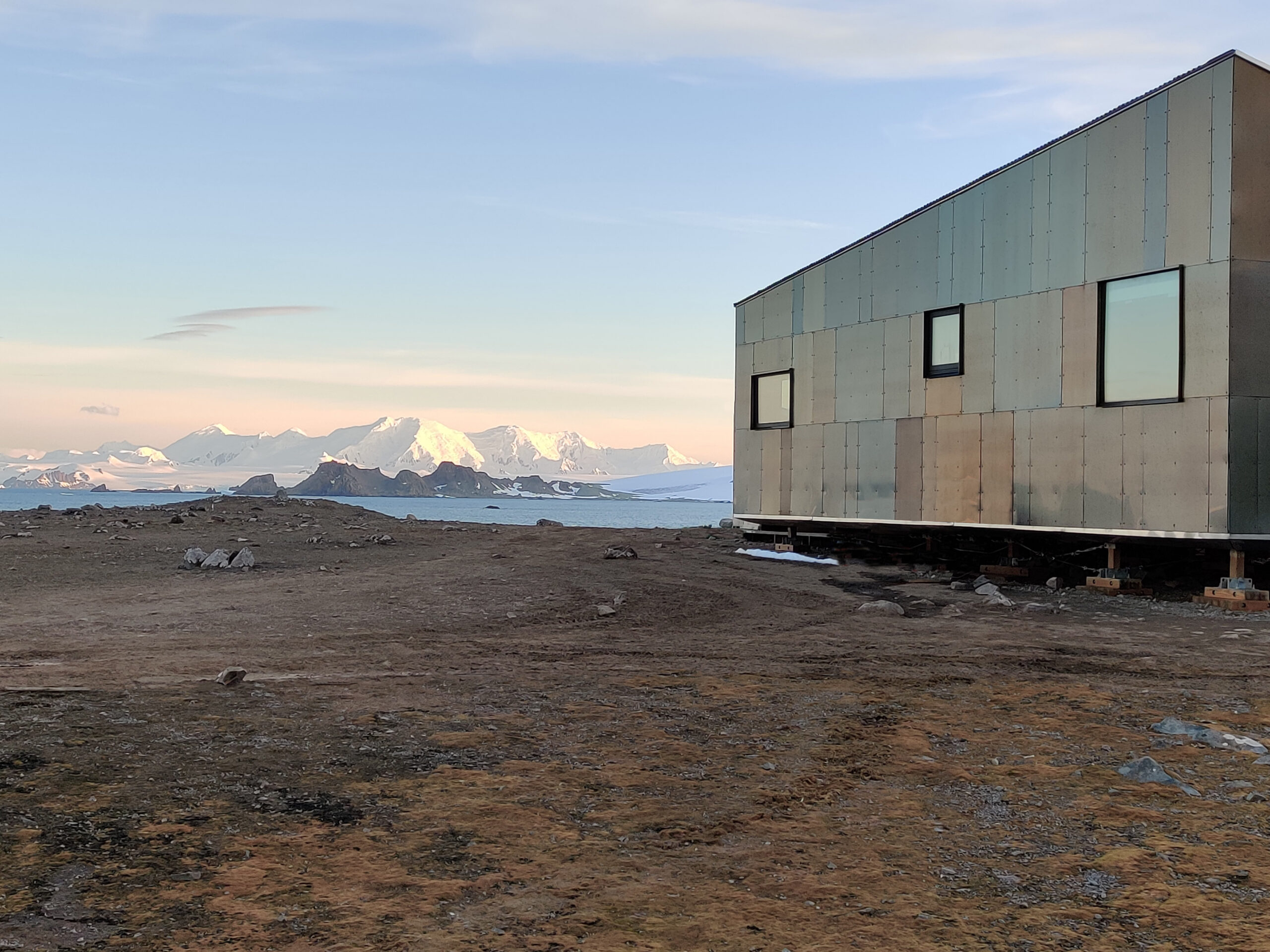
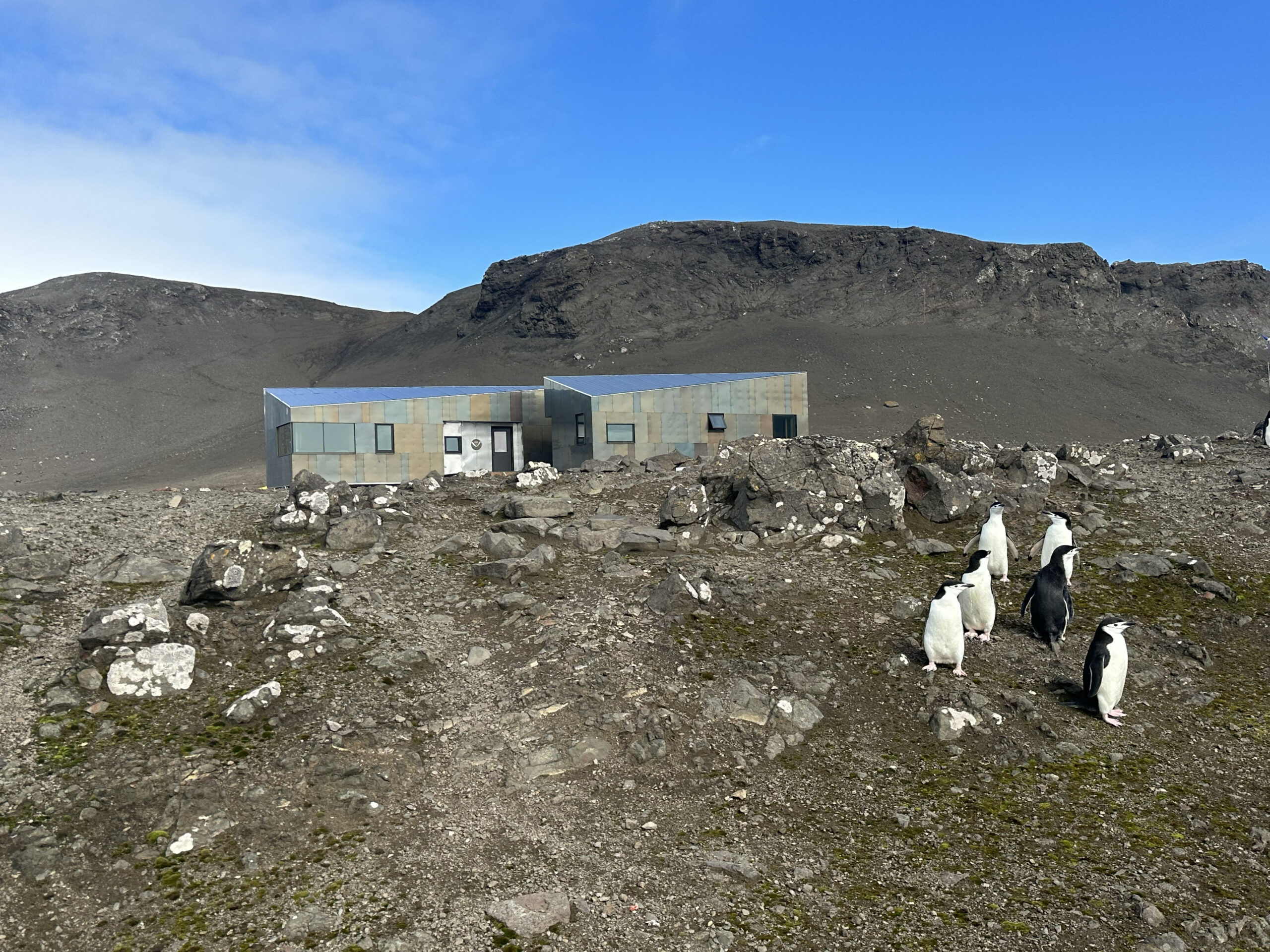

The remote location necessitated prefabricated, lightweight, highly insulated and nearly maintenance-free building solutions that could be easily transported. Building elements, such as the roofs and walls, double as “weather taming” devices, where the offset gable roofs collect water and a series of thin walls act as wind fences that also keep snow from accumulating in the courtyard. Finally, the buildings are heavily insulated, clad in stainless steel and fitted with triple-panel windows.
Juan Carlos 1 Spanish Antarctic Base
By Hugh Broughton Architects, Antarctica
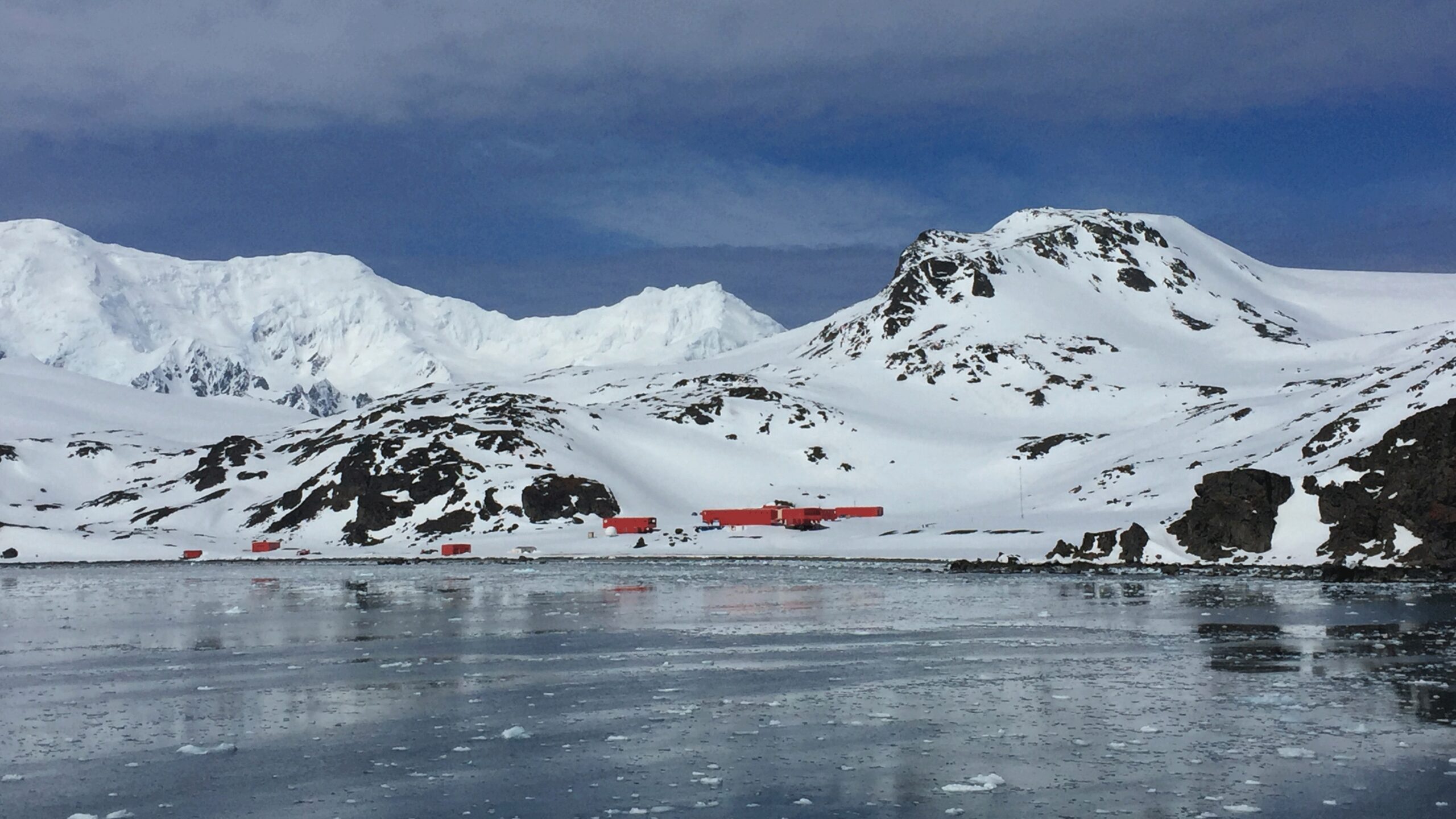
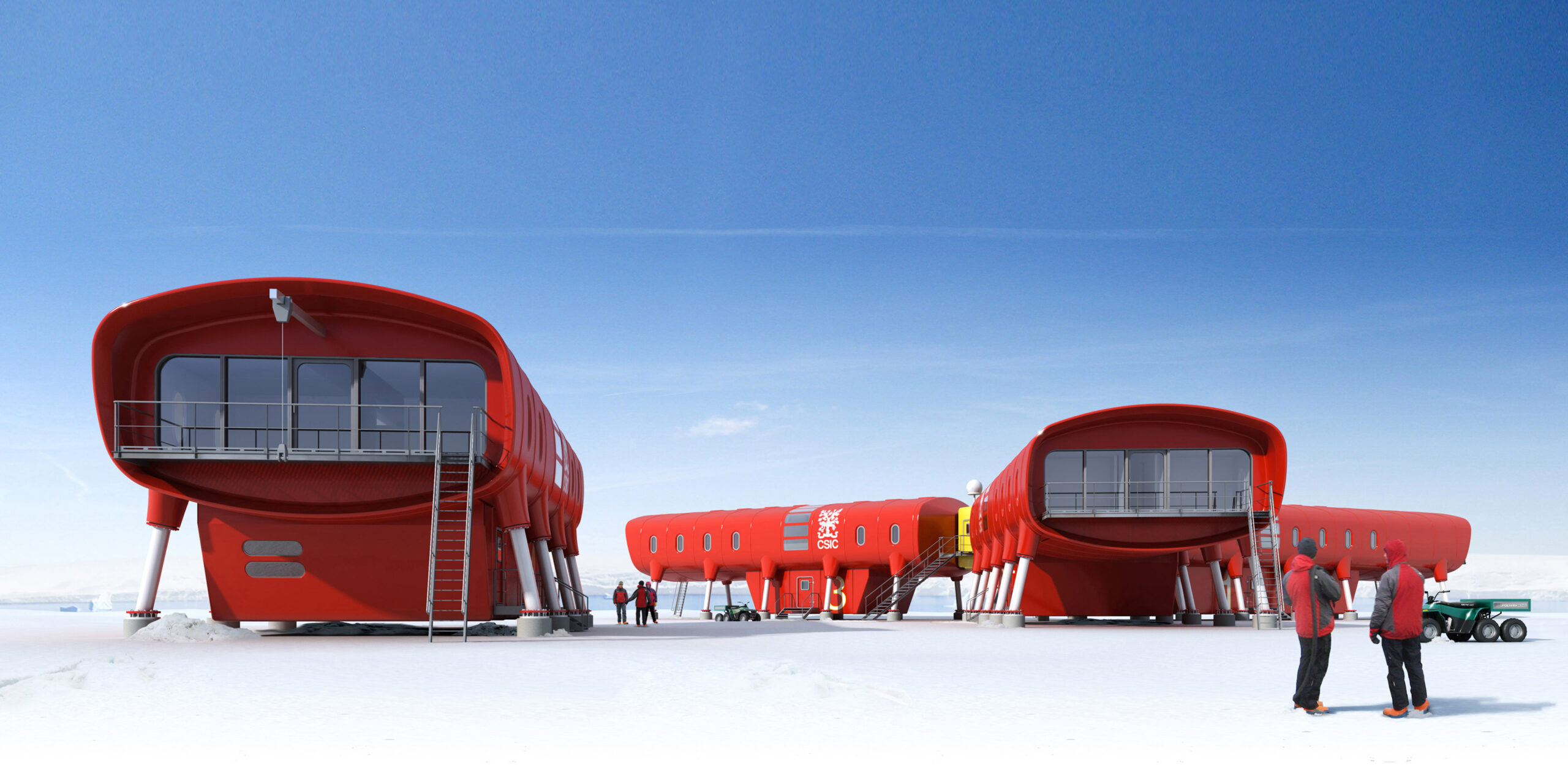


Propped up on legs, in order to protect it from the rare mosses and lichens found on site, the structure is made from a durable steel frame clad with red, fibre-reinforced plastic panels. In parallel, albeit its dominant presence on site, the research centre’s orientation coordinates with the surrounding topography, with windows framing specific views towards the sea.
Icelandic Institute of Natural History
By ARKÍS Arkitektar, Gardabaer, Iceland
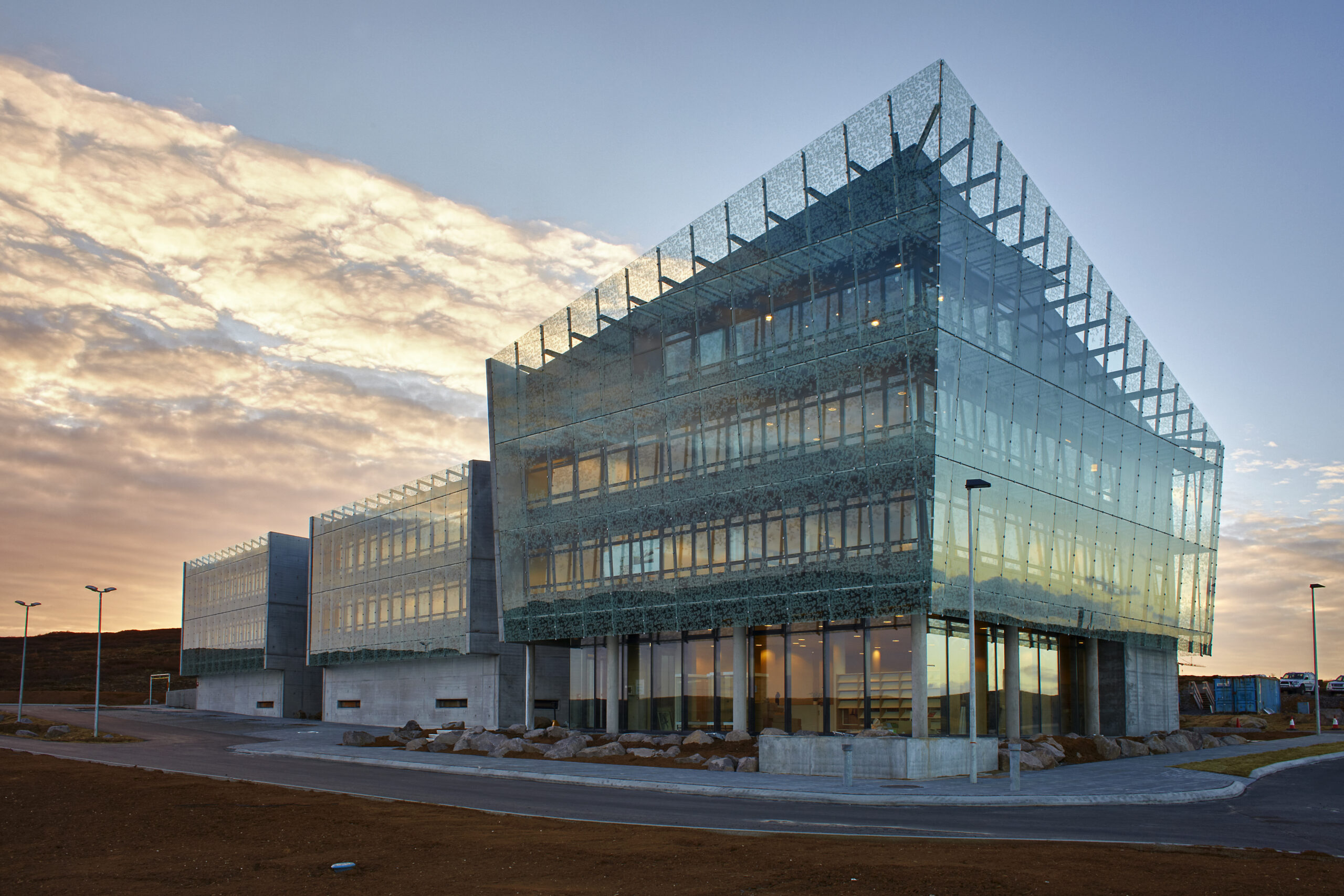
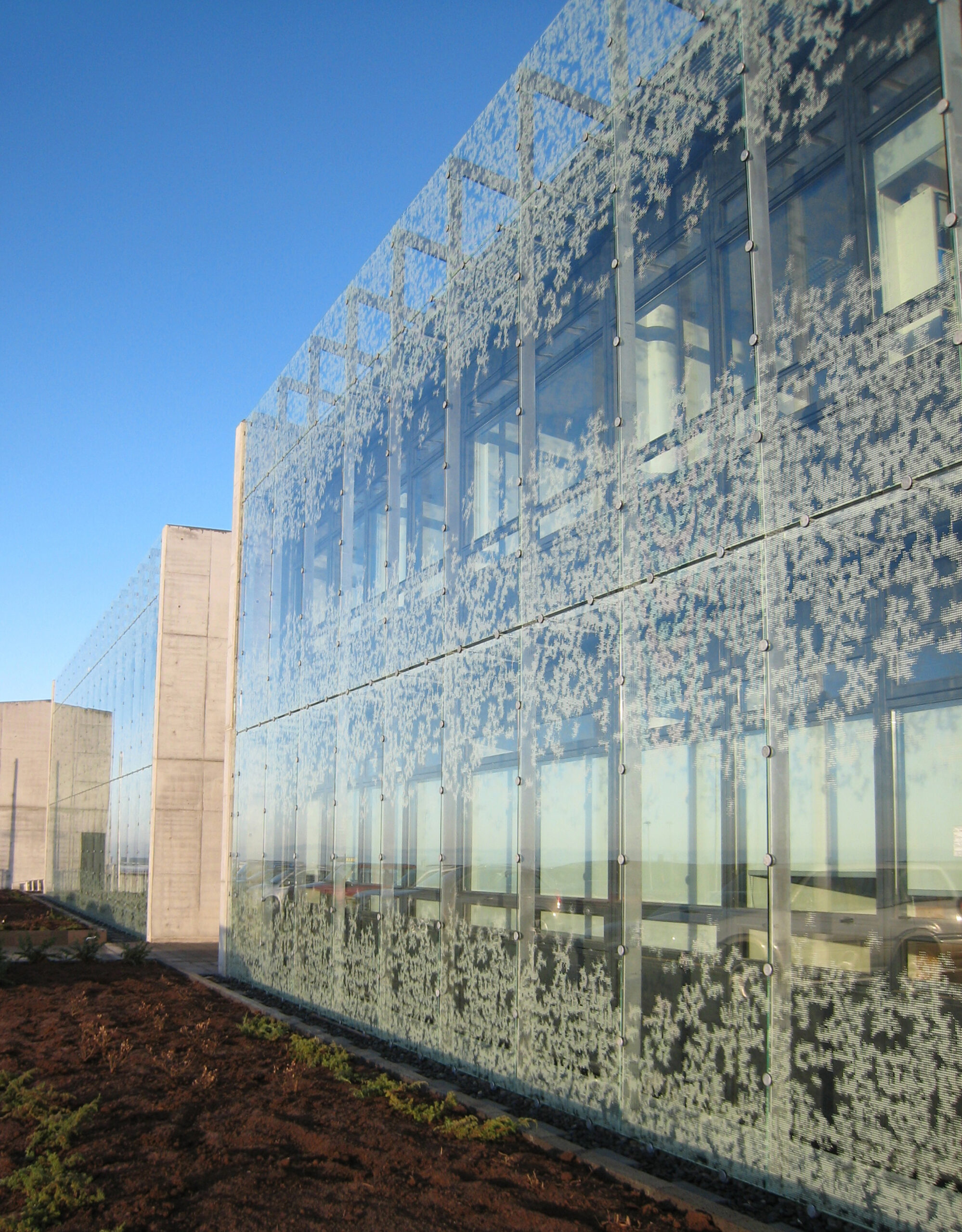


In parallel, vertical concrete walls provide rhythm and structure to the design, which in turn follows advanced sustainability principles. Specifically, the project incorporates surface drainage systems that have been specially designed to protect the ecology of the Urridaholtsvatn lake.
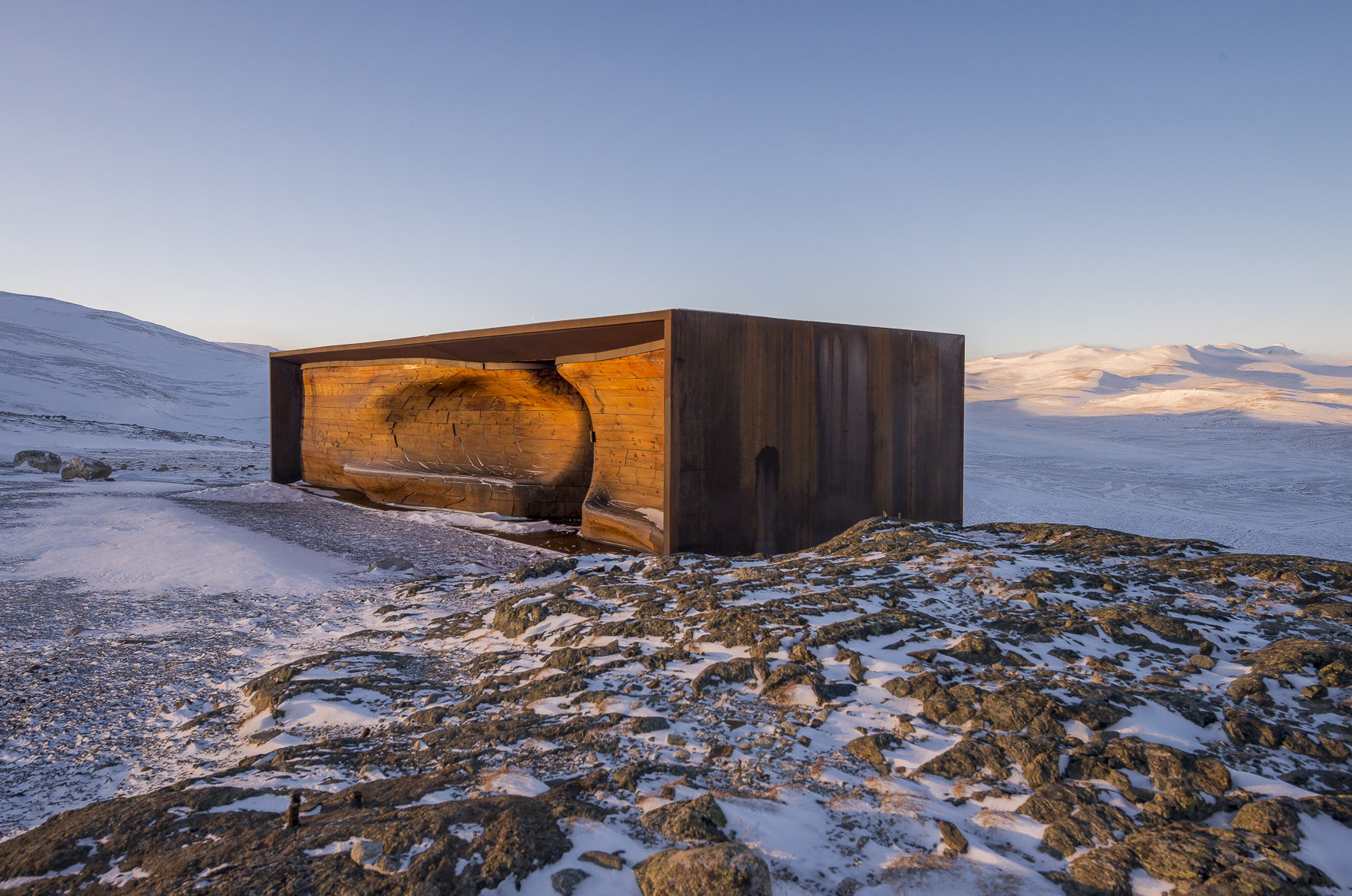
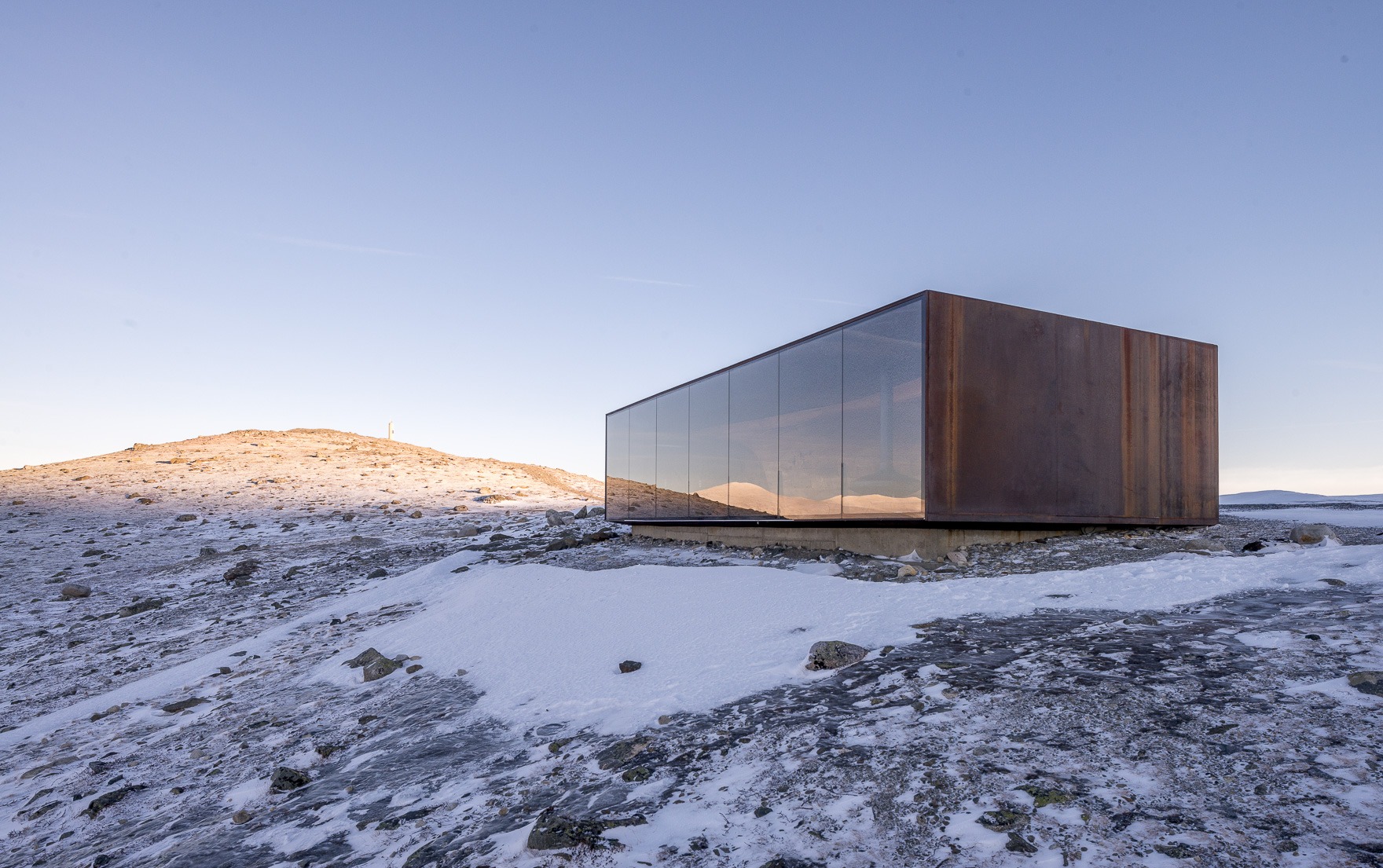
Tverrfjellhytya: Snohetta Viewpoint
By Snøhetta, Hjerkinn, Norway


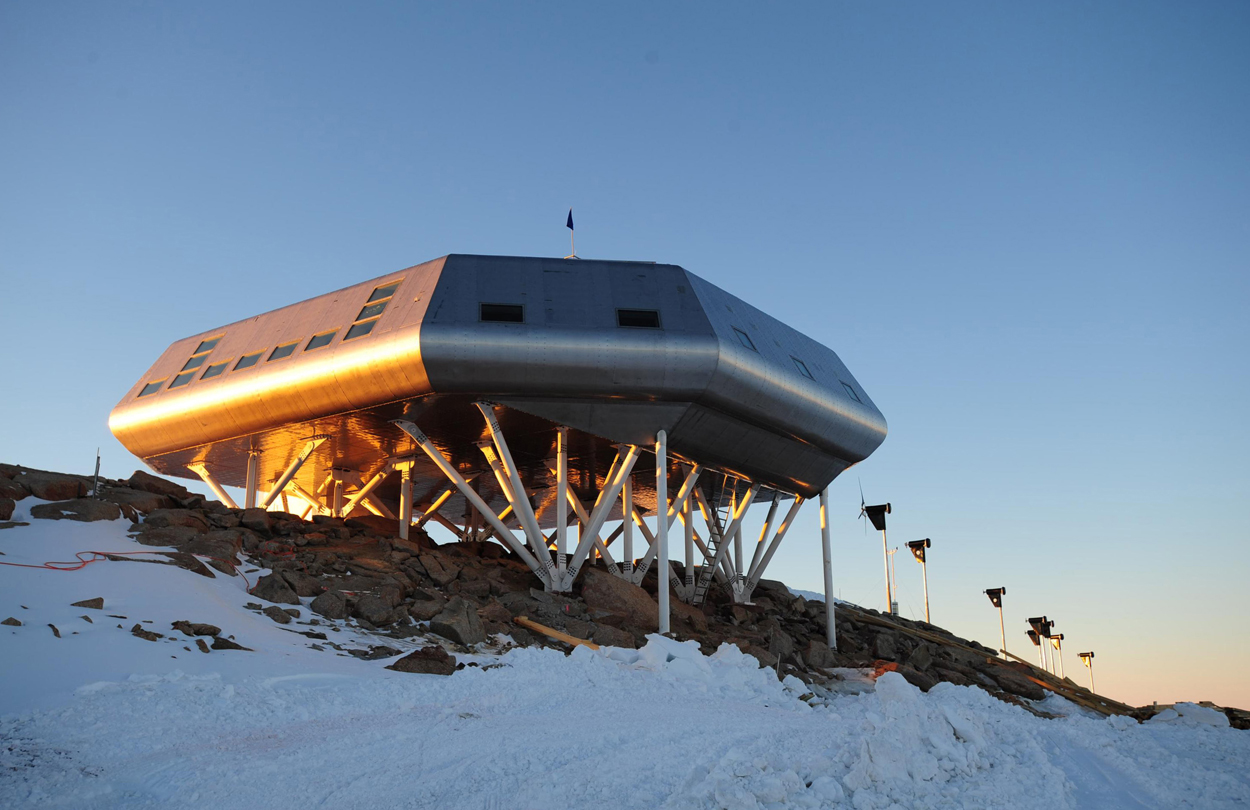
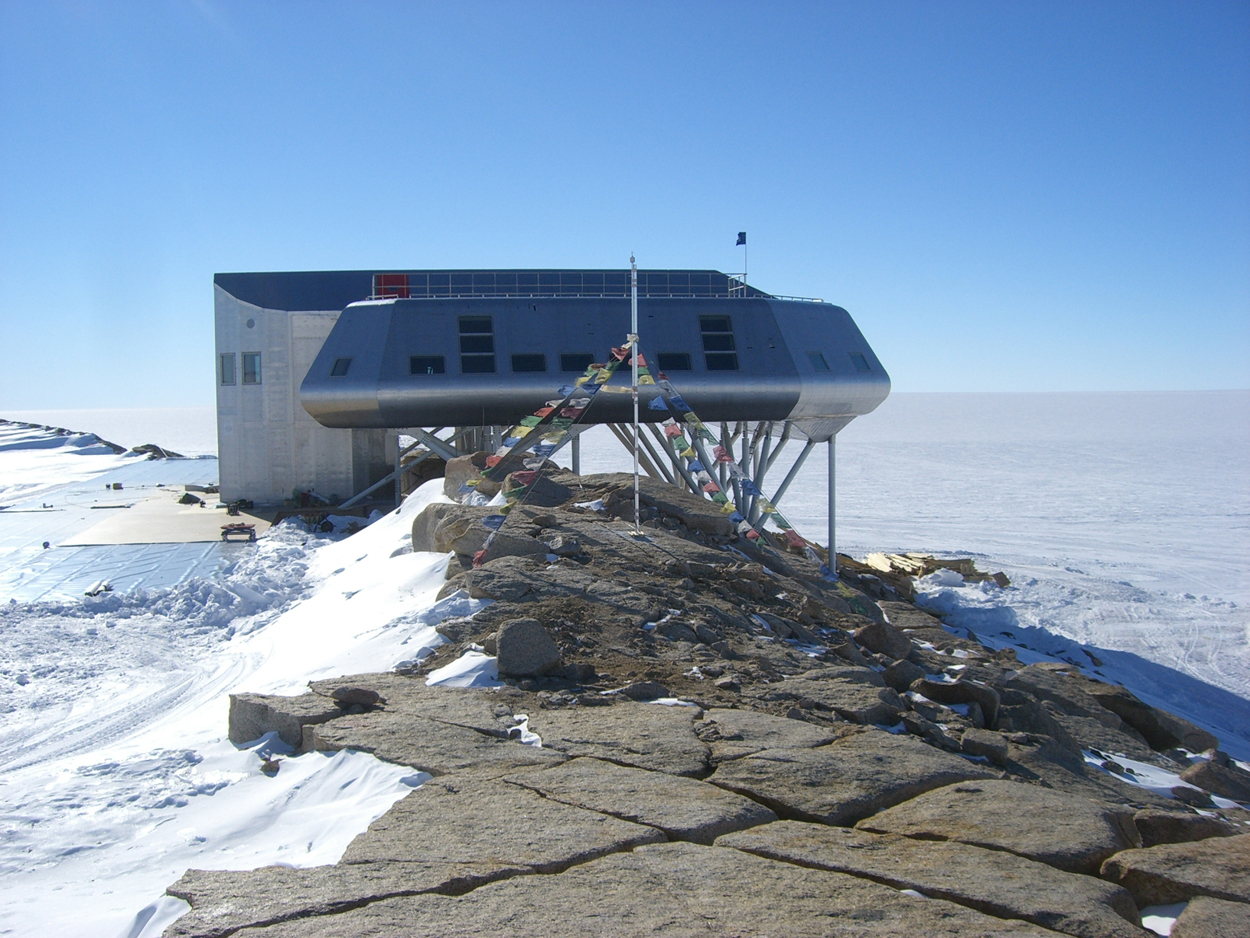
Belgian Antarctic Base: Princess Elisabeth
By Philippe SAMYN and PARTNERS, architects & engineers, Antarctica


Halley VI Antarctic Research Station
By Hugh Broughton Architects and AECOM, Antarctica
Jury Vote and Popular Choice Winner, Higher Education Institutes & Research Facilities, 2nd Architizer A+Awards
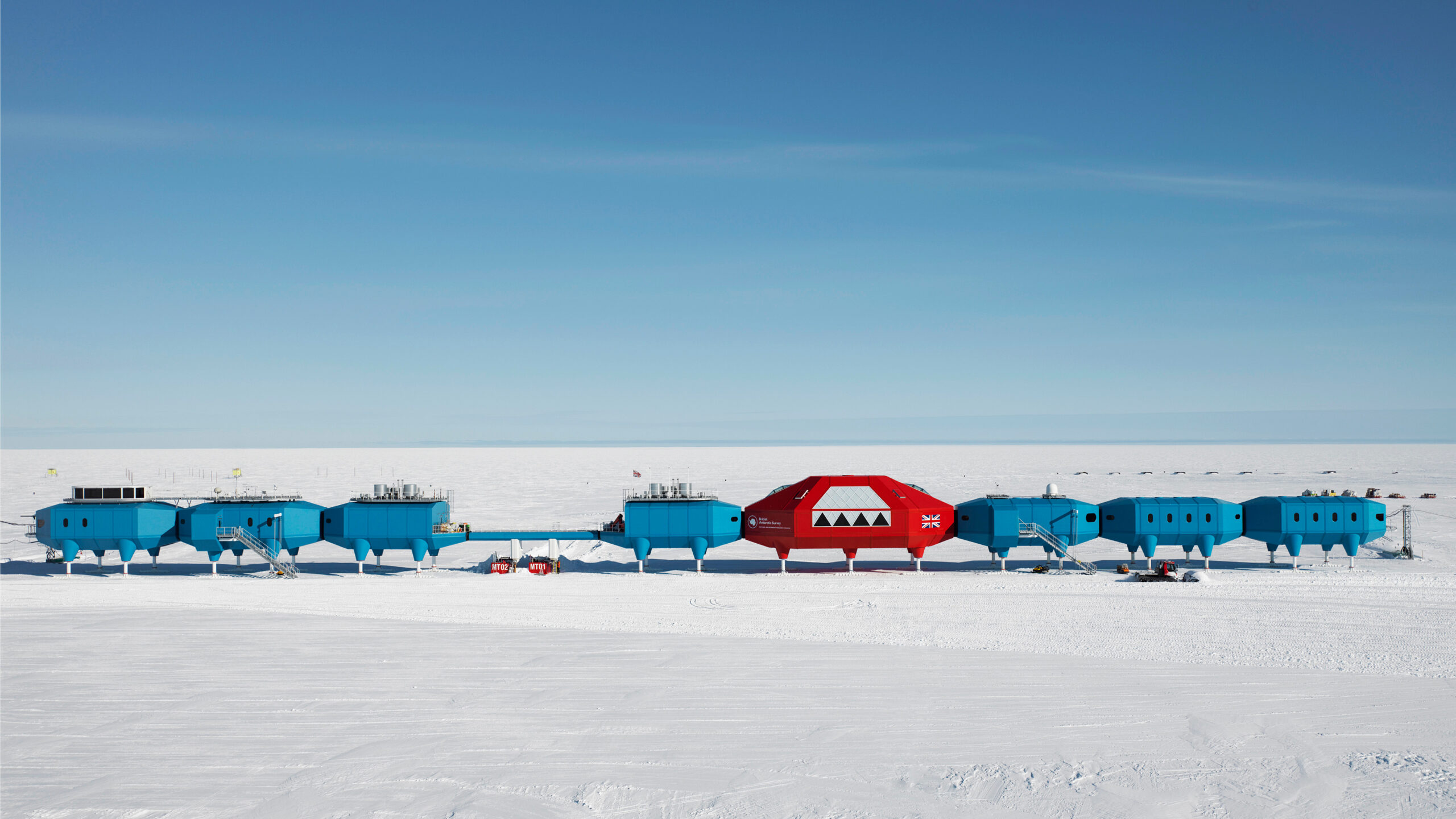
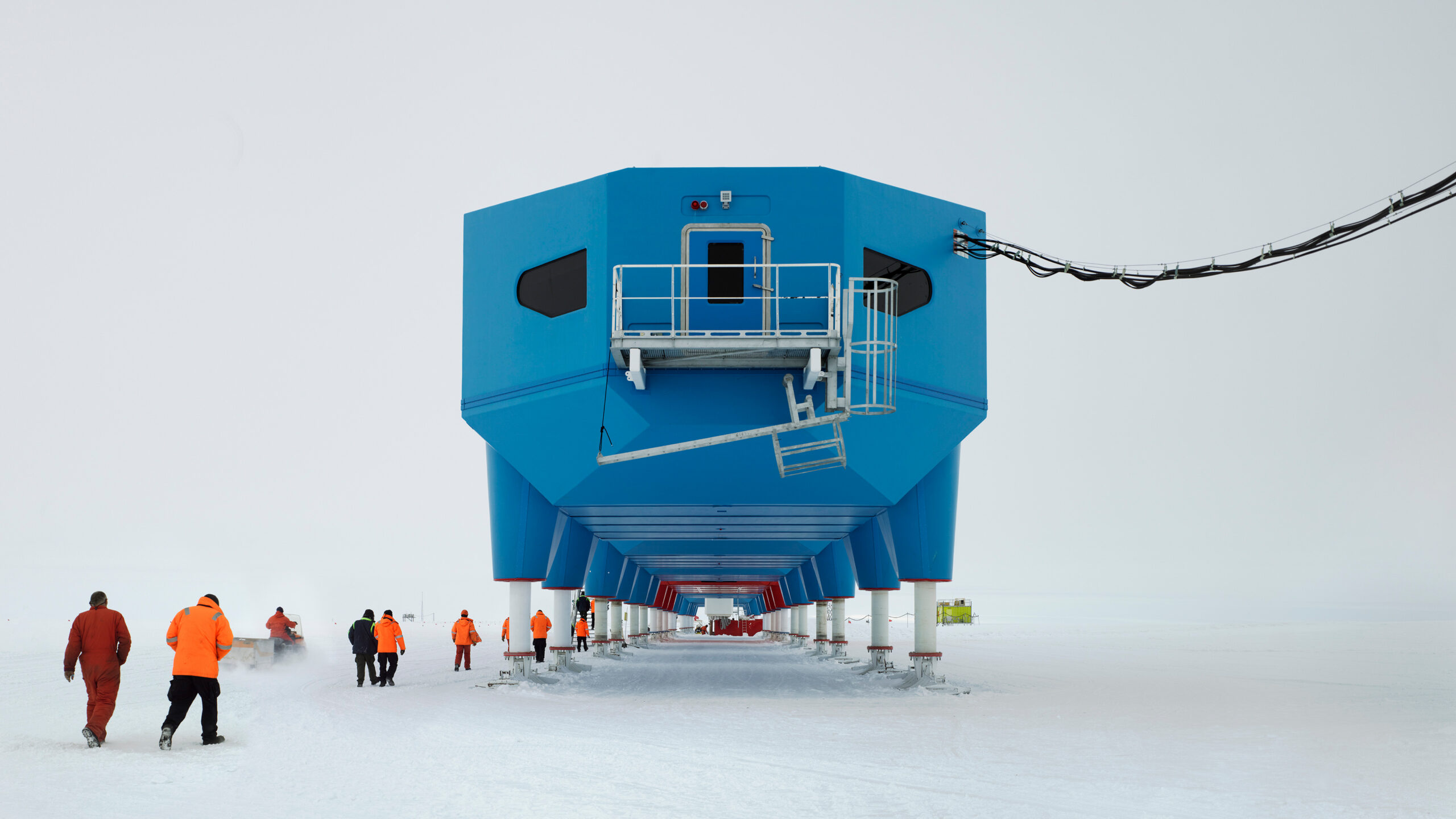
The building is comprised of highly insulated steel-framed GRP-clad components, used for laboratories, operational areas, bedrooms and energy centres, with the red one acting as the centre’s social hub. Ultimately, Halley VI is a great example of impermanent architecture made to survive in constantly shifting, harsh environmental conditions.
Architects: Want to have your project featured? Showcase your work by uploading projects to Architizer and sign up for our inspirational newsletters.
Featured Image: Tverrfjellhytya: Snohetta Viewpoint by Snøhetta, Hjerkinn, Norway