Architizer's diverse jury of global experts is currently reviewing submissions to the 14th A+Awards! Sign up to receive updates on Public Voting and spring winner announcements.
Beginning in the mid-20th century, kinetic artists began using motion, mechanical, environmental, or viewer-activated installations to animate public spaces and architectural settings. Artists like Alexander Calder, Yaacov Agam, and Nicolas Schöffer redefined how art could engage with its surroundings, transforming static environments into dynamic, interactive experiences. Victor Vasarely, often associated with Op Art, also contributed to the visual activation of public spaces. His geometric compositions, although typically static, create powerful illusions of motion and depth, and were integrated into architectural surfaces, murals, and urban installations beginning in the 1960s.
These artistic contributions introduced movement and spatial experiences into otherwise static environments, paving the way for more integrated approaches in contemporary architecture. Movement has since become an important compositional tool in design, inviting viewers to engage with buildings and spaces as entities that shift in response to movement, the environment and even time. Interaction and perception animate architecture, transforming static structures into dynamic sensory experiences. Embracing moiré patterns, shifting reflections and iridescent effects, architects — often in collaboration with professionals of other disciplines — are designing façades and interiors that respond to light, wind, motion, or the viewer’s position in real time. Kinetic and optical art are not simply applied to buildings; they are embedded within them.
The examples that follow reveal a wide range of approaches, some driven by digital algorithms and environmental data and others by analog materials and viewer perception. From motorized mirror façades that respond to music and movement to environmentally reactive skins and passively kinetic surfaces that change appearance with light and viewpoint, these projects breathe life into architecture. They demonstrate how architecture can be a platform for sensory play, cultural expression, and technological innovation.
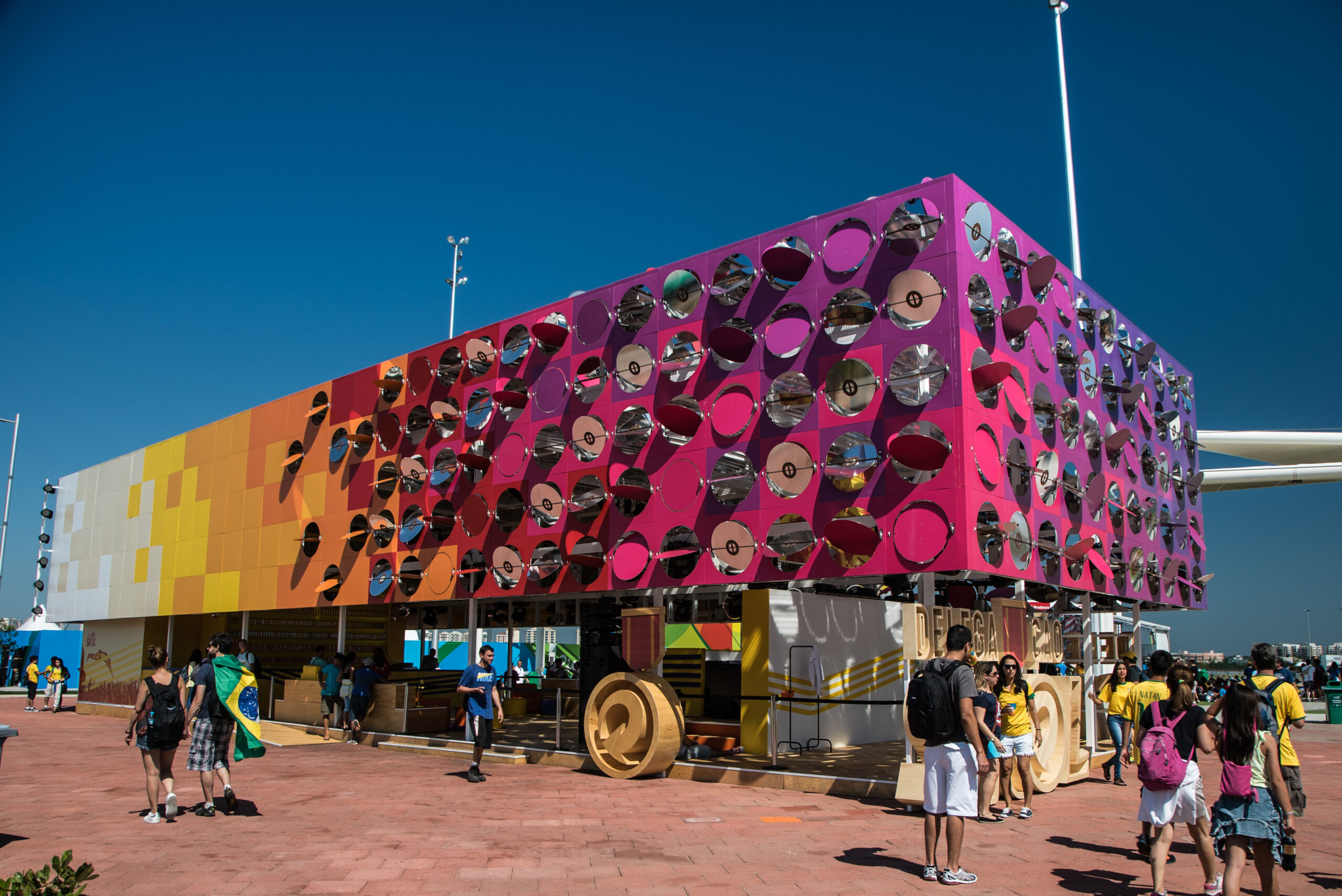
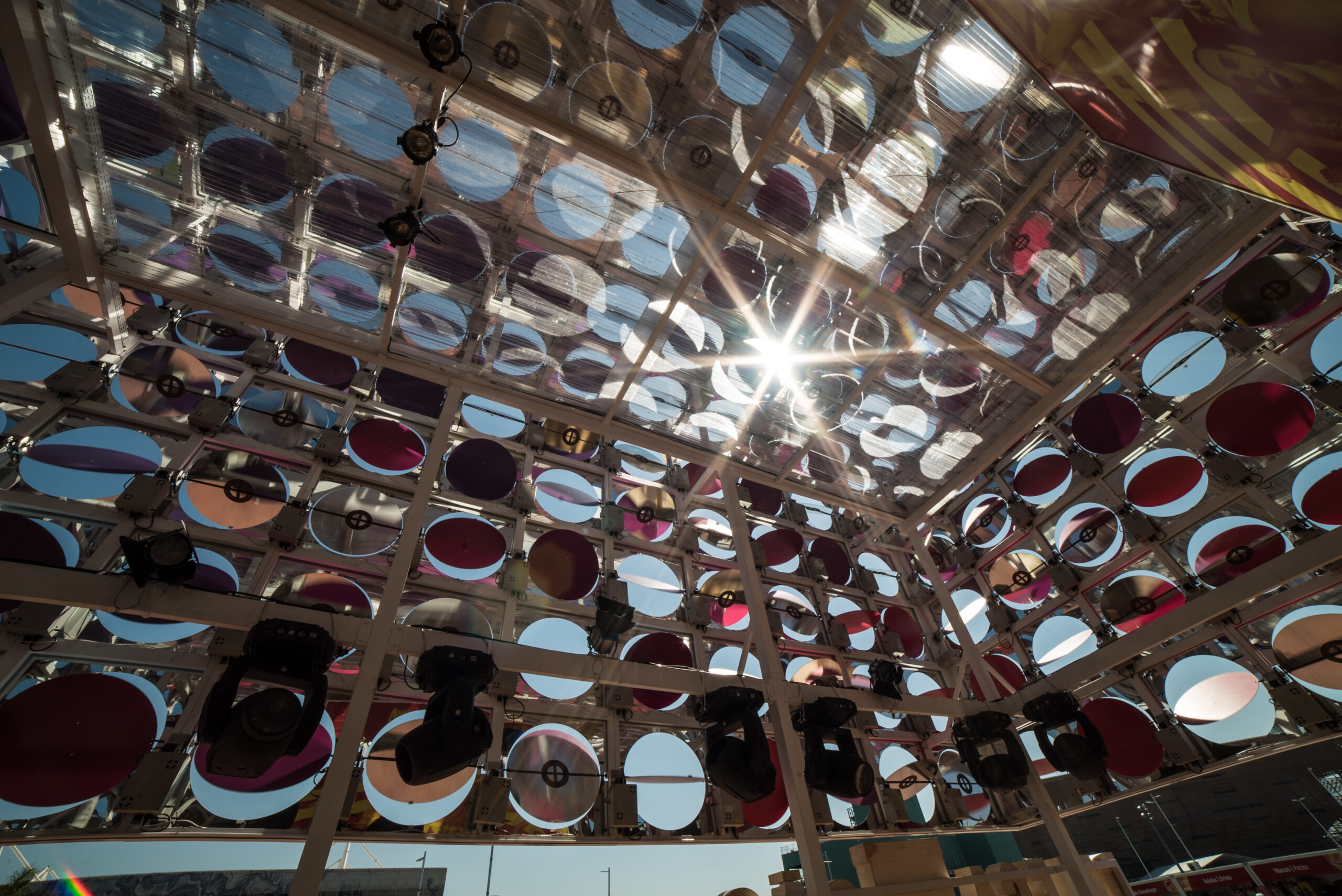
The Dancing Pavilion
By Estudio Guto Requena, Rio de Janeiro, Brazil


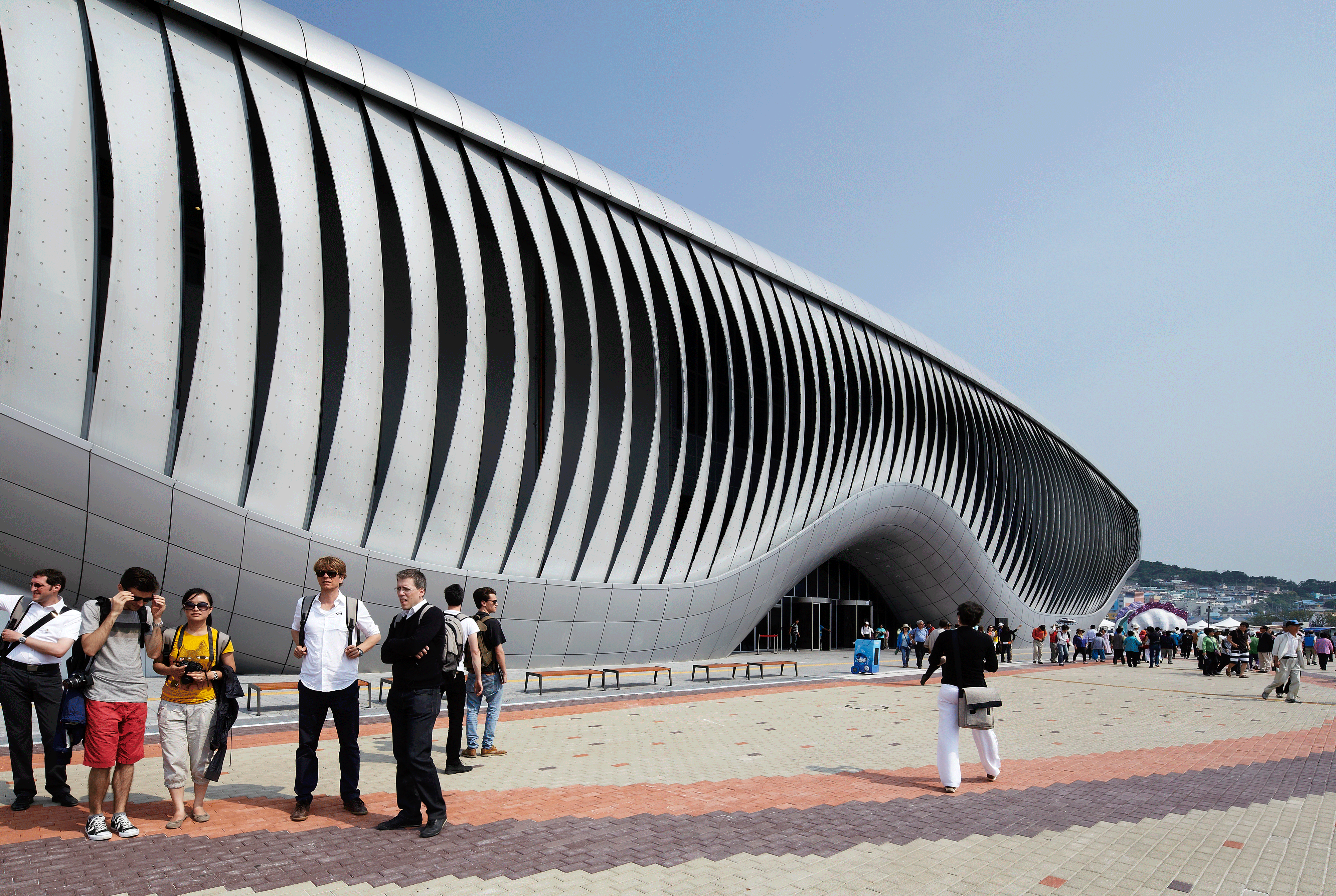
One Ocean
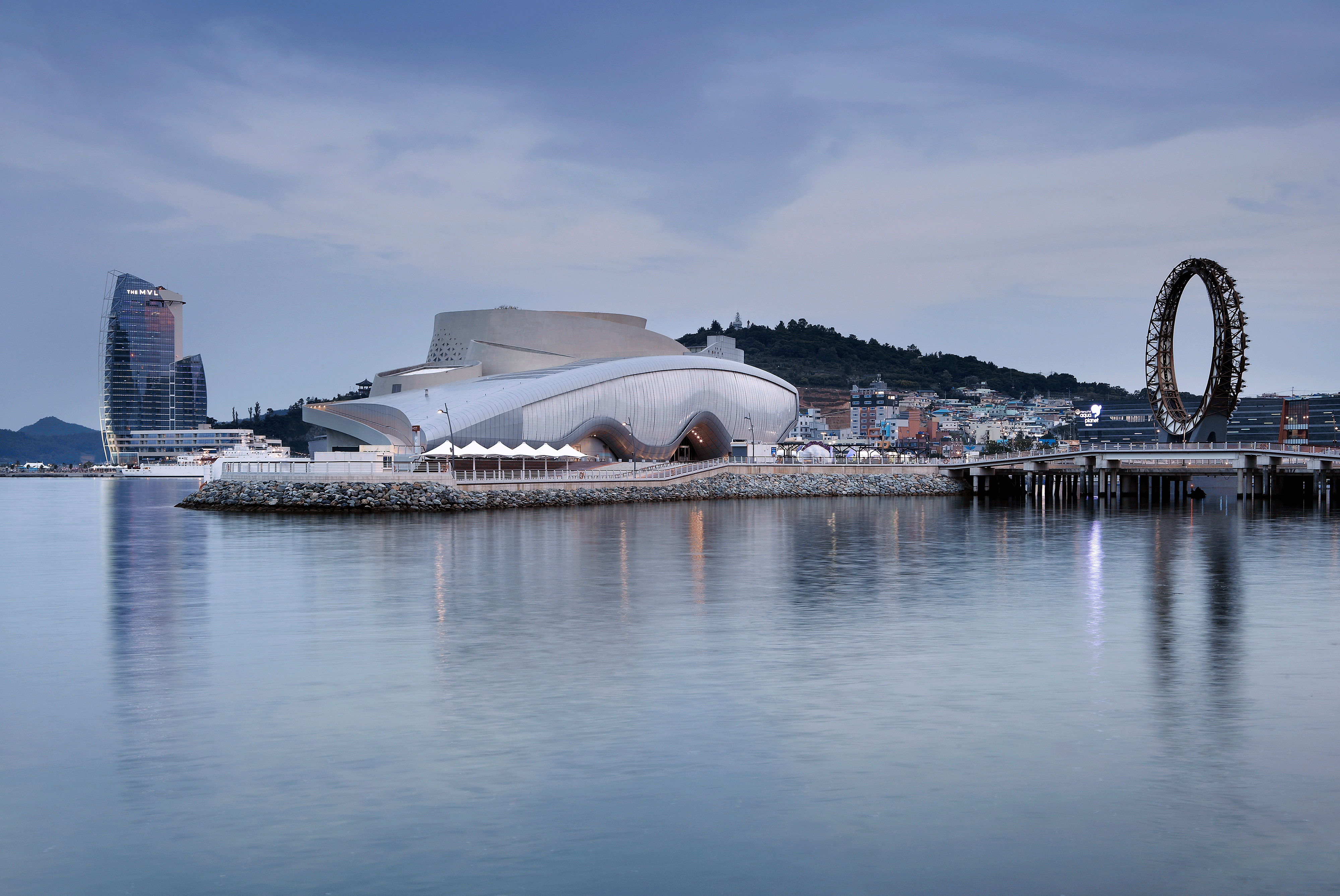
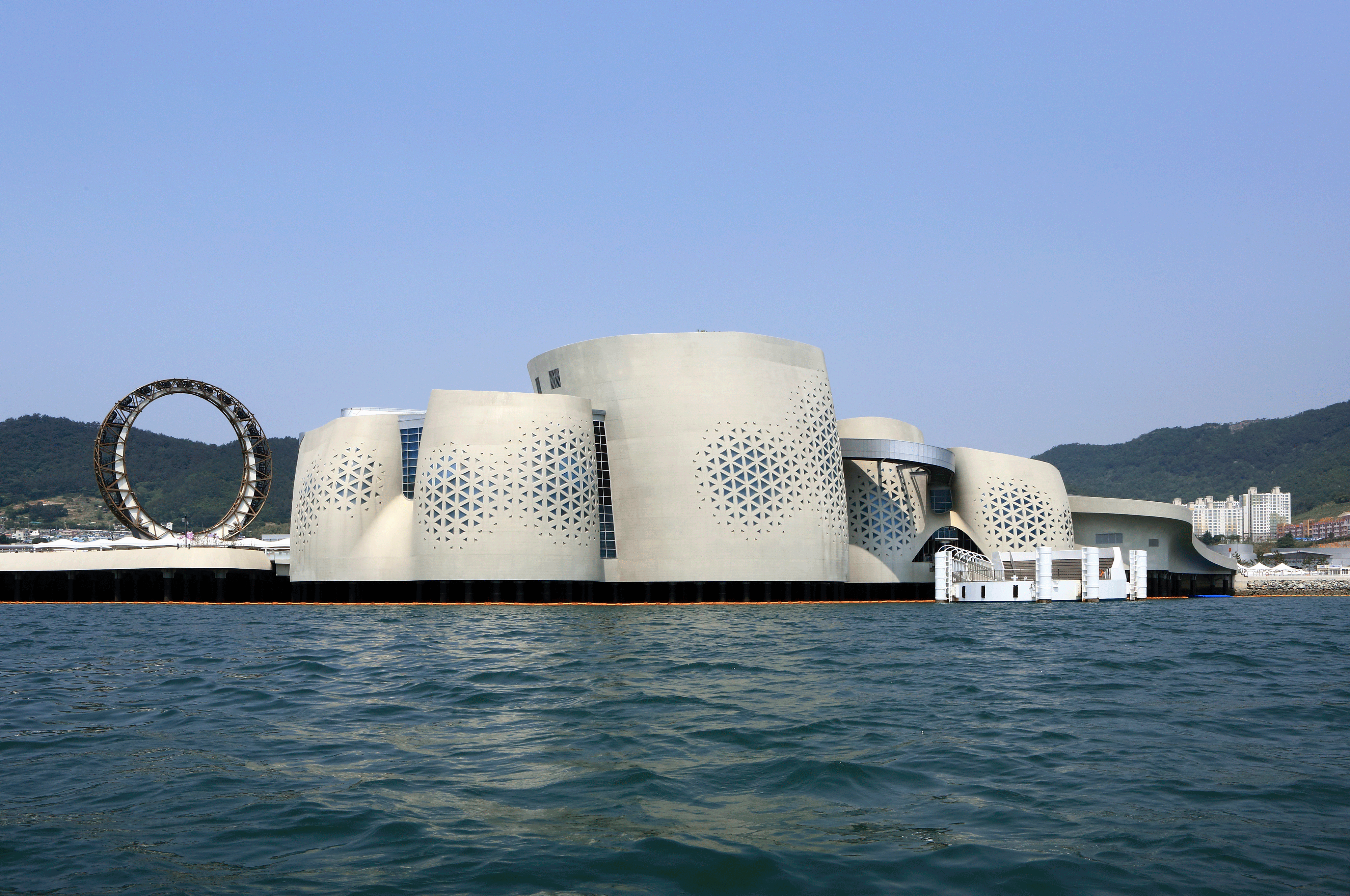
By Soma Architecture with knippershelbig, Yeosu-si, South Korea


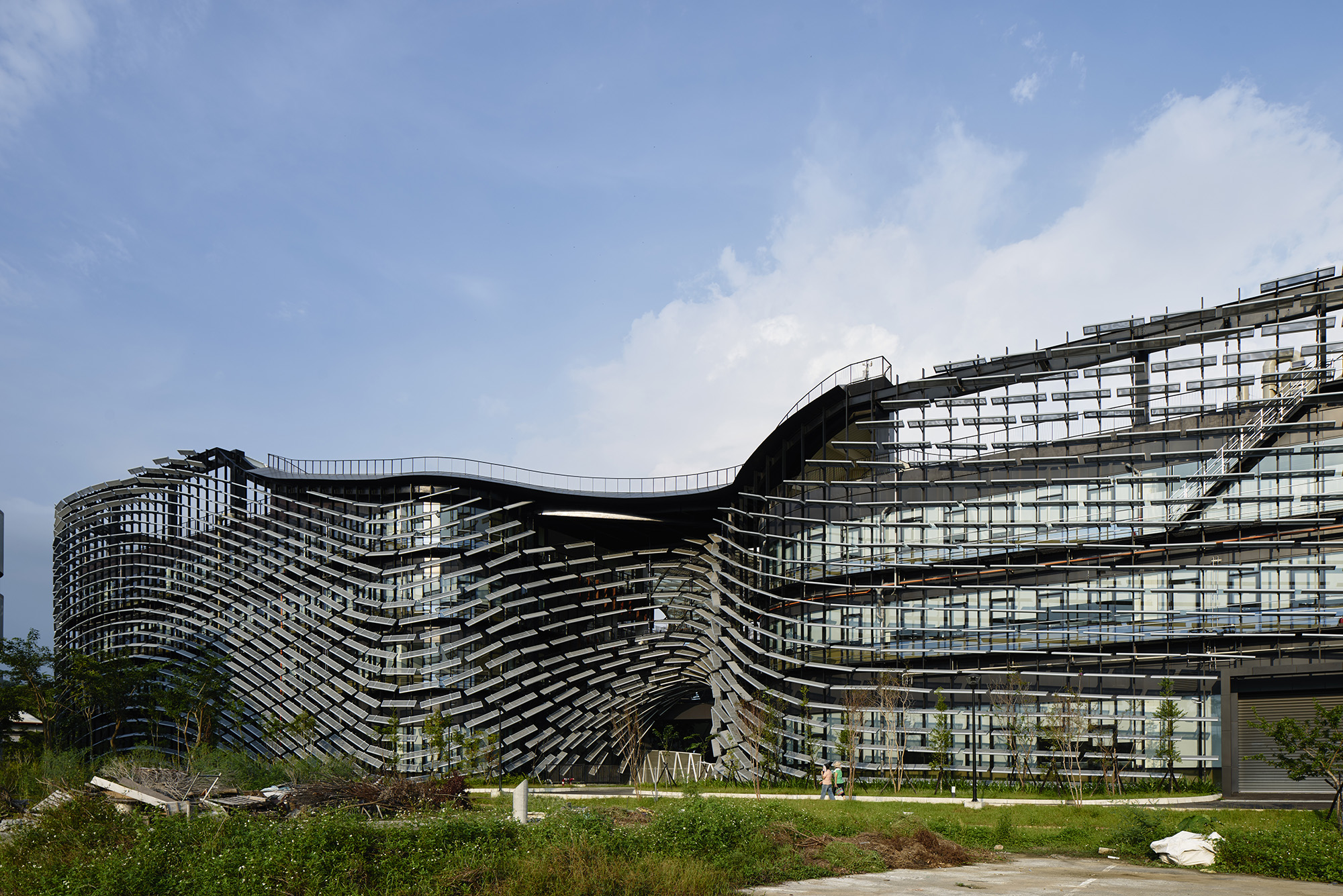
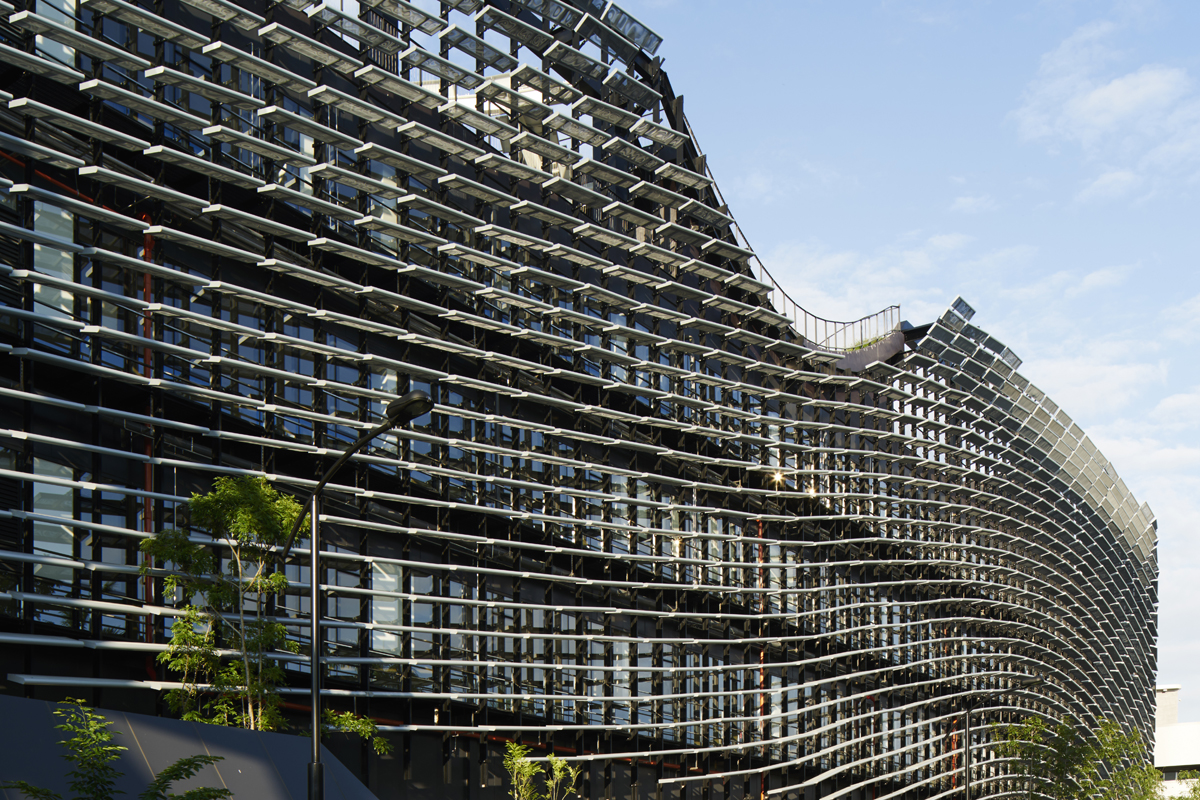
ITRI Central Innovation Campus Exterior Design
By NOIZ, Nantou County, Taiwan


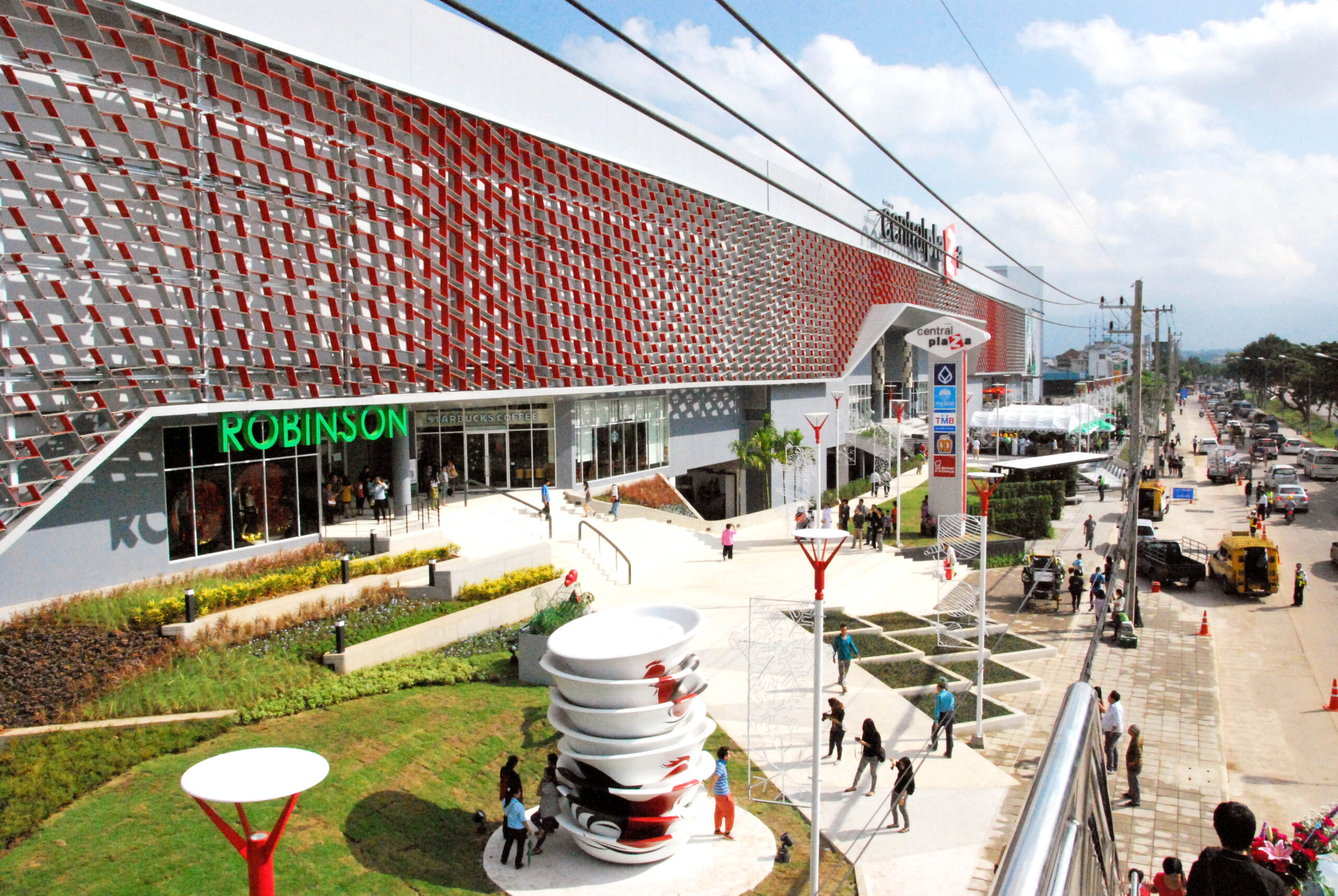
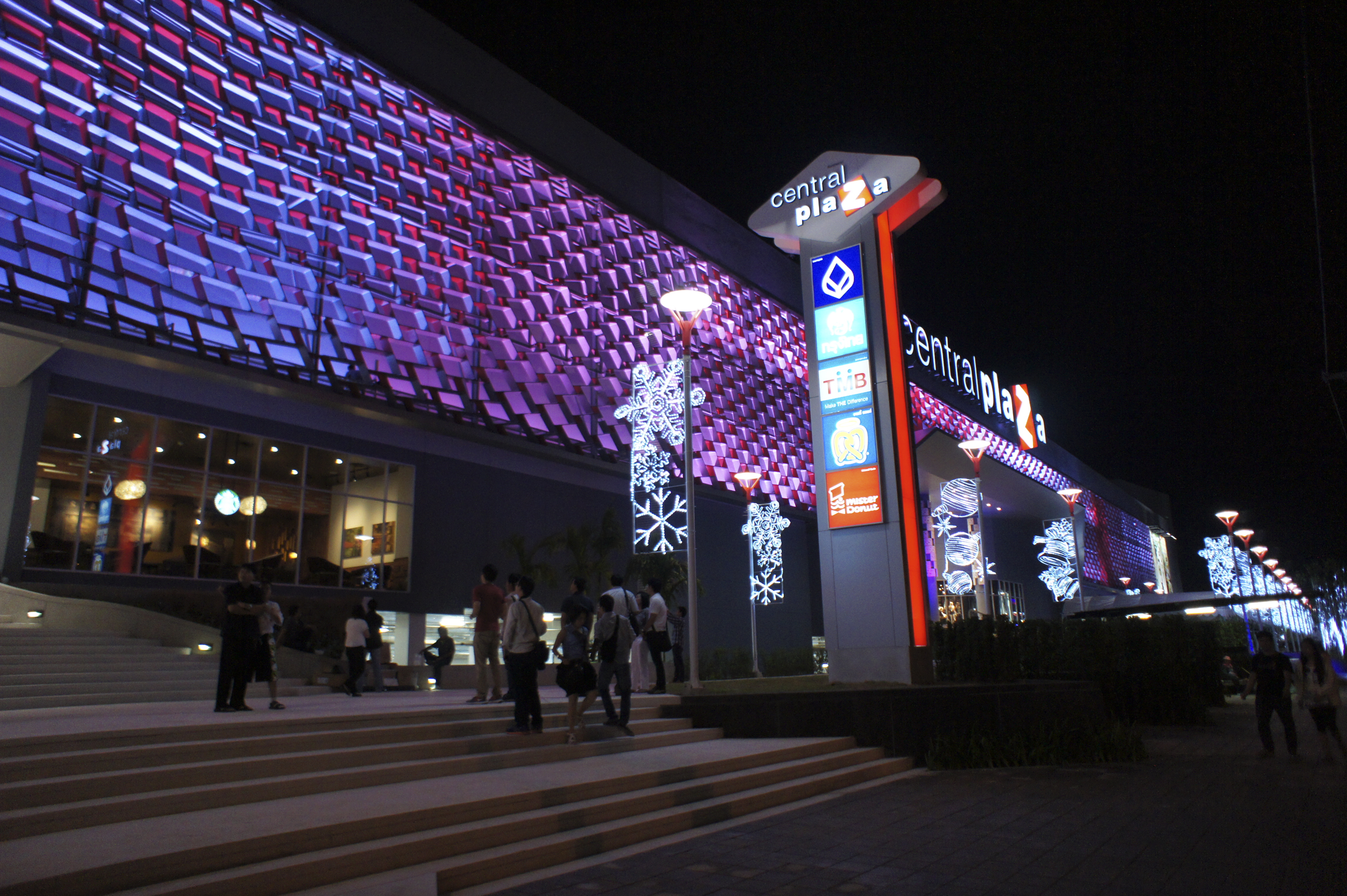
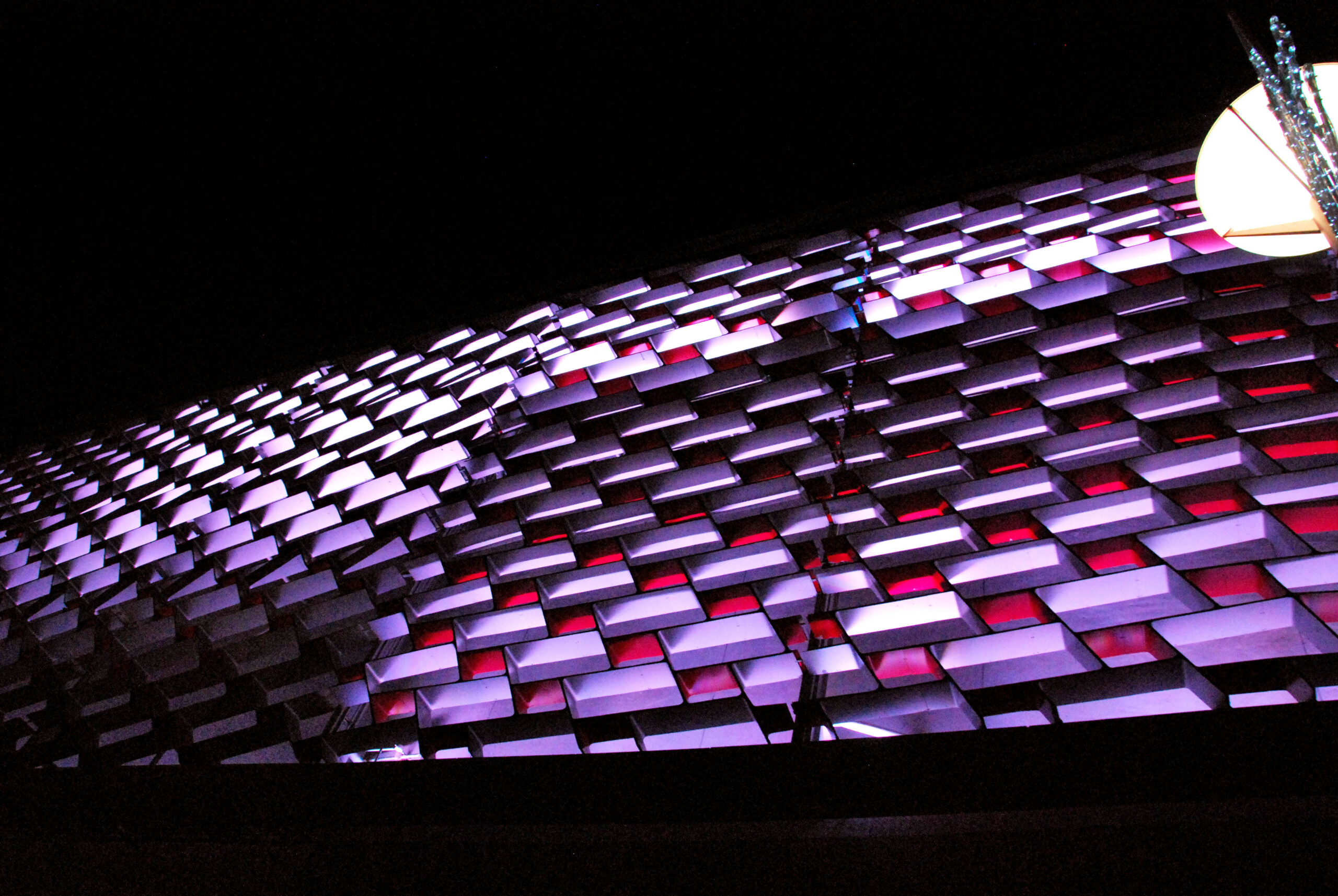
Central Plaza Lampang
By Synthesis Design + Architecture, Chiang Mai, Northern Thailand


The Len Lye Centre
By Patterson Associates, New Plymouth, New Zealand
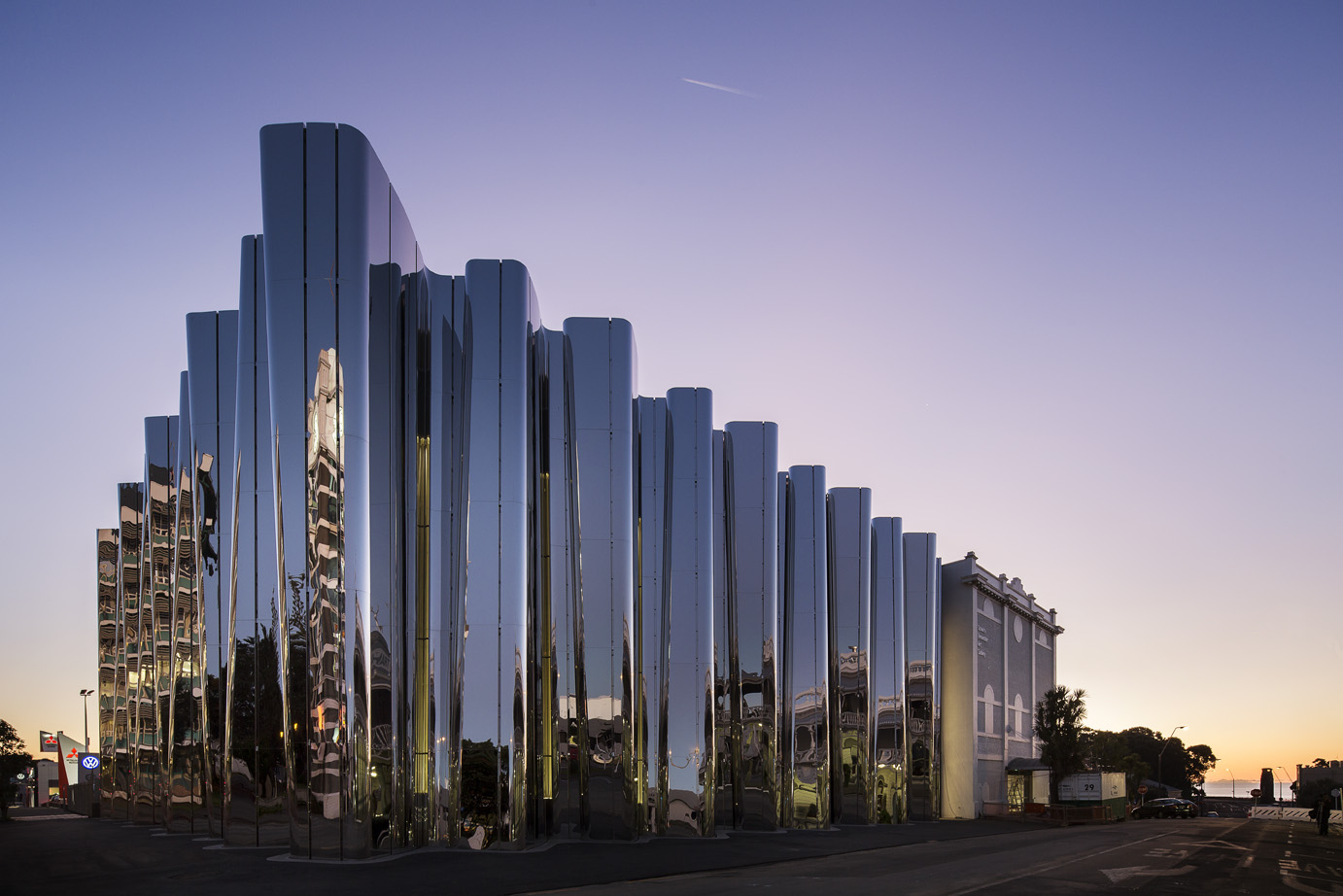
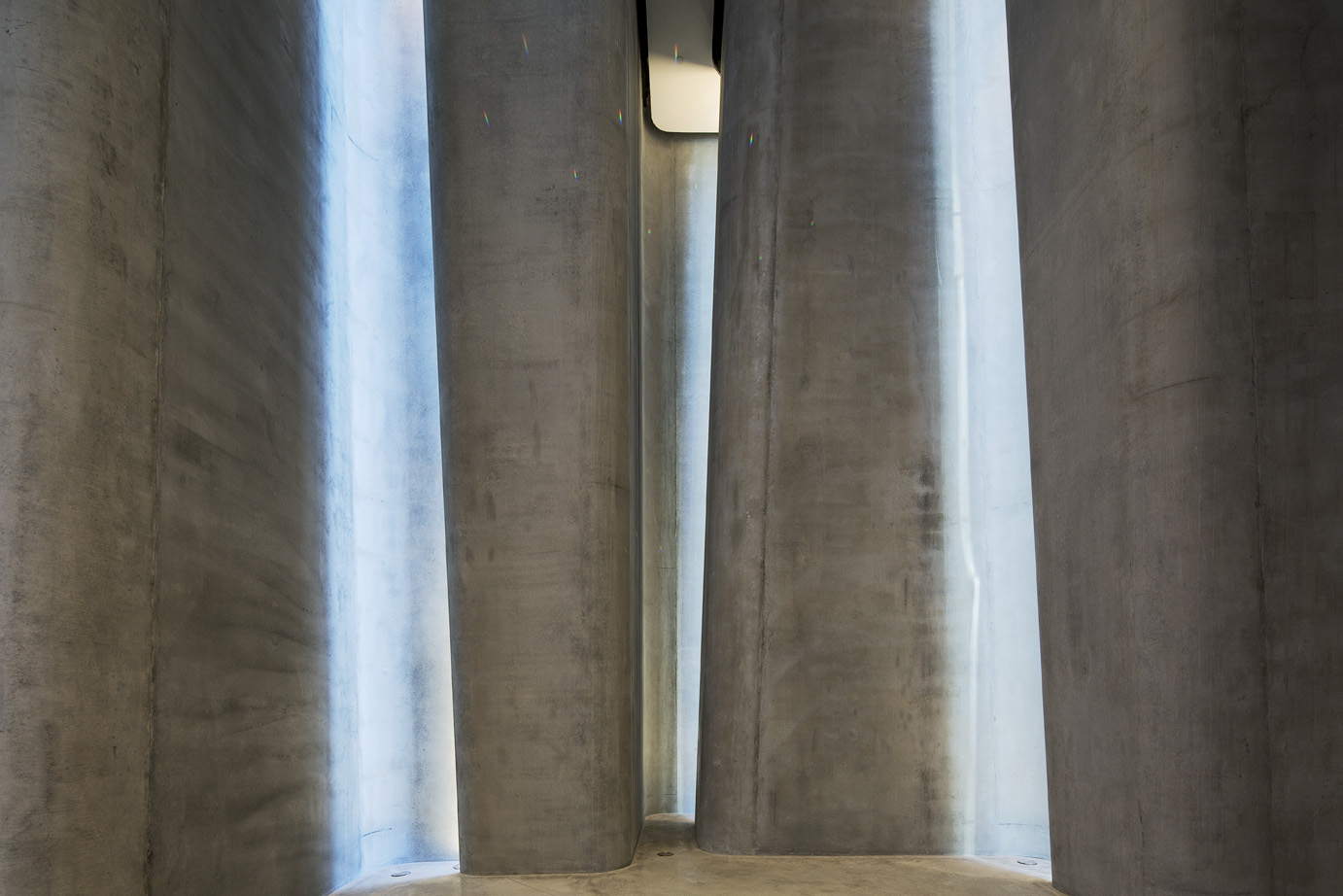

The Centre is designed to resemble an anthropomorphic temple, drawing inspiration from the Polynesian tradition of a Wharenui (meeting house). Its most conspicuous feature is a towering, highly reflective stainless steel colonnade, which references both Len Lye’s preferred medium and the local industrial heritage rooted in oil and gas innovation. Far from static, the Centre’s reflective façade engages passersby by distorting and multiplying their image, echoing Lye’s kinetic art. Inside, the building is revealed as a performative ritual space, with the colonnade acting as a reflective curtain that opens onto a dramatic stage for art.
May / September Hospital Parking Structure Facade
By Urbana / Rob Ley, Indianapolis, Indiana
Popular Choice Winner, 2016 A+Awards, Parking Structures
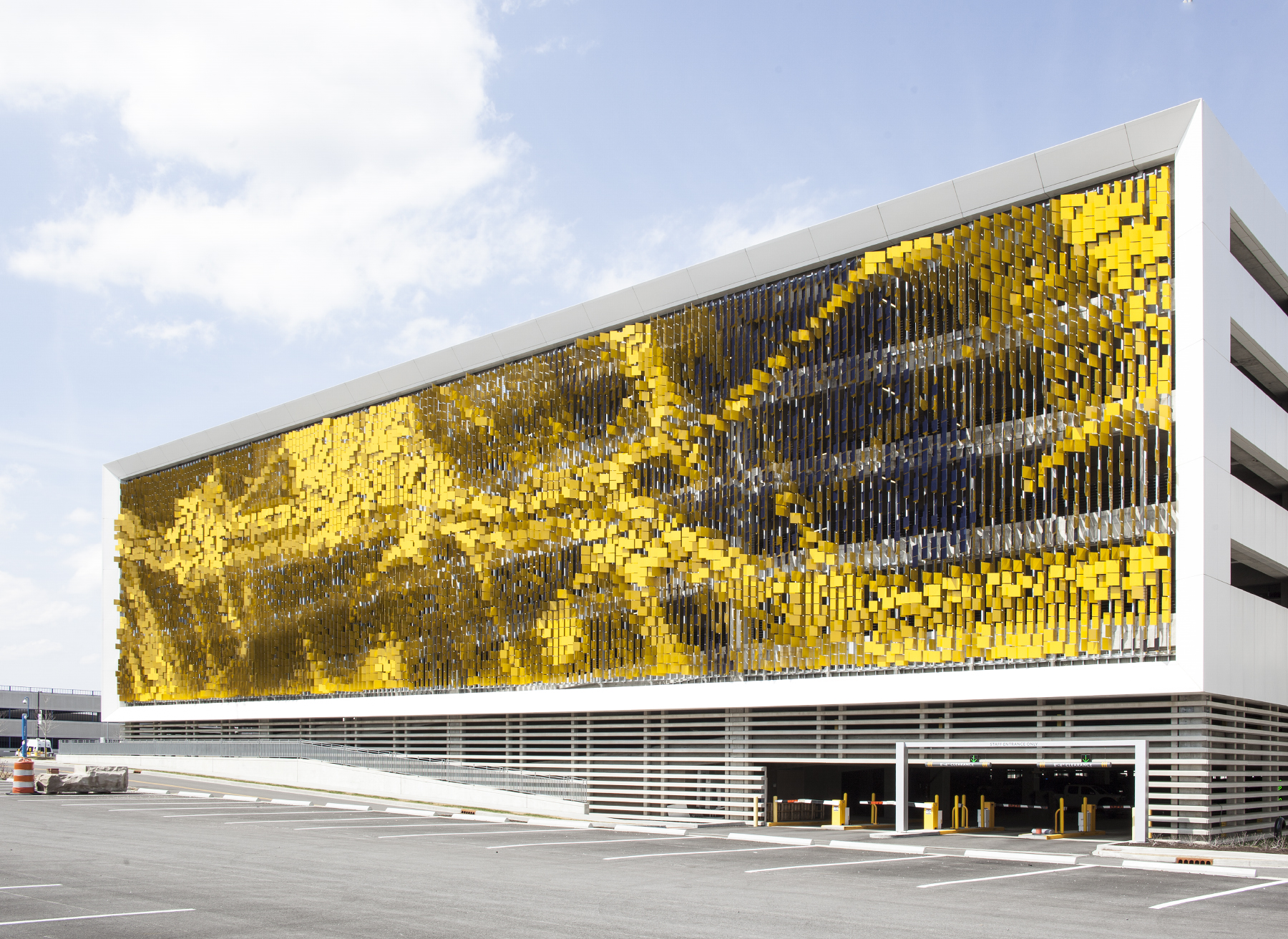
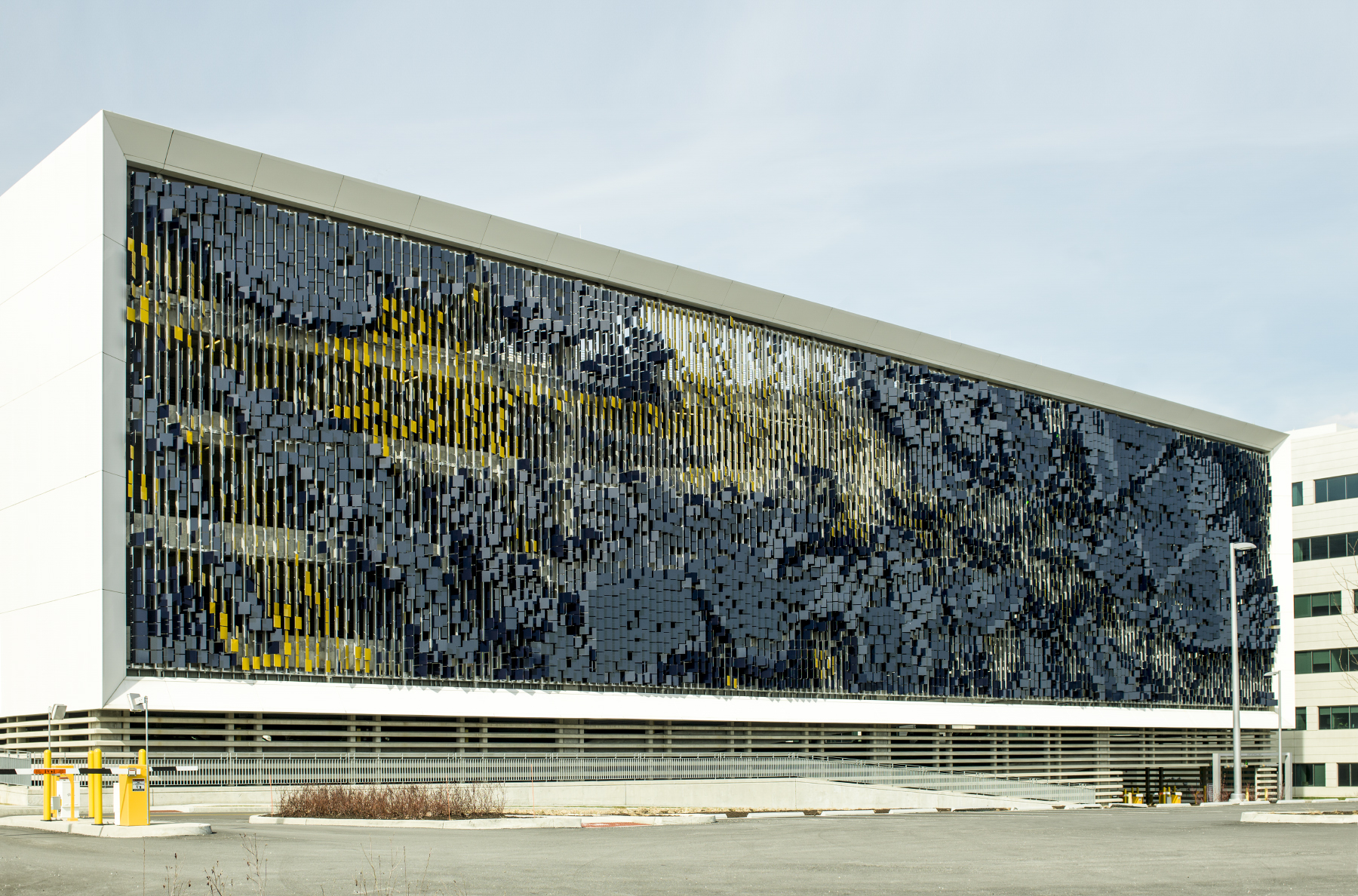


To this end, the façade is composed of approximately 7,000 angled metal panels in 18 different sizes and orientations. This design produces shifting patterns of color and form based on the viewer’s position and speed. A simple two-color scheme — deep blue on the panels’ west-facing side and yellow on their east-facing side — produces the illusion of subtle hue variations and movement. Pedestrians and slow-moving vehicles perceive a dappled interplay of color and transparency, while faster-moving motorists experience a smooth gradient color shift that changes with their direction of travel.
The result is a low-maintenance, visually engaging composition with no moving parts that animates the hospital’s grounds, transforming a purely functional structure into a landmark of perceptual design.
Corian® Super-surfaces
By AL_A, Milan, Italy
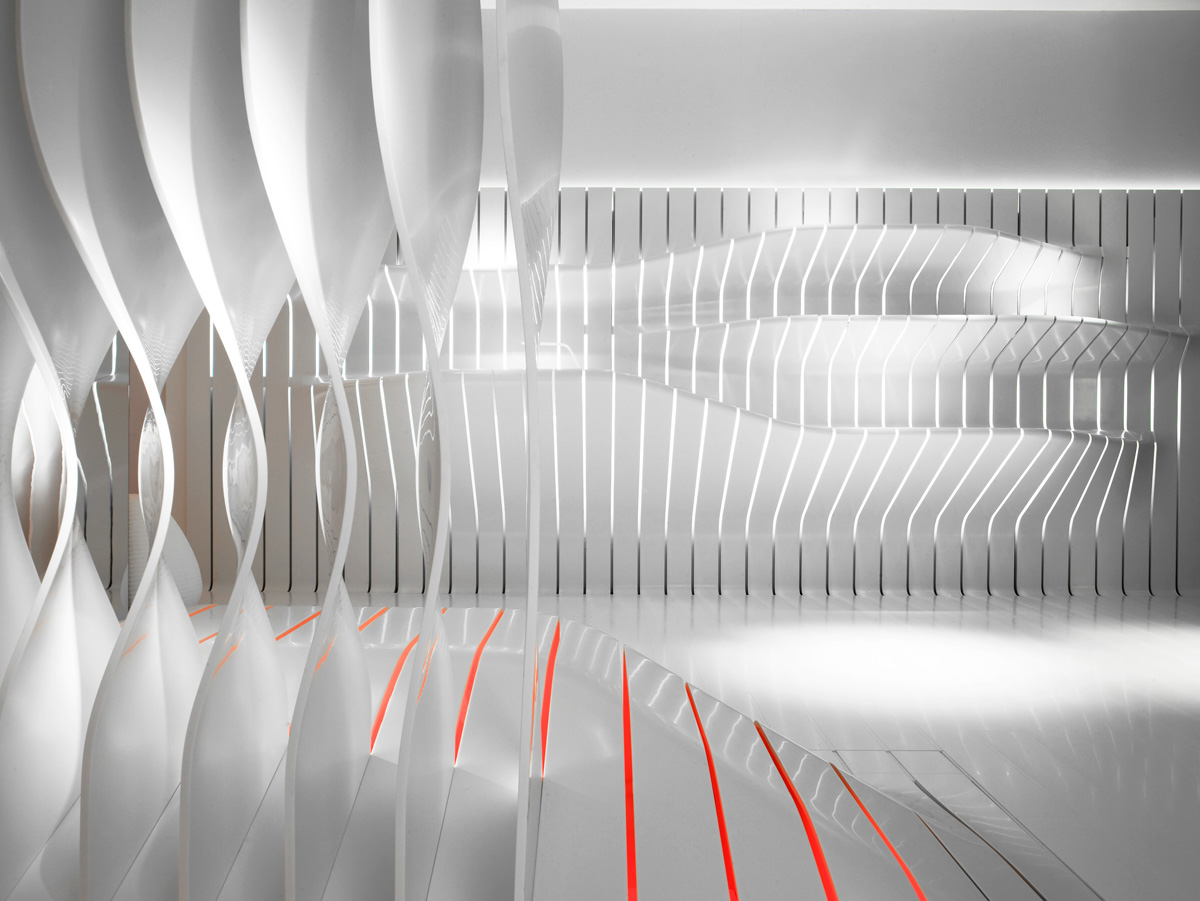
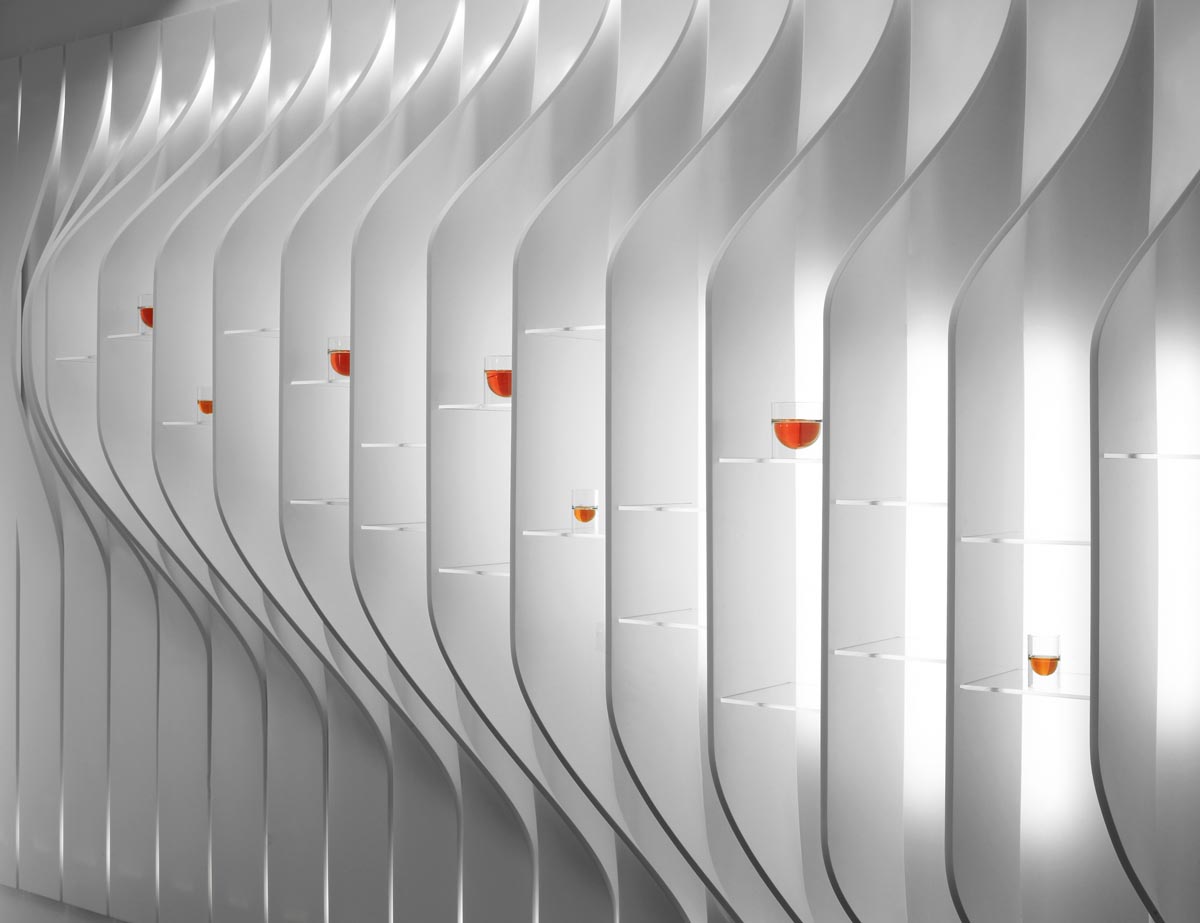


The project employs advanced digital fabrication techniques, incorporating deformation and a custom adjustable jig developed in collaboration with the manufacturer Hasenkopf. This design creates structurally stable, sculptural surfaces from standard flat sheets, moving away from the solid, monolithic defining qualities of Corian®.
Binary Spectrum
By Dubbeldam Architecture + Design, Kitchener, Canada
Popular Choice Winner, Architecture +Color, 11th Architizer A+Awards
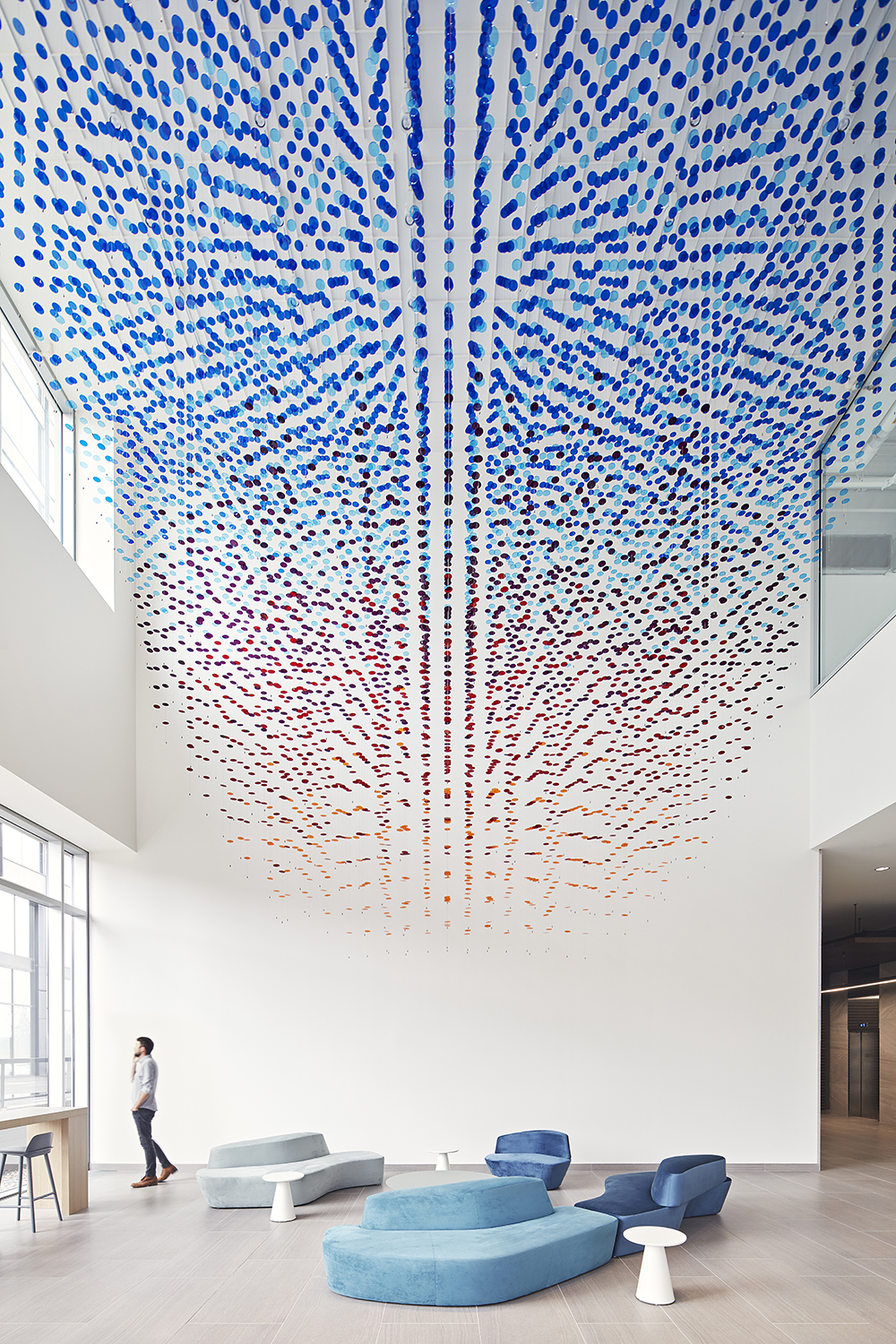
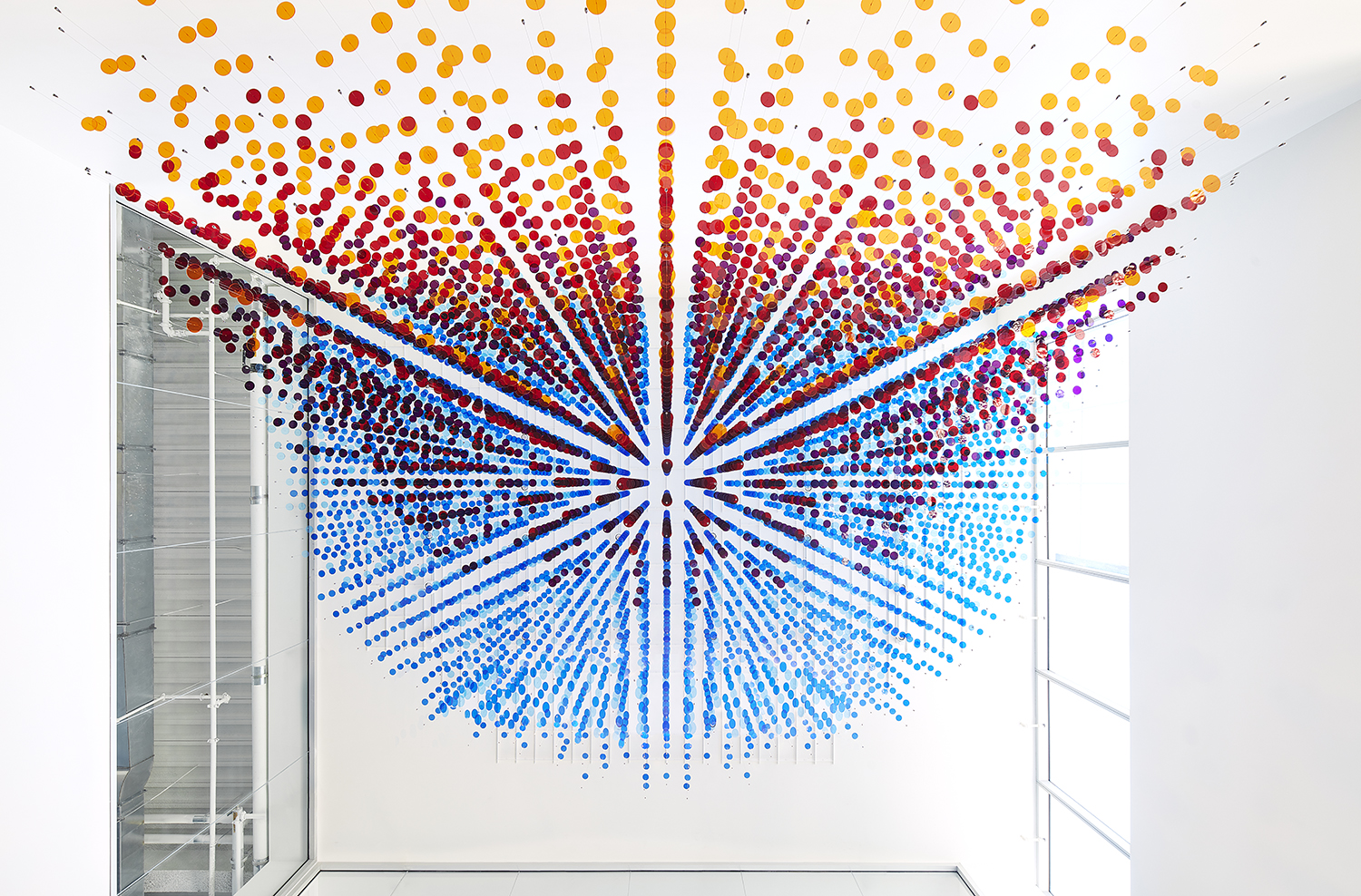


The artwork draws inspiration from binary code, fractal patterns, and data flows, bridging the gap between the tangible world of manufacturing and the intangible nature of digital systems. A color gradient shifts from warm reds to cool blues, harmonizing with the lobby furnishings, which were custom-designed to reflect the artwork’s colors. The installation is further accentuated by the stark white interior surfaces. The cables sway gently, animating the sculpture and offering a unique sensory experience from different vantage points, whether viewed from the street, at ground level, or from upper floors.
Architizer's diverse jury of global experts is currently reviewing submissions to the 14th A+Awards! Sign up to receive updates on Public Voting and spring winner announcements.