Architizer's 14th A+Awards judging is live! Subscribe to our Awards Newsletter for updates on Public Voting and the big winner reveal later this spring.
Architecture is not made of buildings alone. The spaces left unbuilt — including those areas in-between and unoccupied — are equally essential. They shape how buildings breathe, how people move, and how atmospheres unfold. In the right hands, these voids become active tools of orientation, comfort and expression. This is especially true in hospitality design, where guests arrive as strangers and need to feel settled quickly. In these spaces, the void becomes a guide. It organizes circulation, frames views, invites rest, and helps regulate light and air, often without attracting a lot of attention.
This idea is not new. Architects have long used courtyards, breezeways and cloisters to solve spatial and environmental problems. But in the following A+Award-winning hospitality projects, voids are playing an active role in the architectural strategy itself. This collection breaks down how each project uses emptiness as function and not a filler.
1. Void-Led Modular Planning
Dongmingshan Senyu Hotel by GLA Architects, Hangzhou, China
Jury Winner, Hotels and Resorts, 13th Architizer A+Awards
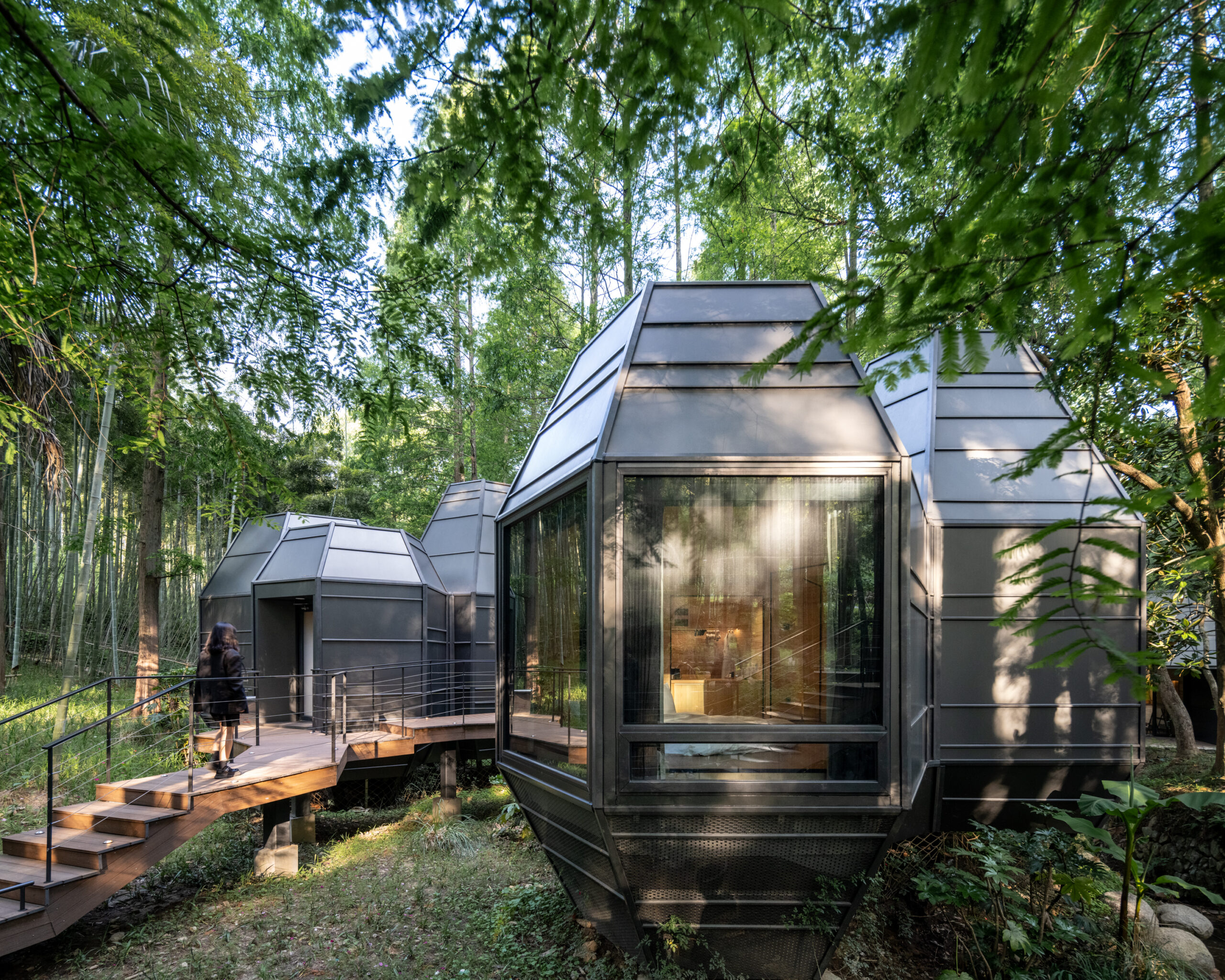

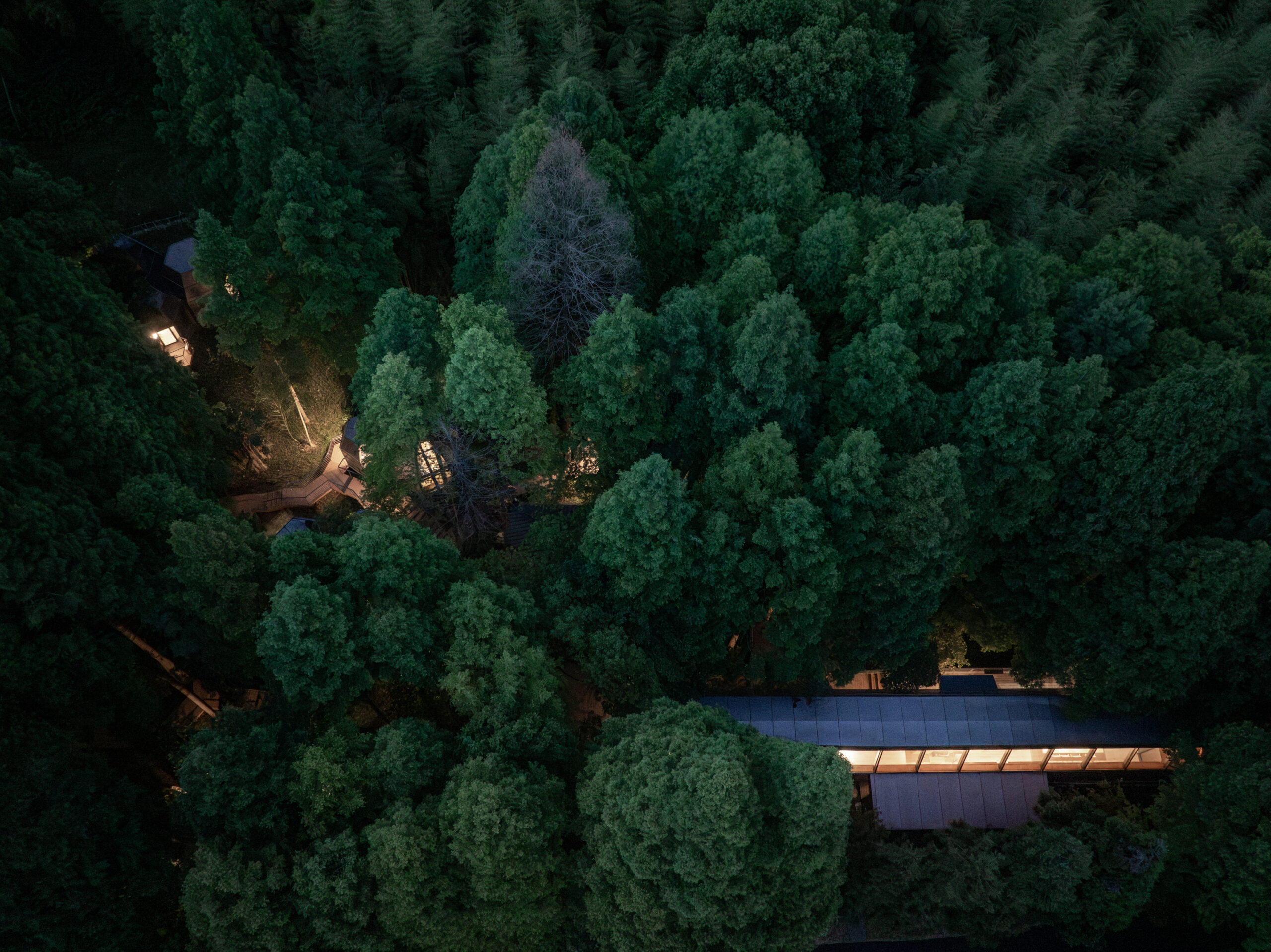
They designed modular pinecone-shaped guest rooms and positioned them like seeds between the trees. GLA also tapered the tops inward and lifted the bases to reduce disruption to the canopy and terrain. The voids beneath and between each unit were also left untouched, allowing the forest floor to breathe. From above, the buildings disappear into the woodland rhythm.

2. Environmental Mediation With A Linear Void
Aruma Split Garden by RAD + ar, Jakarta, Indonesia
Jury Winner, Restaurants, 13th Architizer A+Awards
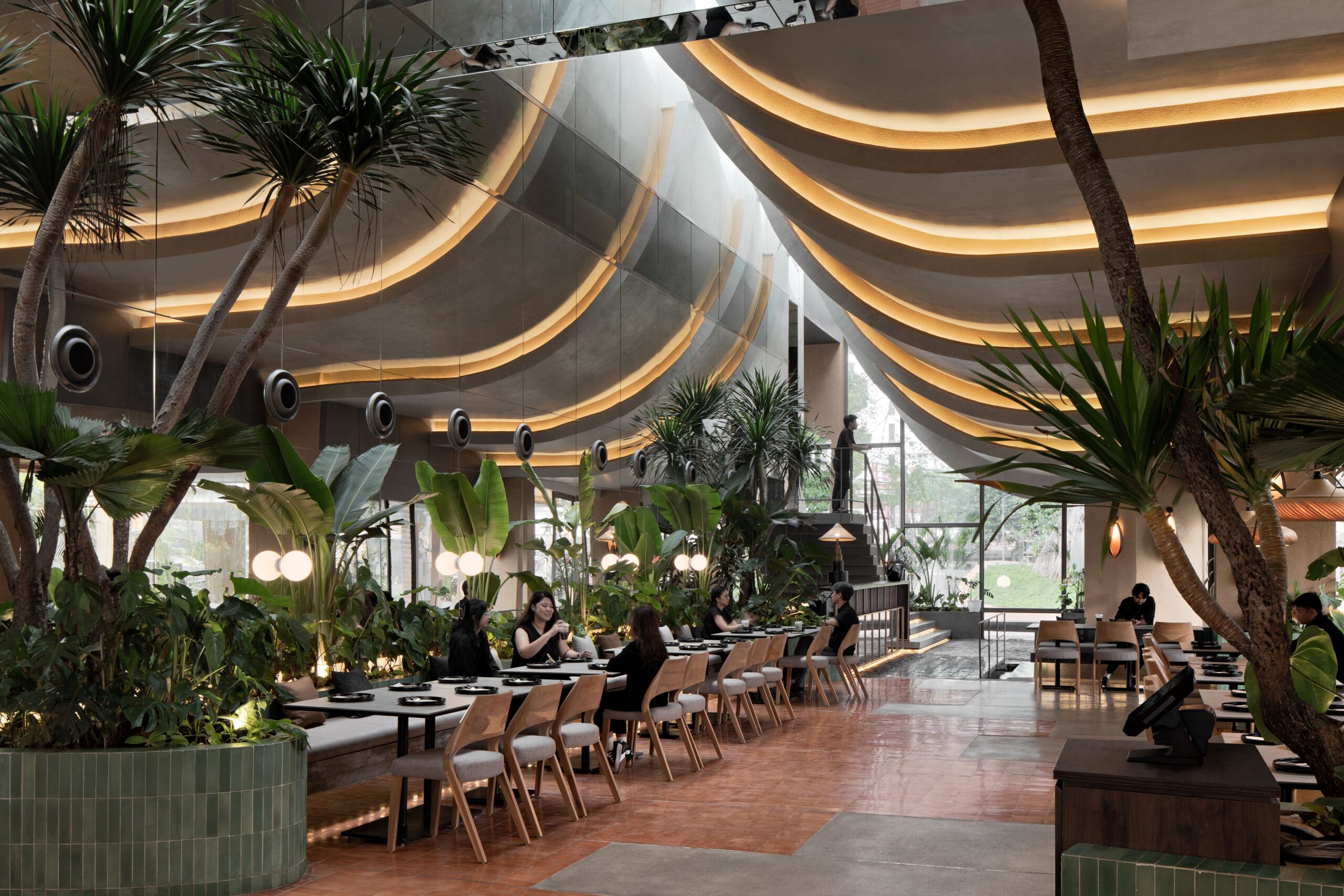
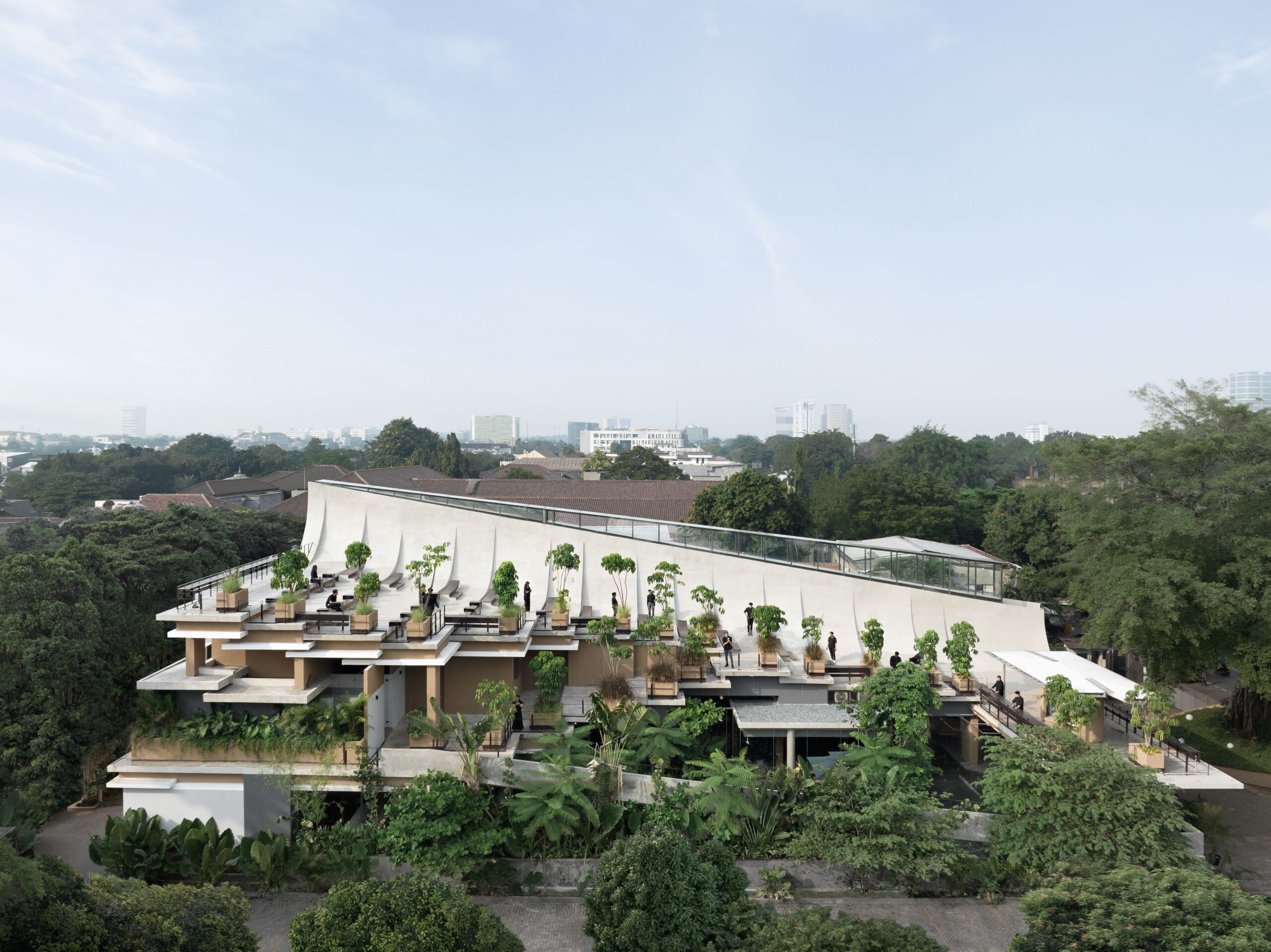

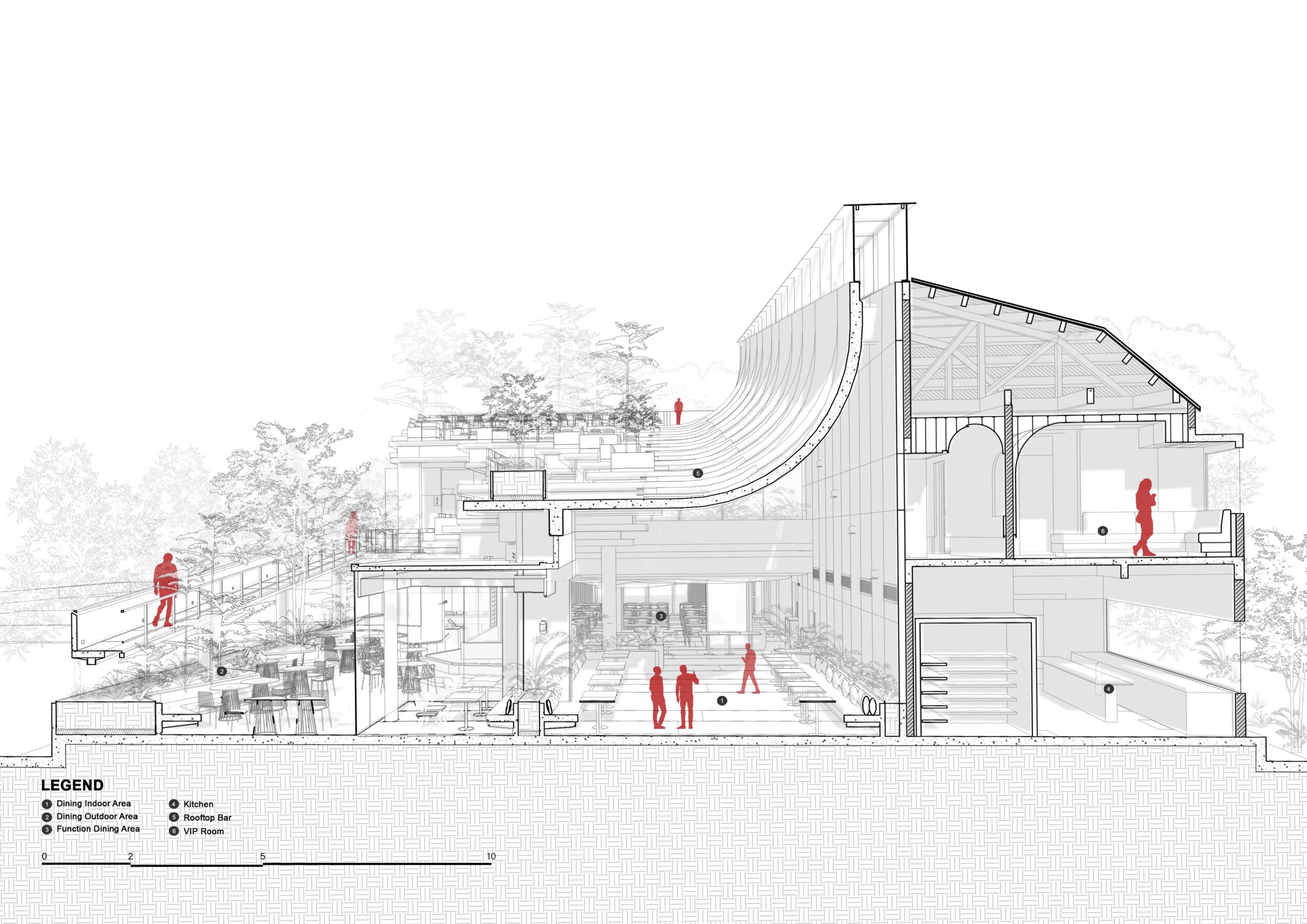
The architects designed around the void from the beginning. They positioned the structure north-south to preserve the existing trees, then used the central split to link a ground-floor restaurant, a mezzanine bar and a rooftop beer garden. These levels are tied together visually by diagonal pathways and shifting floor plates, which mirror the spine’s angle and amplify movement through the site.

3. Staging Light and Movement Through Layered Voids
Ritual Space by GEOMIM, Bodrum, Turkey
Jury Winner, Spa and Wellness, 13th Architizer A+Awards
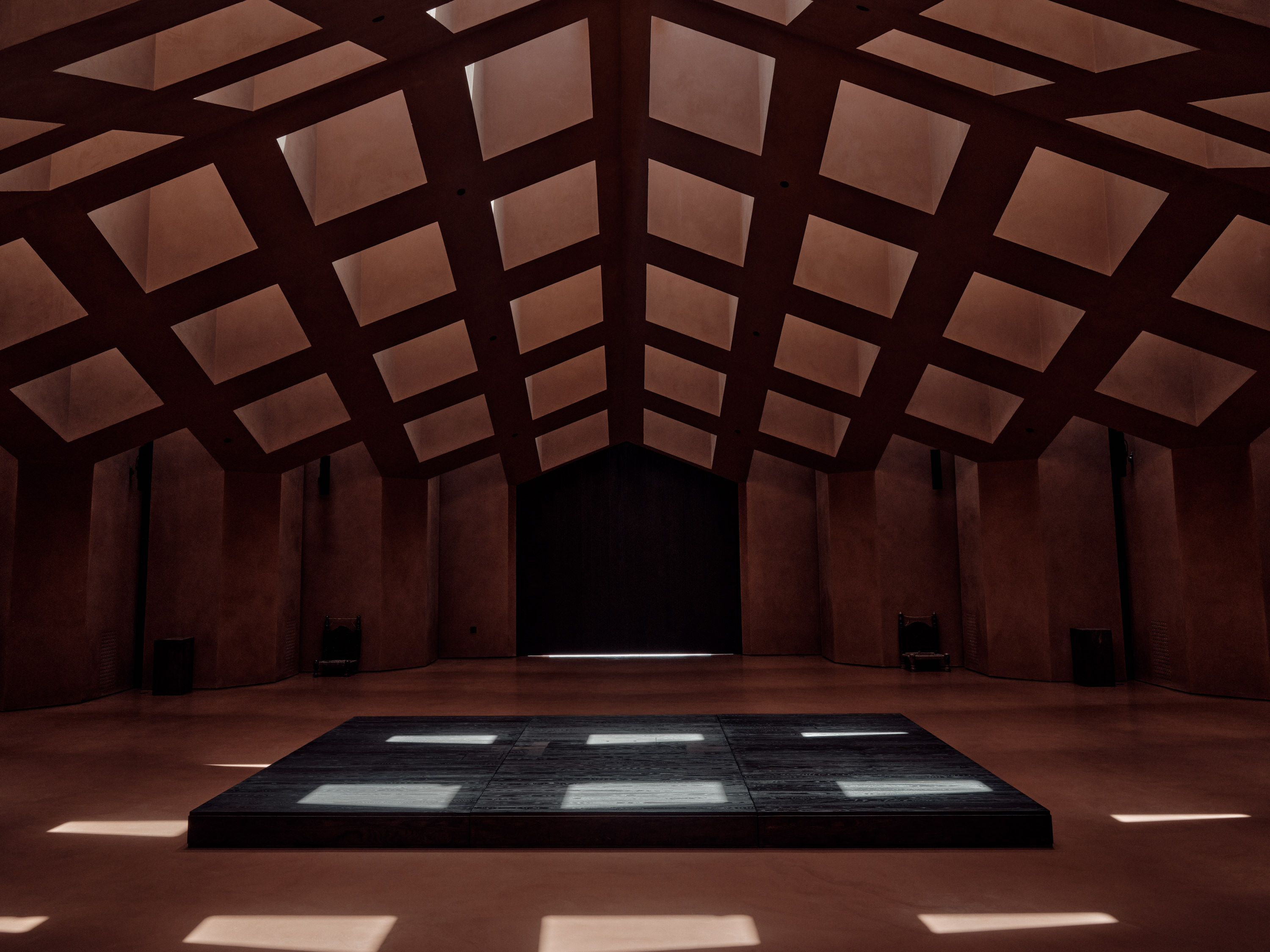
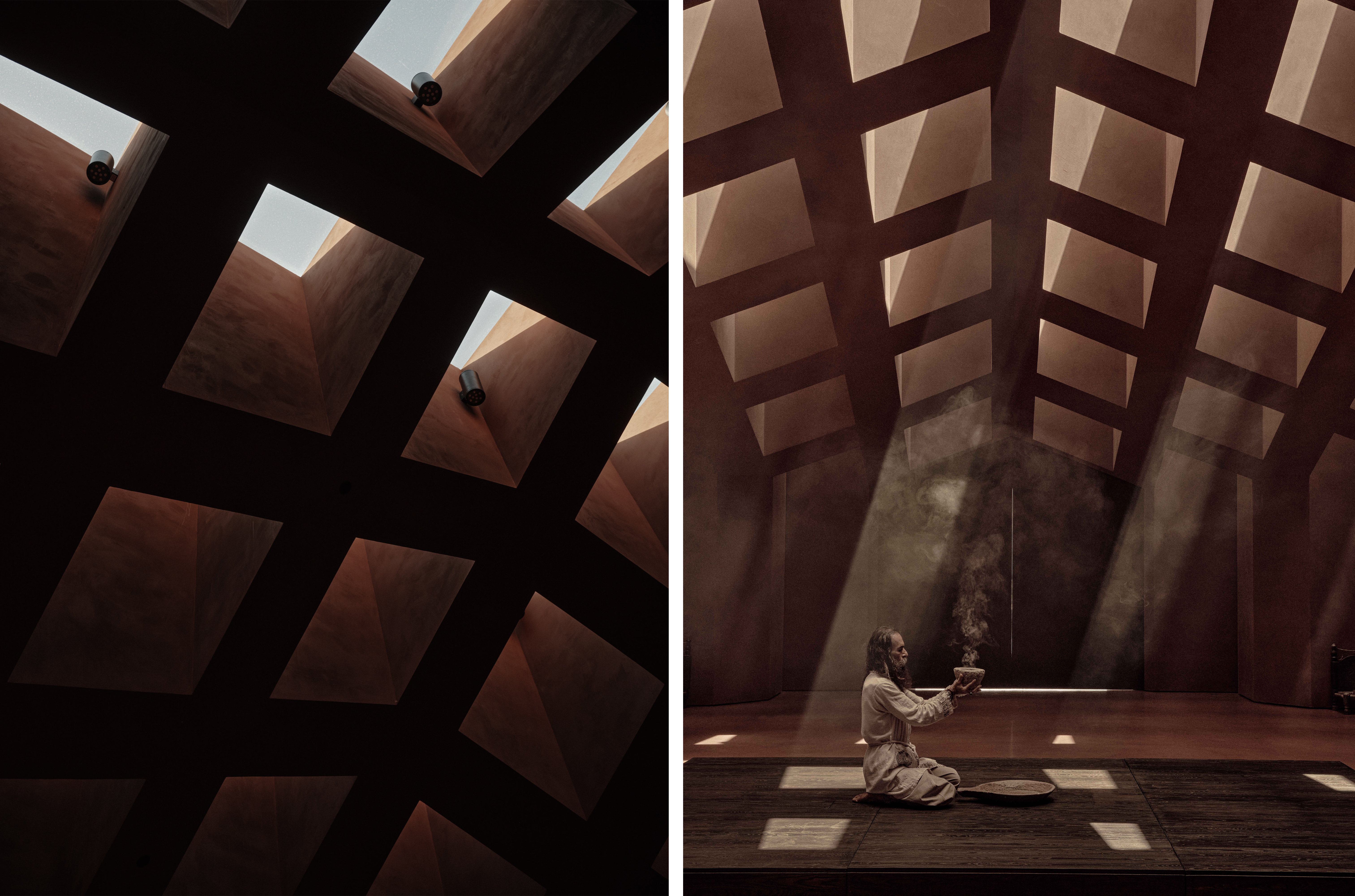


They raised the central meditation pavilion above the ground and surrounded it by low, semi-buried chambers. This height contrast creates a sectional void that pulls focus upward. Skylights were also introduced in the underground spaces to channel natural light from above and produce a vertical rhythm that reinforces the project’s spiritual program.

4. Embedding Voids in the Façade
Populus Hotel by Studio Gang, Denver
Popular Choice Winner, Hotels & Resorts, 13th Architizer A+Awards
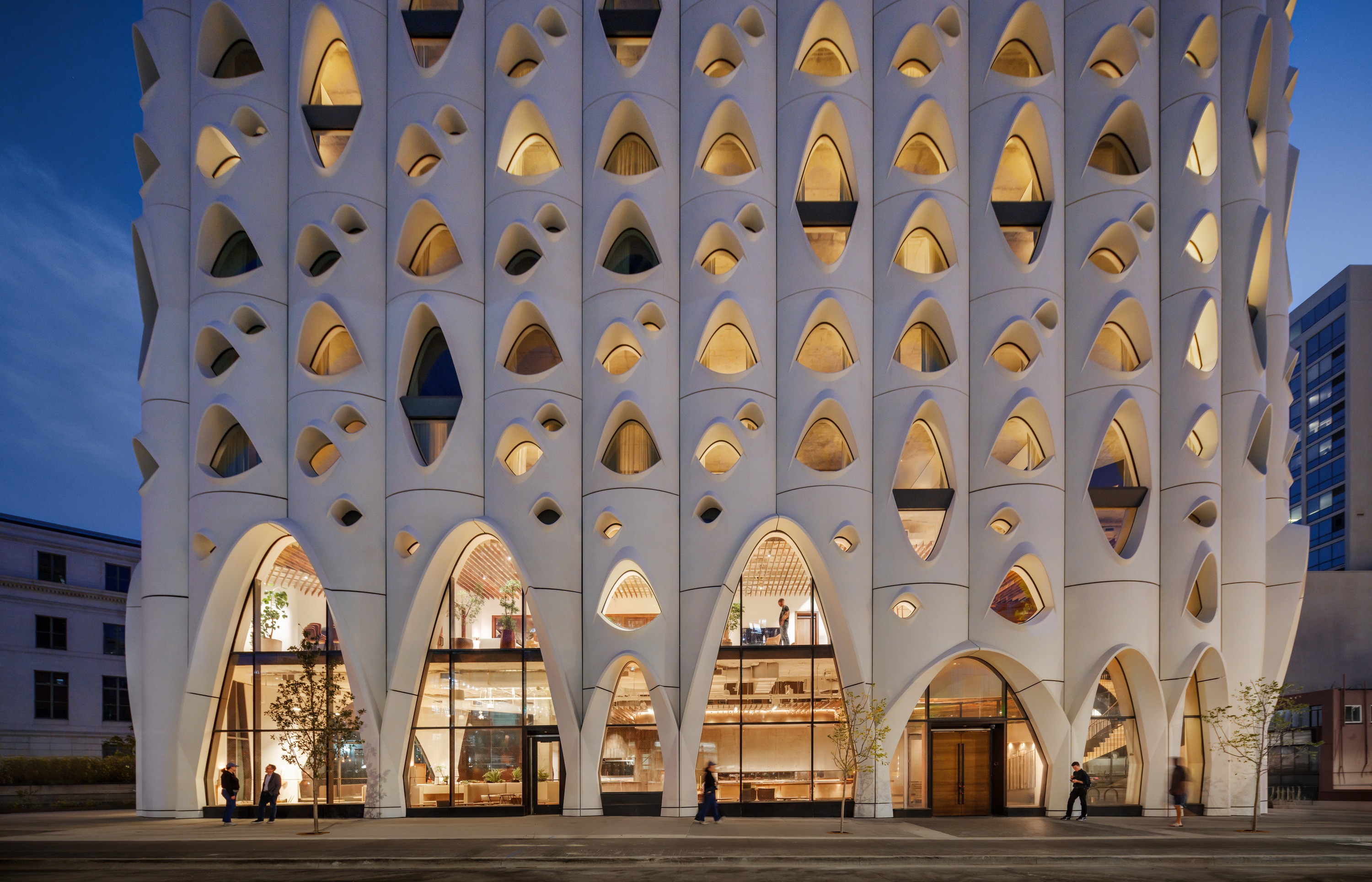
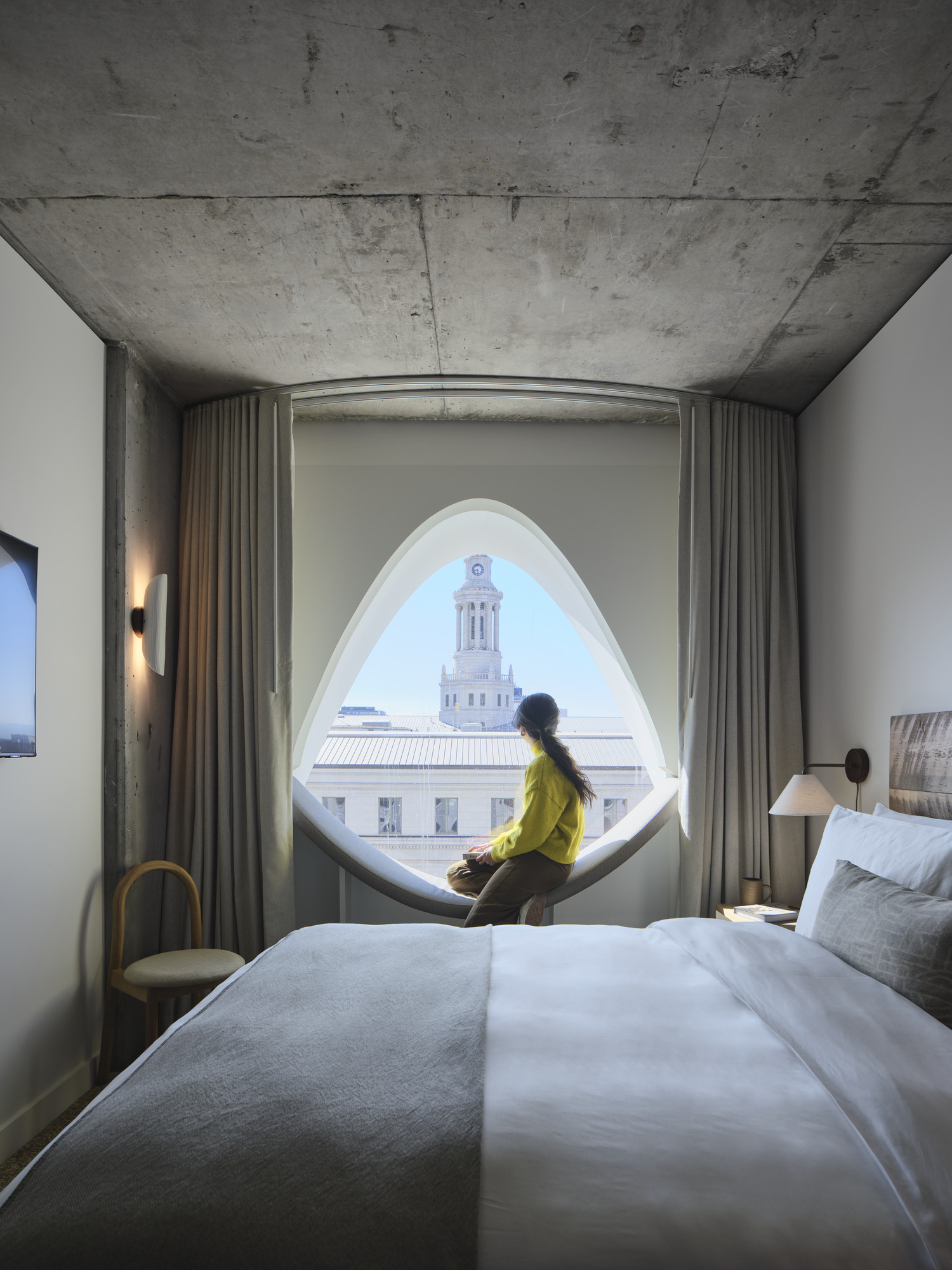


Rather than punch holes in a flat façade, the architects carved dynamic voids calibrated to program, orientation and climate. The windows’ “lids” break the mass down and shape the experience of the visitors.
5. Using Voids to Regulate Light and Privacy
ONDSAUNA by Amane Archi, Takeo, Japan
Popular Choice Winner, Spa and Wellness, 13th Architizer A+Awards
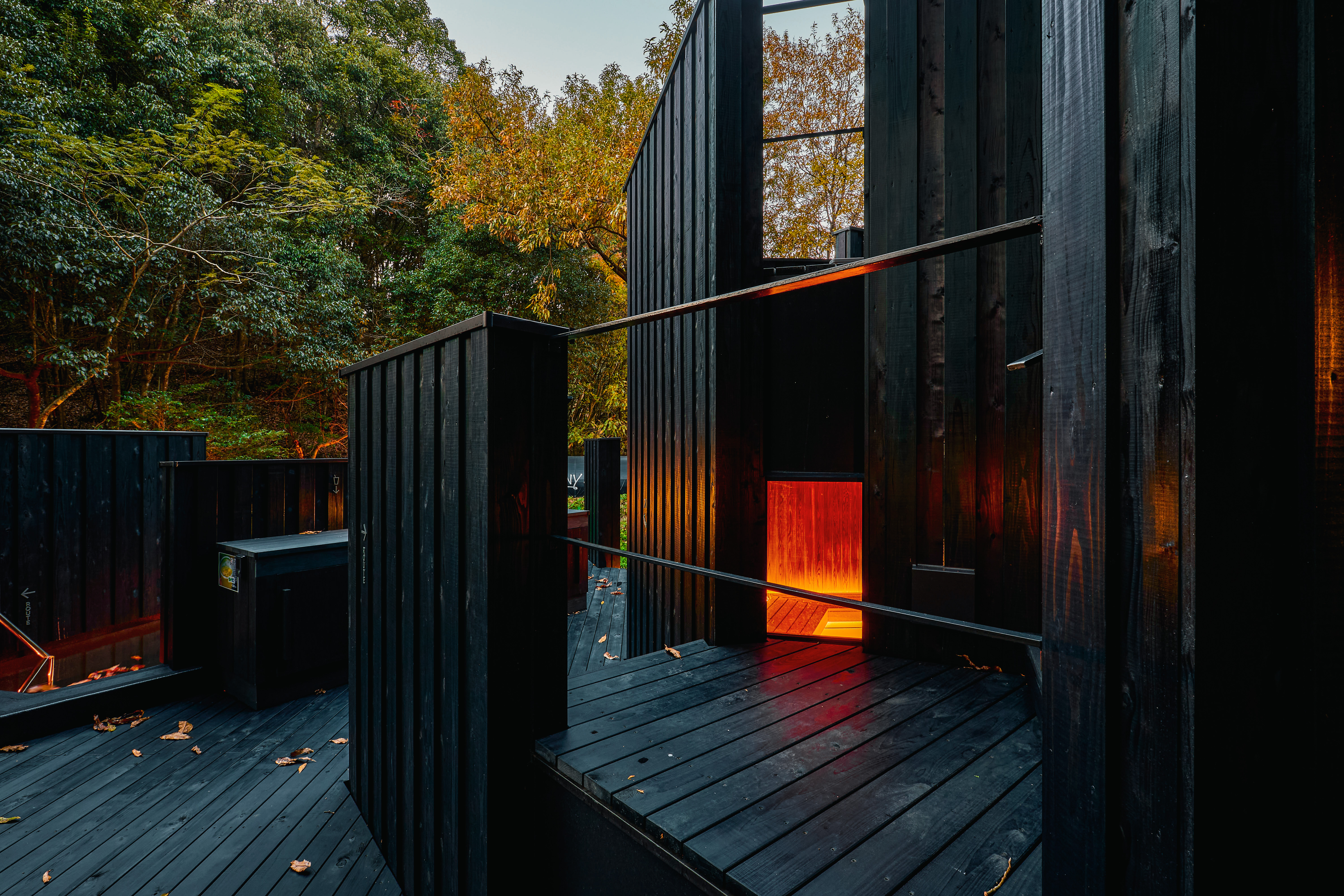
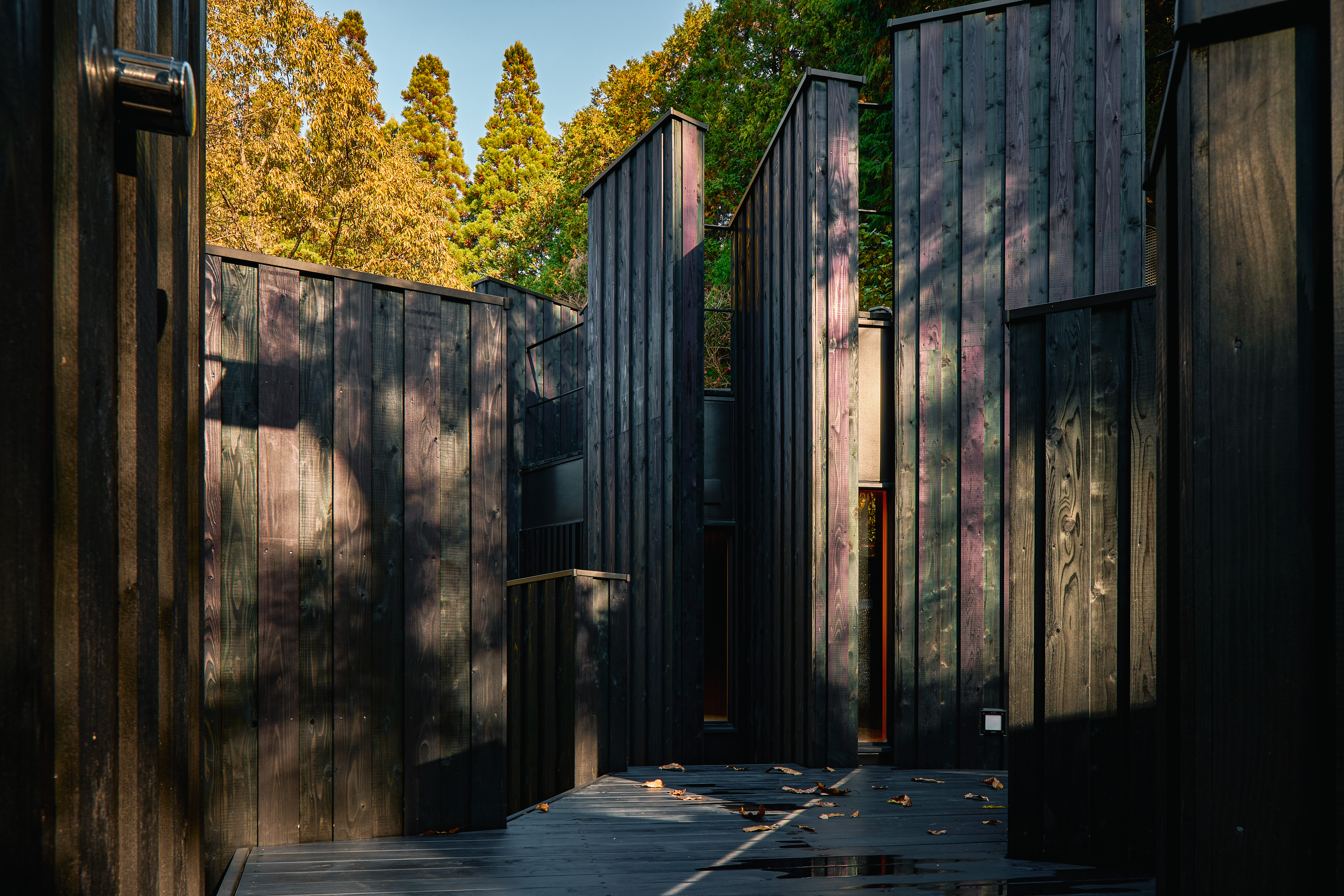


These stacked voids frame selective views of the forest while softening how bathers see each other. The layout avoids direct lines of sight and gives users the sense of being together without being watched. This design balances openness with discretion, which aligns with the Japanese culture.
The absence of beams allows the walls to rise cleanly from floor to ceiling. This reinforces the vertical experience and keeps the gaps uninterrupted. Inside, these slits guide air movement and let the forest atmosphere bleed into the sauna space.
6. Using Voids to Organize Flow and Navigate Terrain
Kimpton Huangshan by line+ studio, Huangshan, China
Jury Winner, Unbuilt Hospitality, 13th Architizer A+Awards
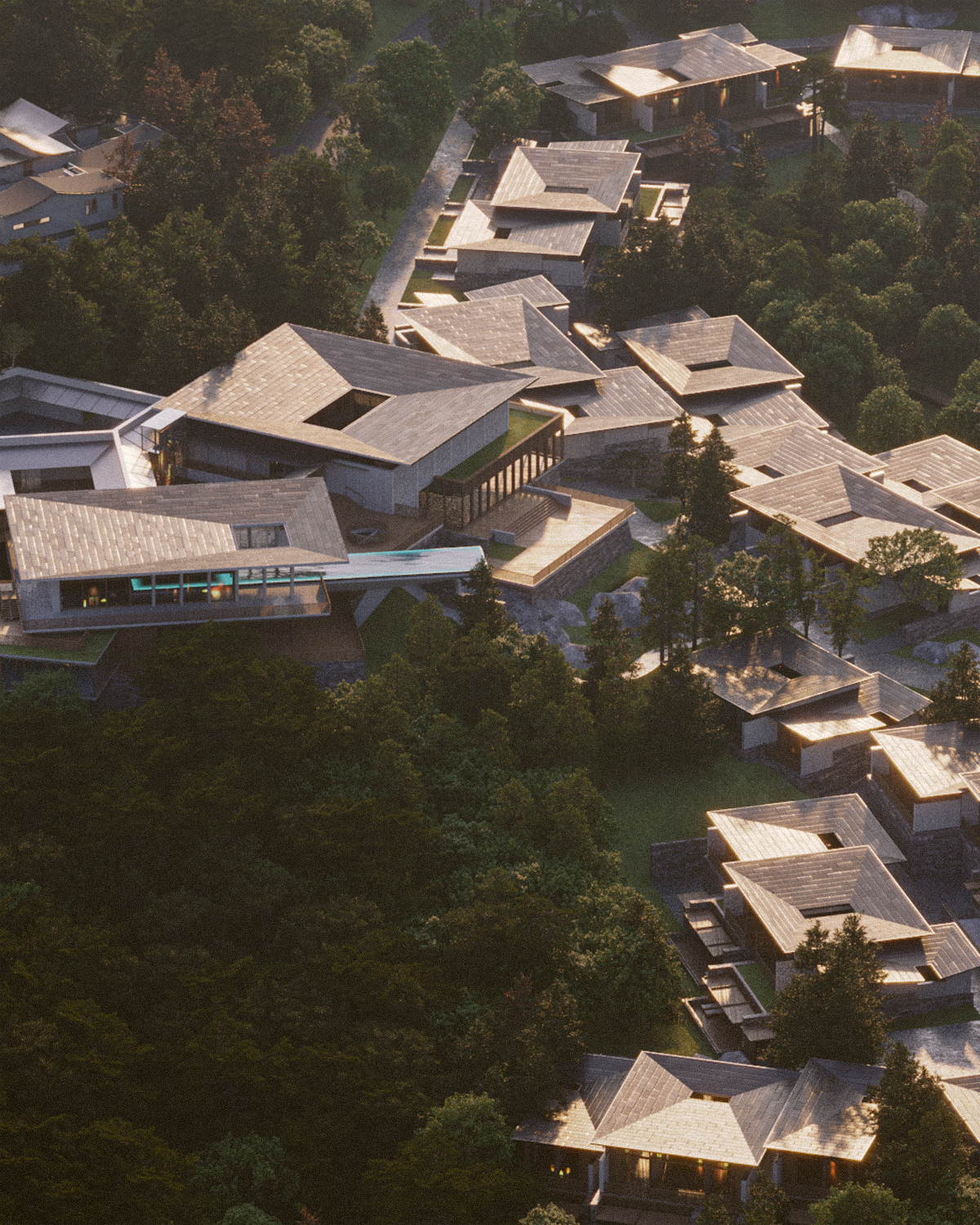
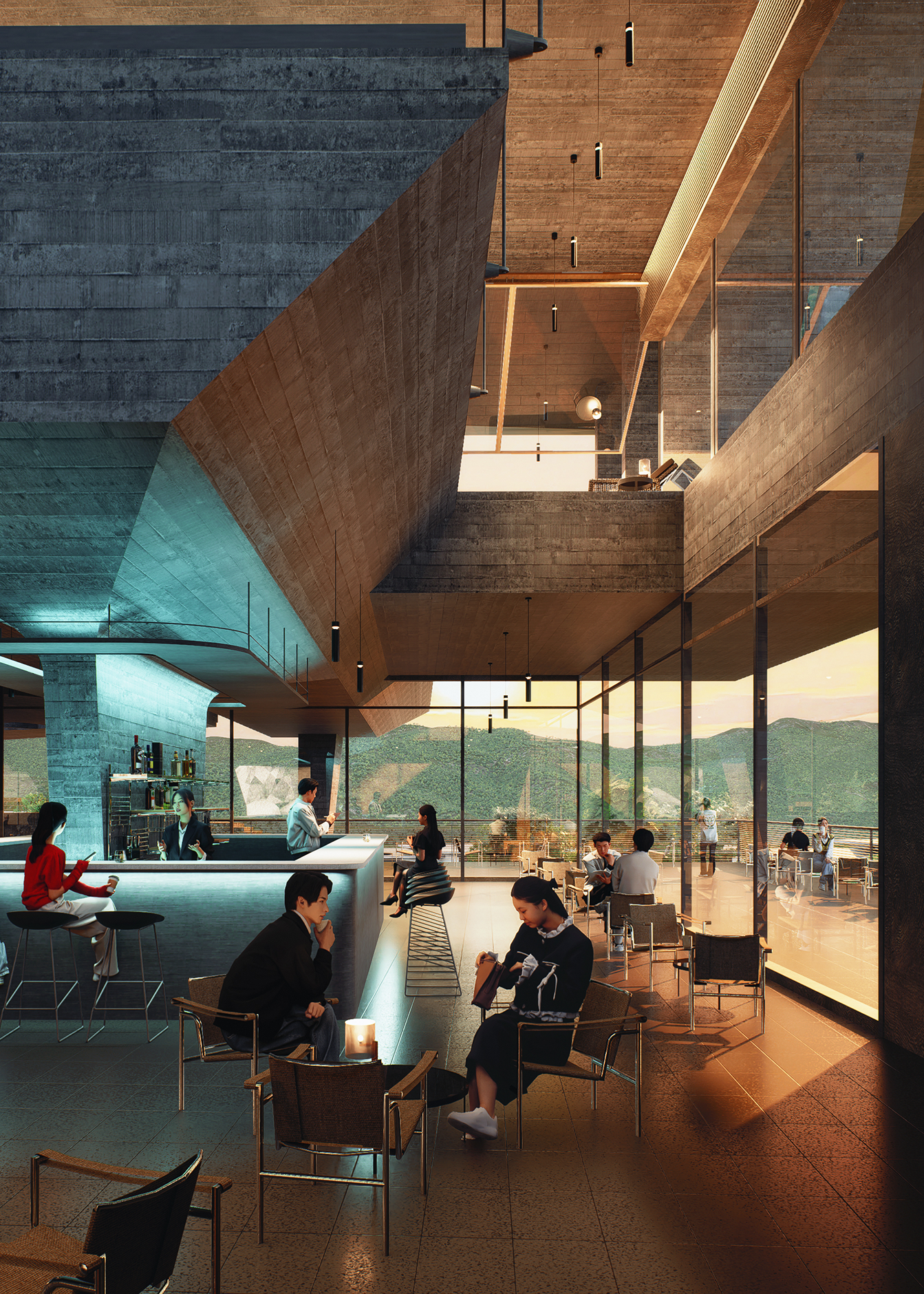


These courtyards control light, guide movement, and connect guests to the terrain. They sit between public and private spaces and appear at the heart of each guest room unit. As guests move from terraces to alley to skywells, the voids create a consistent rhythm of compression and release. Each space transitions naturally into the next.
By placing the courtyards along the sloped site, the architects let the building follow the land. The voids create clarity, orient visitors and soften the scale of the architecture. They also protect privacy without cutting off views.
In these projects, voids are active design tools. They organize movement, frame views, regulate climate, and create atmosphere. By treating emptiness as structure, these architects show that what is unbuilt can be just as impactful as what is built, especially in spaces meant to host, comfort, and connect.
Architizer's 14th A+Awards judging is live! Subscribe to our Awards Newsletter for updates on Public Voting and the big winner reveal later this spring.