Showcase your visionary architectural concepts: The 2026 Vision Awards features categories that reward UNBUILT projects presenting bold ideas for the future of architecture. Take advantage of early bird pricing before April 17th.
To match or not to match? This dilemma has always been a burden for architects when designing extensions for listed buildings. Perhaps one of the most famous examples of a clashing extension and a listed building was Daniel Libeskind’s design for the Military History Museum in Dresden. Both praised and criticized by many, the modern extension aimed at spatially expressing Germany’s violent history. The architecture was characterized as “insensitive and inconsiderate” as well as “brave and bonkers.”
Regardless of whether this specific architectural project was “the right move or not,” it poses a somewhat eternal architectural question: how should architects approach listed buildings, which oftentimes carry an immense amount of history and emotional resonance? The following seven projects reveal several tactics of dealing with delicate pieces of cultural heritage, while adding a new building extension to the mix.
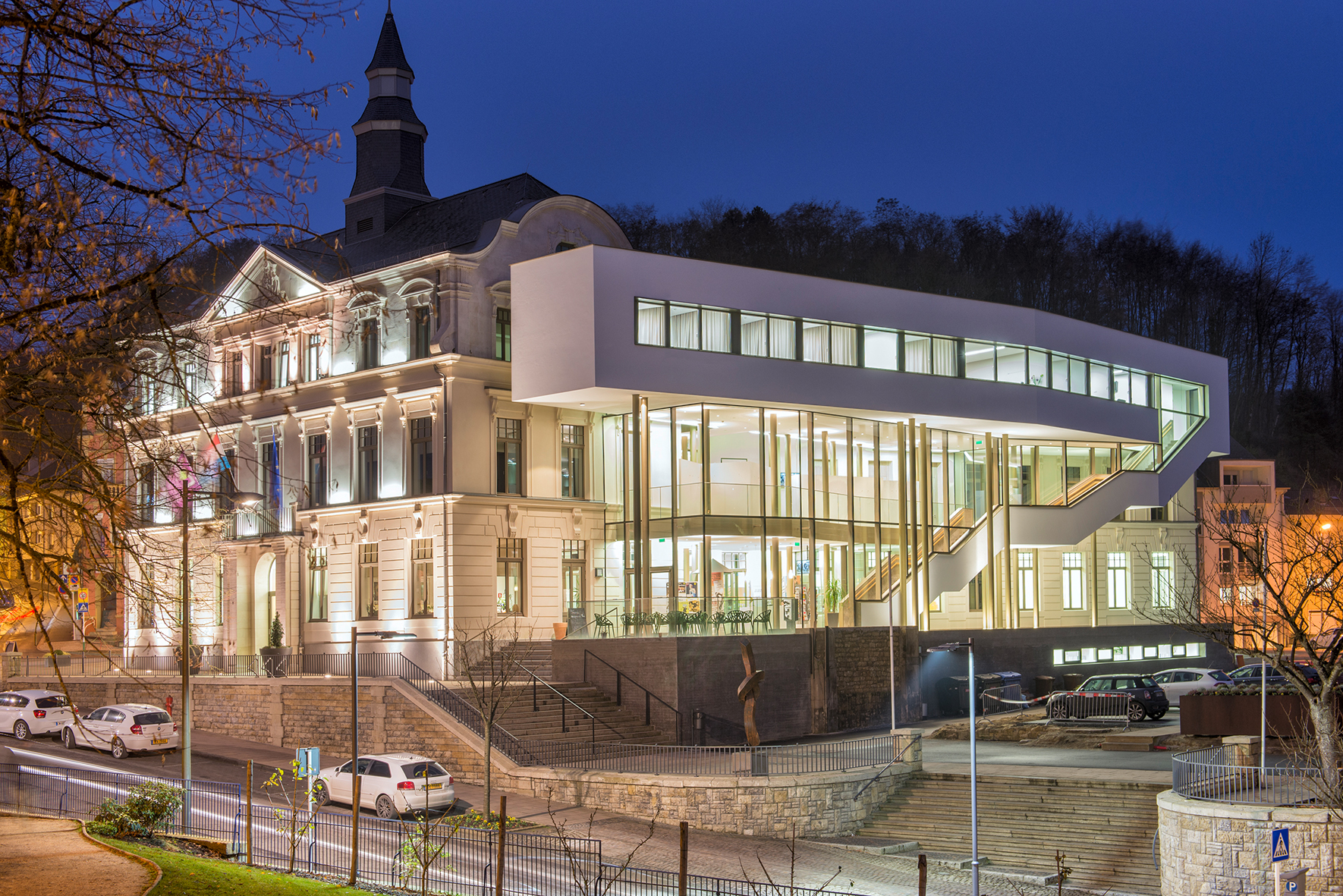
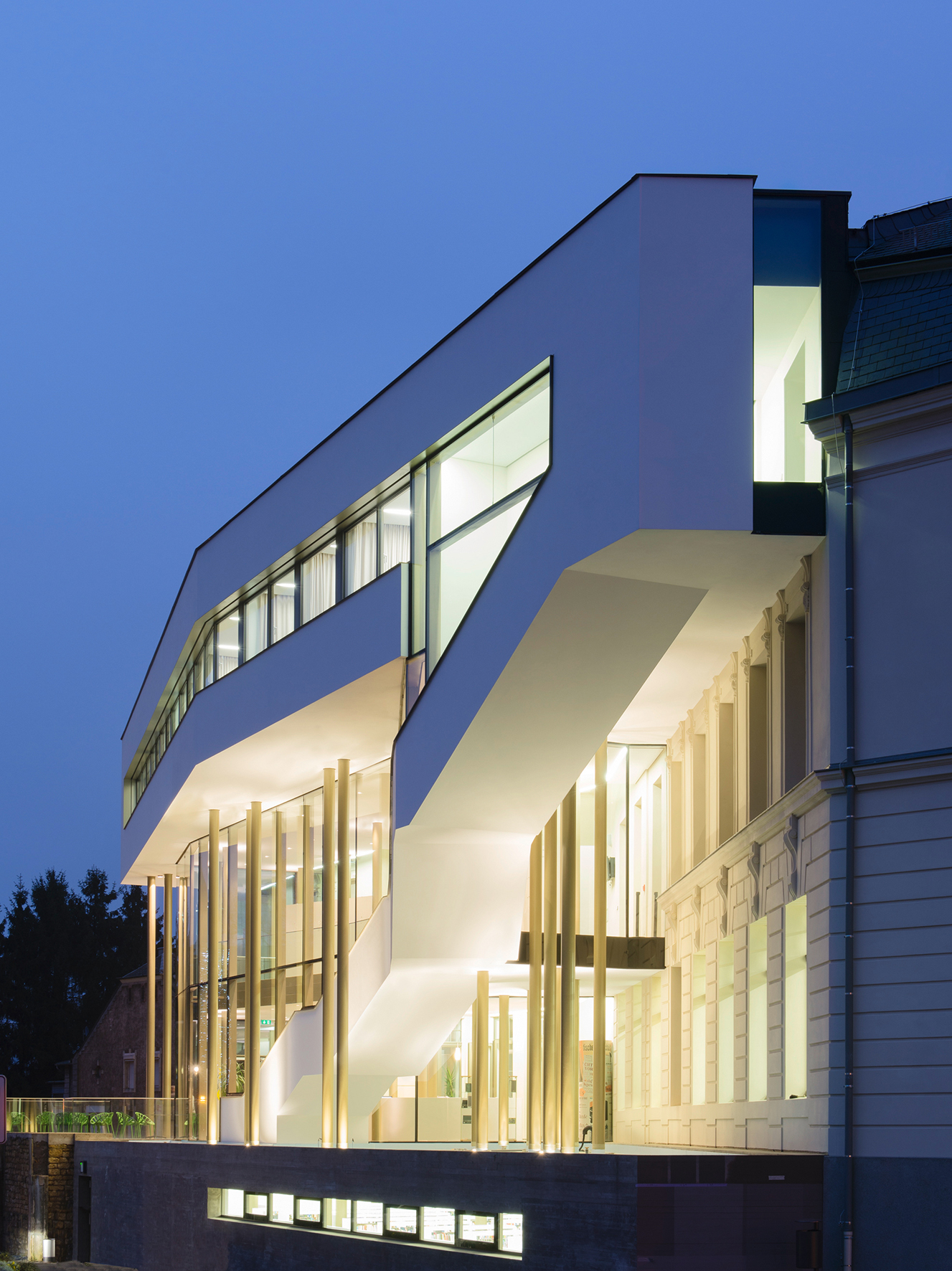
Aalt Stadhaus Differdange
By witry & witry architecture urbanisme, Differdange, Luxembourg


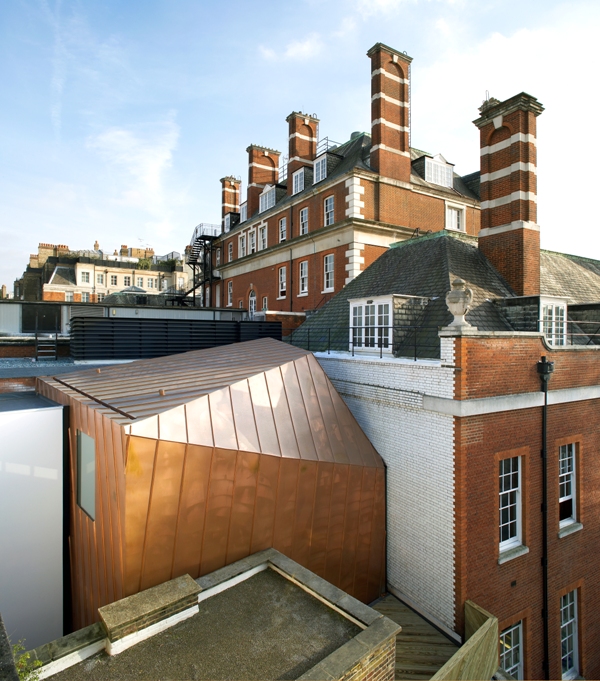
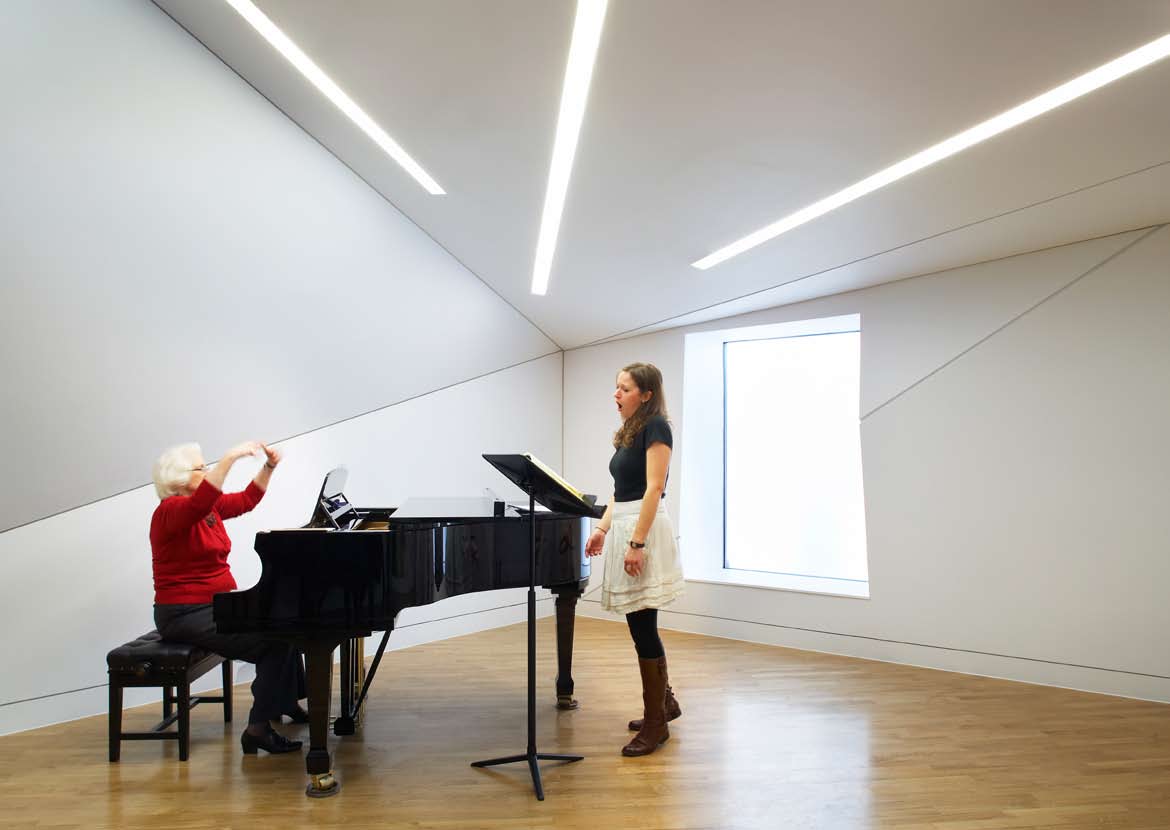
Void Practice Rooms
By John McAslan + Partners, London, United Kingdom


Felix-Nussbaum-Haus Extension
By Studio Libeskind, Osnabrück, Germany
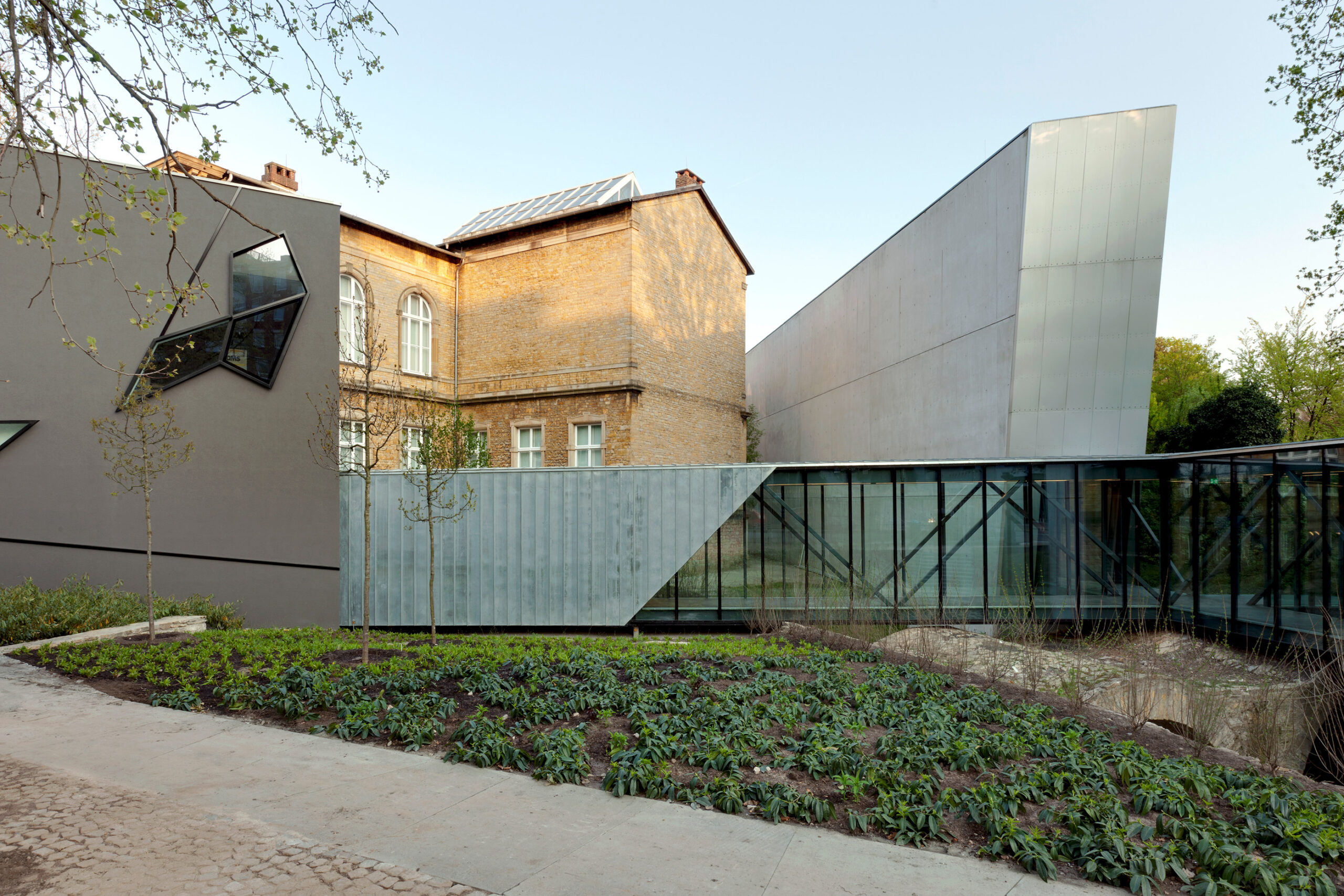
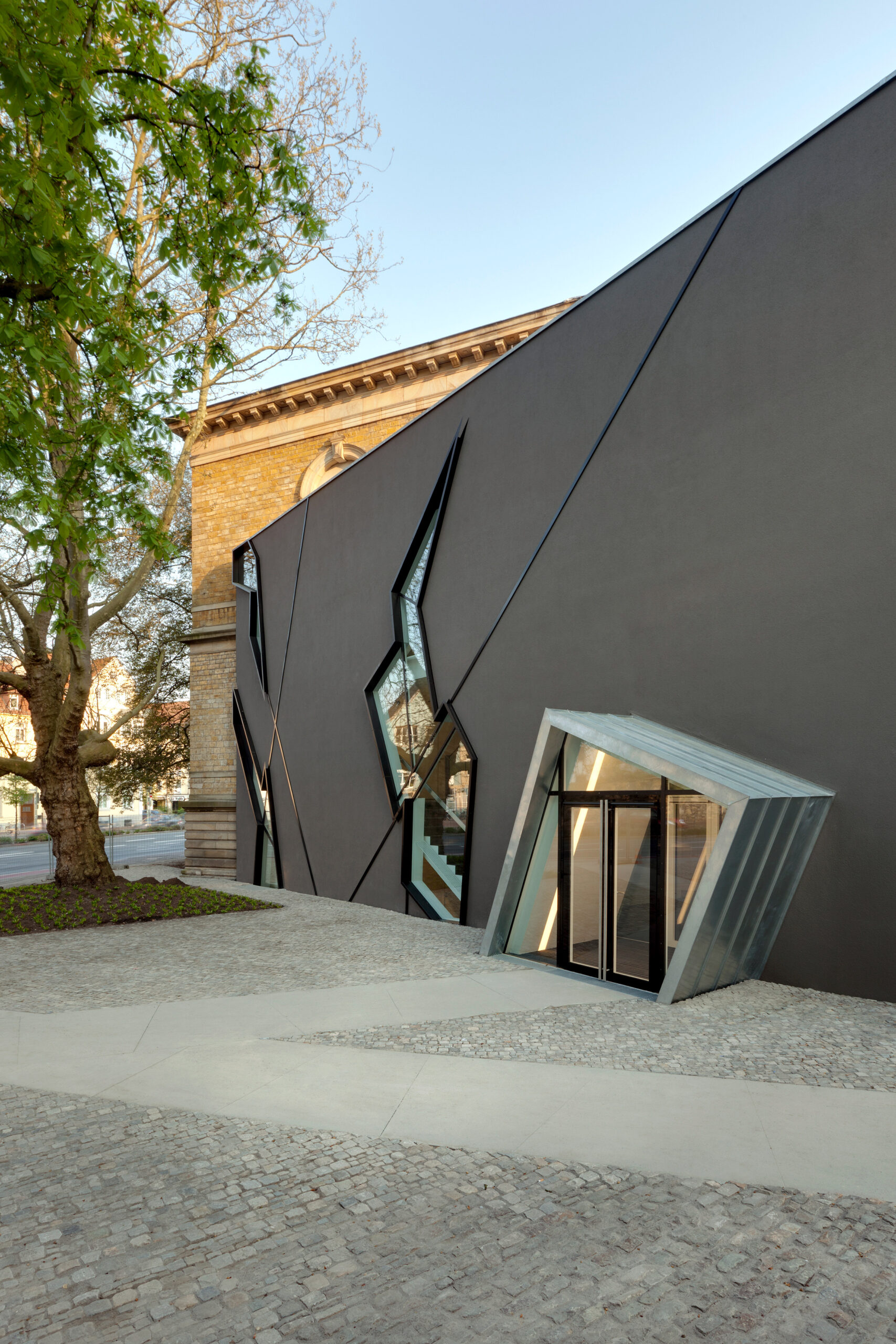


Through the specific colors and materials, the extension “blends” with both museums. The grey plaster provides a stark contrast to the Kunstgeschichtliche Museum and the Akzisehaus, while anthracite colored frames accentuate the series of openings. Additionally, the façade acts as a screen that carefully frames the geometries of the Museum openings, resulting in a grid that guides the overall composition.
Marecollege
By 24H-architecture, Leiden, The Netherlands

Extension to the Historisches Museum
By :mlzd, Bern, Switzerland
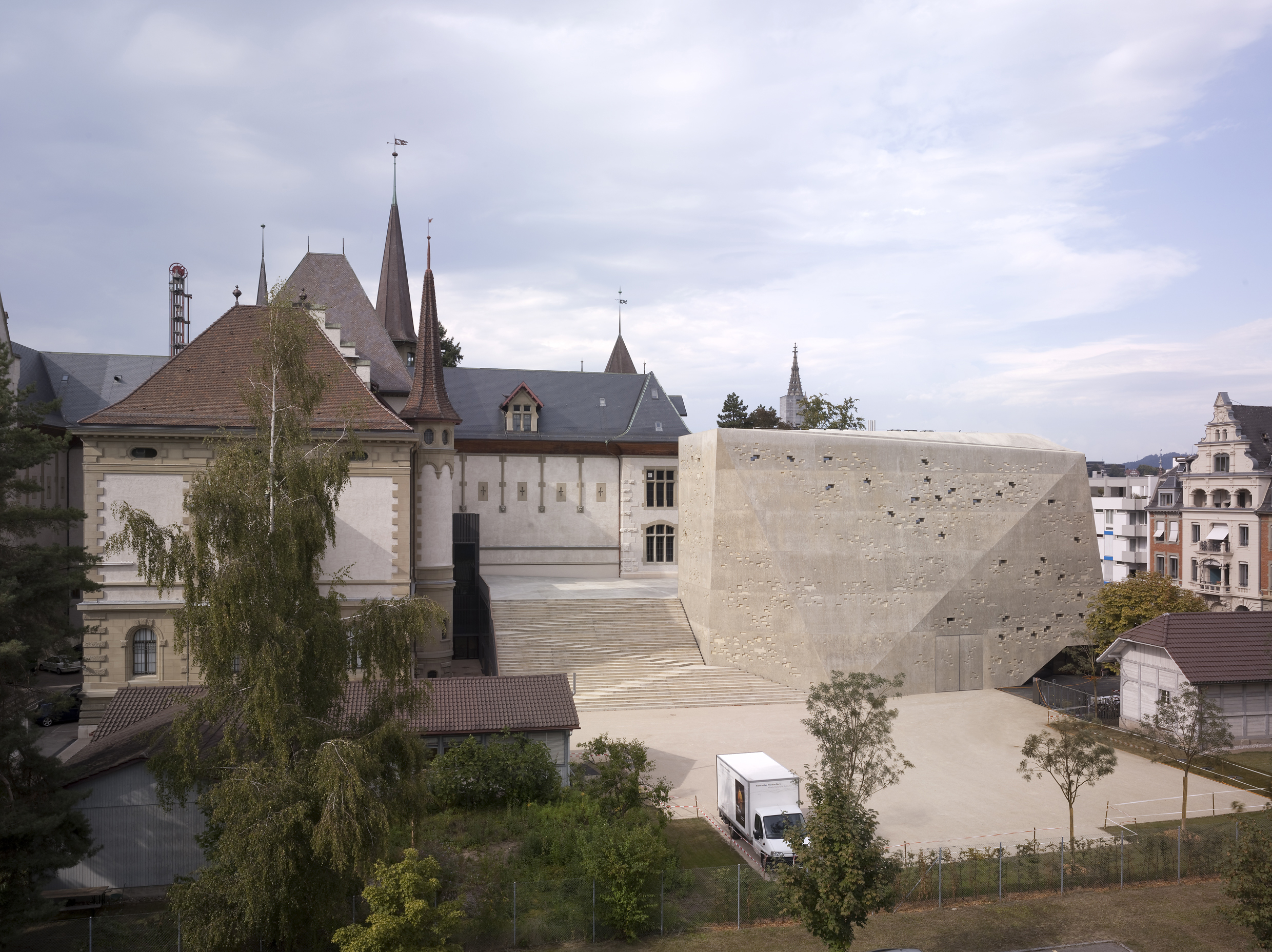
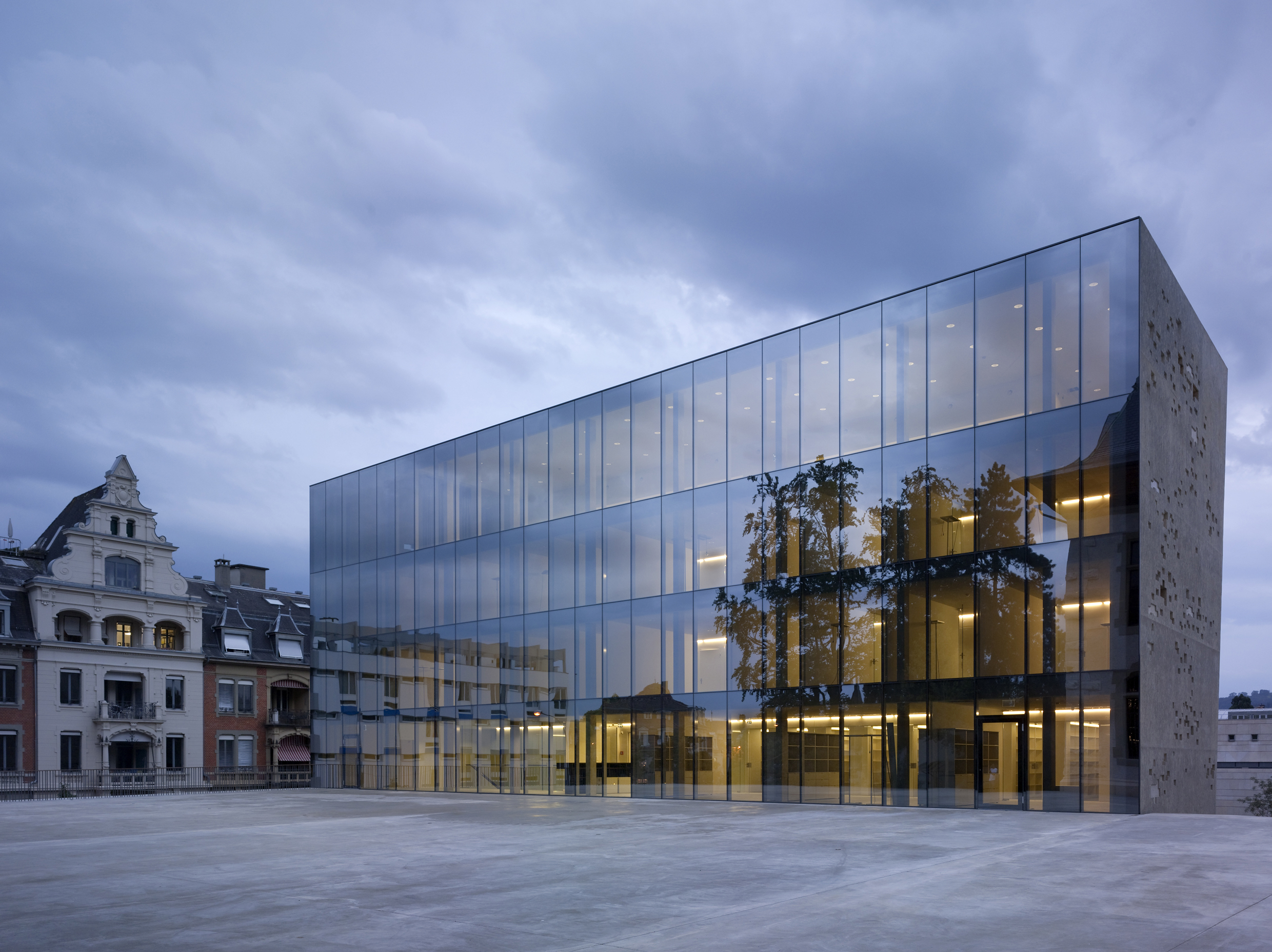

Specifically, towards the square the building acts as a glazed modernist curtain wall that reveals all the activities that occur in its interior, while the south façade is made of solid, cast concrete punctured by small random openings.
Rehabilitation and Extension of the Colani-UFO with shaft hall
By SSP AG, Lünen, Germany
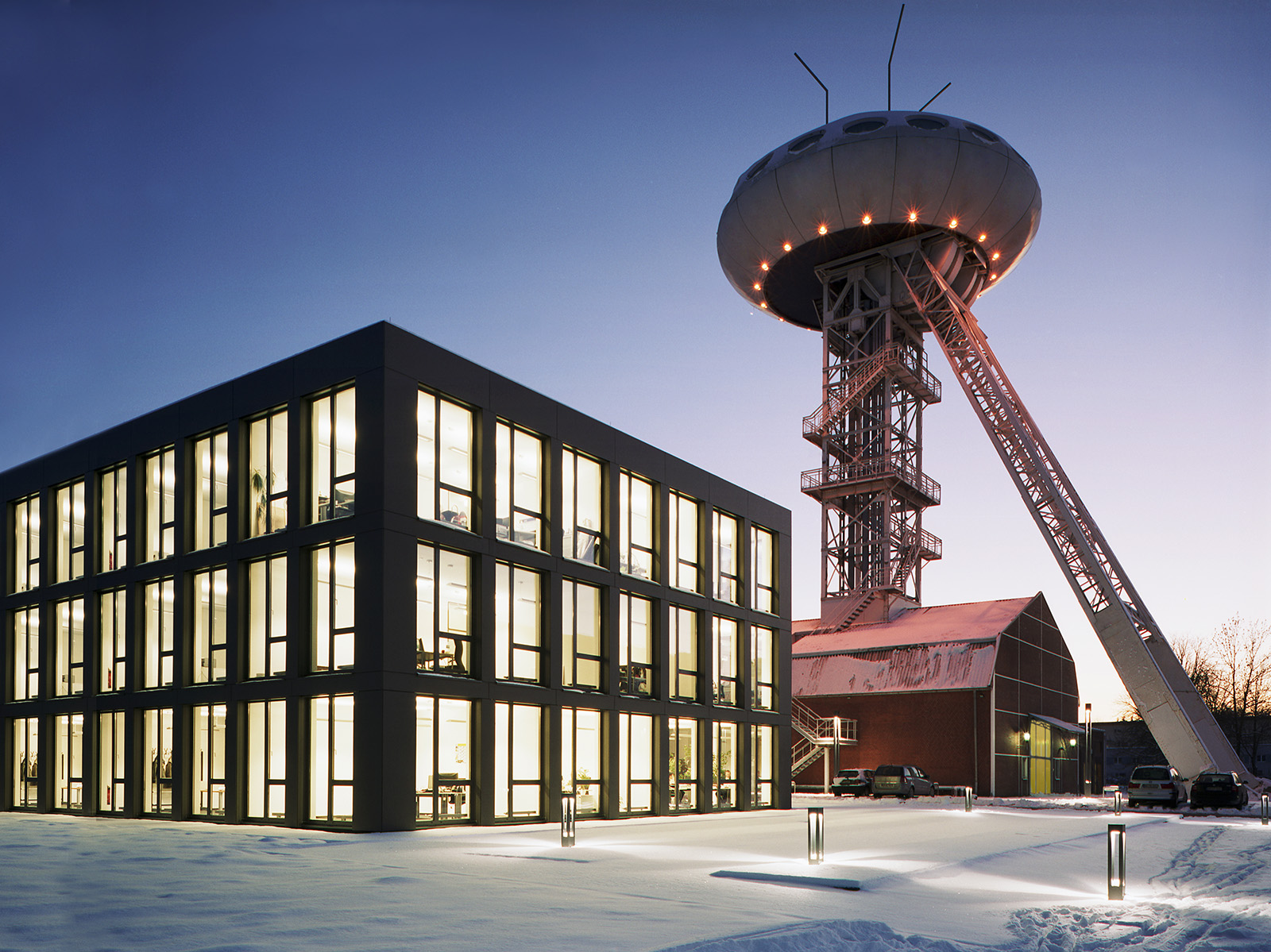
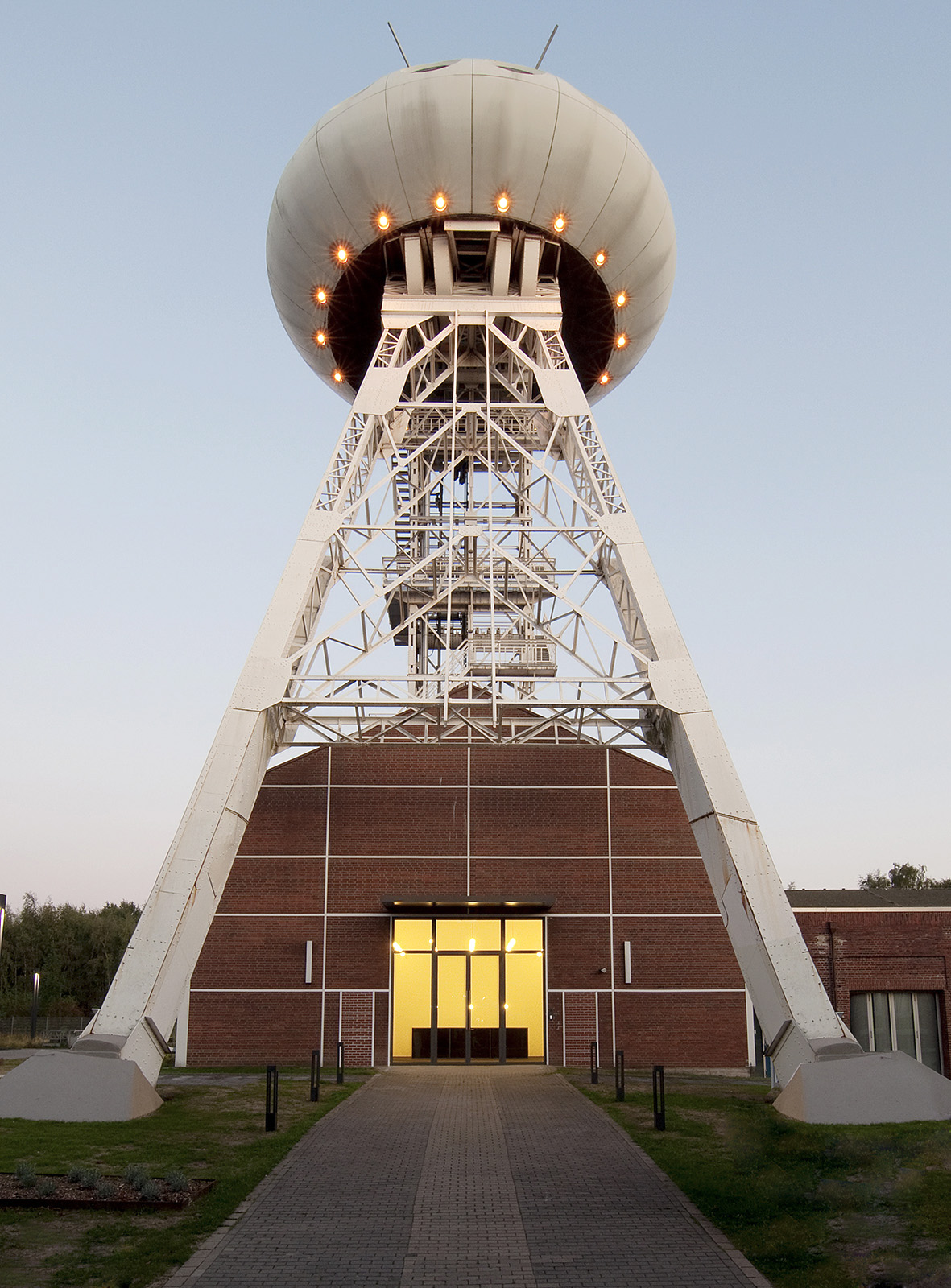


The primary idea was to integrate the “UFO,” the shaft and the underlying building with a new extension, turning them into a multifunctional complex able to cater for a wide variety of venues. The design preserved that industrial charm of existing buildings, while maintaining a rather subtle form in comparison to the rest of the heterogenous buildings on site. Particularly the dark monolithic façade becomes a “quiet pause” in a somewhat complex and stimulating urban context.
Museum De Fundatie
By Bierman Henket architecten, Zwolle, Netherlands
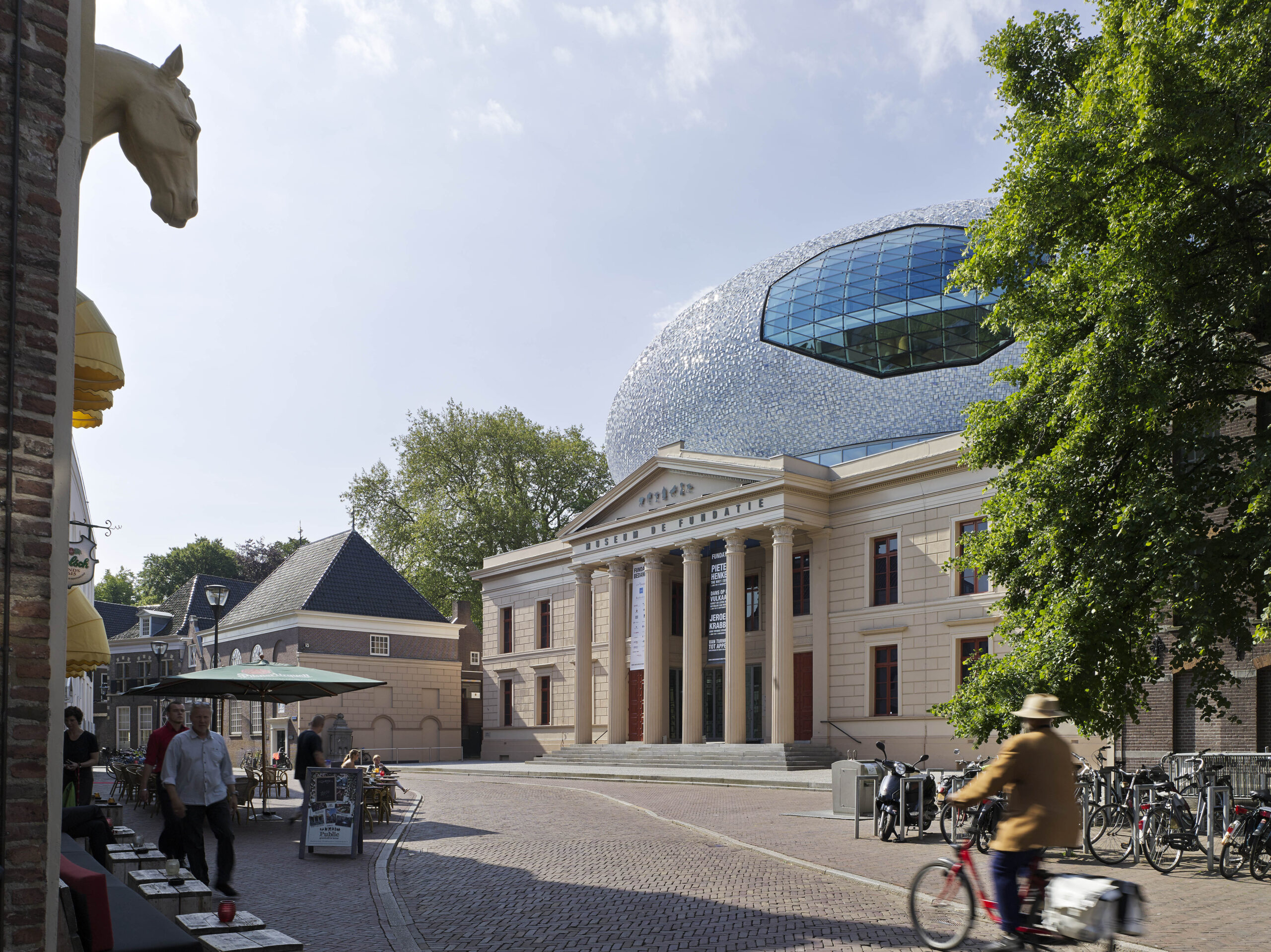
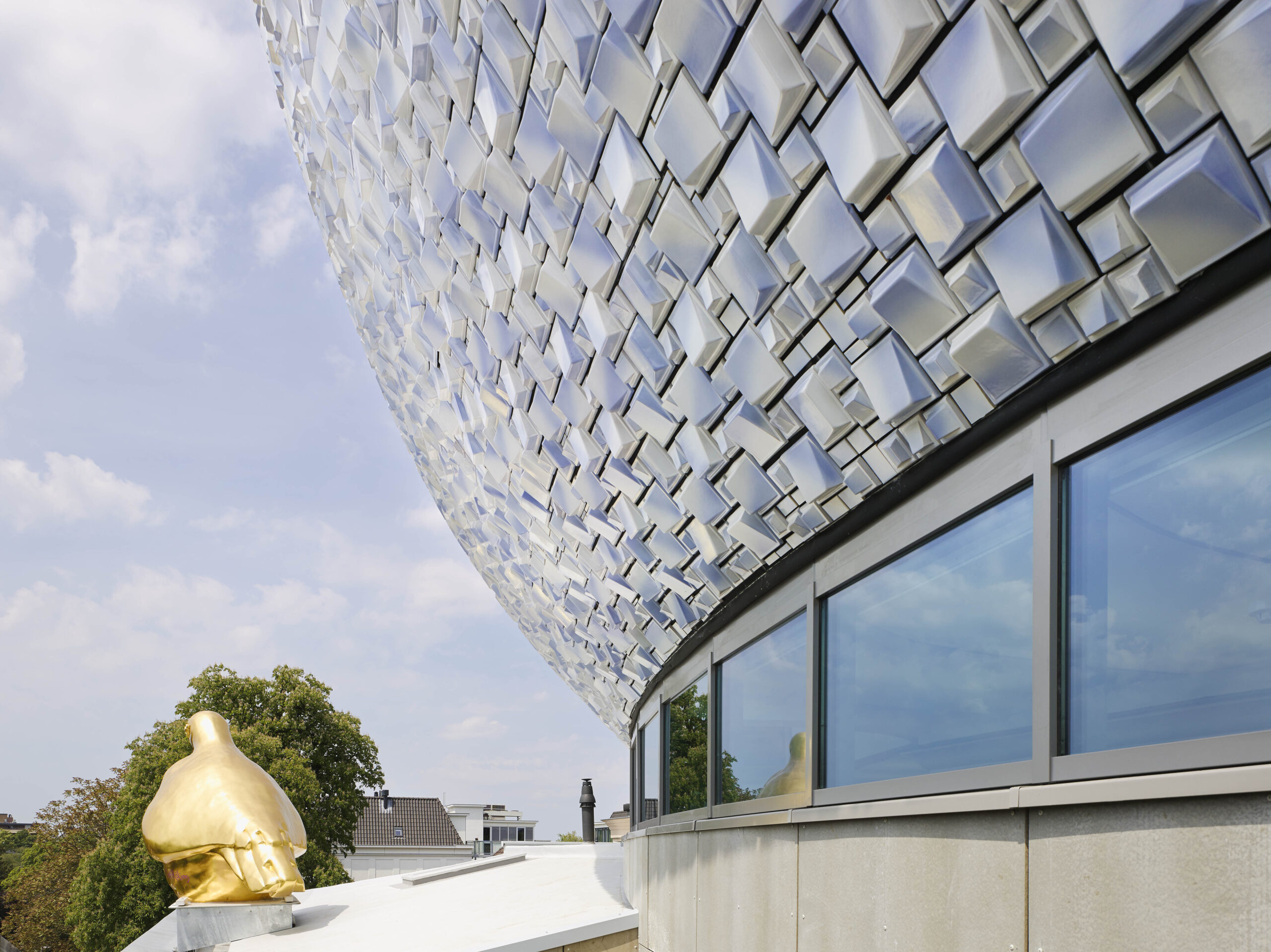

The extension – also called the Art Cloud – follows the substructure’s logic by being symmetrical in two directions, thus establishing a new identity for the complex’s urban presence. Its façade is clad with 55,000 three-dimensional ceramic elements, forming a “shimmering” surface that breaks down the original building’s solidity.
Showcase your visionary architectural concepts: The 2026 Vision Awards features categories that reward UNBUILT projects presenting bold ideas for the future of architecture. Take advantage of early bird pricing before April 17th.
Featured Image: Extension to the Historisches Museum by :mlzd, Bern, Switzerland