Architects: Want to have your project featured? Showcase your work by uploading projects to Architizer and sign up for our inspirational newsletters.
Permeability is one of those words architects love to throw around until it starts to lose meaning. But some would argue that behind the jargon lies a fairly practical idea. When it comes to buildings (and façades in particular), permeability is about control. Perforated surfaces decide how much light enters a space, how air moves through it, and how connected a building feels without fully opening itself up. In a way, they offer shade privacy without isolation and comfort without heavy enclosure.
From brick screens and ceramic blocks to metal panels and concrete lattices, this collection offers a glimpse (or a filtered glimpse, if you will) into projects that use porosity with intention. Across climates and programs, their façades show how small openings can shape atmosphere, performance and everyday experience.
Upper Albert
By SAOTA, Cape Town, South Africa
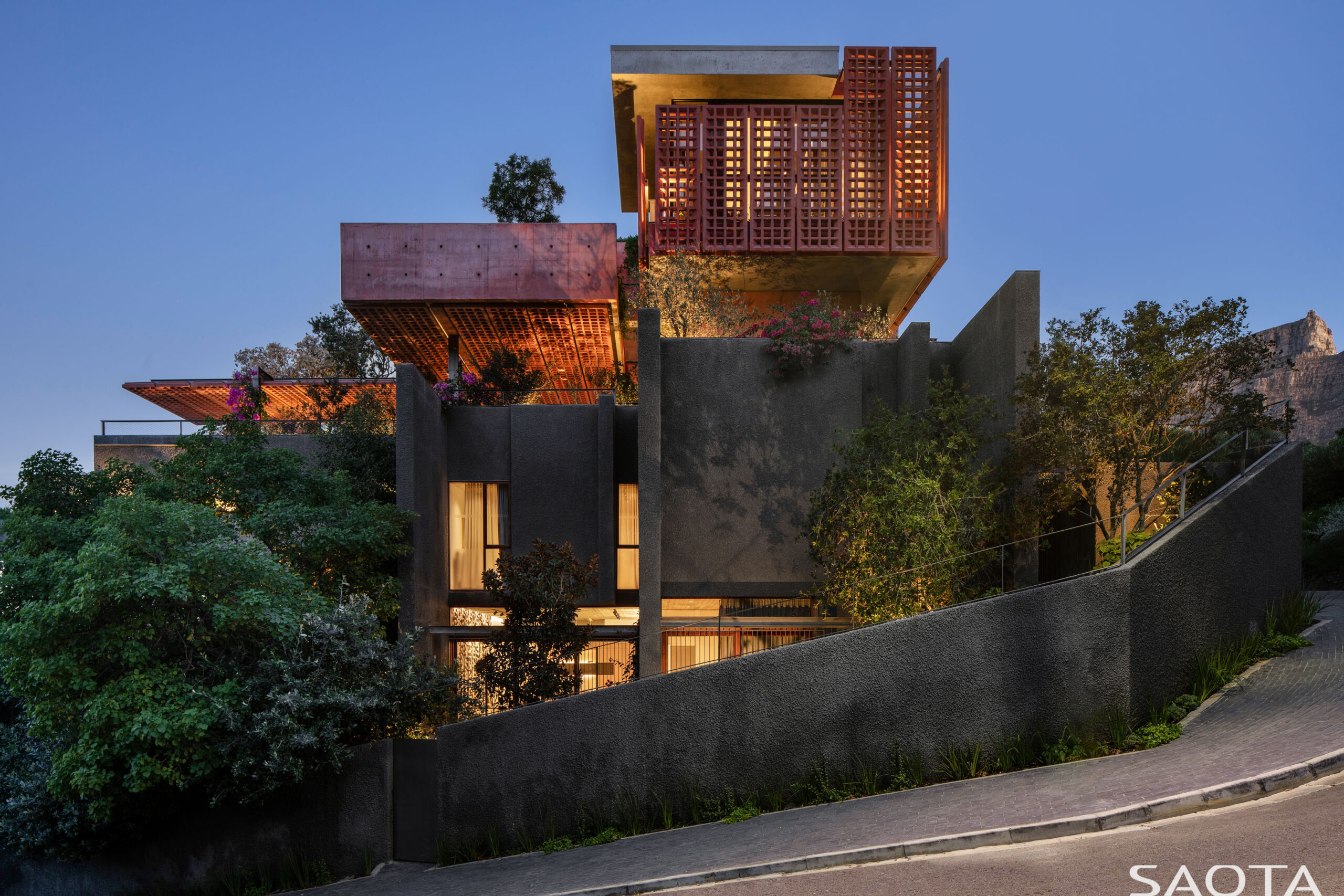
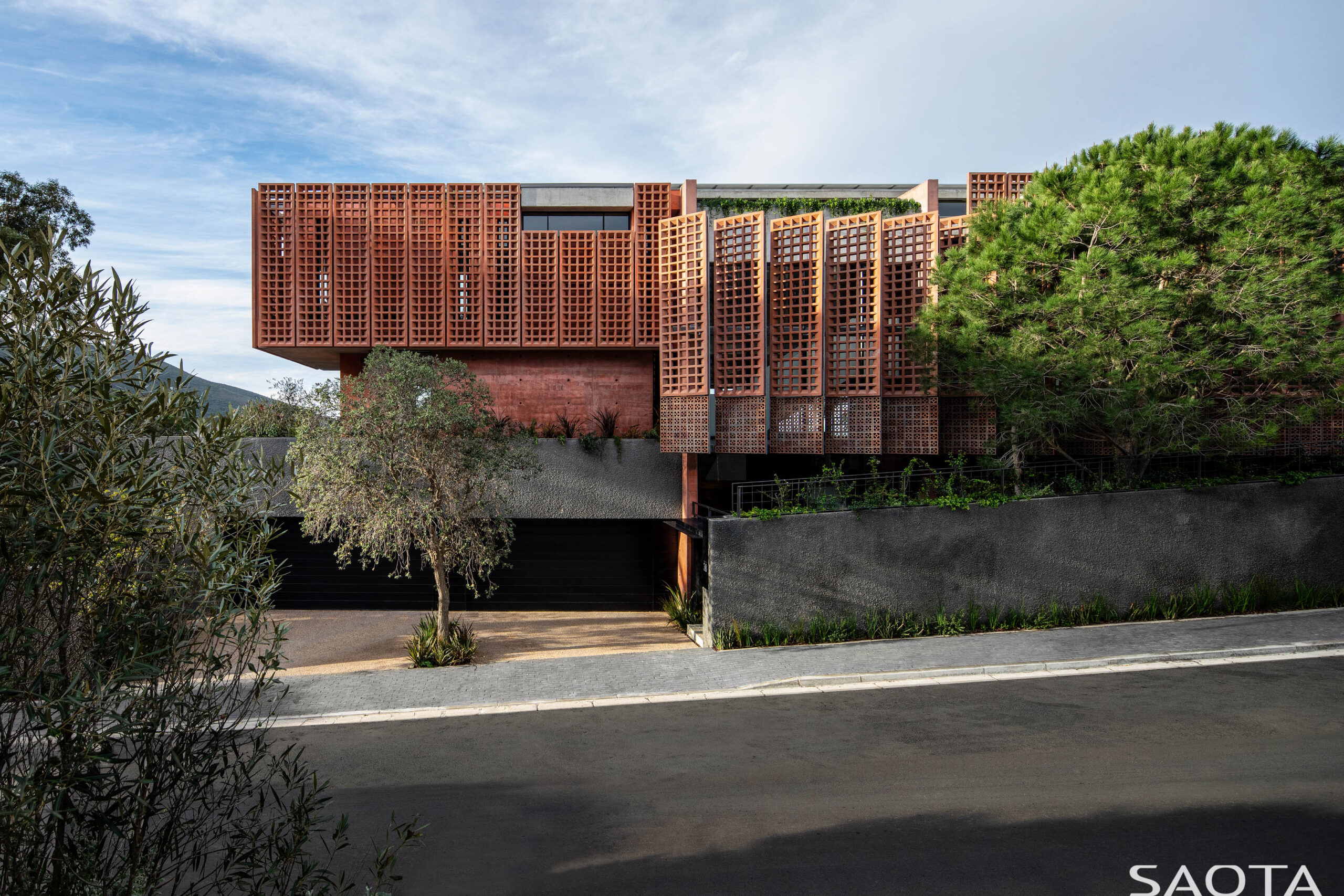

Cast in red-pigmented concrete and mounted on steel frames, the perforated panels provide shade and privacy while giving the façade texture and depth. Reused terracotta blocks from the original boundary wall are woven into the screen, tying memory to structure. The result feels tactile and expressive, where light, shadow and material quietly shape everyday life.
Cantines Zinder
By ACTA – Action through architecture, Niger
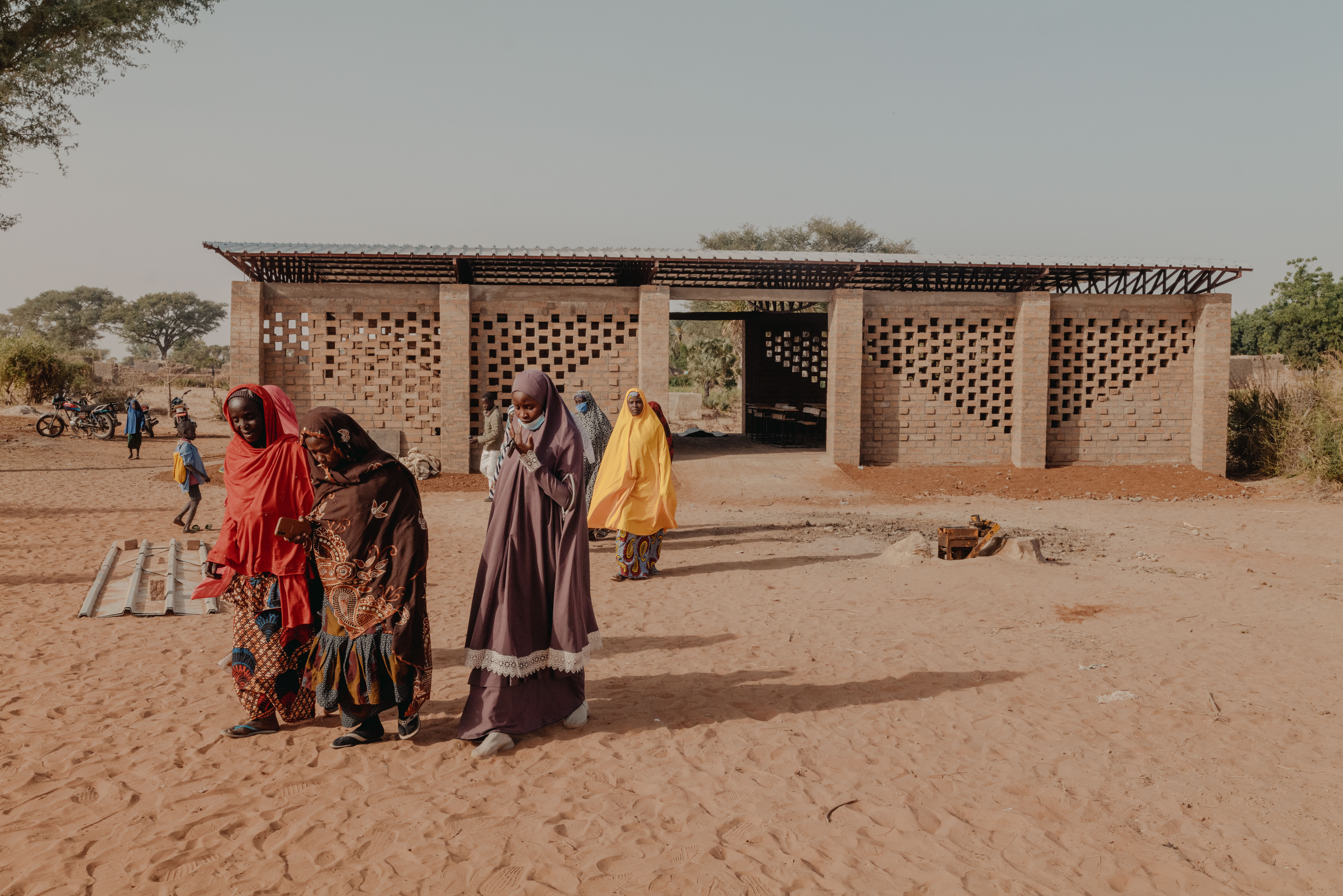
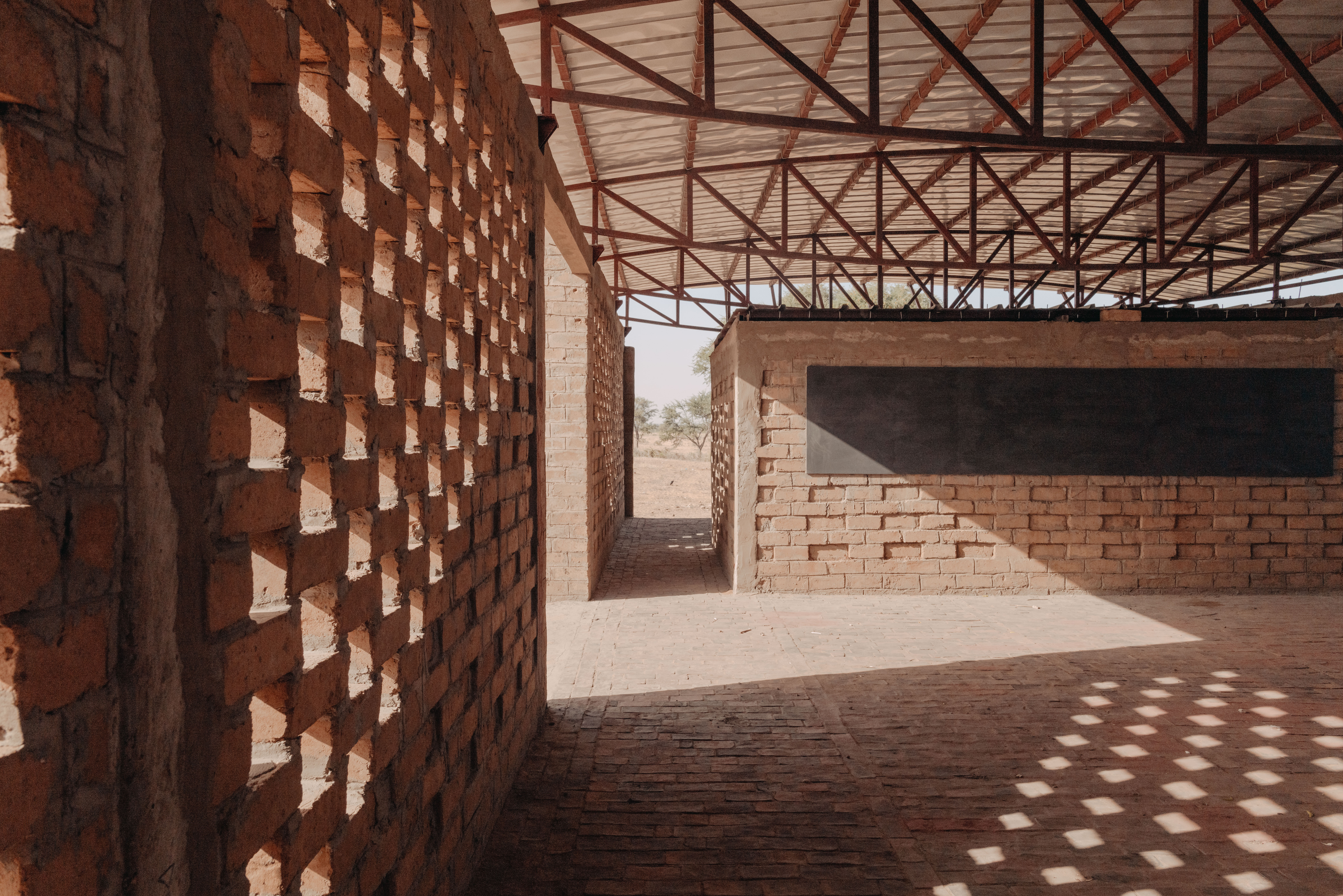

Perforated masonry walls form the building’s outer edge, allowing air and light to pass through while keeping the interior shielded from heat and dust. The openings cast soft, shifting patterns across the interior surfaces, making the space feel active without excess. Above, a broad cantilevered roof hovers over the structure, extending shade in all directions and protecting the brickwork below. The gap between the roof and the wall encourages natural ventilation, letting warm air escape as cooler air circulates through the perforations.
REZI HOTEL IN VLORE
By Davide Macullo Architects, Vlorë, Albania
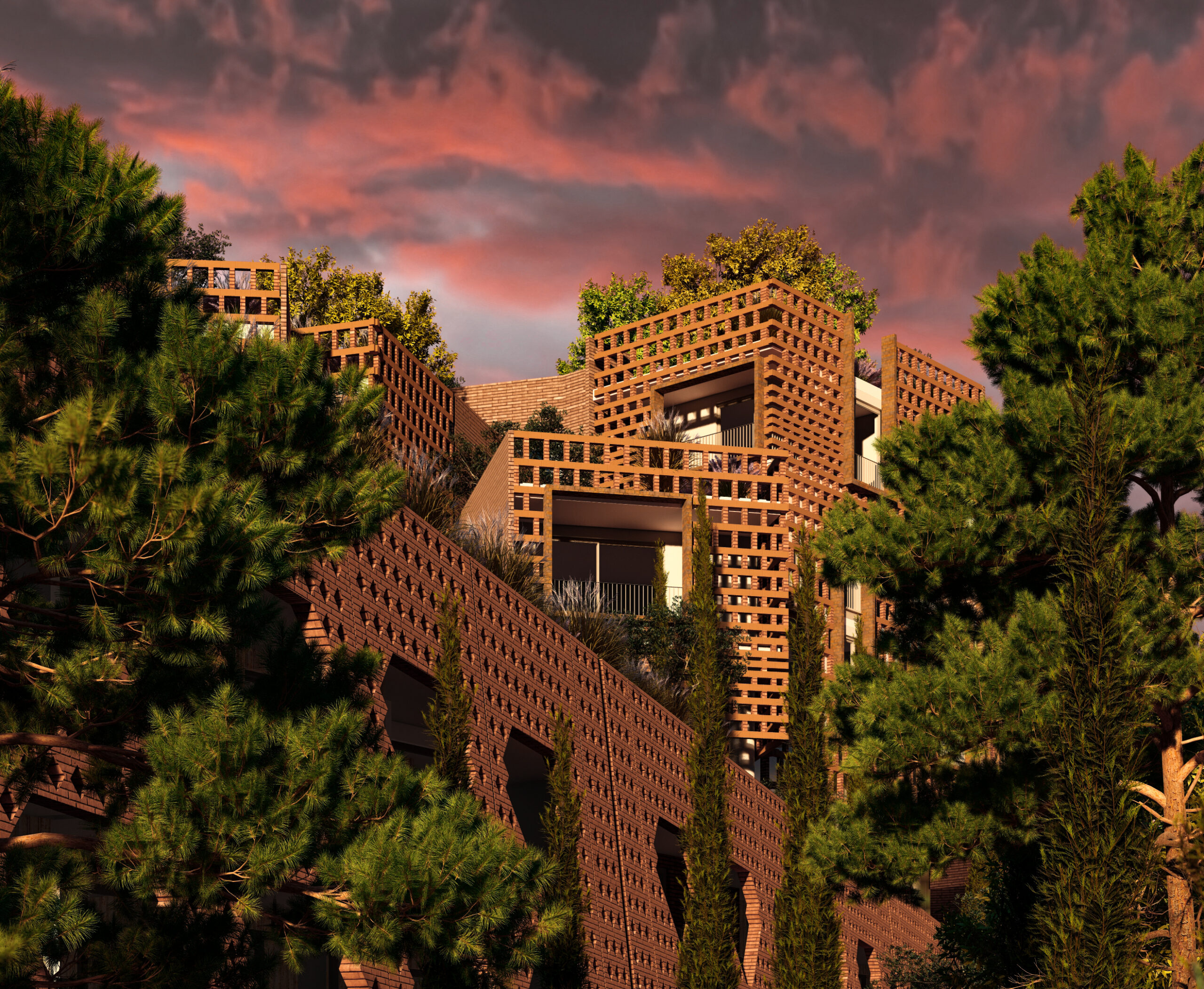
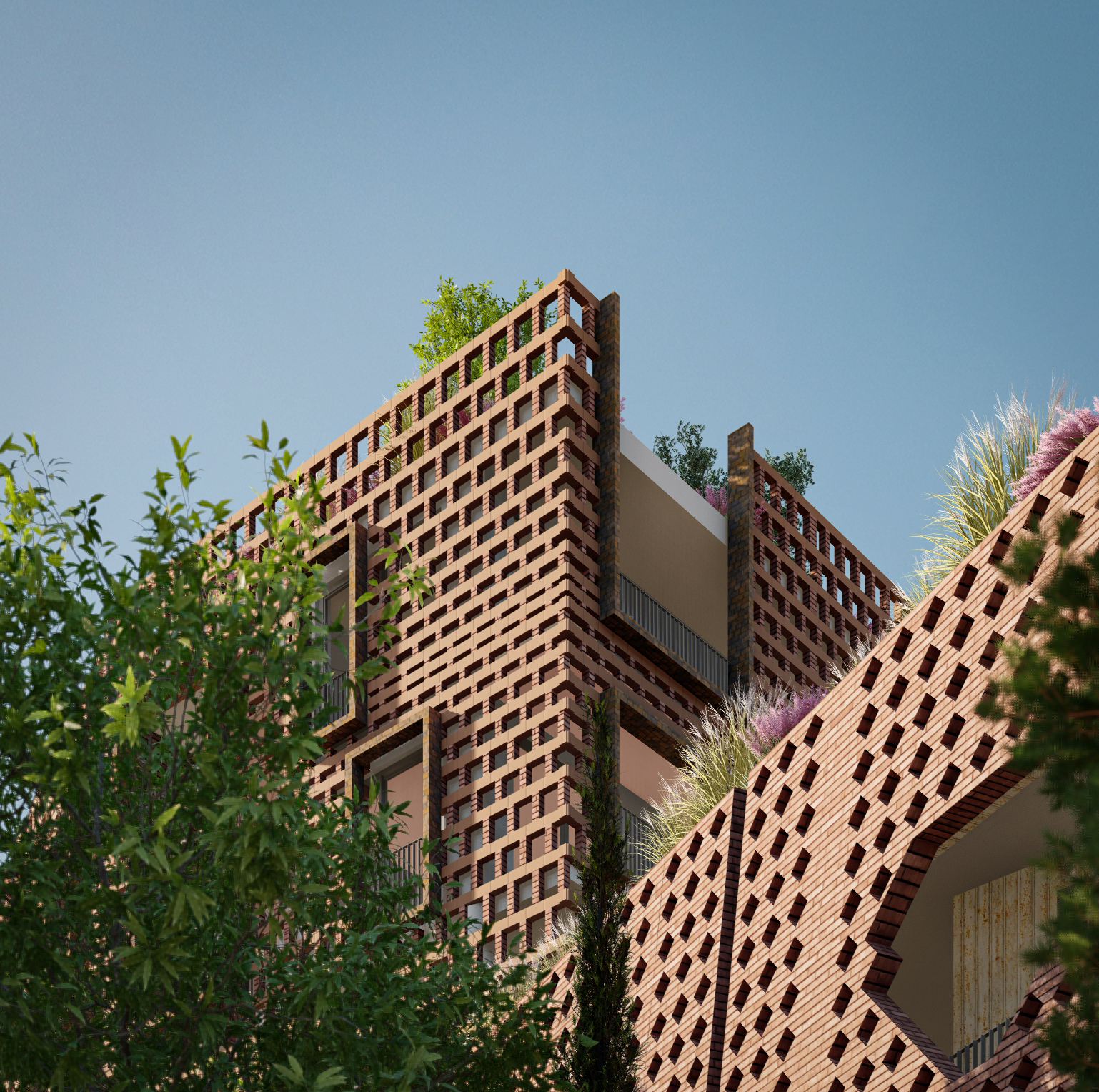


Perforated façade elements filter light and views, softening the boundary between interior and landscape while avoiding any sense of enclosure. These screens temper the coastal climate and create shifting patterns that change throughout the day, reinforcing a calm, contemplative atmosphere.
Nothing Design Co. Headquarters
By Range Design & Architecture, Chicago, Illinois
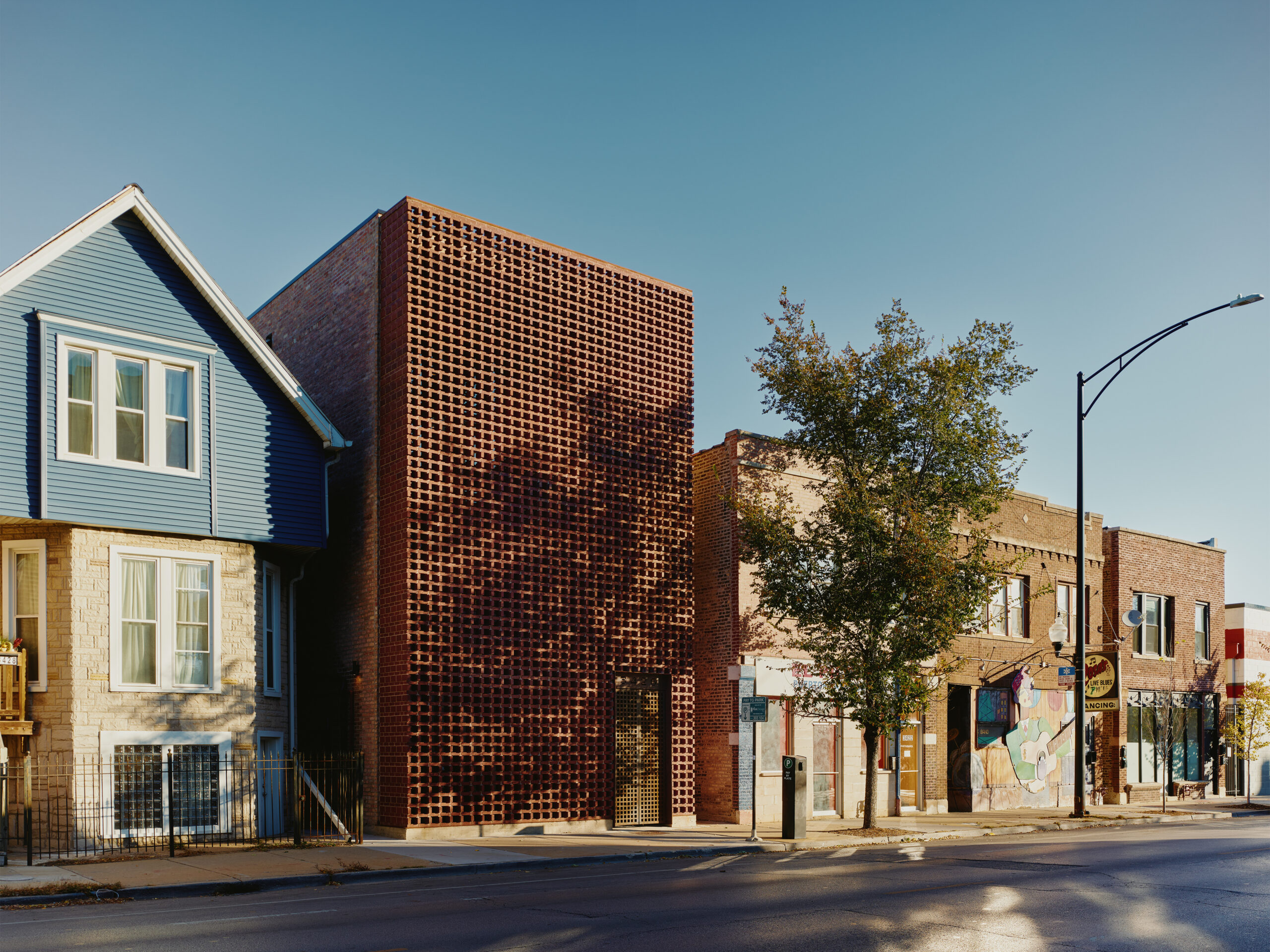


On the yard side, a similar screen in common brick defines a second-floor patio, extending the interior outward. Reclaimed and new brick anchor the building in place, using perforation not only to shape light and climate, but also to project a unique visual identity.
Ardete Headquarters
By Studio Ardete, Sahibzada Ajit Singh Nagar, India
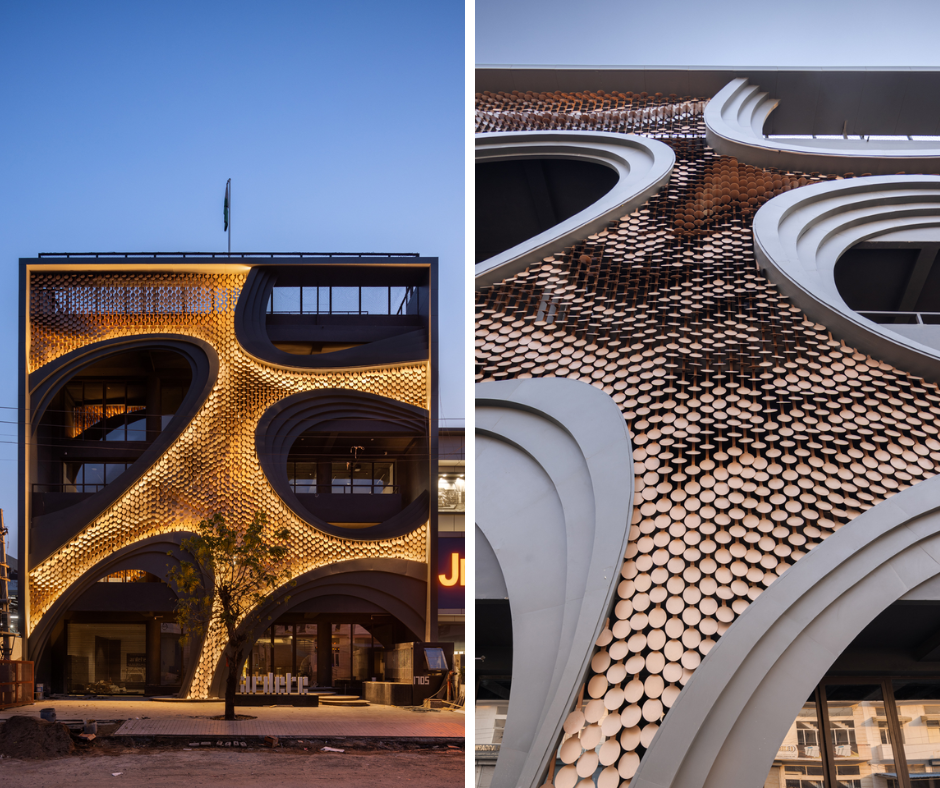
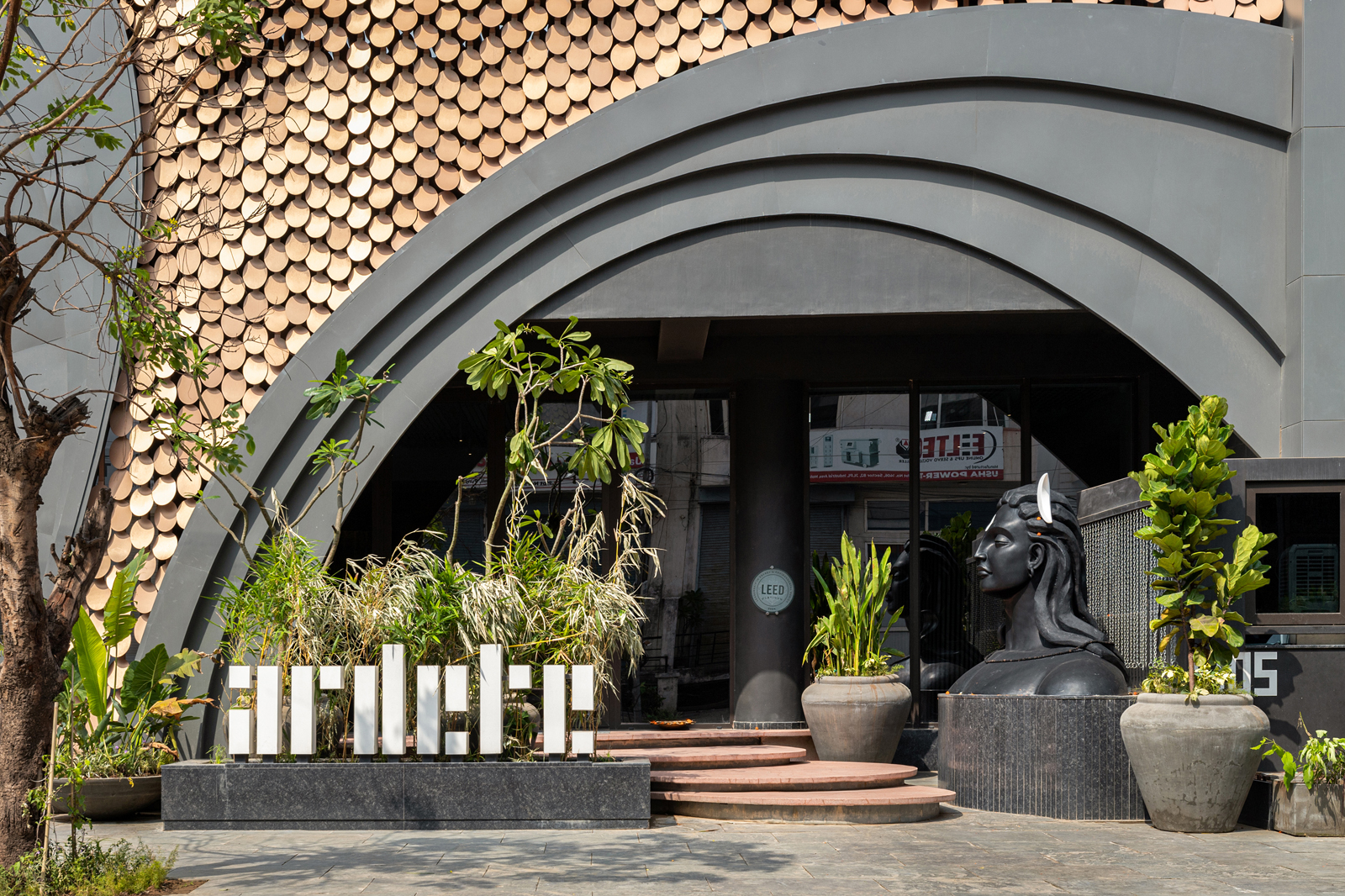

A key architectural gesture appears on the façade, where a perforated screen made from Meta Sequin coins draws inspiration from the movement of nearby tree leaves. Set at varied angles, the metal elements filter sunlight and soften glare while giving the building a sense of motion. The screen also supports thermal comfort, reducing heat gain throughout the day.
Lake House
By dayala e rafael arquitetos associados, Alexânia, Brazil

Evacuation staircase in the Teresianas Ganduxer protected site
By PichArchitects, Barcelona, Spain
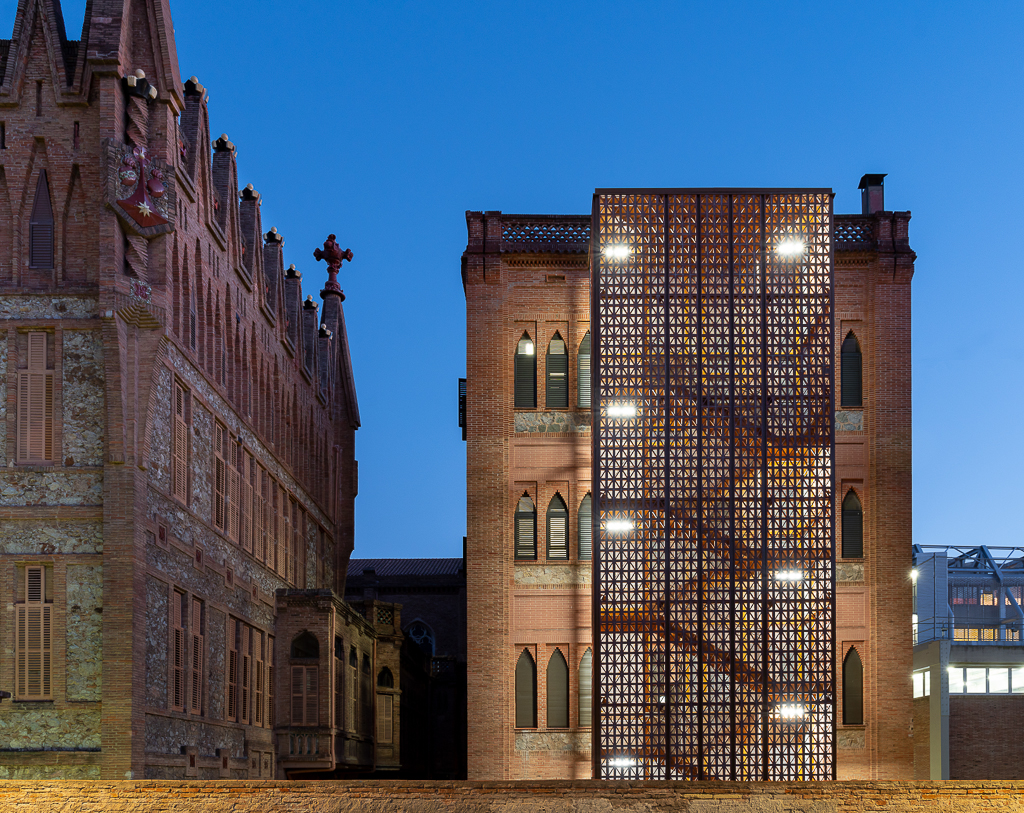

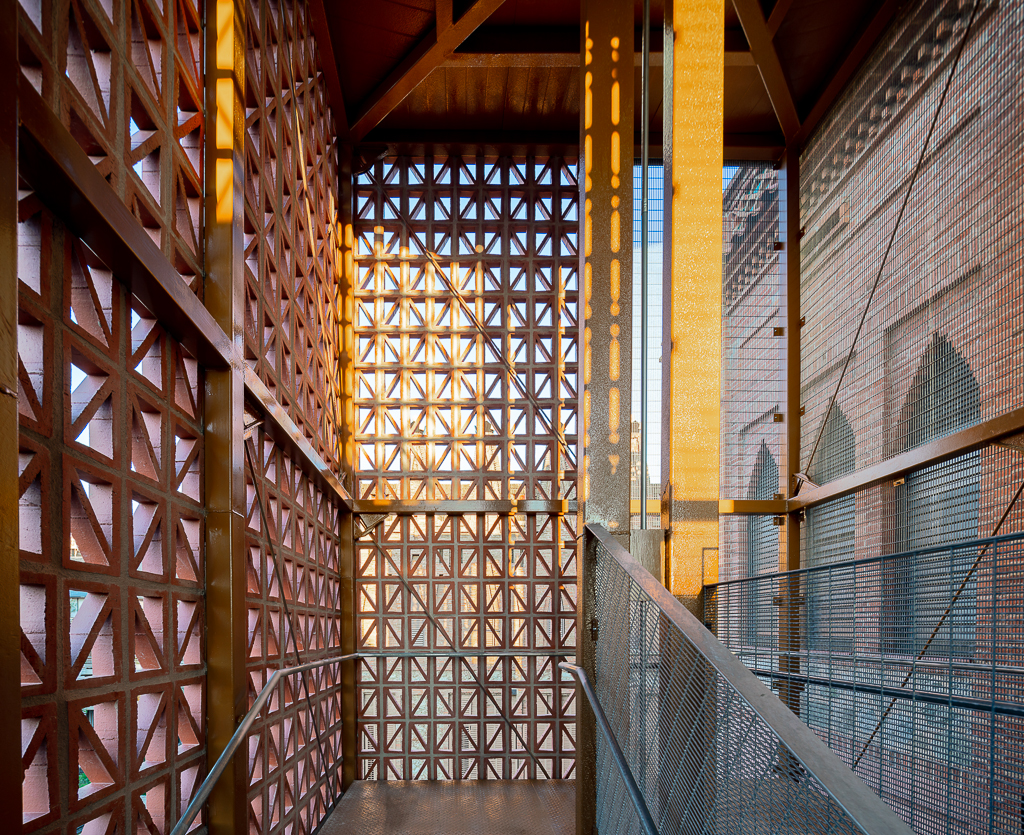

Placed on the exterior of the Santa Teresa Pavilion, it follows the existing façade rhythm and connects naturally to an internal corridor. A ceramic lattice wraps the stair, its perforations allowing the original building to remain visible behind it. Light and shadow animate the enclosure throughout the day, making the staircase feel considered rather than secondary, while quietly meeting safety needs and restoring value to a neglected corner of the site.
Architects: Want to have your project featured? Showcase your work by uploading projects to Architizer and sign up for our inspirational newsletters.