The judging process for Architizer's 14th A+Awards is now underway. Subscribe to our Awards Newsletter to receive updates about Public Voting, and stay tuned — winners will be announced later this spring.
When it comes to form and function, which one comes first depends on who you ask. Some architects start with use and let geometry follow, while others begin with a form so strong it shapes everything that comes after.
But regardless of where the process begins, certain geometries leave a lasting mark. The play between mass and void, proportion and weight, structure and light defines how a building feels and how we respond to it. Among them, a few gestures stand out quite like stacking distinctive volumes. There’s something inherently satisfying about the order, balance and rhythm of one space carrying another in unexpected ways (or maybe we just never really outgrow our Lego-phase experiments and love to witness them come to life).
From villas and hotels to offices and museums, this collection highlights seven projects that use stacked geometry not just as a design move, but as a way to express character and connection.
NOT A HOTEL FUKUOKA
By axonometric, Fukuoka, Japan
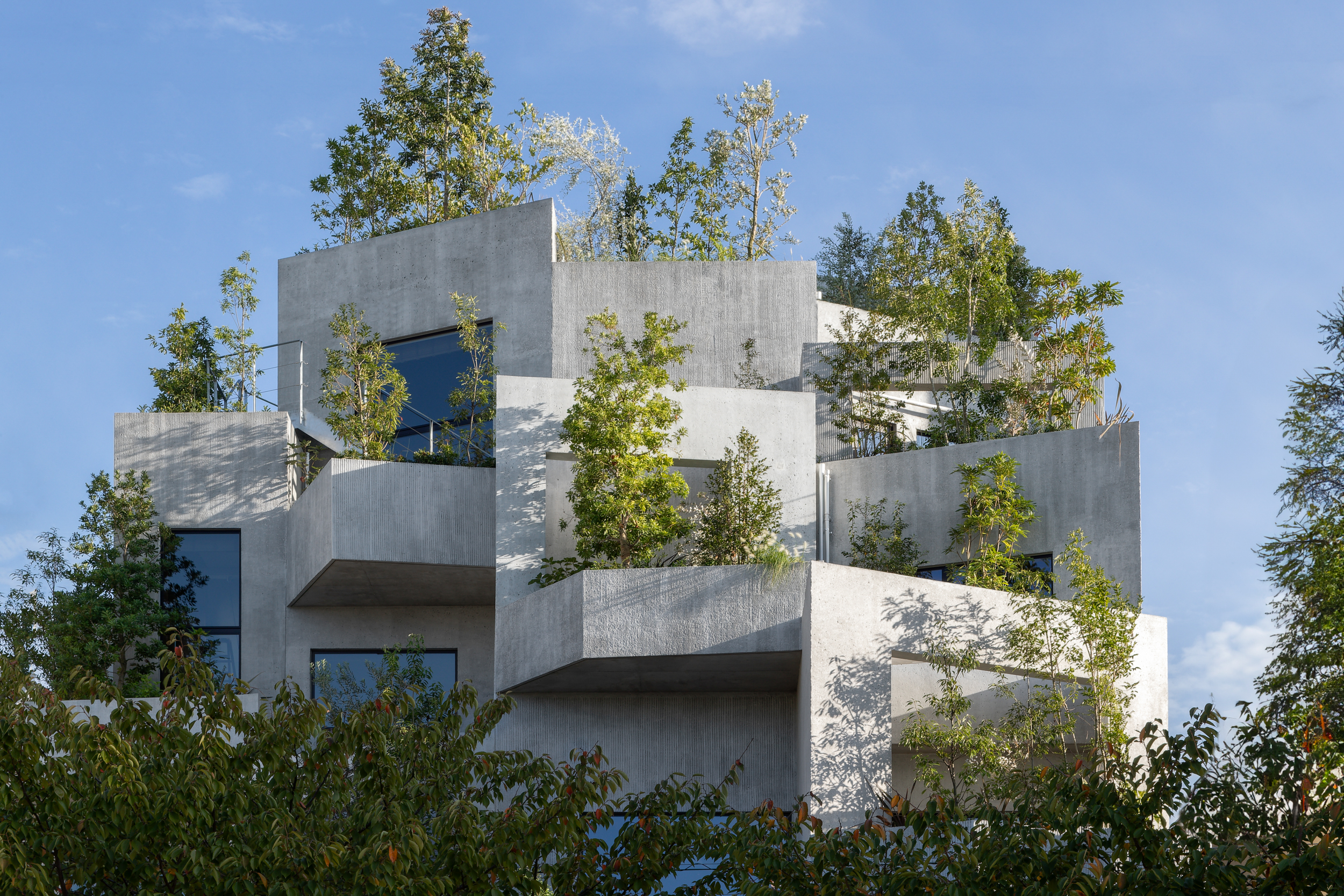
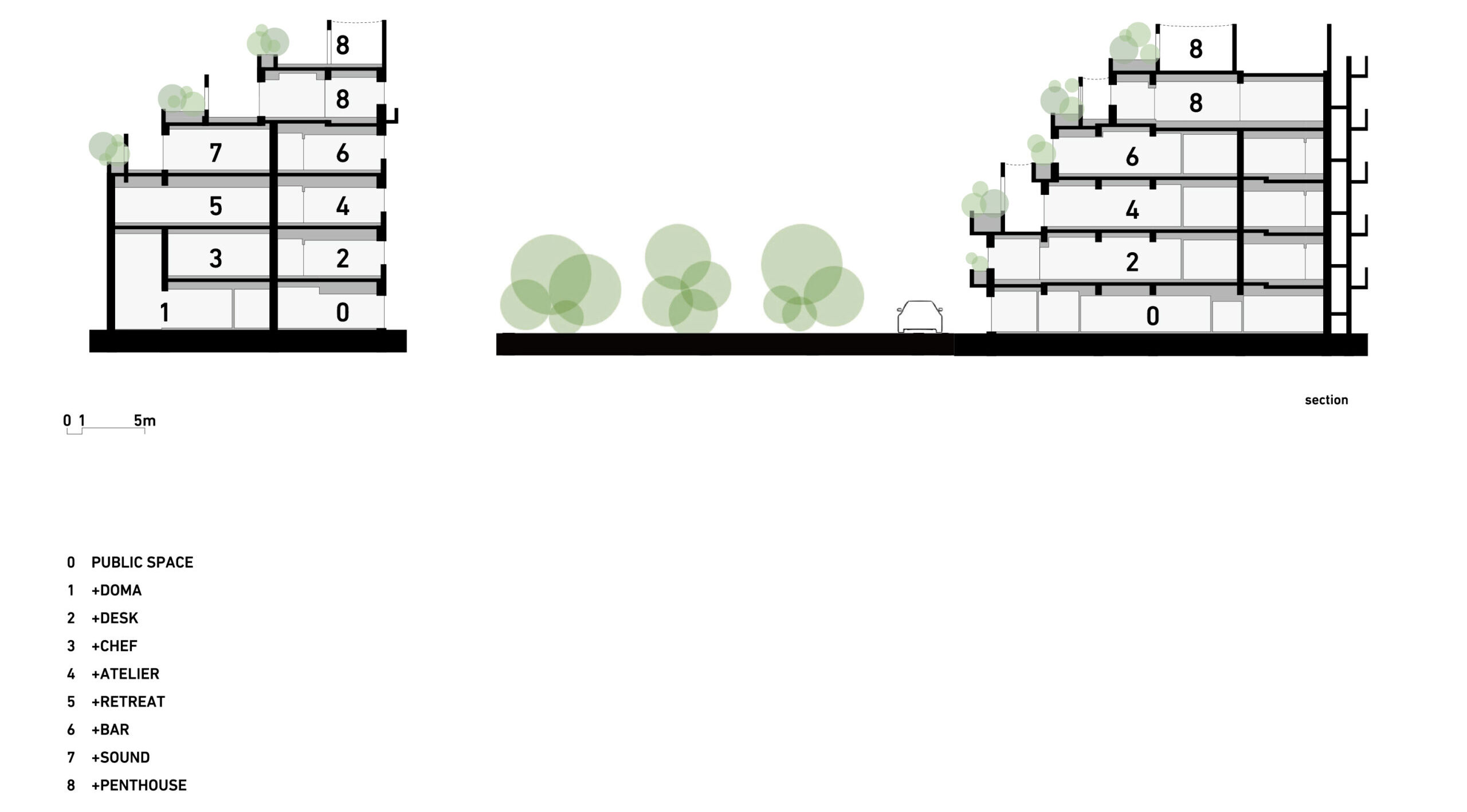
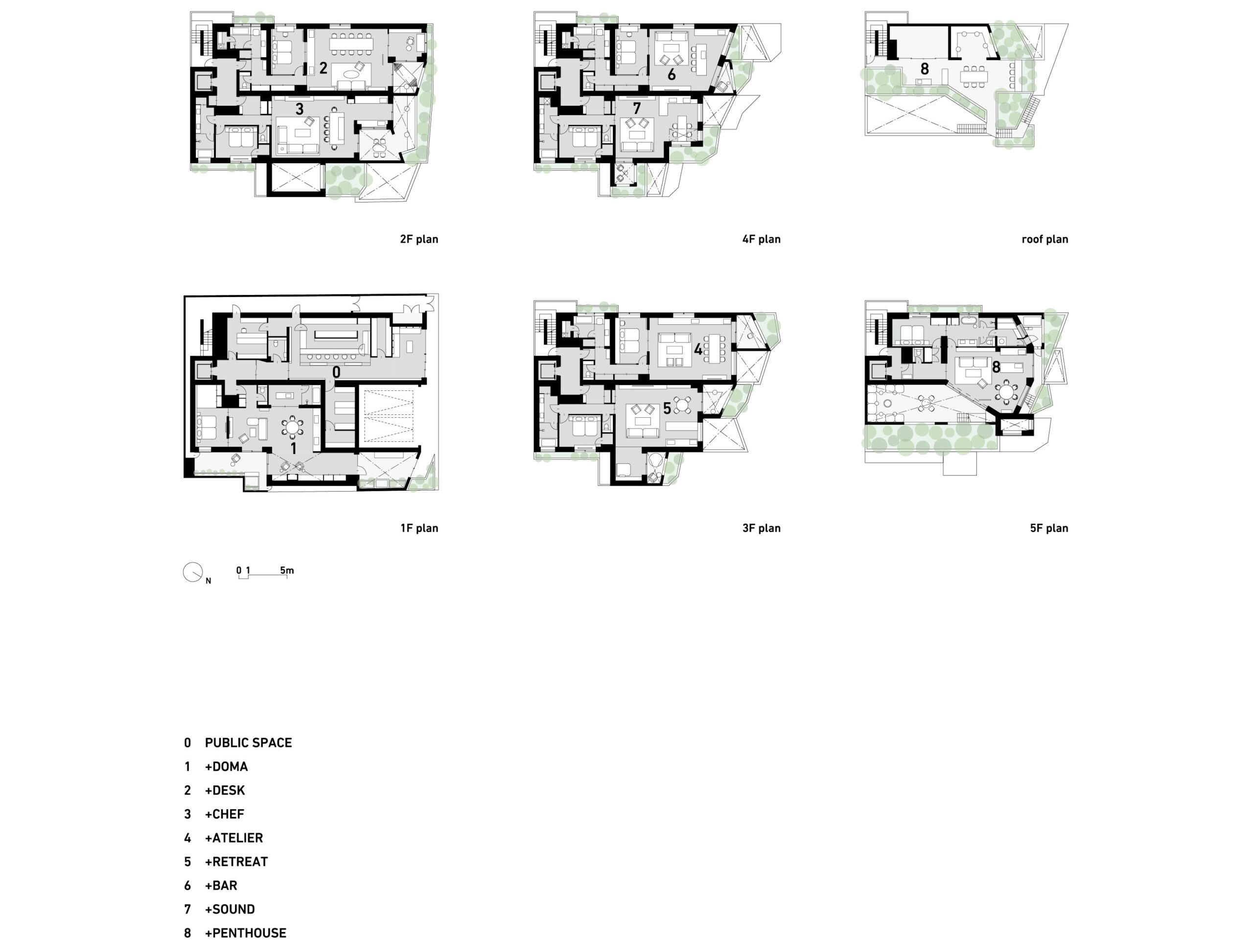


The stepped geometry softens the building’s scale and aligns it with the surrounding low-rise homes and park. Inside, the variety of room layouts supports a lifestyle that shifts between home, travel and work. The result is architecture that feels both urban and domestic, compact yet deeply connected to its setting.
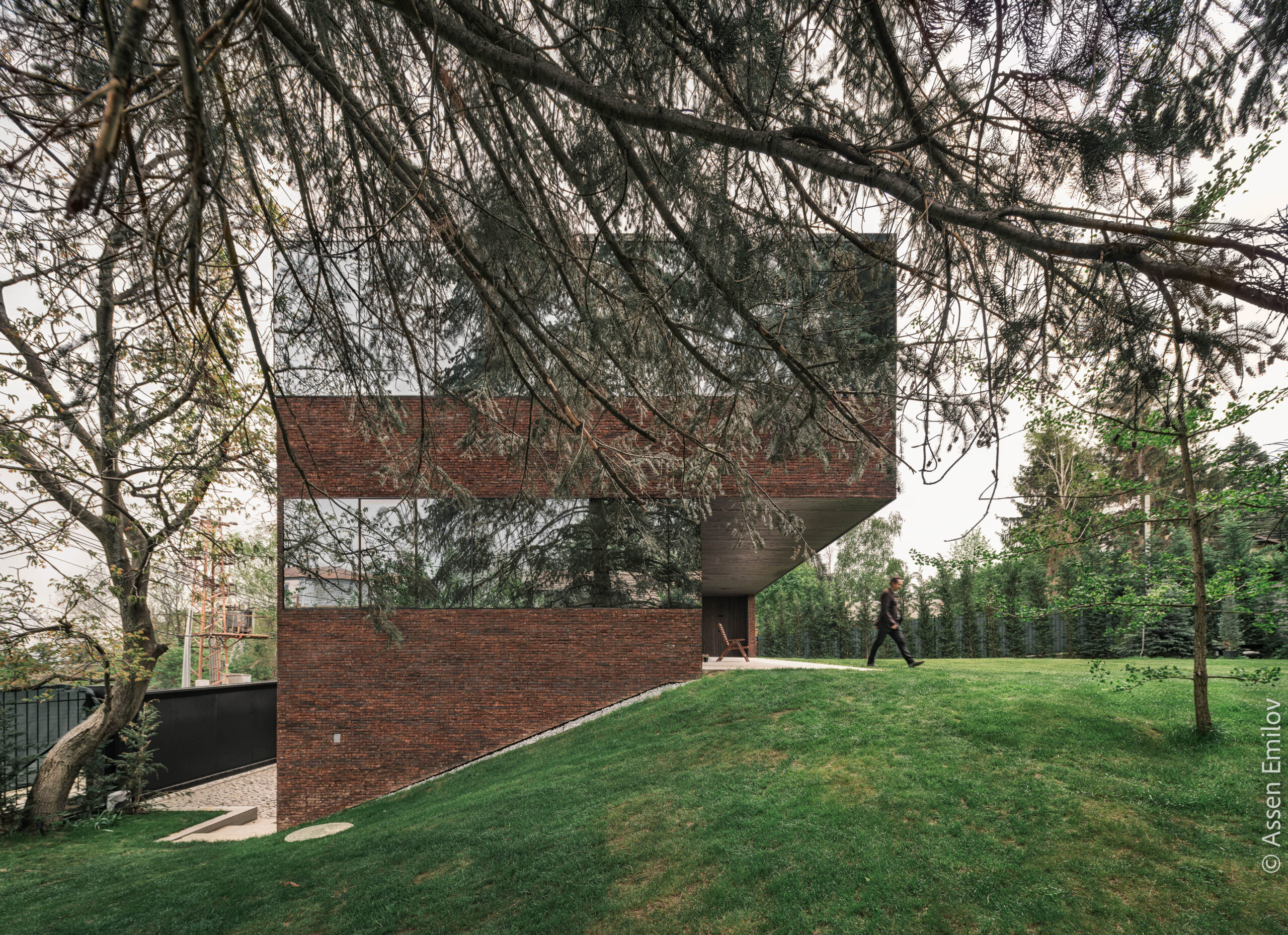
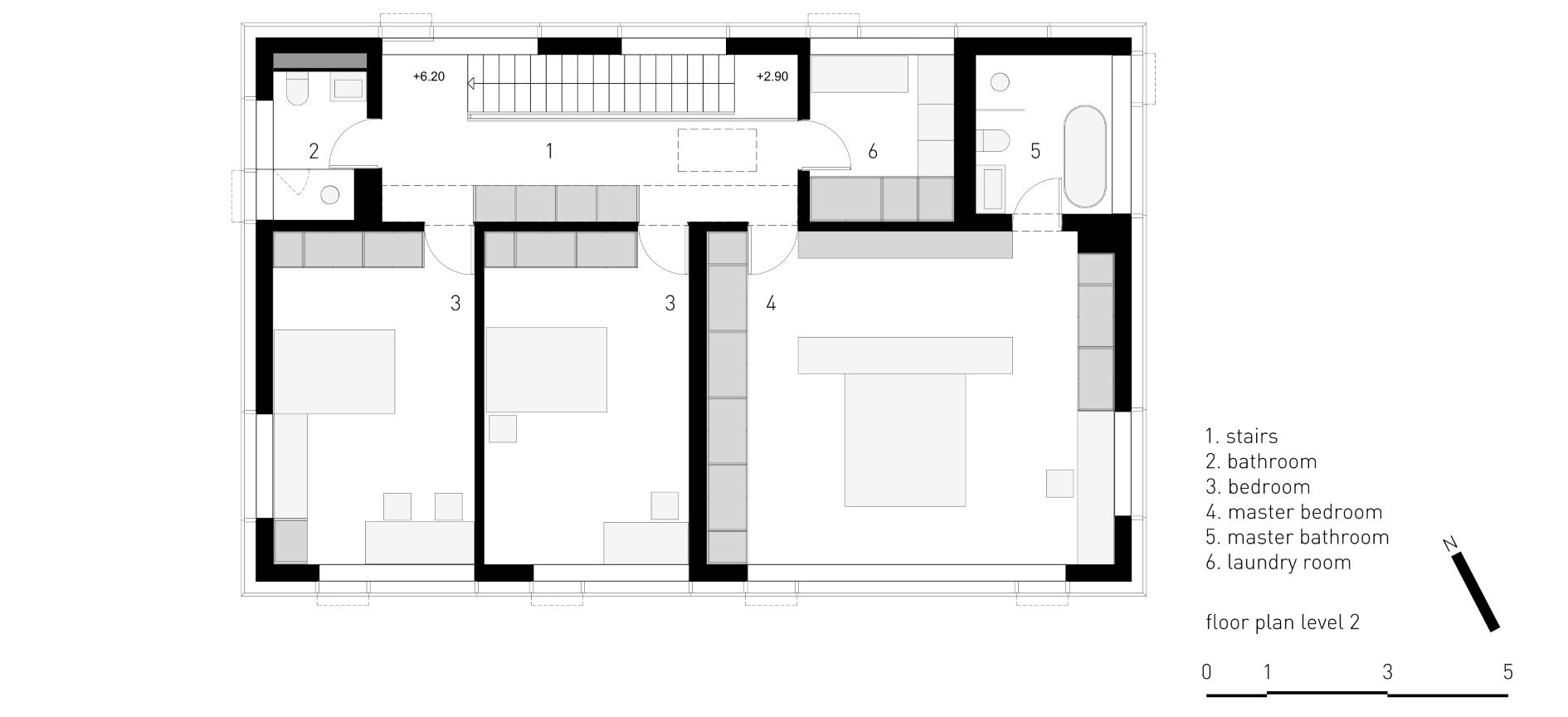
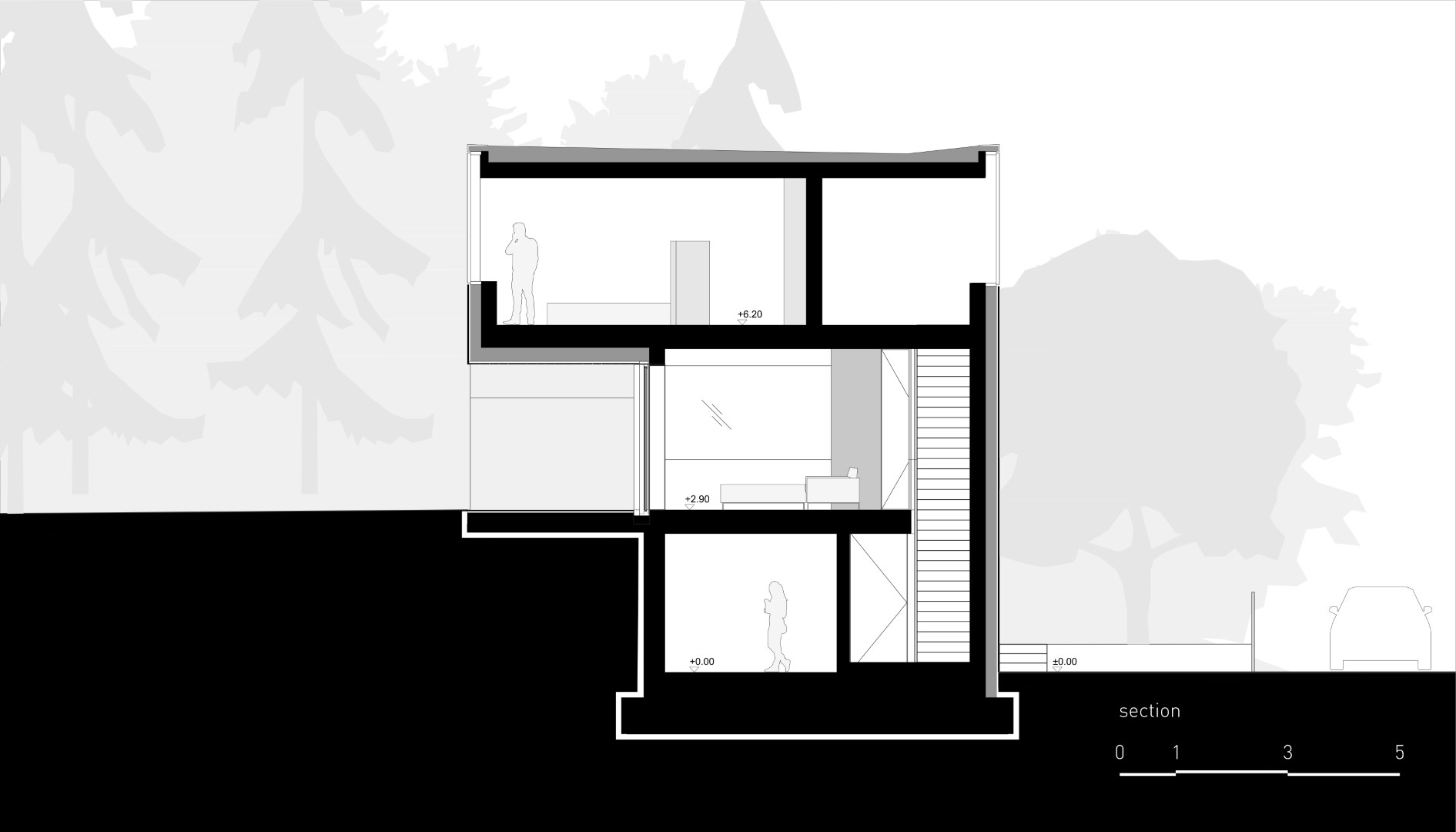
Apple Garden House
By I/O architects, Sofia, Bulgaria


Kimpton Huangshan
By line+ studio, Huangshan City, China
Jury Choice Winner, 13th Annual A+Awards, Unbuilt Hospitality
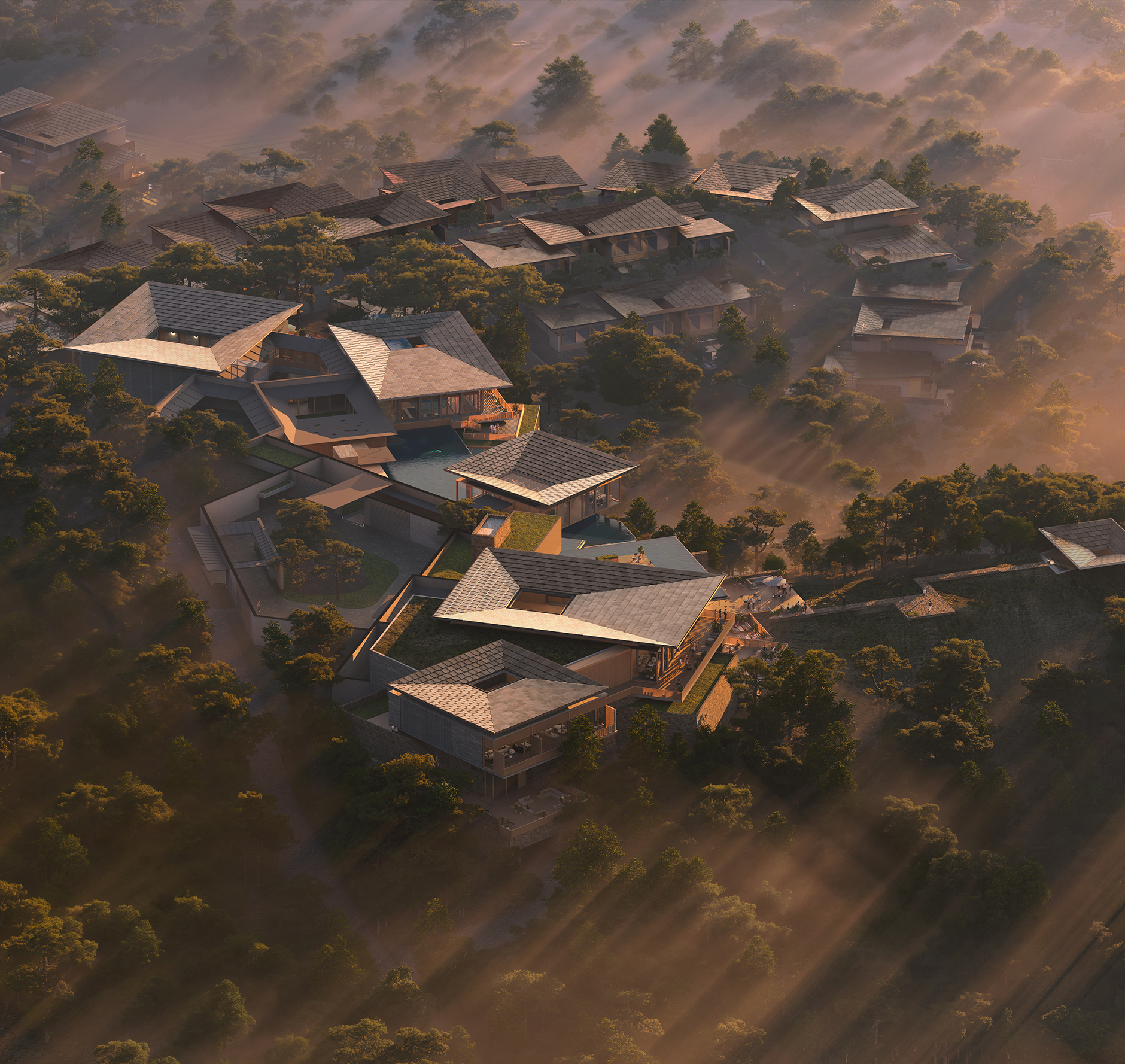
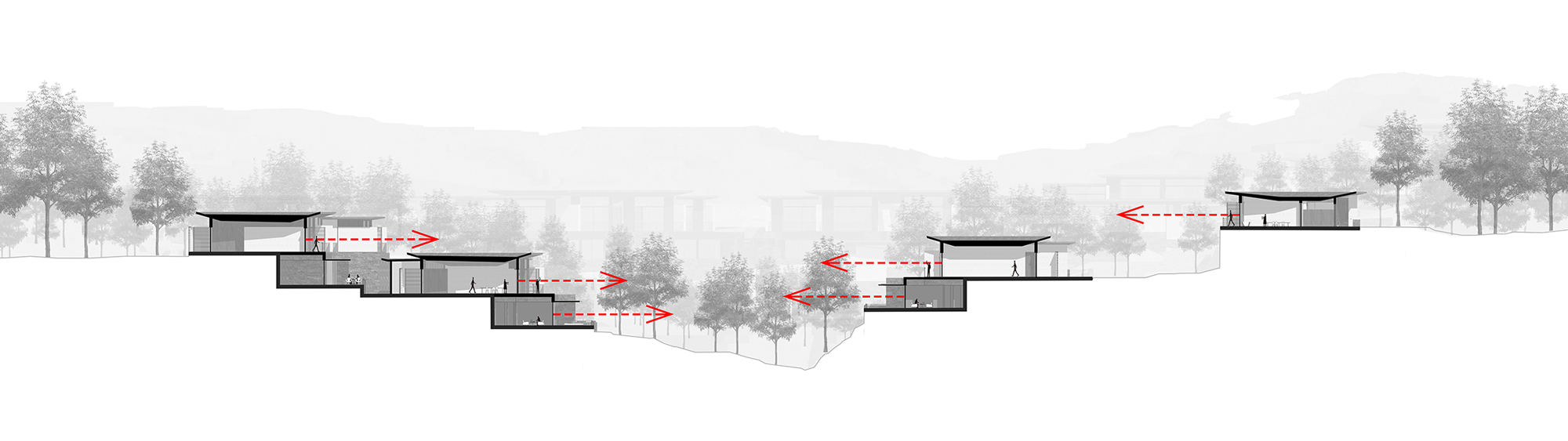
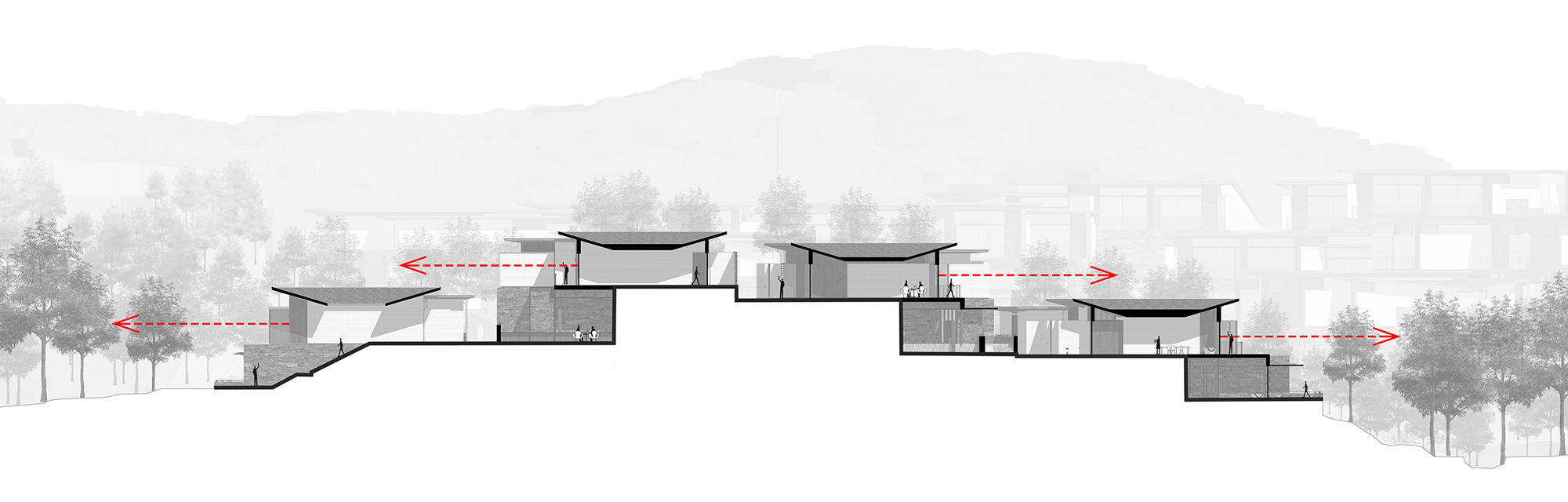


Public spaces extend along the upper ridge, opening to distant mountain views, while the guest room clusters descend in quieter tiers. The stacked geometry creates a dialogue between openness and enclosure, turning the terrain into a spatial framework. Through its restrained materials and measured form, the project translates regional character into a contemporary architectural language.
Shunde Yunlu Wetland Museum
By Studio Link-Arc, Guangdong Province, China
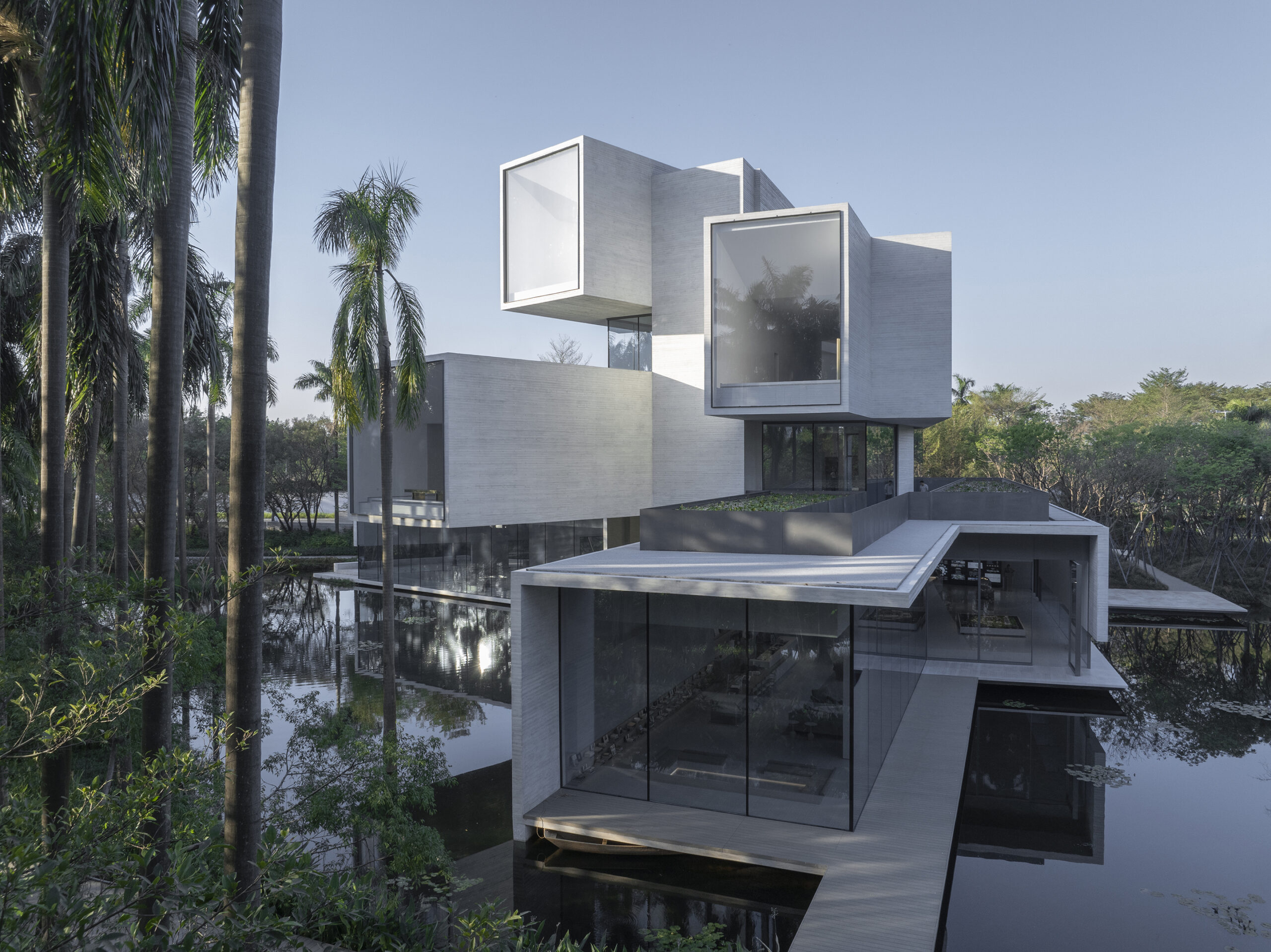

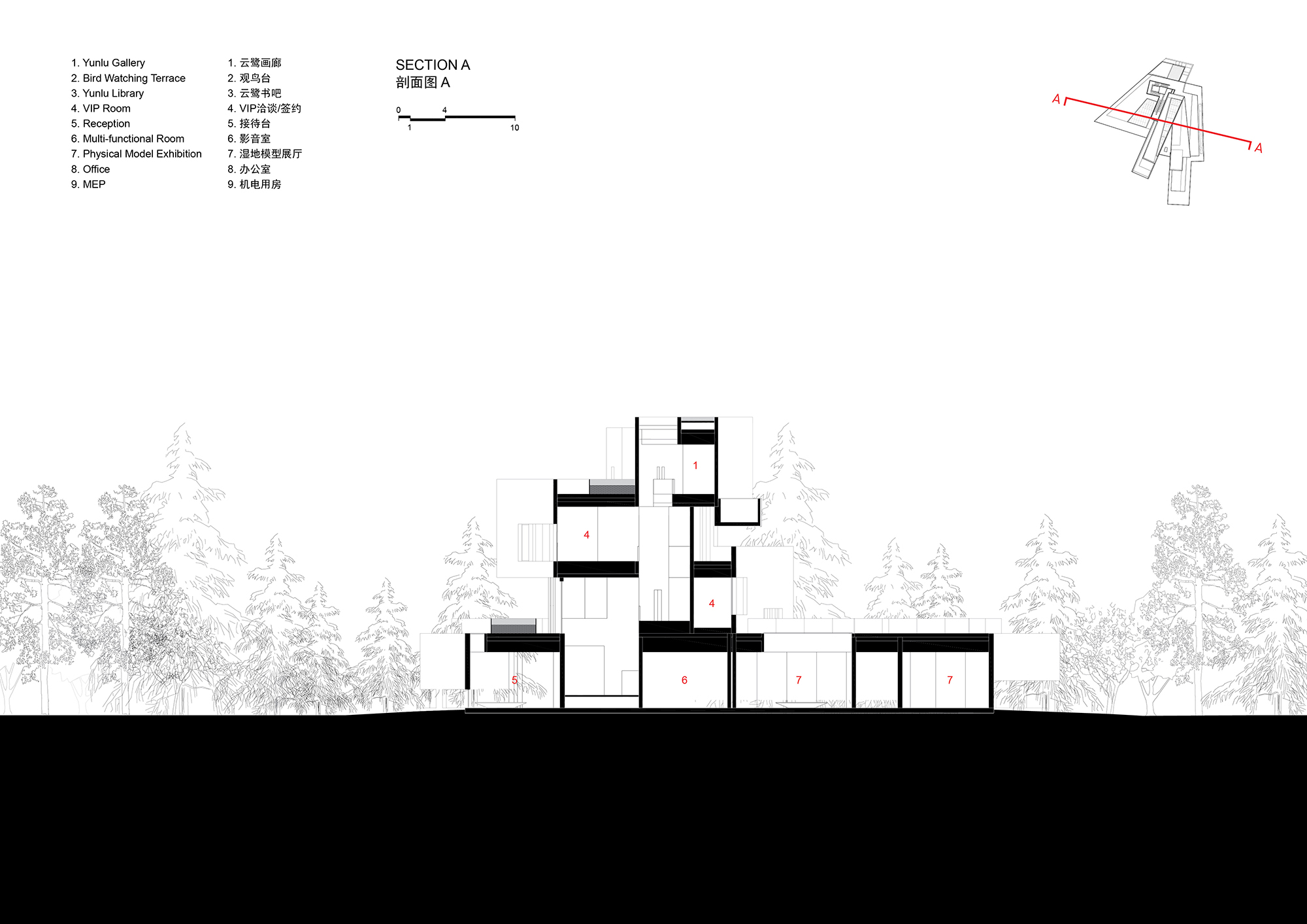
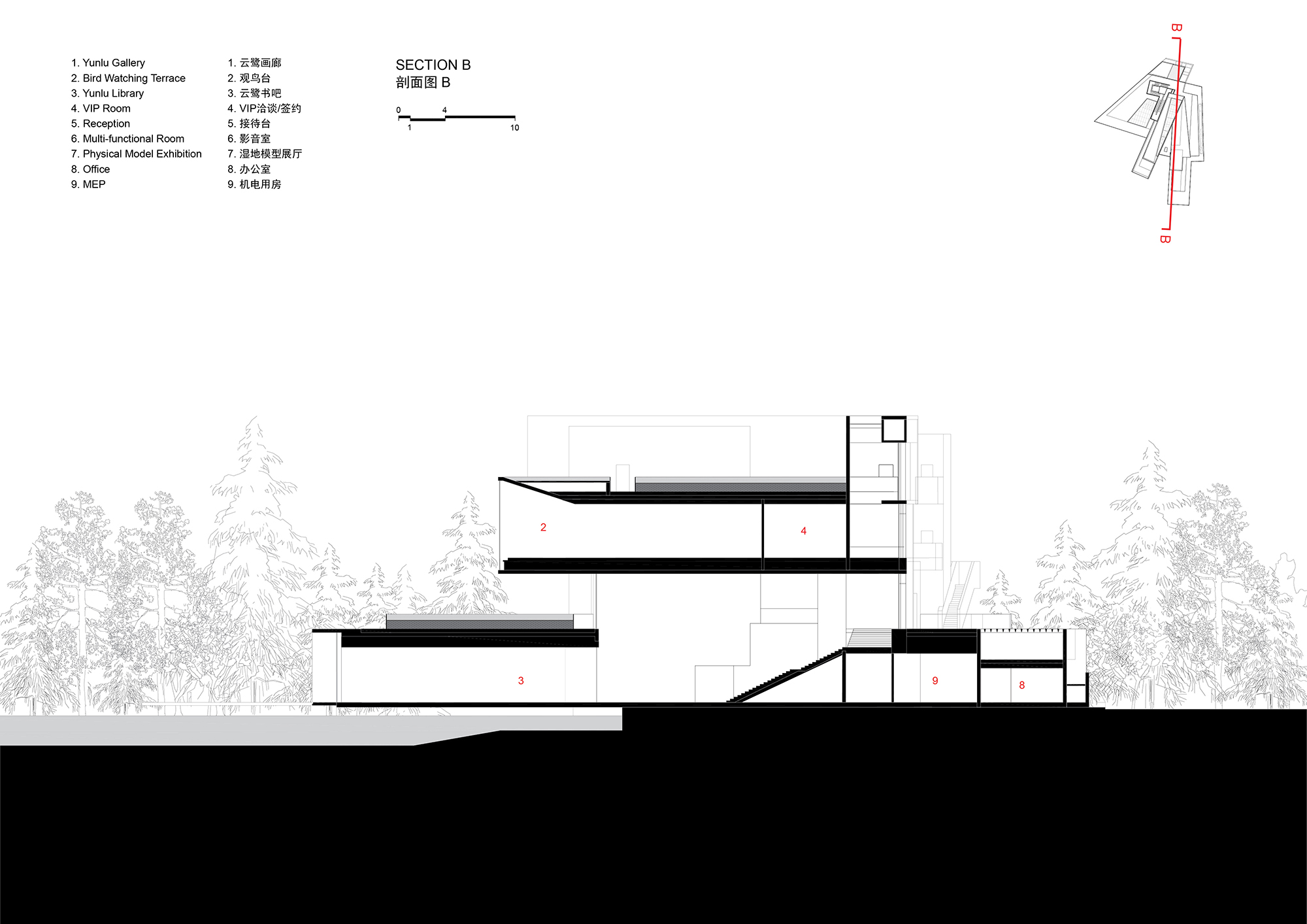
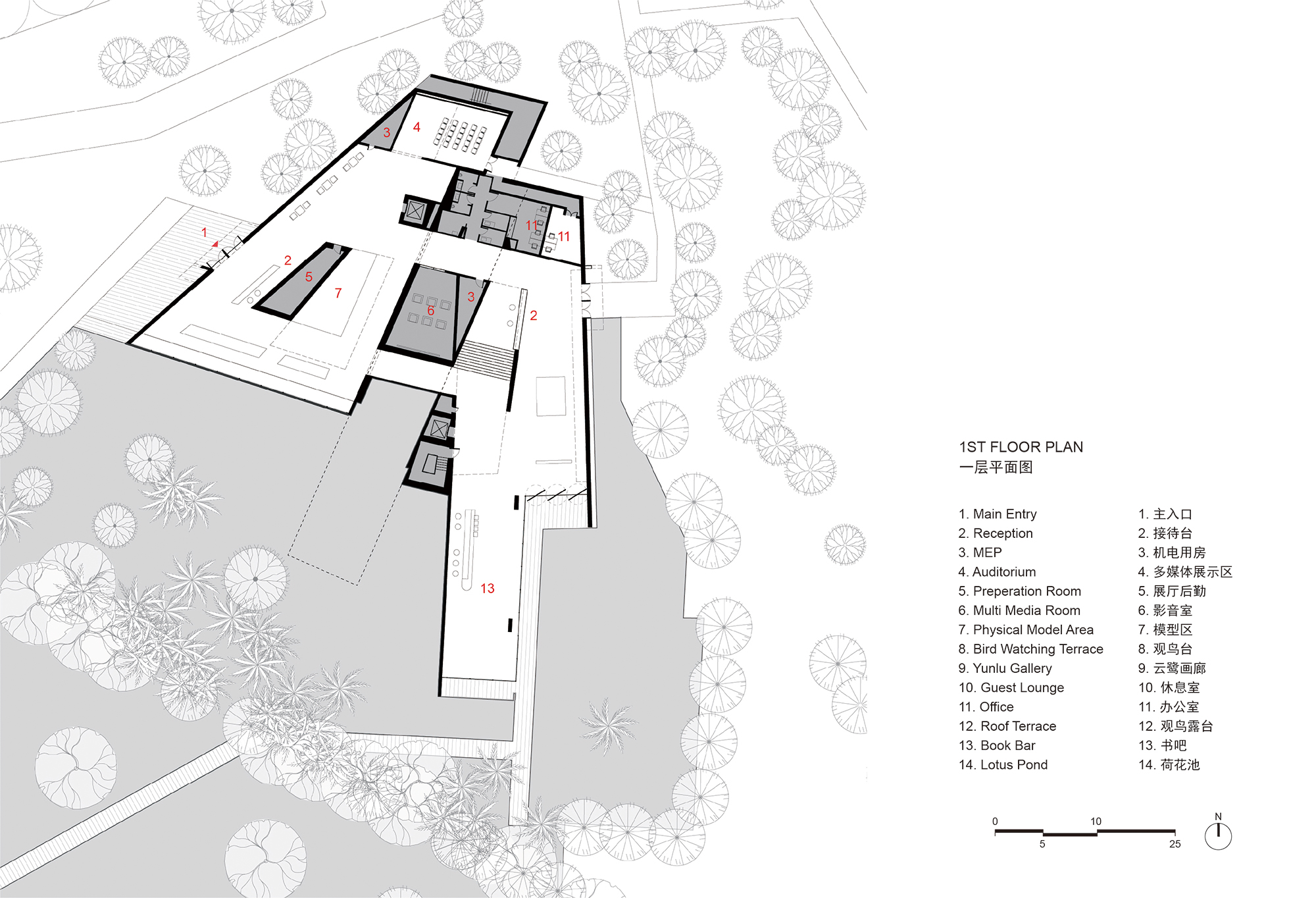


A triangular atrium connects the four floors, allowing light and sightlines to intersect through the stacked forms. The concrete walls retain the grain of pine molds, giving the surface a soft, natural texture. Conceived with minimal impact on its setting, the structure feels embedded within the forest, offering a layered experience of space, ecology and light.
Luxelakes Floating Headquarters Office
By Vector Architects shot by Deed Studio-UAE, Chengdu, China
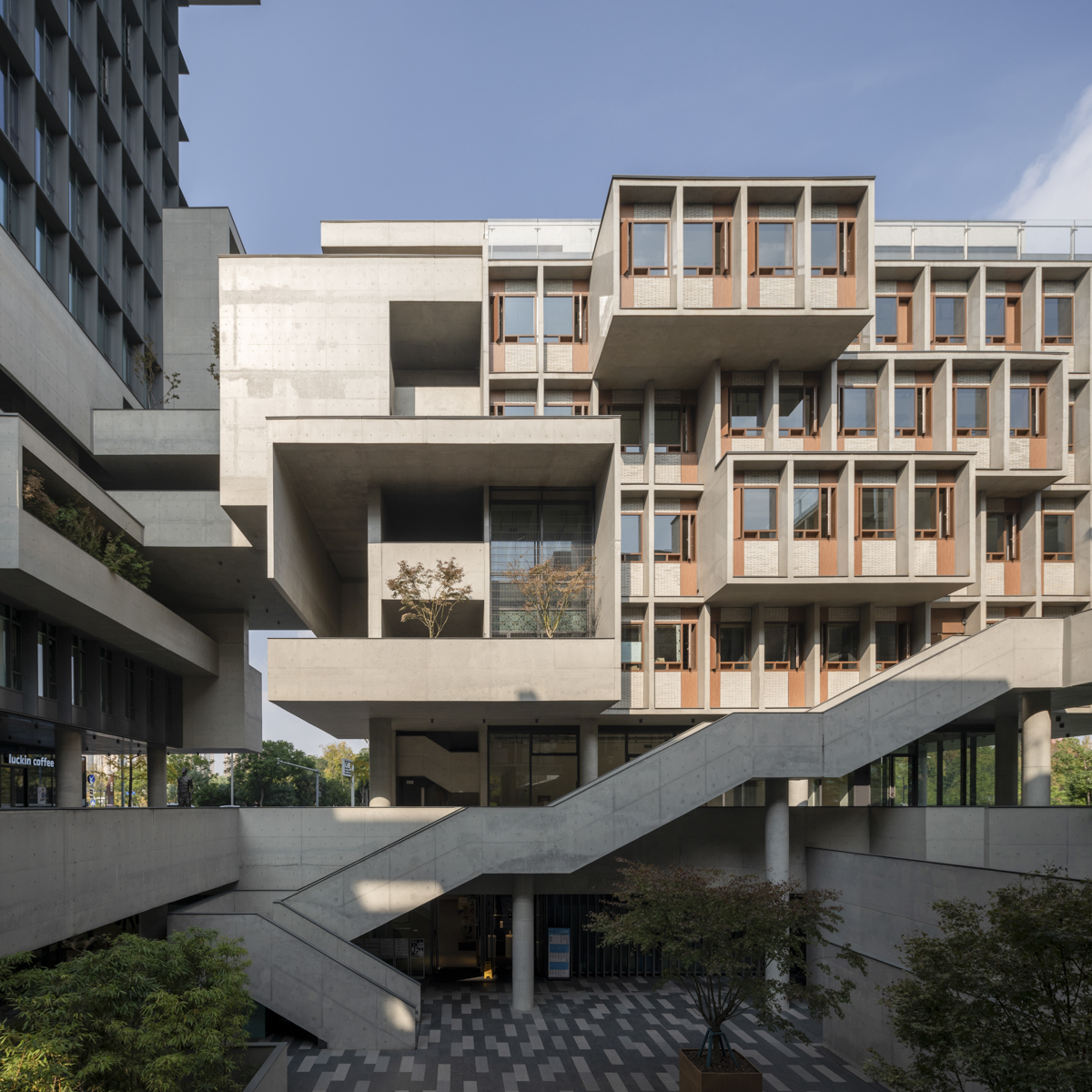
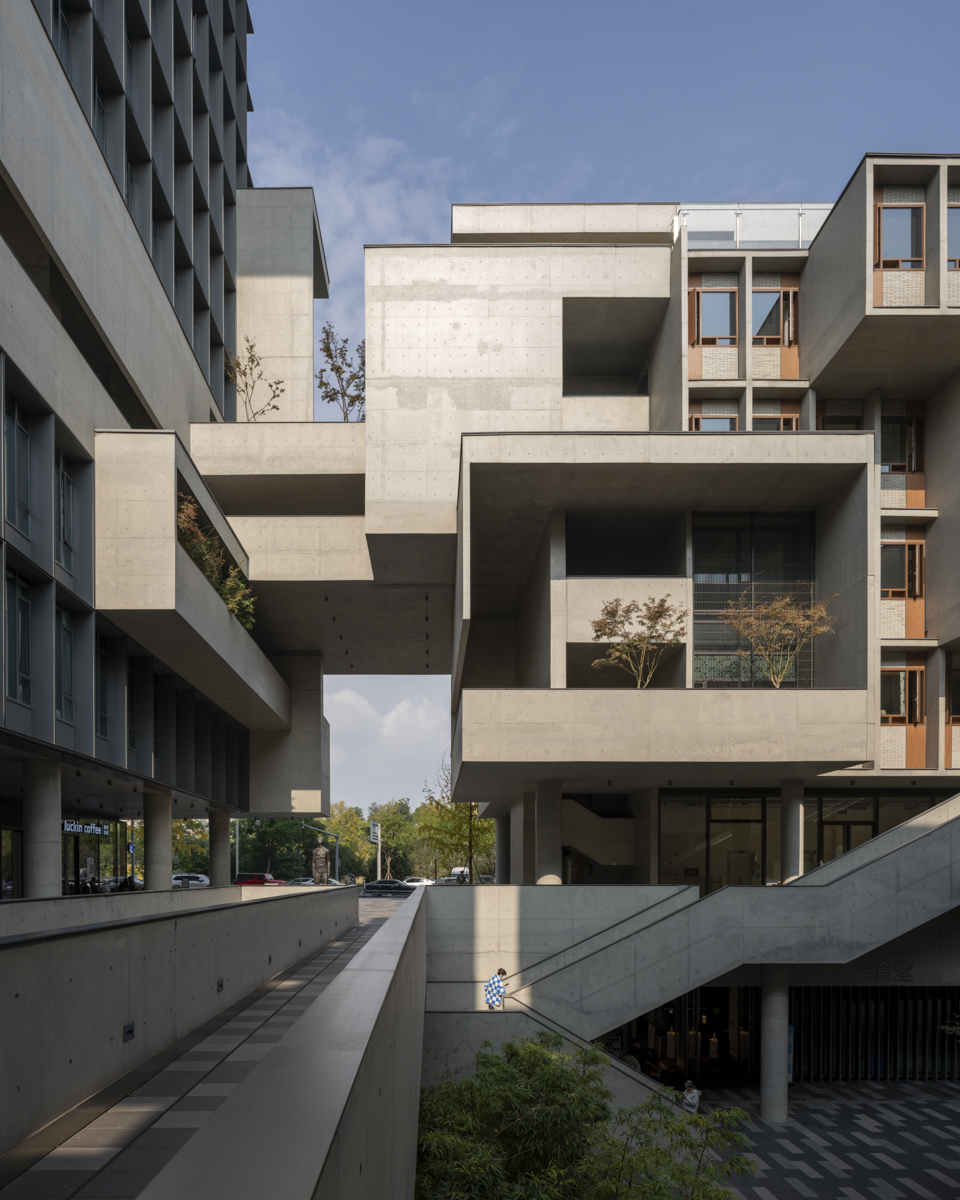
Eleven offset office volumes rise above a lakeside site, forming courtyards and open passages that weave nature through the complex. The buildings are lifted on slender supports, creating shaded public areas and reflecting pools below. This stacked composition produces a sense of lightness, as if the structures hover over water and terrain.


Each courtyard has its own material character, from wood-clad façades wrapped in greenery to translucent glass brick walls that filter daylight. Vertical pockets of planting climb between the towers, connecting terraces and stairways in a continuous ascent. The geometry organizes the project into a layered system of spaces where work, landscape and movement coexist in measured balance.
Unstack House
By `FreelandBuckLos Angeles, CA, United States
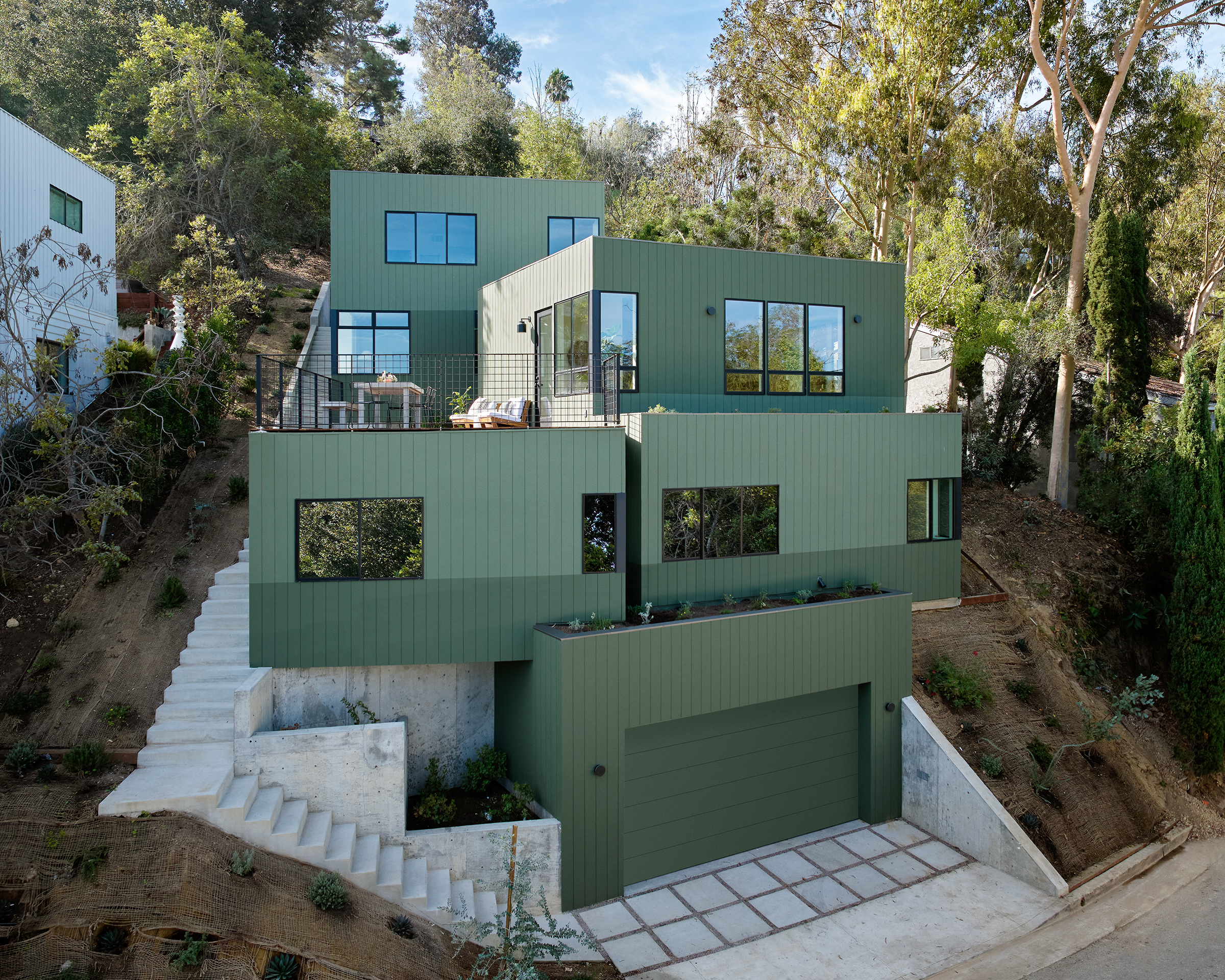

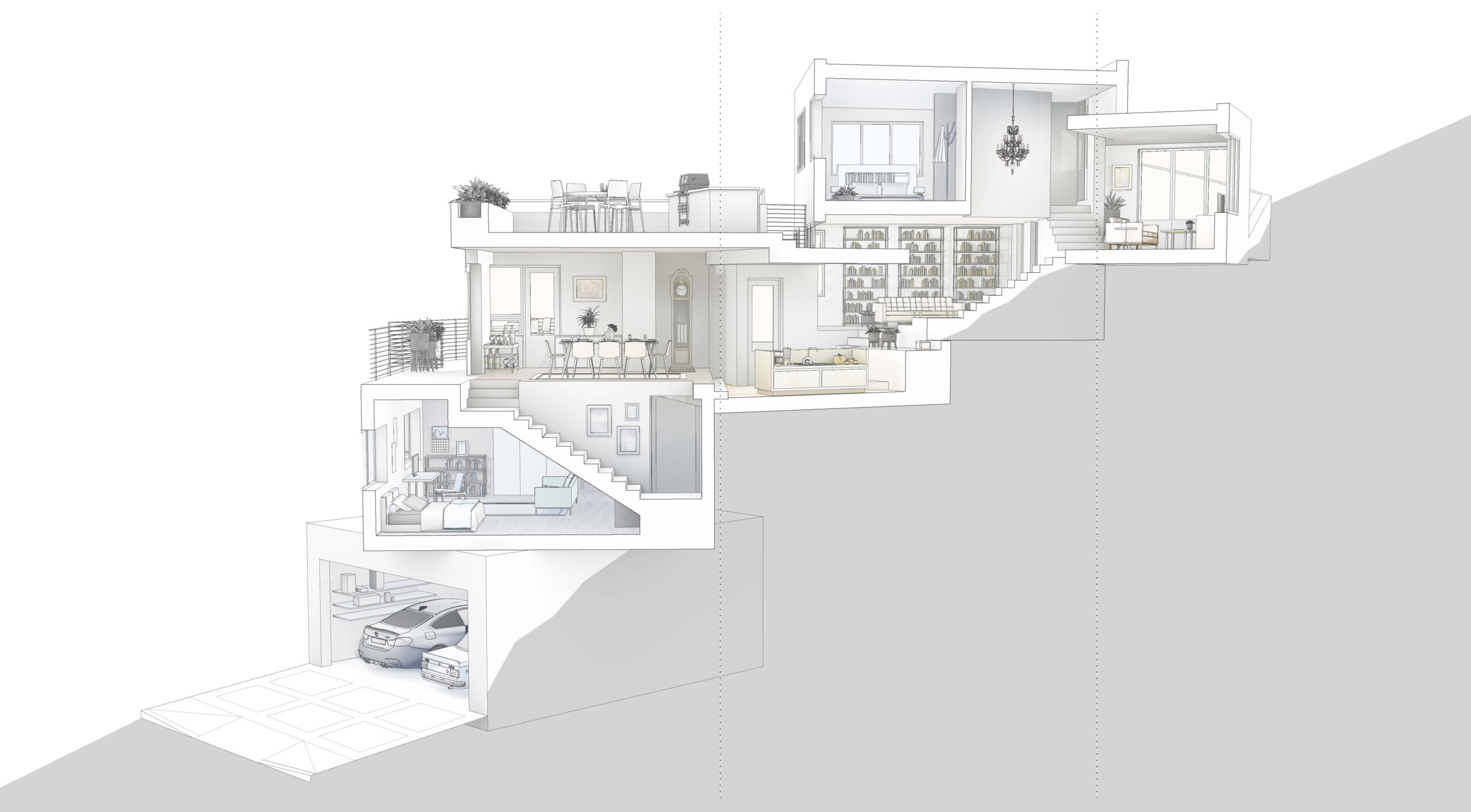
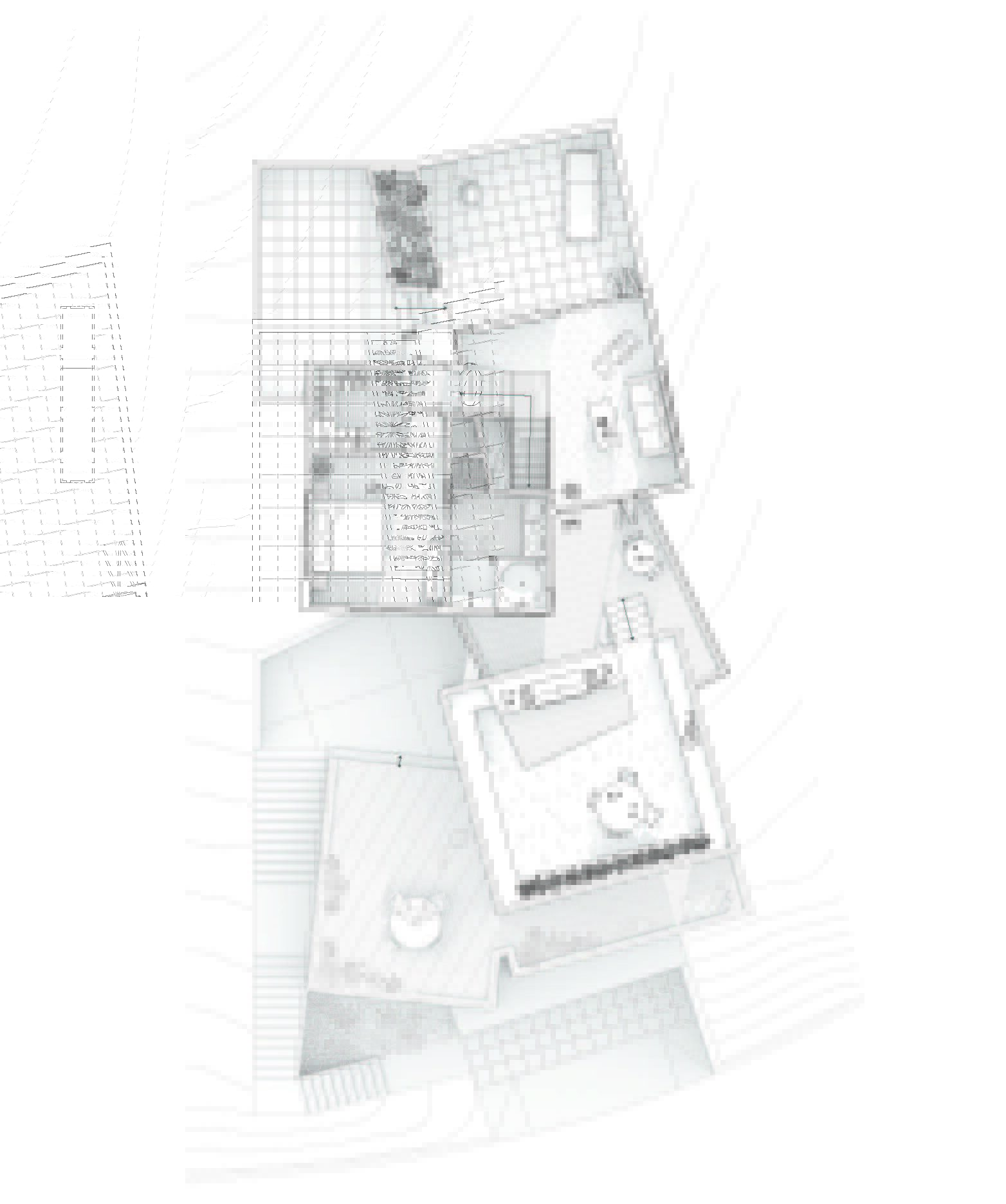


Inside, spaces flow through overlapping thresholds where programs intersect, offering flexibility in how rooms are used. The middle entry level connects private and shared zones, emphasizing openness while maintaining separation. Embedded into the slope rather than perched on it, the house frames views of the San Gabriel Mountains while maintaining a close relationship to the ground.
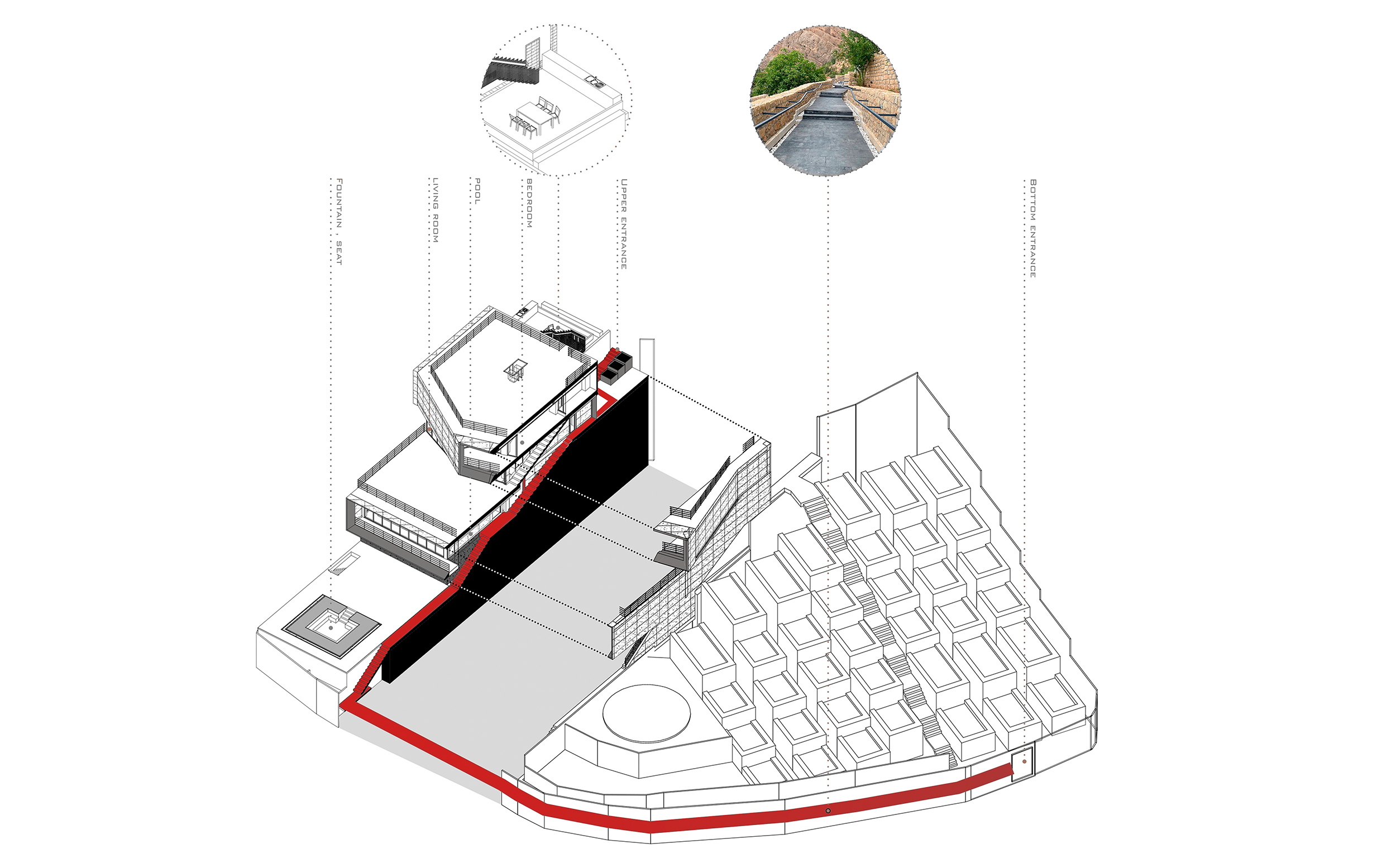
Villa Alley
By DALL OFFICE, Ghalat, Iran
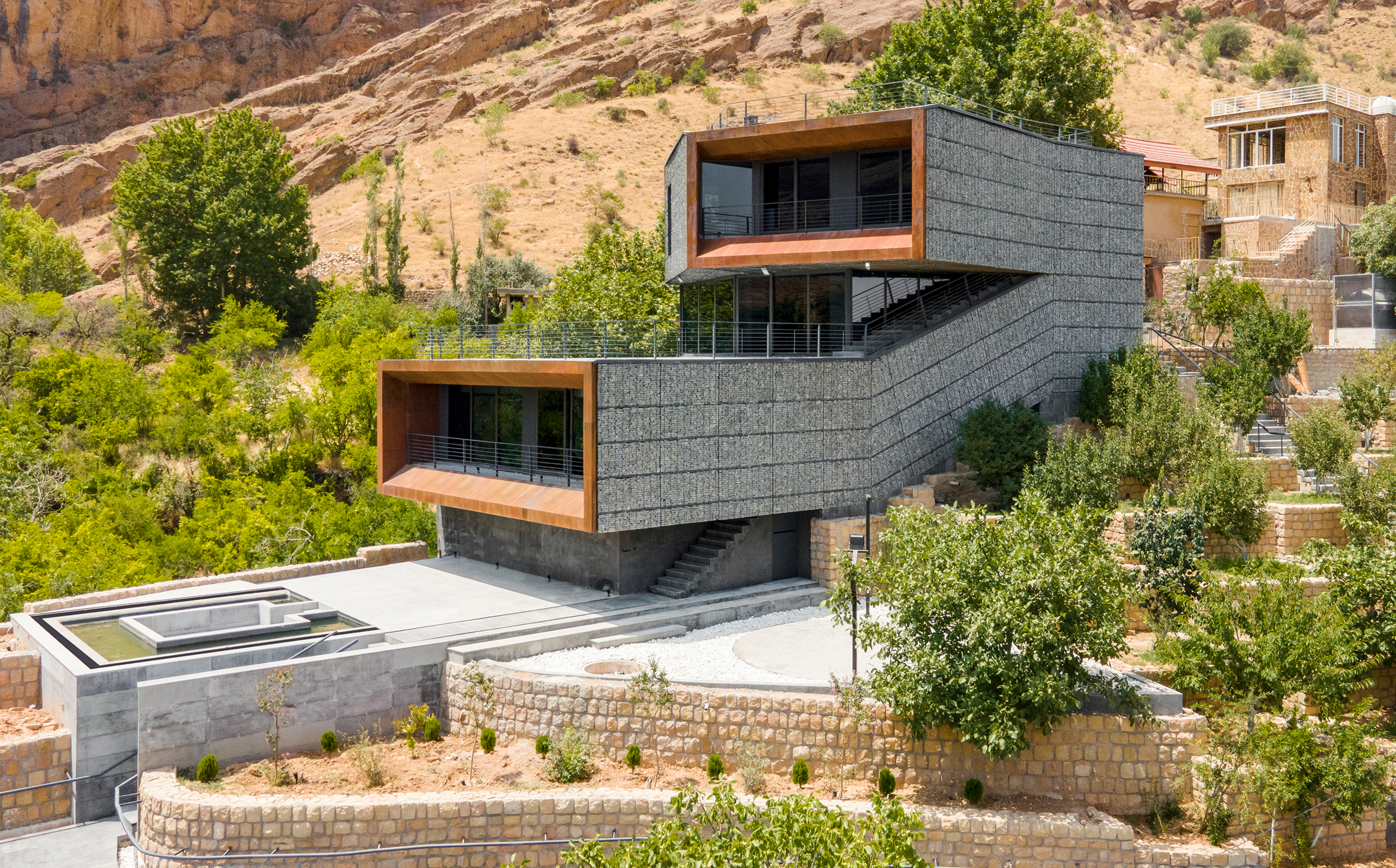
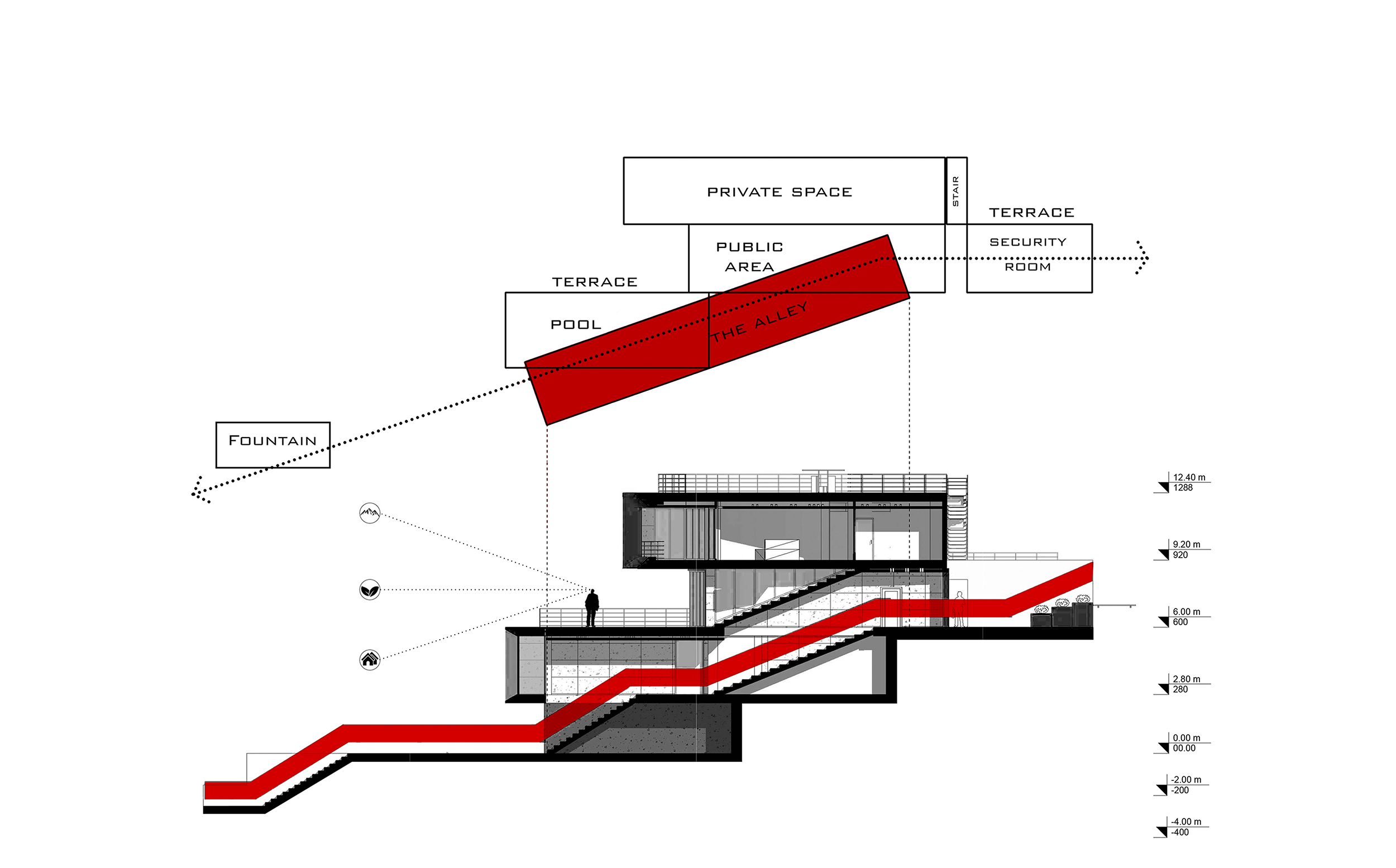

The judging process for Architizer's 14th A+Awards is now underway. Subscribe to our Awards Newsletter to receive updates about Public Voting, and stay tuned — winners will be announced later this spring.